


Hermeus and Northrop Grumman team up on high-Mach military aircraft

3 min read
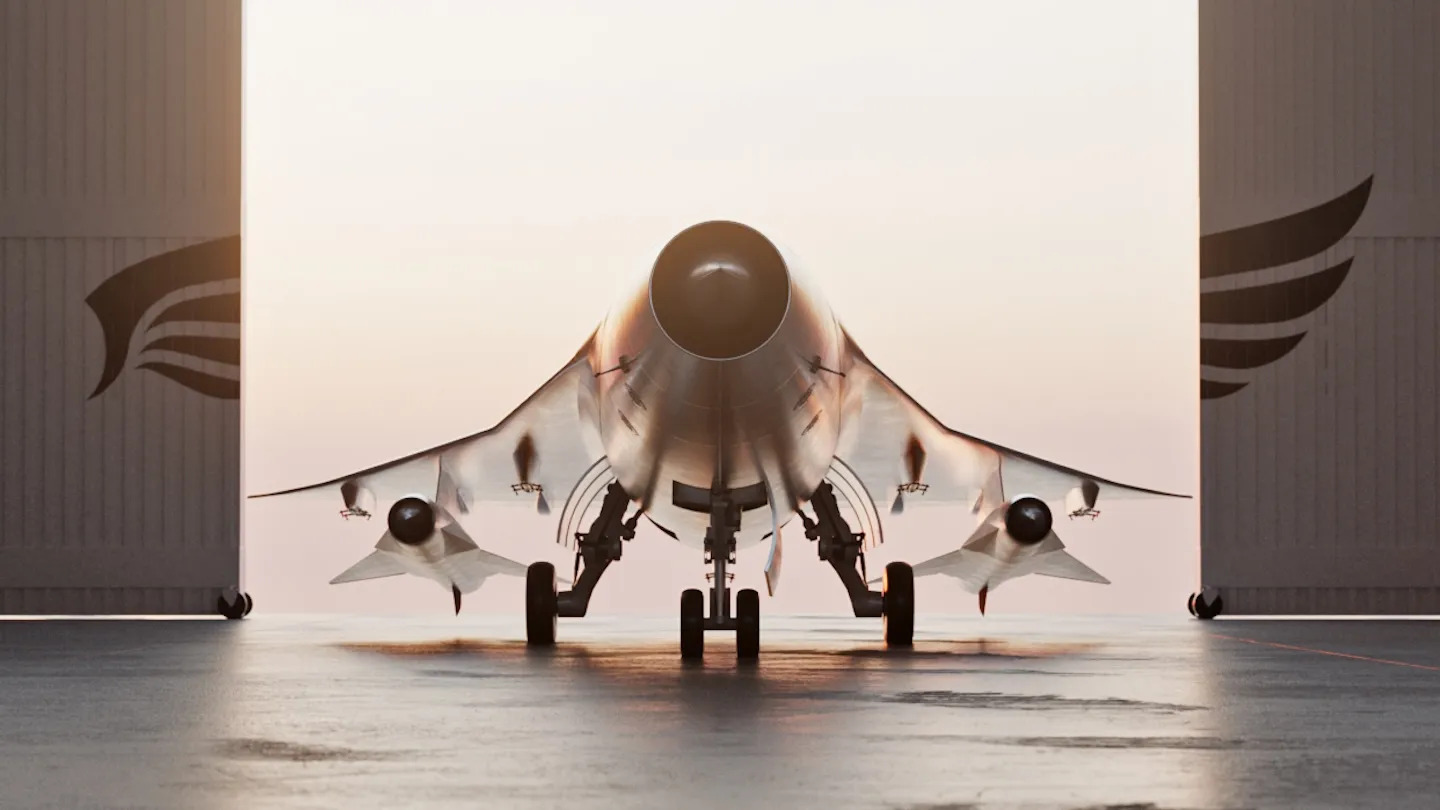
The aerospace startup Hermeus, and the established aerospace giant Northrop Grumman, have announced a new strategic teaming agreement to advance high-Mach, unmanned aircraft.
Hermeus & Northrop Grumman agree on new strategic agreement
Under the agreement, Northrop is to provide integrated mission systems, design, development, integration, and sustainment. Meanwhile, Hermeus is to develop a next-generation reusable, unmanned high-Mach platform.
In a press release, Hermeus says these are to “deliver affordable capability on relevant timelines.” Hermeus is hailing the agreement as providing a path to equip its aircraft with sensing, comms, navigation, and command and control technologies.
These technologies will allow its autonomous aircraft to “operate more intelligently” and take on more complex missions.
The statements by Northrop Grumman and Hermeus leave open many important questions. They failed to elaborate specifically on the kind of operational missions that future Hermeus drones could perform.
It is also unclear which branches of the US military are being targeted, what the envisioned timeline is, or how much they will cost.
Building a new class of aircraft for US forces
Zach Shore, CEO of Hermeus, stated, “We’re building a new class of aircraft that gives the warfighter improved speed, range, and flexibility while integrating into the existing Force.”
He said that Northrop Grumman is able to provide the battle-tested mission systems the company needs to build aircraft that can work in real-world scenarios. This will enable Hermeus to develop its aircraft faster.
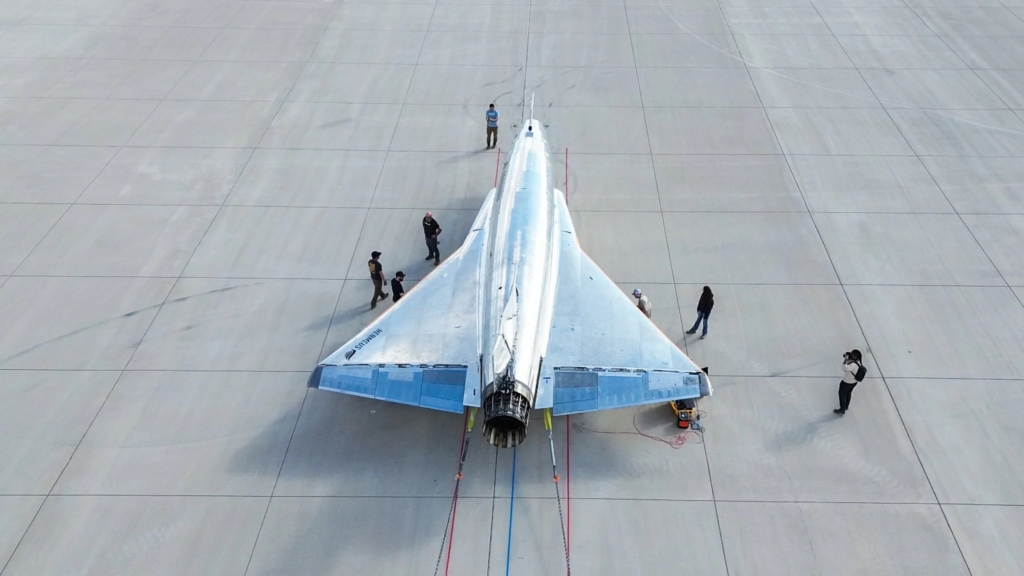
It is unclear exactly what type of aircraft Hermeus has in mind beyond its Quaterhouse in development. New aircraft are to be rapidly developed and iterated and come with an in-house mission management system (MMS) core.
This is an open and modular system designed to keep flight-critical and mission-critical functions cleanly separated. The MMS core will allow future integrations and updates in weeks rather than years.
Hermeus has previously said its goal is to develop high-supersonic aircraft and eventually hypersonic aircraft for the US military.
Hermeus’ efforts to develop high-Mach aircraft
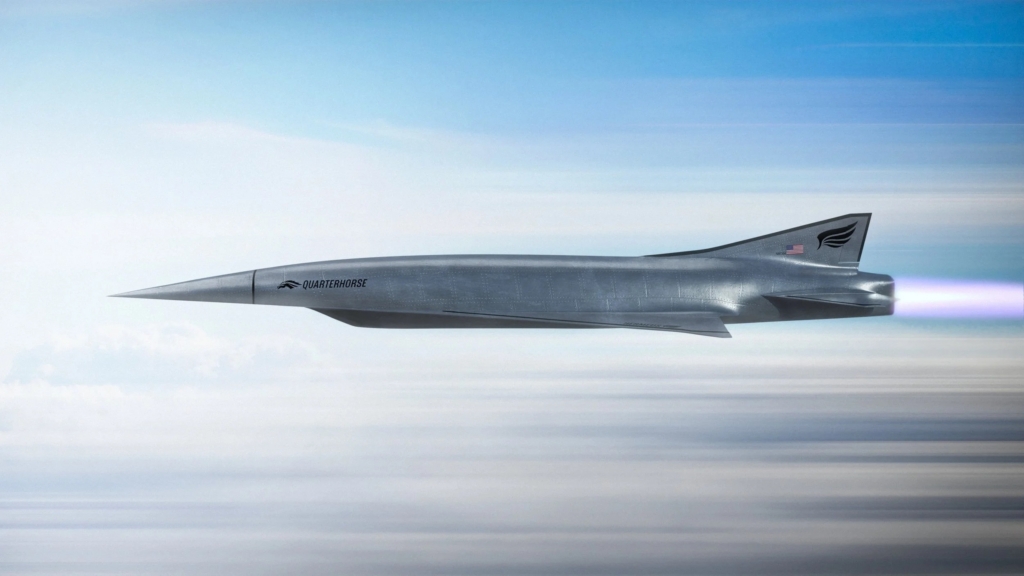
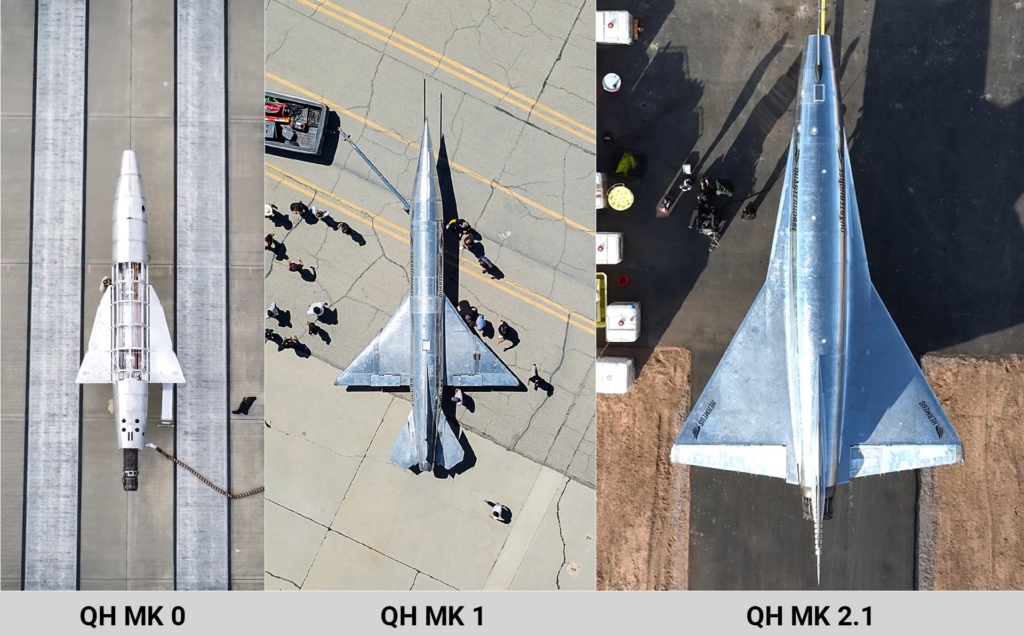
AGN has previously reported Hermeus is developing the F-16-sized high-Mach Quaterhorse unmanned combat aircraft as well as parasitic Ramjet-X expendable ramjet-powered autonomous vehicles to facilitate high-Mach testing.
Quarterhorse first broke the sound barrier in May, and the next version, the Mk 2.2, is expected to push beyond Mach 2. It is possible the agreement with Northrop is related to the Quarterhorse, or it could be an undisclosed programme.
Most aircraft being developed, including Collaborative Combat Aircraft (CCAs), are subsonic. As much of the military sector moved toward stealth, emphasis has generally moved away from the early Cold War’s focus on higher and higher speeds.
For Hermeus, this is a mistake, and it explicitly says its mission is to reclaim the “lost art of rapid iterative prototyping to build fast and powerful aircraft on relevant timelines, delivering the high-speed systems…”
Separately, it would seem that NASA’s Administrator, Jared Isaacman, would agree. In recent months, a long-retired and displayed Lockheed SR-71 Blackbird has disappeared.
It appears NASA is planning to use the airframe as a testbed for new high-Mach engines and maybe other systems. Isaacman has cryptically teased the Blackbird, but also said it’s classified.
He has posted, “NASA is rebuilding its X-plane portfolio, and soon we’ll be flying faster and higher, just as we did in decades past.”


