


NTSB recovers Learjet 60 cockpit voice recorder after fatal Florida crash

4 min read
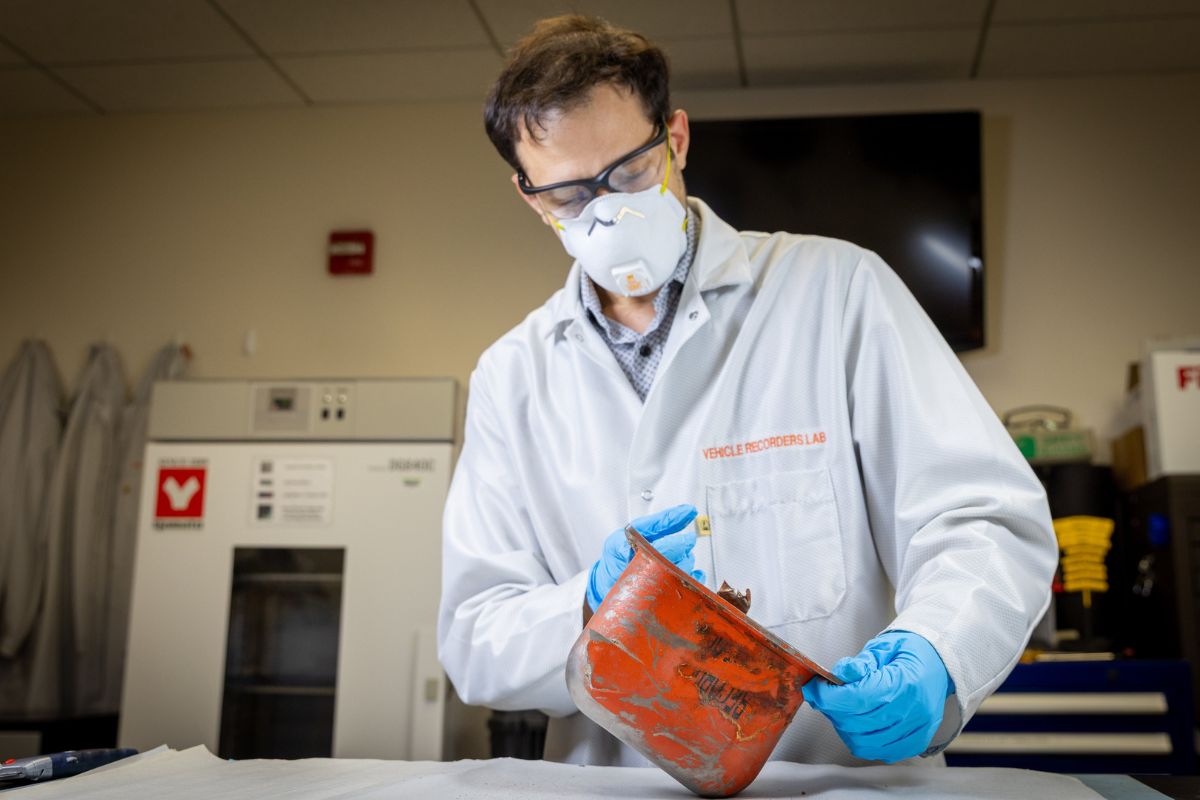
The National Transportation Safety Board (NTSB) says it has recovered the cockpit voice recorder (CVR) from the Learjet 60 that crashed near Greenacres, Florida on 1 November, killing all nine people on board.
The recorder, commonly known as a ‘black box’, was discovered at the aircraft’s crash site near Greenacres in Palm Beach County. The NTSB confirmed the discovery in a social media post on 9 November.
It has now been taken to the agency’s Vehicle Recorders Laboratory in Washington where experts are examining whether any usable audio can be recovered.
NTSB board member Tom Chapman has previously said it could contain “very important data”.
However, the NTSB has not yet confirmed whether it contains recordings of the flight.
What is the Learjet 60 cockpit voice recorder?
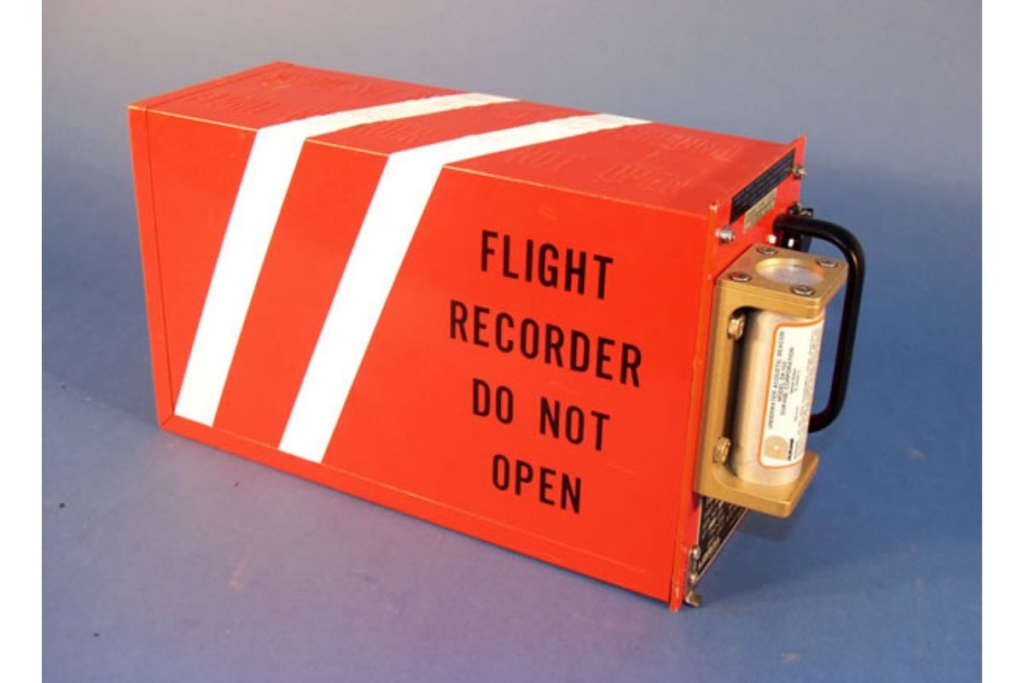
The aircraft black box is actually two devices: the cockpit voice recorder (CVR) and the flight data recorder (FDR). Larger airlines need to have both installed.
The Learjet was operated by Aurora Aviation, doing business as Upper Jets. It is a Part 135 operator, offering private jet flights on-demand.
Unlike commercial airlines, which operate under the FAA’s Part 121 rules, Part 135 operators are not always required to have both black boxes installed.
In a press conference on 2 November, NTSB board member Tom Chapman said the aircraft’s maintenance records suggested a CVR was installed. But he added: “What we don’t know is whether that recorder was still on board; sometimes these things change over time.
“We’re still seeking to determine whether there was a recorder, and then of course we’re very hopeful that we can recover it. It’s too early to know, but that’ll be very important data.”
Where is the cockpit voice recorder and what does it record?
The recorder has a “cockpit area microphone” which is usually located on the overhead instrument panel between the two pilots.
The NTSB explains that CVRs record radio transmissions and sounds in the cockpit, including the pilot’s voices and engine noises.
Automated radio weather briefings, communications with air traffic control and conversation between the pilots and ground or cabin crew are also recorded.
NTSB investigators have recovered the cockpit voice recorder (CVR) of the Learjet 60 that crashed on Nov. 1 near Greenacres, Florida. The CVR was located at the site of initial impact. The CVR is being evaluated in the NTSB Vehicle Recorders Laboratory in Washington, D.C. The excavation work at the impact site has been completed.
— NTSB Newsroom (@NTSB_Newsroom) November 9, 2026
The NTSB says sounds of interest to investigators could include “engine noise, stall warnings, landing gear extension and retraction, and other clicks and pops.”
What could the Learjet’s black box reveal?
If usable audio is recovered, investigators may be able to reconstruct the crew’s actions, communications and awareness of developing problems.
The recording could also reveal warning sounds, engine noises and the timing of key events during the flight’s final moments.
Who will listen to the Learjet’s cockpit voice recorder?
A team of specialists will be set up to listen to the audio from the Learjet. This is called a CVR committee, and is usually made up of NTSB investigators, the FAA, the aircraft operator, the plane manufacturer, the engine manufacturer and the pilots union.
They will write a transcript of the CVR audio. This will then be used during the investigation into the fatal crash.
Will the audio be released?
A Congress ruling means the Safety Board can’t release any part of the CVR recording during the investigation.
However, parts of the audio can be released during any public hearing on the accident.
Harrowing audio of co-pilot Nathalia Gadelha Filgueiras’ final radio calls were shared on social media last week.
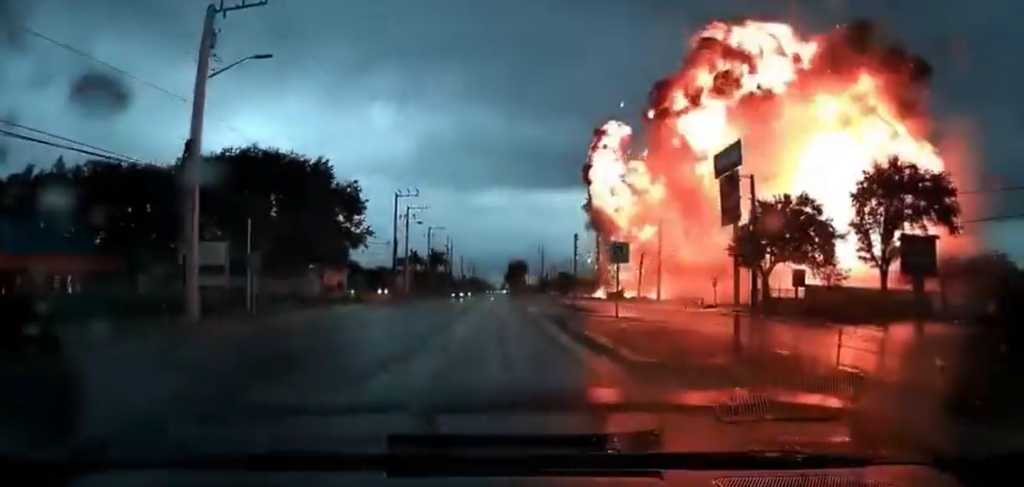
The Learjet was travelling from Austin, Texas to the Bahamas when the crew reported encountering icing, turbulence and precipitation before the aircraft entered a rapid descent.
Nathalia could be heard reporting an outside air temperature of minus 47C and asked whether smoother conditions were available ahead as thunderstorms developed in the area.
After telling controllers they were encountering precipitation and requesting a climb to 37,000 feet, Nathalia told air traffic control: “We’re descending 8,000 – mayday, mayday – we’re descending 10,000 feet per minute.”
Seconds later, she is then heard saying: “Declaring emergency. We are in an overspeed condition descending 20,000ft per minute. We’re going to crash into the ground.”
Technology entrepreneur Adam Robinson, his wife Helen Sharp and their two young children were among those who died.
Also onboard was the family’s nanny Anita Maria Cetina and two family friends Rachael Reed and Charmi Fehr.
The plane’s captain, Jeff Gregory, 55, was also killed in the crash.
What else has been recovered from the Learjet crash site?
The NTSB revealed on 8 November that it has found components from both wings, both engines, the flight deck, vertical stabilizer, left elevator, aileron sections and multiple flap track assemblies.
It said it had also recovered the jet’s horizontal stabilizer – this had appeared to be missing in harrowing video footage of the crash that was shared on social media.
Investigators had previously said portions of the jet’s left elevator were recovered between 1.3 and 3.8 miles from the impact site, suggesting the aircraft began breaking up before it crashed.
Parts of the wreckage have now been sent to NTSB laboratories in Washington for further examination.


