


Air India and IndiGo bosses reveal why they’re betting big on India’s aviation future

6 min read
Willie Walsh was planning to retire. Instead, the former British Airways and IAG boss found himself taking charge of India’s largest airline, IndiGo.
For Walsh, the opportunity was too good to turn down.
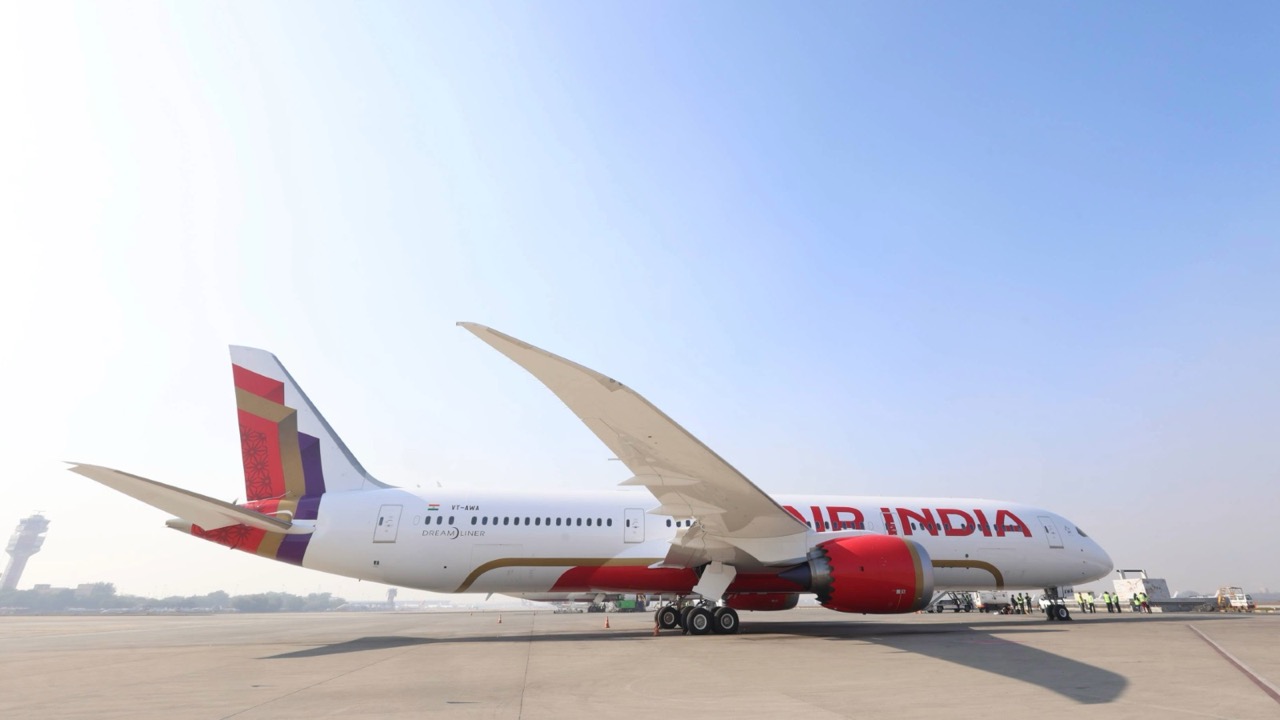
Across the industry, fellow aviation veteran Tewolde Gebremariam has taken on an equally formidable challenge: steering Air India‘s transformation while navigating rising costs, airspace restrictions and mounting pressures on international routes.
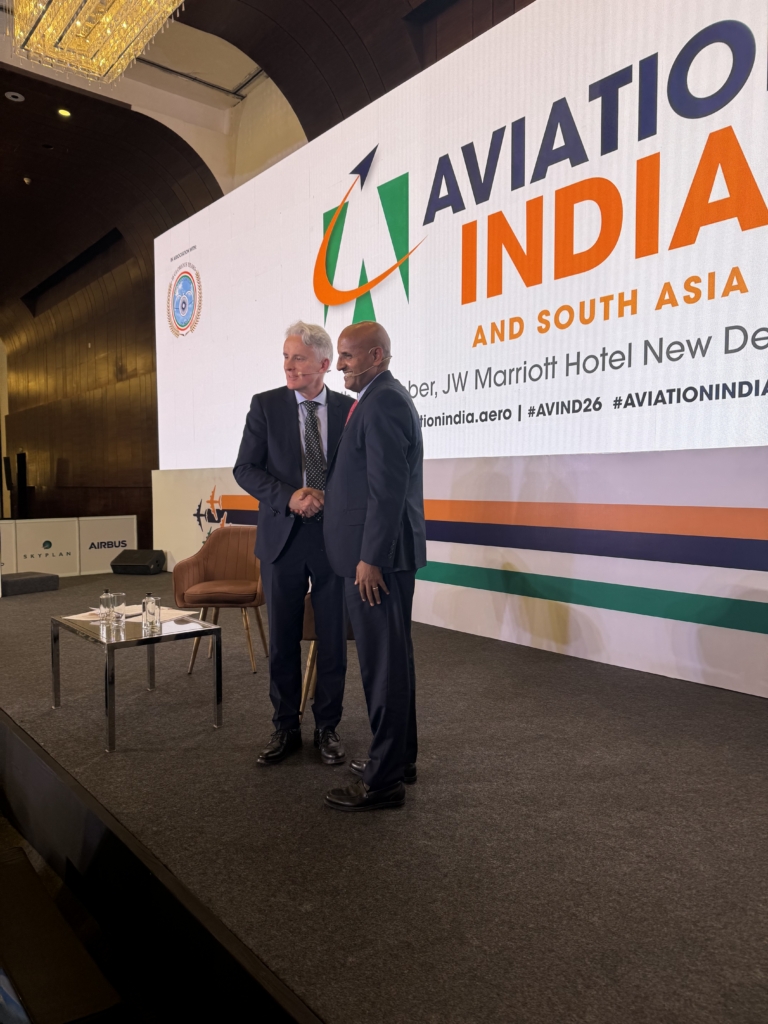
Speaking at the Aviation India Summit and Exhibition held in Delhi earlier this week, both underlined the challenges facing India’s aviation industry – and why they believe the country’s potential as a global aviation hub makes the short-term pain worthwhile.
Taking the helm at IndiGo and Air India
Willie Walsh, former chief executive of and IAG and ex-director general of the International Air Transport Association (IATA), took over as CEO of IndiGo in August 2026. Meanwhile, Tewolde Gebremariam, who spent 37 years at Ethiopian Airlines, including 11 as CEO, also took the helm of Air India in August.
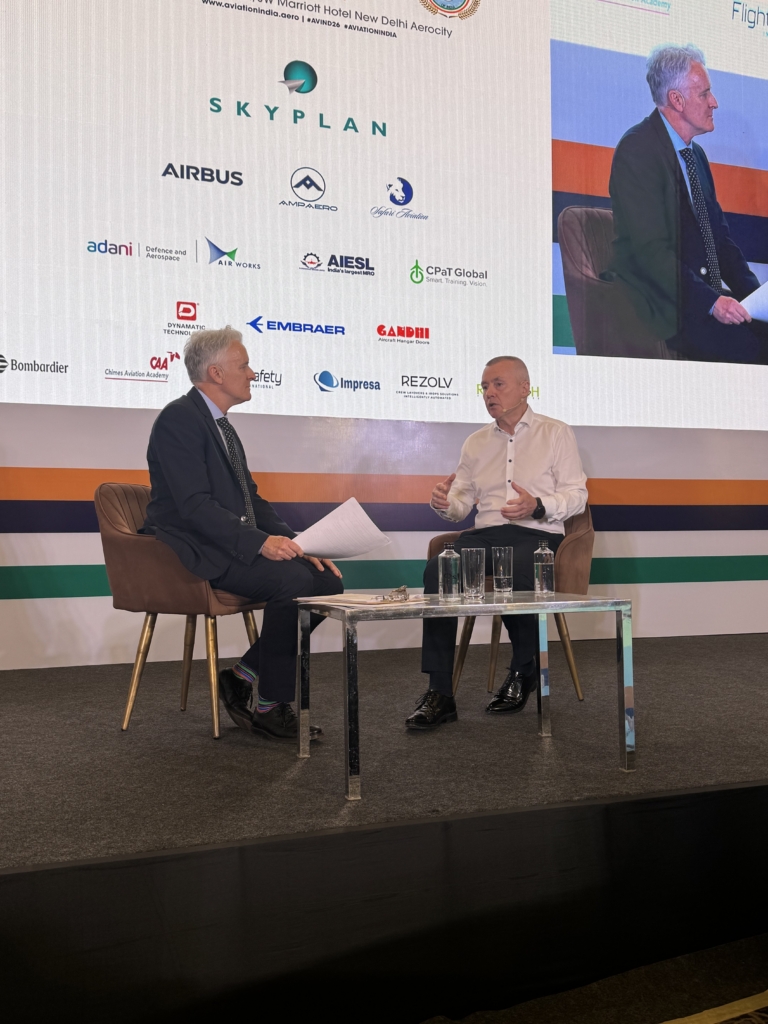
Walsh revealed that prior to taking on the role at IndiGo, he had planned to retire. “But when you get an opportunity to participate in India’s aviation story, it’s not an opportunity you turn down,” he said during a keynote interview at Aviation India.
He said the decision to join IndiGo was the “easiest he had made.” He knew the market from his years at British Airways, when the airline ran a large India operation.
Gebremariam left Ethiopian Airlines in March 2022 and moved to the US, where he worked in an advisory capacity for Delta Airlines before accepting the Air India role. He said he has been tasked with leading the airline’s transformation as it progresses through its next stage of rebuilding and growth. He also has a history in the country’s aviation market, having served as Ethiopian’s country director in India in the mid-1990s.
Both agreed that, with a huge and growing domestic catchment, the opportunity in India’s aviation sector is vast.
IndiGo’s fleet renewal
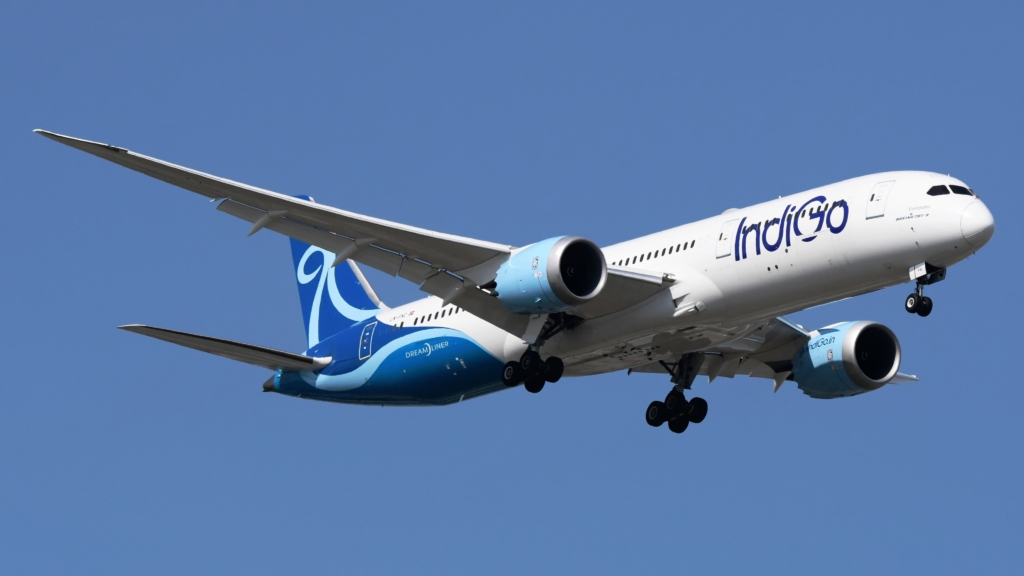
Walsh said IndiGo’s leased Boeing 787 operation to accelerate the airline’s entry into the long-haul market was launched in a very different environment from the one the airline now faces. Higher fuel prices and airspace restrictions made the operation hard to sustain, he said.
The airline is now shifting international growth to the Airbus A321XLR, with five delivered by the end of this year and 14 by the end of 2027. IndiGo has begun flying to Amsterdam on a flight of just over 10 hours and has launched its longest XLR route to date. Walsh said the XLR combines widebody unit costs with narrowbody trip costs and offers range that is “almost unlimited.”
Airbus A350s are due to follow in the second quarter of 2028. Walsh said he hoped that airspace conditions would have eased by then enabling the airline to continue building its codeshare partnerships. IndiGo already has codeshares with 13 airlines. “Our partners want to serve India; they want access to our network,” he said. “In that sense, we hold a lucrative key to the market.”
This week, IndiGo is also launching its first lie-flat seats, and it is reportedly in talks to buy around 100 Embraer jets. The low-cost carrier also signed with Skywise to deploy the Airbus A320 Virtual Procedure Trainer (VPT), becoming the first VPT customer in the South Asia region. Together, the moves signal broader ambitions for an airline built on low-cost short-haul flying.
Walsh said the company must not lose focus on its core. IndiGo holds about 65% of the domestic market and serves more than 300 city pairs. It flies international services from 23 Indian airports. Growth slowed in the second quarter of this financial year, he said, and in response, the airline is reviewing all its costs. Seat factor fell by about two points as the airline took measures to offset rising fuel costs, though he said demand is now where the airline expected it to be.
The steep rises in fuel prices are “unlike anything [Walsh] has seen to date. Refining capacity has been disrupted, particularly in Europe, and he now expects elevated jet fuel crack spreads to persist even if crude oil prices fall.
By 2030, Walsh said, he expects IndiGo to operate around 600 aircraft with significant international expansion and the A350 in service. He cited Turkish Airlines in Istanbul and the Gulf carriers in Abu Dhabi, Dubai and Doha as examples of what hub airlines can achieve and said the same opportunity exists in India.
Airport charges
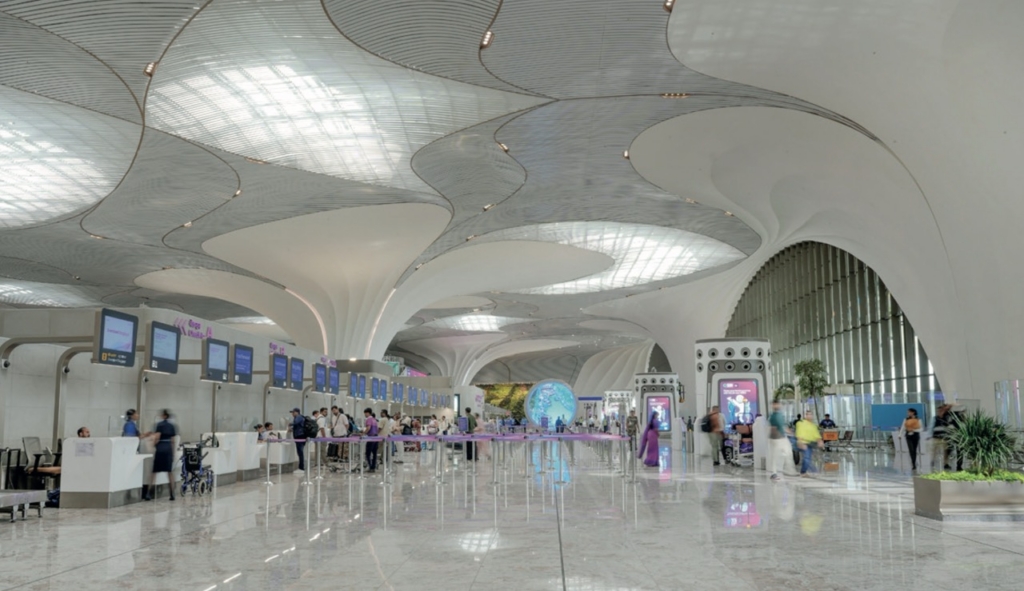
Walsh was direct about airports, which he said are critical to IndiGo’s growth, but must keep charges in check. He said the move to Navi Mumbai is important to the airline and acknowledged that the planned Terminal 1 renovation in Mumbai is needed, but he expressed concern about the timelines and costs of delivering it.
If the work adds capacity, he said, per-passenger costs should fall rather than rise. He argued that airports earn more stable returns than airlines and that regulatory models in Europe have in some cases encouraged wasteful spending, but he also said airlines must be able to earn a return on their capital.
Rebalancing Air India’s network
Gebremariam said Air India faces losses in the short term but a clear route to growth. He also cited the spike in fuel prices as an immediate challenge, along with geopolitical tensions in the Middle East and Pakistan’s airspace closure as headwinds.
Services to Europe and North America have been affected, and the airline has cut frequencies to some US cities, including Chicago, Washington and San Francisco.
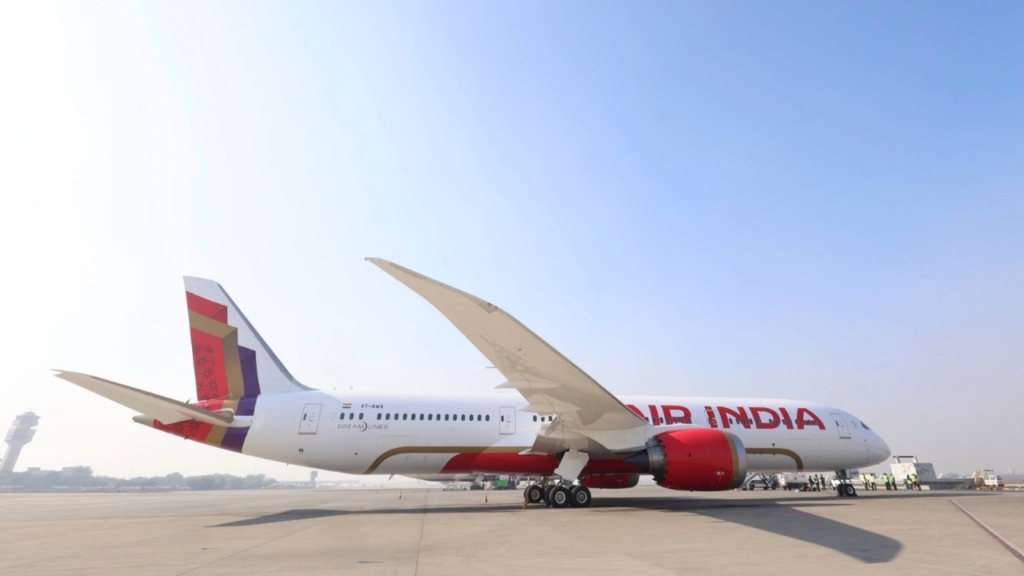
In response, Air India is rebalancing its network toward its eastern and southeastern markets, which are not affected by the airspace closures. “Efficiency, efficiency, efficiency” is the guiding principle, he said. The airline is also further integrating its operations with its low-cost arm, Air India Express, so the two share corporate functions, which he expects to lower some costs.
Gebremariam said the right foundations are in place to achieve the growth Air India is targeting. This includes a large maintenance facility in Delhi and training academies in Mumbai and Amritsar. He said Air India’s priority is to win back market share while building international-to-international and domestic-to-international connectivity.
He said the airline’s shareholders, Tata Group and Singapore Airlines, remain committed. “We have their backing 120% with our ambitions,” he said. “I am more impatient than the shareholders,” he added, “to see the airline return to profitability.”
India’s future as a global hub
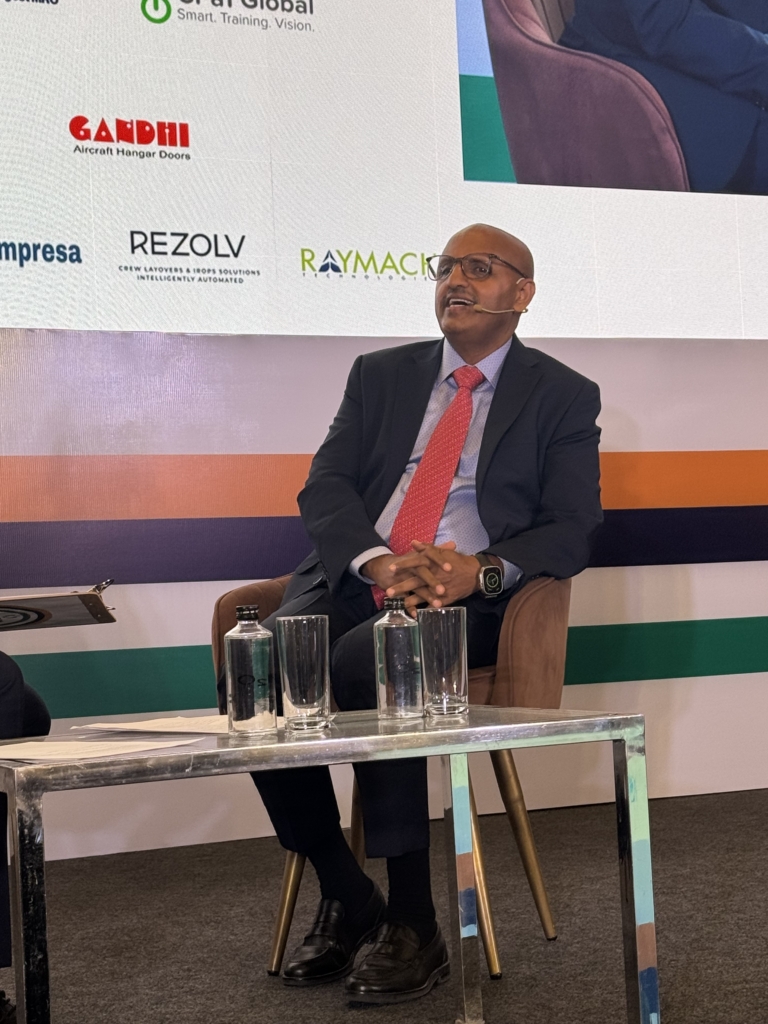
Gebremariam, who helped grow Ethiopian Airlines into one of Africa’s leading carriers, said India has everything it needs to become a global aviation hub. He pointed to its geographic position, a population of 1.4 billion and a diaspora of more than 30 million. Success would depend on the right infrastructure, network, strategy, and product, and on taking a long-term view, he said.
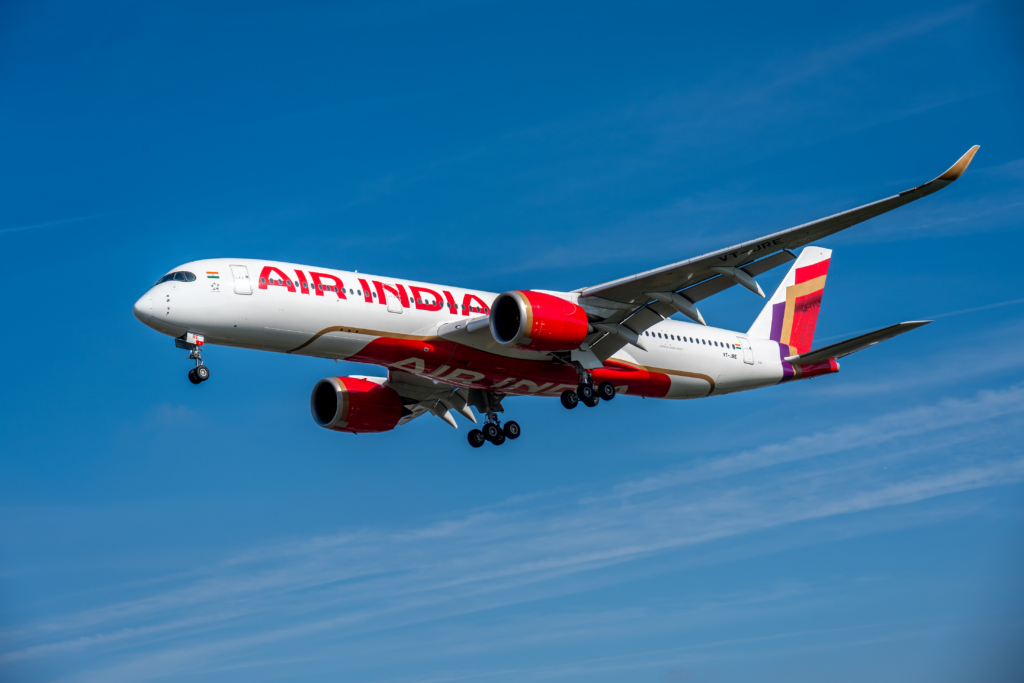
At Ethiopian, he noted how he extended a five-year plan to a 15-year roadmap and grew the airline’s network from about 60 to 128 destinations before the pandemic. He pointed out that while aviation often looks like a short-term business because of its volatility, it rewards long-term planning, and India is no exception.
Gebremariam concluded that at the heart of that growth, Air India’s brand remains strong with Indians at home and abroad. “Together, we will make Air India great again,” he said.
Sign up for our newsletter and get our latest content in your inbox.


More from

November 6, 20264 min read


