NATO bolsters Black Sea surveillance with aircraft, drones and radar after shipping attacks

3 min read

Following Bulgaria’s request for NATO combat aircraft and anti-drone systems to protect its coastline from drone attacks (suspected Russian), NATO announced it will further bolster defences in the region. A US Navy P-8 Poseidon may have been among the first to answer the call.
NATO to send more assets to the Black Sea
AGN recently reported that Romania shot down Russian Geran-4 jet-powered one-way attack drones and that some commercial vessels have been struck in or near Romanian and Bulgarian waters. Both are members of NATO.
Now Reuters reports that NATO will send more maritime patrol aircraft, radar systems, and drones to the Black Sea.
US Army Colonel Martin Martin L. O’Donnell was quoted as saying, “Allies have or will send additional maritime patrol aircraft, radar systems, explosive exploitation teams, intelligence personnel, drones, and more to the Black Sea.”
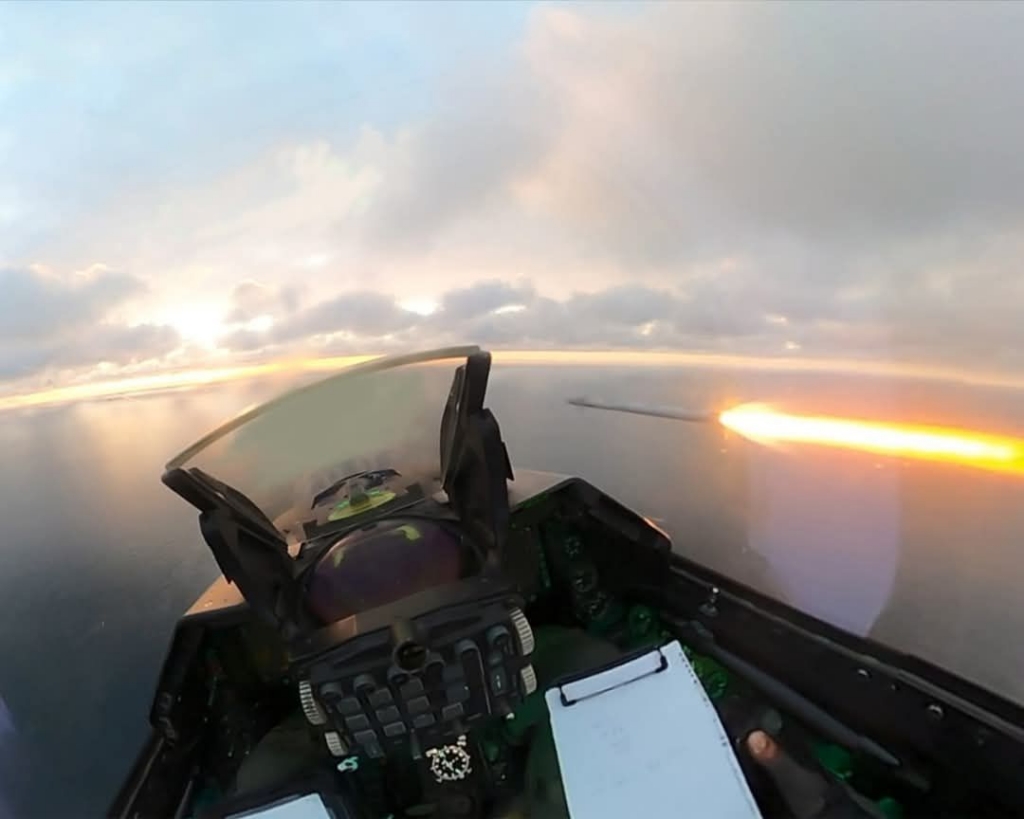
The NATO Spokesperson posted on its X (formerly Twitter) account, “NATO will be sending additional assets to the [Black Sea] region, including support for surveillance, reconnaissance, and forensics.”
Requesting help to boost Black Sea air defence
Reuters reported on the 16th of October that Bulgaria has formally asked NATO to deploy combat aircraft and anti-drone systems to bolster its defences after a series of drone attacks on commercial shipping in the Black Sea.
This went significantly further than Bulgaria’s 12 October request for technical/investigative assistance to identify who carried out attacks on commercial vessels.
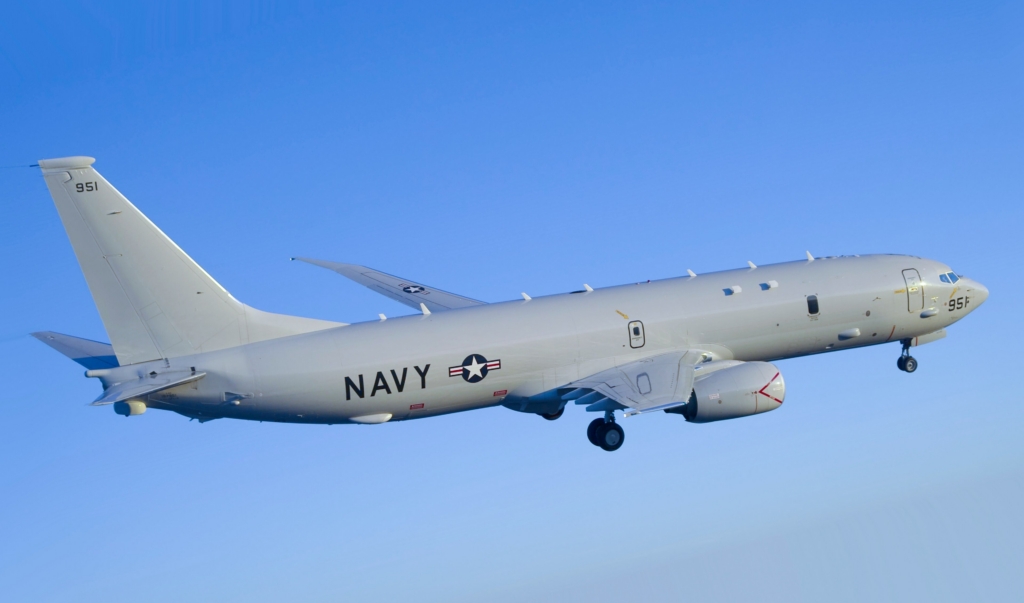
Bulgaria’s President Rumen Radev has said that a US P-8 Poseidon maritime patrol aircraft has begun patrolling the Black Sea “to conduct reconnaissance missions and detect any activity that could pose a risk.”
The aircraft flew from Naval Air Station Sigonella, Italy, and it is unclear if its mission was directly related to the announcement of increased NATO deployments.
Notably, the request is not just for surveillance aircraft, but for systems that can neutralize and destroy intruding drones. Radev also noted that other countries have been quick to answer Bulgaria’s call for help and further assistance is expected.
It is not yet clear what full range of new air assets NATO plans to deploy to the Black Sea in the wake of the attacks.
NATO’s available aircraft include RQ-4D Phoenix drones and E-3A AWACS, while individual members can contribute a wide range of aerial assets.
Romania’s Informat reported in mid-October that France had responded to its request within 24 hours and said it would provide equipment to support Romania. The type of French equipment is unidentified, and the Romanian request for French help is separate from Bulgaria’s NATO request.
Romania, Bulgaria, and Turkey are all closely cooperating on Black Sea defense, although Turkey has not publicly requested comparable NATO reinforcement.
Bolstering NATO’s already considerable eastern-flank air-defence posture
Unlike the Baltic states, the Black Sea states of Romania and Bulgaria are not defenseless when it comes to fighter jets.
Romanian F-16s (ex-Norwegian fighter jets) are already defending airspace, shooting down Russian drones, while Bulgaria is yet to fully transition to its new-build Block 70 F-16s.
Bulgaria has received the first batch of eight Fighting Falcons. For now, Sofia continues to rely on its aging fleet of Su-25s and MiG-29s.
Also not related to the latest NATO announcement, but still relevant. On the 14th of October, Romania reported Spanish F/A-18 legacy Hornets performing Enhanced Air Policing Service were scrambled from the 57th Mihail Kogălniceanu Air Base.
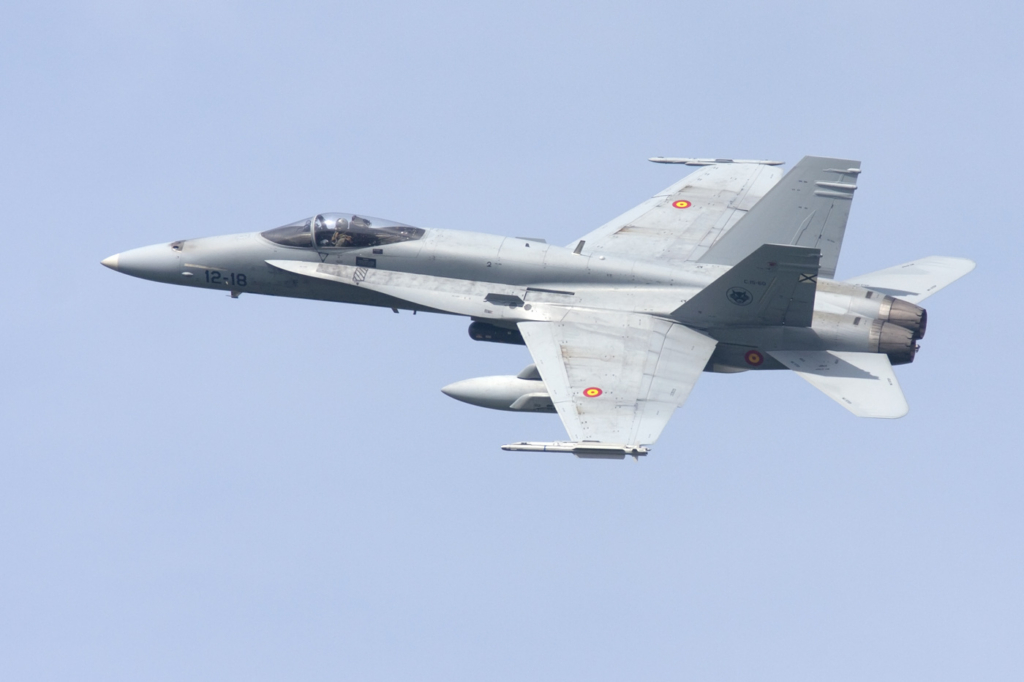
Two aerial targets had entered Romanian airspace. The Hornet didn’t engage, as the radar contact for one was lost over the sea, while the other veered into Ukrainian airspace, where it was destroyed.
Patrolling missions over the Black Sea can be tense and dangerous. In 2022, a rogue Russian Su-27 fighter pilot fired on a British RC-135 Rivet Joint SIGINT aircraft. Both missiles failed to hit the target.
In 2023, a Russian fighter jet collided with the propeller of a US MQ-9 Reaper ISR drone while carrying out aggressive manoeuvres. The Reaper subsequently crashed.
Sign up for our newsletter and get our latest content in your inbox.


More from


October 17, 20264 min read