Merlin adds first jet to test fleet as it targets autonomous military aircraft

3 min read

US start-up Merlin Labs has announced it has added its first jet-powered aircraft, an Aero L-39C Albatros, to its fleet of testbed aircraft in an effort to develop its Merlin Pilot.
While most companies focus on developing future autonomous aircraft, Merlin is working to bring various levels of autonomy to existing aircraft.
Merlin Labs purchases Aero L-36C Albatros testbed
Last week, Merlin Labs stated it has purchased a Czech-built Aero L-36C Albatros jet trainer as a testbed for its Merlin Pilot autonomous software.
The Albatros was selected due to its rugged design, forgiving flight characteristics, relatively affordable cost, and the fact that it is among the world’s most widely operated military jet trainers.
This was deemed to make it well suited for developing and validating autonomous capabilities in a high-performance jet environment. It also allows the company to explore missions that require more tactical operations or that involve multiple aircraft working together.

Being a jet aircraft, the L-36C comes with higher approach and cruise speeds that compress available time for decision-making. Its flight characteristics will help Merlin to mature its mission autonomy, multi-agent teaming, and envelope protection layers of its AI pilot.
Merlin’s fleet of testbed aircraft
Merlin noted that designing an aircraft-agnostic AI pilot requires a diverse testbed fleet. The L-39 is complementary to the existing fleet and will serve as the dedicated jet testbed. It opens up new possibilities that were not possible with propeller aircraft.
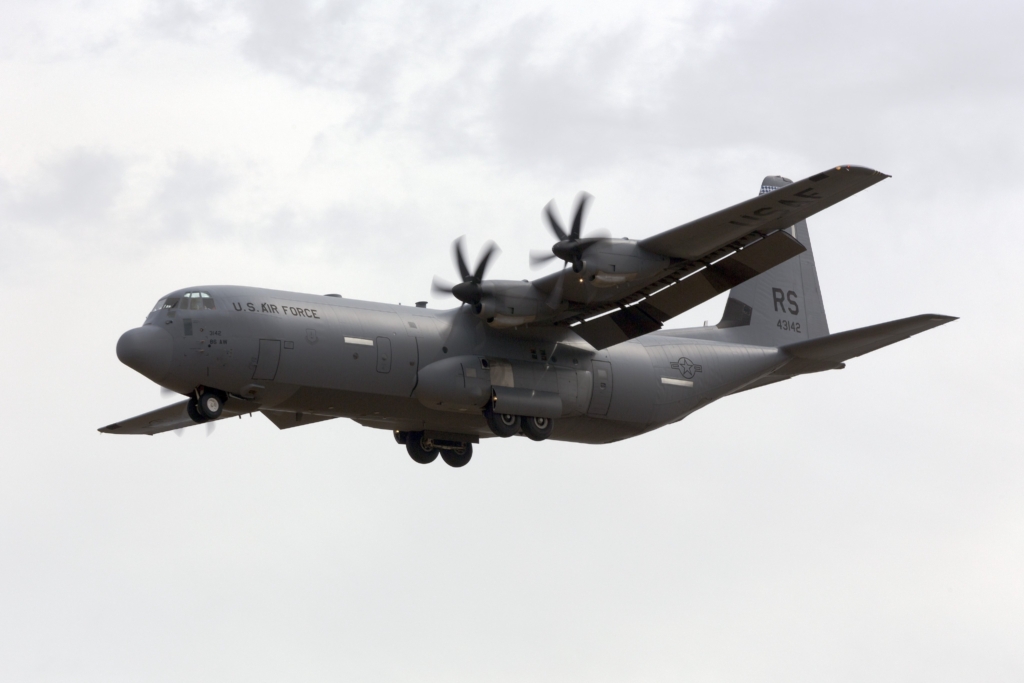
The Albatros joins a growing list of testbed aircraft that includes a Cessna 208B Caravan, Beechcraft King Air C90, and Lockheed Martin C-130J Super Hercules.
While Merlin describes its AI pilot as ” purpose-built for military and civil programs”, its description of the roles of the testbed aircraft appears military-heavy.
The single-engine Cessna 208 is a testbed focusing on short sorties for casualty evacuation, urgent cargo, and operations in austere environments.
Merlin achieved SOI 3 with the @CivilAviationNZ, progressing through the rigorous certification process put in place by regulators. Read more in this @AviationWeek article by @TheWoracle below. https://t.co/GOFheqhnOW
— Merlin (@MerlinAero) August 7, 2026
The twin-turboprop Beechcraft King Air’s testing focuses on long-endurance ISR, maritime mission, and contested logistics over longer ranges. The Super Hercules’ focus is on long-range, high-payload airlift that requires crew endurance and coordination.
Cessna tests are being carried out in New Zealand and are an effort to demonstrate that it can get its AI-piloted aircraft certified through a formal aviation certification process. It is currently progressing through the stages and received a Part 146 Aircraft Design Organization certificate from the Civil Aviation Authority of New Zealand (CAANZ) in August.
Developing ‘takeoff-to-touchdown’ autonomy for legacy and future aircraft
Merlin Labs is a company that sits between an autonomous aircraft start-up, an aviation certification company, and a defence prime contractor. It was founded in 2018 (as Apollo Flight Research) and in 2022 it secured up to $105 million in US military funding as well as some other investments.
The company doesn’t primarily seek to build new aircraft, but rather the software and hardware “pilot” that can be installed on different types of existing aircraft. The aim is to allow the aircraft to operate with reduced crews or without pilots.
Merlin’s primary product is its Merlin Pilot, designed to be an aircraft-agnostic solution for autonomous aviation. The company says it is “designed for adaptation to any plane in operation today, and in the future.”
Speaking on adding the L-39 to the testbed fleet, Matt George, co-founder and CEO of Merlin, said, “To build a pilot that can fly anything, you need to train it on everything.”
Sign up for our newsletter and get our latest content in your inbox.


More from


October 17, 20264 min read