France goes it alone on future fighter after FCAS collapse, sets 2040 deadline

4 min read

France will develop its next-generation combat aircraft as a national programme following the collapse of the Franco-German FCAS partnership, while leaving the door open to foreign cooperation on selected technologies.
It will move ahead with a nationally developed next-generation fighter, with the French Air and Space Force targeting conventional operations by 2040 and a nuclear deterrence role by 2050.

French Air and Space Force Chief of Staff General Jerome Bellanger outlined the plans during a parliamentary hearing on 14 October, providing the clearest indication yet of how Paris intends to proceed after years of industrial disagreements brought the joint Future Combat Air System (FCAS) fighter project to an end.
His remarks, reported by Defense News on 15 October, confirm that France intends to retain national control of the Avion de Combat du Futur (ACF), rather than establish another multinational fighter programme dependent on agreement between industrial partners.
Foreign cooperation remains possible, but Bellanger indicated that such arrangements would not be fundamental to developing the aircraft.
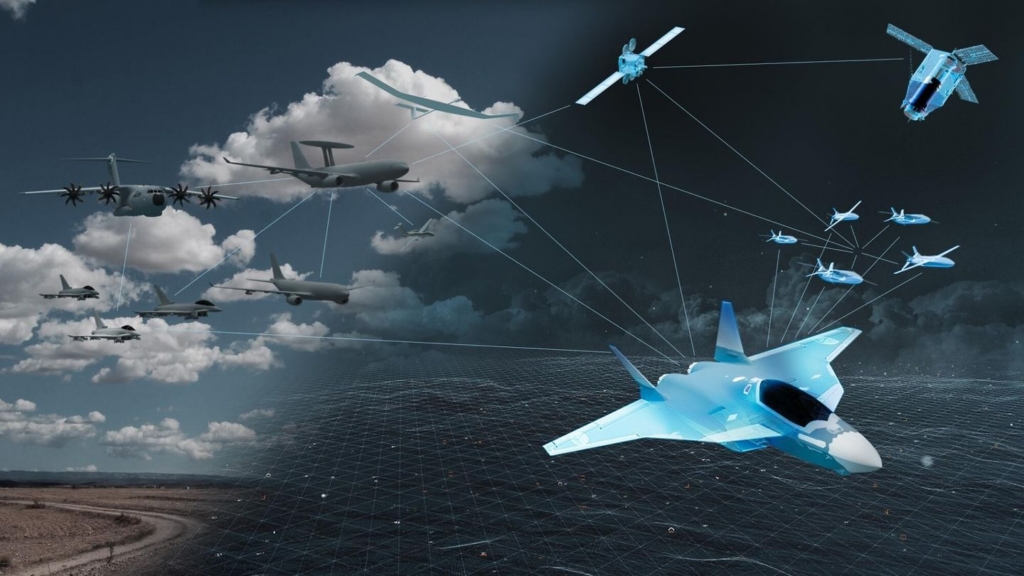
The decision marks a significant change from the original FCAS vision, under which France, Germany and Spain planned to jointly develop a sixth-generation fighter supported by uncrewed aircraft and a digital combat network.
Nuclear mission sets the deadline
The timetable is shaped by France’s airborne nuclear deterrent. The ACF must be capable of carrying the future ASN4G hypersonic nuclear cruise missile by 2050, making it necessary to introduce the aircraft for conventional operations around 2040.
That requirement gives France less flexibility over development delays than a conventional fighter replacement programme might allow.
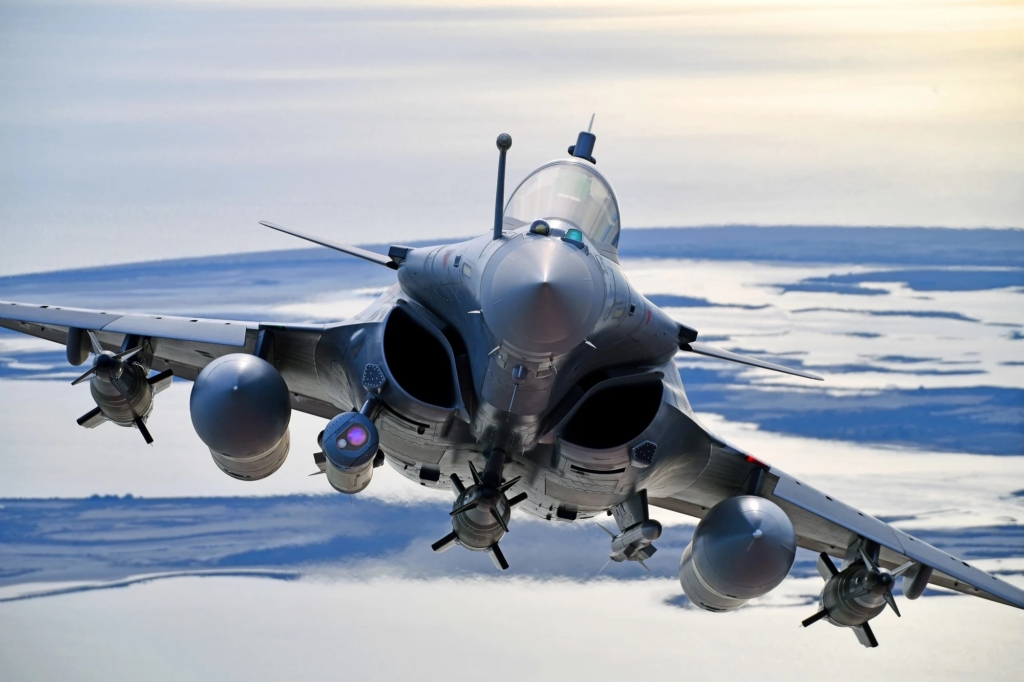
The Rafale F5 will provide an intermediate step. Expected around 2035, it will incorporate technologies relevant to the ACF, including propulsion, sensors and the Stratus RS weapon intended to suppress enemy air defences.
Dassault Aviation chief executive Eric Trappier has previously said that the company, working with engine manufacturer Safran and defence electronics specialist Thales, has the expertise needed to develop a next-generation fighter nationally.
He has suggested that the programme could cost substantially less than €50 billion ($56 billion), although no final government development budget has been established.
France wants to retain European combat network
Despite the breakdown of the fighter partnership, Bellanger made clear that France does not intend to discard the technological work undertaken through FCAS.
The programme had covered stealth, propulsion, uncrewed aircraft, connectivity and a combat cloud designed to allow aircraft and other platforms to exchange information during operations.
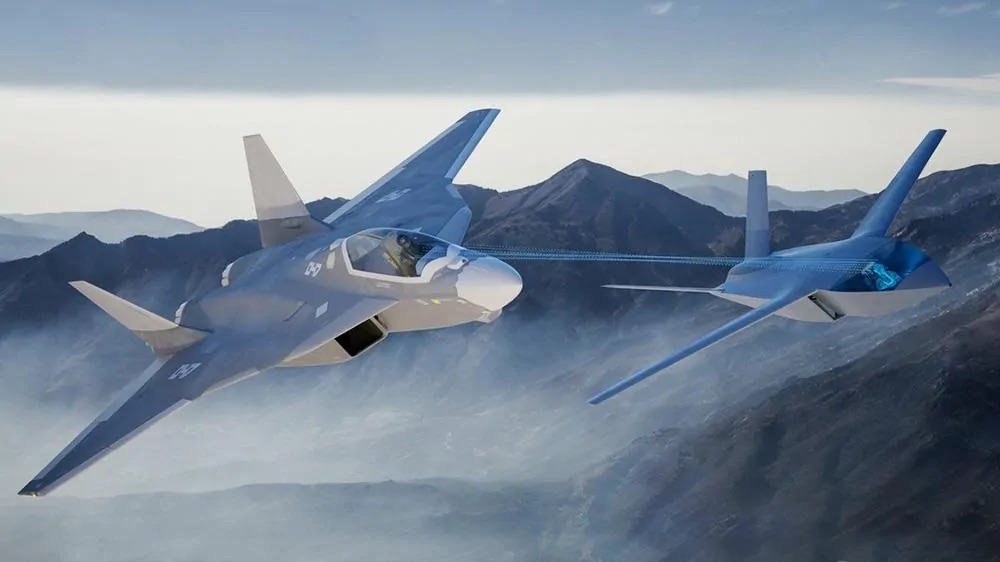
Bellanger said these developments would support the national ACF programme.
He also stressed the importance of continuing cooperation with Germany and other European countries on the combat cloud, even if they eventually operate different next-generation fighters.
The aim is to ensure that European air forces can fight as an integrated force rather than simply conduct separate operations alongside one another.
That leaves open the possibility of retaining part of the original FCAS architecture without a jointly developed aircraft.
Germany and India explore their options
The collapse of the fighter partnership has already prompted a reorganisation of Europe’s combat aircraft industry.
As Aerospace Global News reported in June, Airbus Defence and Space and seven German companies established Team Gen 6 at the ILA Berlin Air Show, positioning the consortium for a future German sixth-generation fighter effort.
The original FCAS programme had been troubled by disagreements over industrial leadership, intellectual property and technical requirements, particularly between Dassault and Airbus.
AGN also reported in August that India had initiated efforts to explore participation in the French-led sixth-generation fighter programme.
India is separately developing its indigenous Advanced Medium Combat Aircraft, and any involvement in France’s future fighter would raise questions about technology access, industrial responsibilities and the relationship between the two programmes.
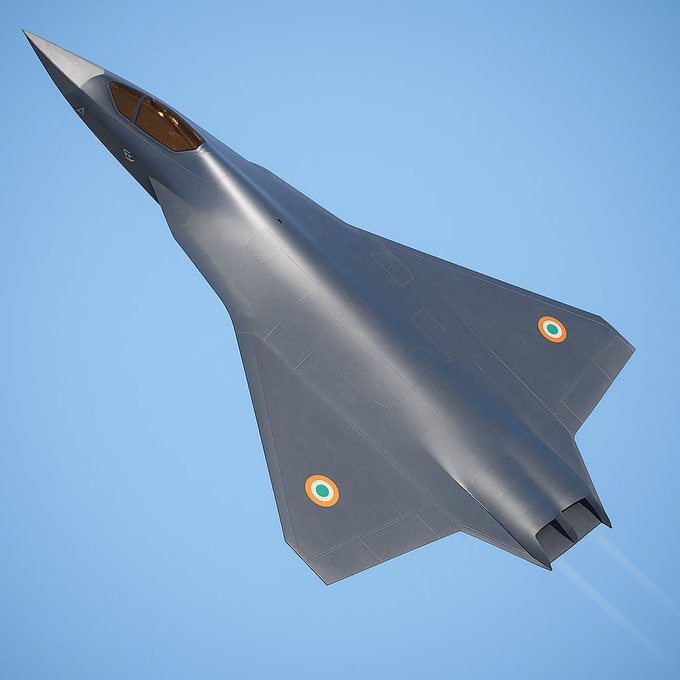
Bellanger’s latest remarks suggest that any such cooperation would have to fit within a framework that preserves France’s control over ACF development. No agreement with India has been announced.
The challenge of going alone
France now faces the task of developing an aircraft originally envisaged as a multinational undertaking without relying on the same industrial and financial arrangements.
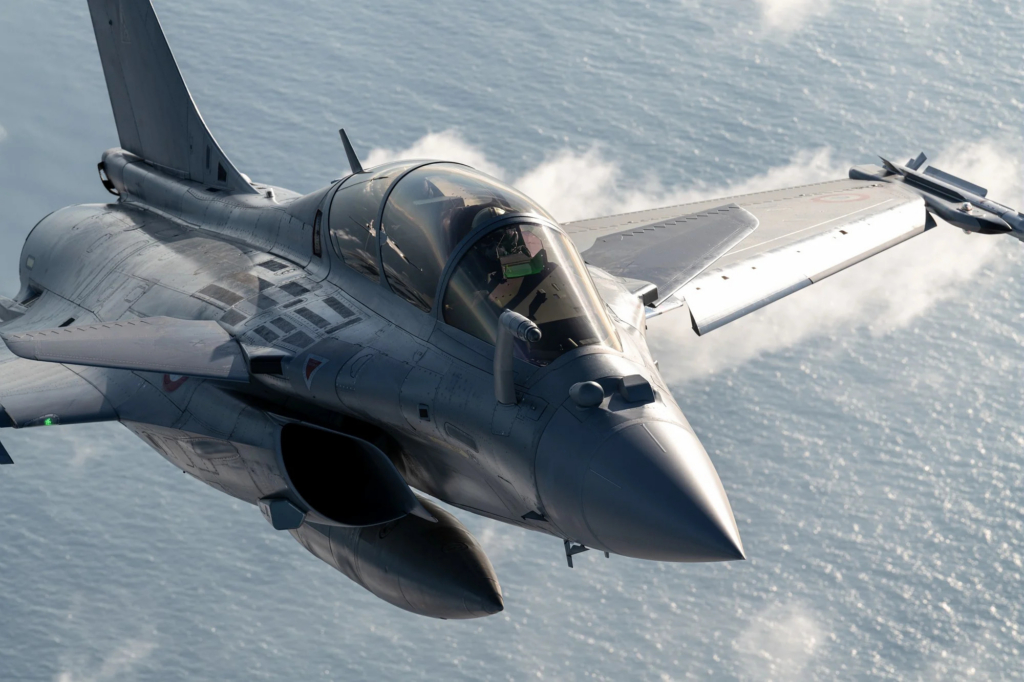
The proposed 2027 defence budget provides for further demonstrator work, while development of an operational aircraft is envisaged from 2029. A demonstrator flight has previously been discussed for around 2031 or 2032, rather than 2027.
The pressure is compounded by demands on France’s existing fighter fleet. Bellanger warned lawmakers that combat aircraft are already being used more than 15% above their planned utilisation rate, while only two new Rafales are expected in 2027 as older Mirage aircraft continue to be withdrawn.
At the end of 2025, the French Air and Space Force operated 184 combat aircraft, comprising 112 Rafales, 50 Mirage 2000Ds and 22 Mirage 2000-5Fs, according to figures reported from the hearing.
The service expects only two new Rafales in 2027 while additional Mirage 2000 aircraft are withdrawn.
Bellanger also highlighted the scale of current commitments. During one period before summer 2026, approximately 80% of the fighter fleet was simultaneously committed to nuclear deterrence exercises, Middle East operations, NATO deployments, training in Côte d’Ivoire and air policing.