


British Airways flight returns to Gatwick after cracked window sparks emergency

4 min read
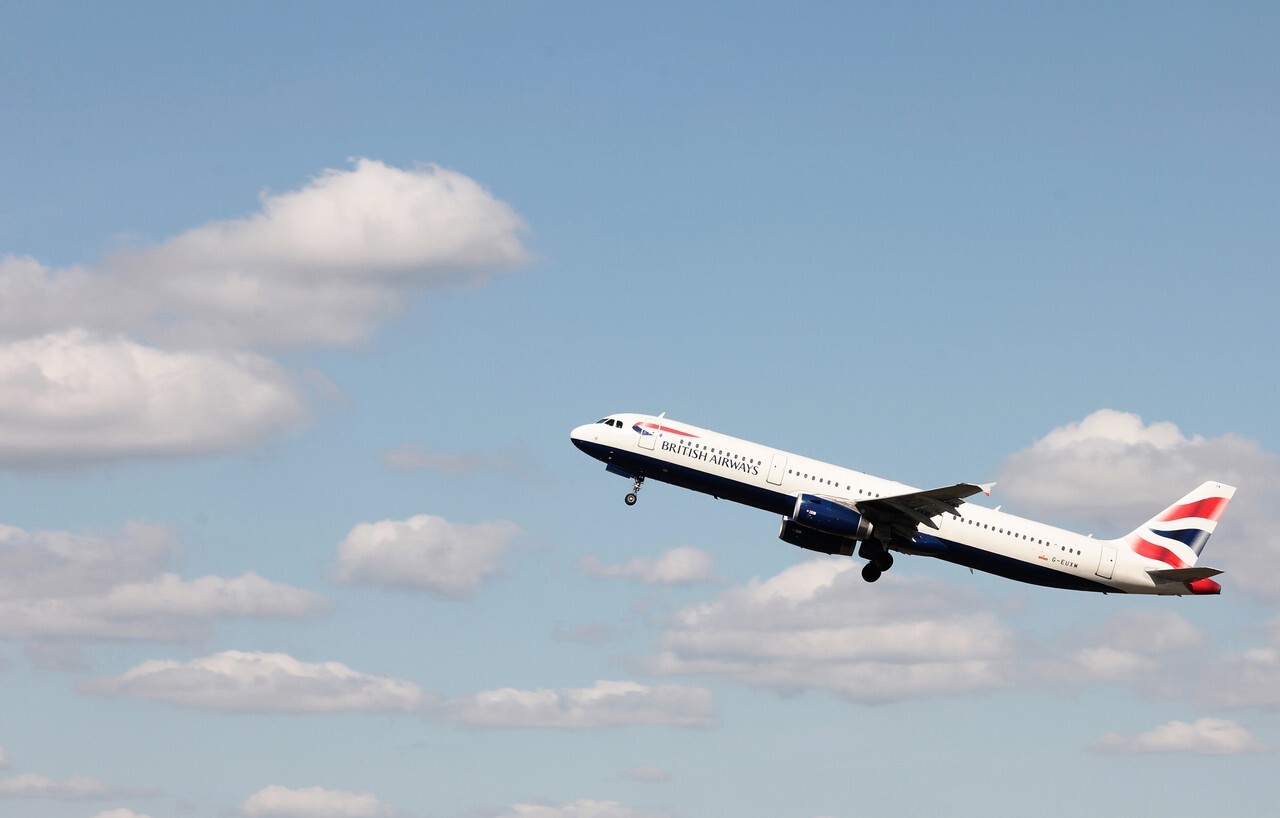
A British Airways Airbus A321 made a precautionary return to London Gatwick on Tuesday (13 October) after crew reported a cracked passenger window during a flight to Portugal.
The incident triggered an emergency declaration and highlighted a challenge faced by flight crews when potential structural damage occurs in the air. Although modern aircraft windows are designed with significant redundancy, pilots must decide whether to continue, divert or turn back before the full extent of any damage can be fully assessed.
Flight BA2660, en route to Faro, departed Gatwick shortly after 9am and turned back roughly an hour into the flight after travelling west across the English Channel towards France, according to flight-tracking data.
What happened onboard Flight BA2660?
The flight crew transmitted the squawk 7700, a standard transponder code used to indicate a general emergency.
British Airways described the incident as a “minor” technical issue. The aircraft landed safely at Gatwick, with the airline saying it was working to help passengers resume their journeys.
The nature and extent of the damage to the passenger window have not been made public. However, a crack in a passenger window does not automatically mean an aircraft is at risk of losing the window or suffering a rapid loss of cabin pressure.
Modern airliner windows are designed with multiple layers and substantial structural redundancy, meaning crews may choose to return before the true severity of any damage is known.
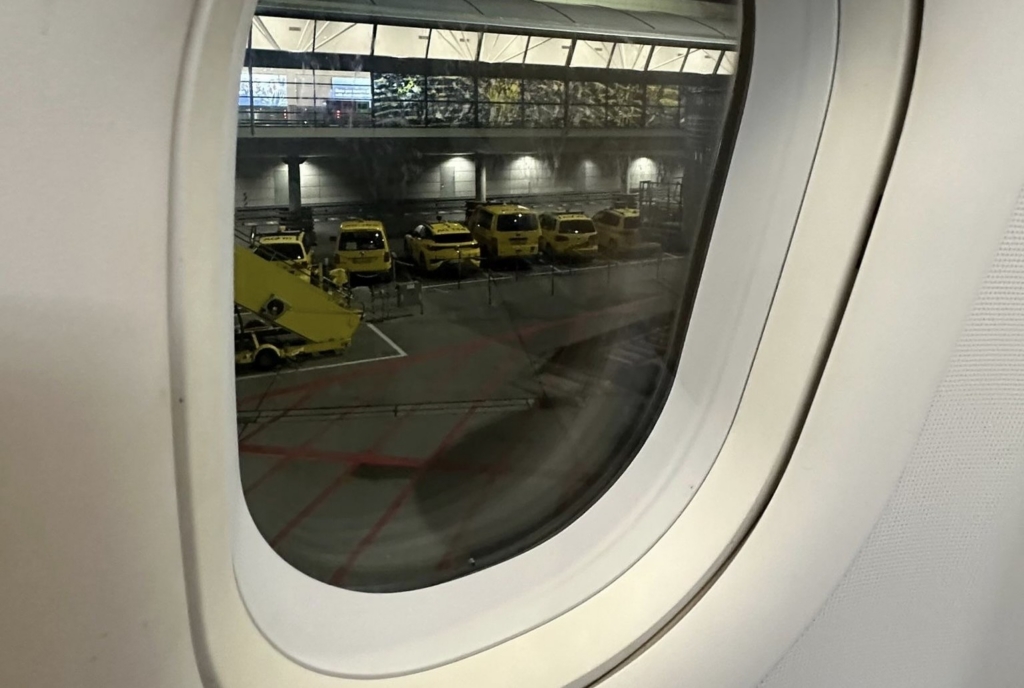
How aircraft windows are designed to withstand damage
Passenger aircraft operate with a pressure difference between the cabin and the outside atmosphere at cruising altitude.
Aircraft windows are therefore engineered to withstand repeated pressurisation cycles, temperature changes and aerodynamic loads – albeit with reduced thresholds compared with flight deck windows.
Aircraft cabin windows typically use multiple layers, with the panes designed to withstand the pressure differential. The construction provides redundancy, although the exact arrangement varies between aircraft types.
Airbus says the passenger windows used in its aircraft are typically composed of one inner and one outer pane made of stretched acrylic contained in a window seal.
An additional transparent lining is present on the cabin side to protect the inner pane from impacts or scratches from the passenger side.
Each window pane can sustain maximum cabin differential pressure
Airbus is explicit that each cabin window pane, meaning both the inner and outer panes, are able to independently sustain the maximum cabin differential pressure usually experienced during a flight. The cabin window assembly is a plug-type structural component.
The outer pane is designed to withstand the pressure loads generated during flight, while a small vent hole in the inner pane allows cabin pressure to equalise in the space between the two panes, preventing the inner pane from being subjected to repeated pressurisation cycles and the associated structural fatigue.
If the outer pane fails in flight, the inner pane is designed to withstand the resulting pressure differential and maintain cabin pressure, potentially allowing the aircraft to continue to its destination. The window assembly can then be replaced once the aircraft is back on the ground.
A crack can have different implications depending on which layer is damaged, its size and location, whether it is spreading and whether there are signs of other structural problems.
Can a cracked aircraft window blow out?
Window failure is possible, as was seen with the recent Ryanair incident.
On 10 July, a Ryanair Boeing 737-800 suffered an uncontained engine failure near Thessaloniki Airport (SKG) in Greece.
There were no major injuries caused to anyone on board, although one passenger was partially sucked out of the aircraft when the window he was sitting next to was damaged by fragments of the engine.
The aircraft managed to make an emergency landing back at Thessaloniki Airport, where passengers disembarked via the aircraft stairs.
When does a cracked window become an emergency?
Whether a cracked window requires flight crew to land as soon as possible depends on the type of damage, its location and other structural issues that may be affecting the aircraft.
Specific aircraft manufacturer and airline maintenance guidance and flight crew and company interpretation of the issue and the possible fix will ultimately determine whether a flight will continue, return or divert.
Providing the aircraft remains controllable and cabin pressure is stable, the situation requires attention but is not critical.
If there is evidence of significant structural failure or decompression, the situation becomes more urgent and the crew will prioritise the safest available landing.
Sign up for our newsletter and get our latest content in your inbox.


More from


October 13, 202612 min read






