Qantas to reconfigure A380 cabins despite planned retirement programme

4 min read
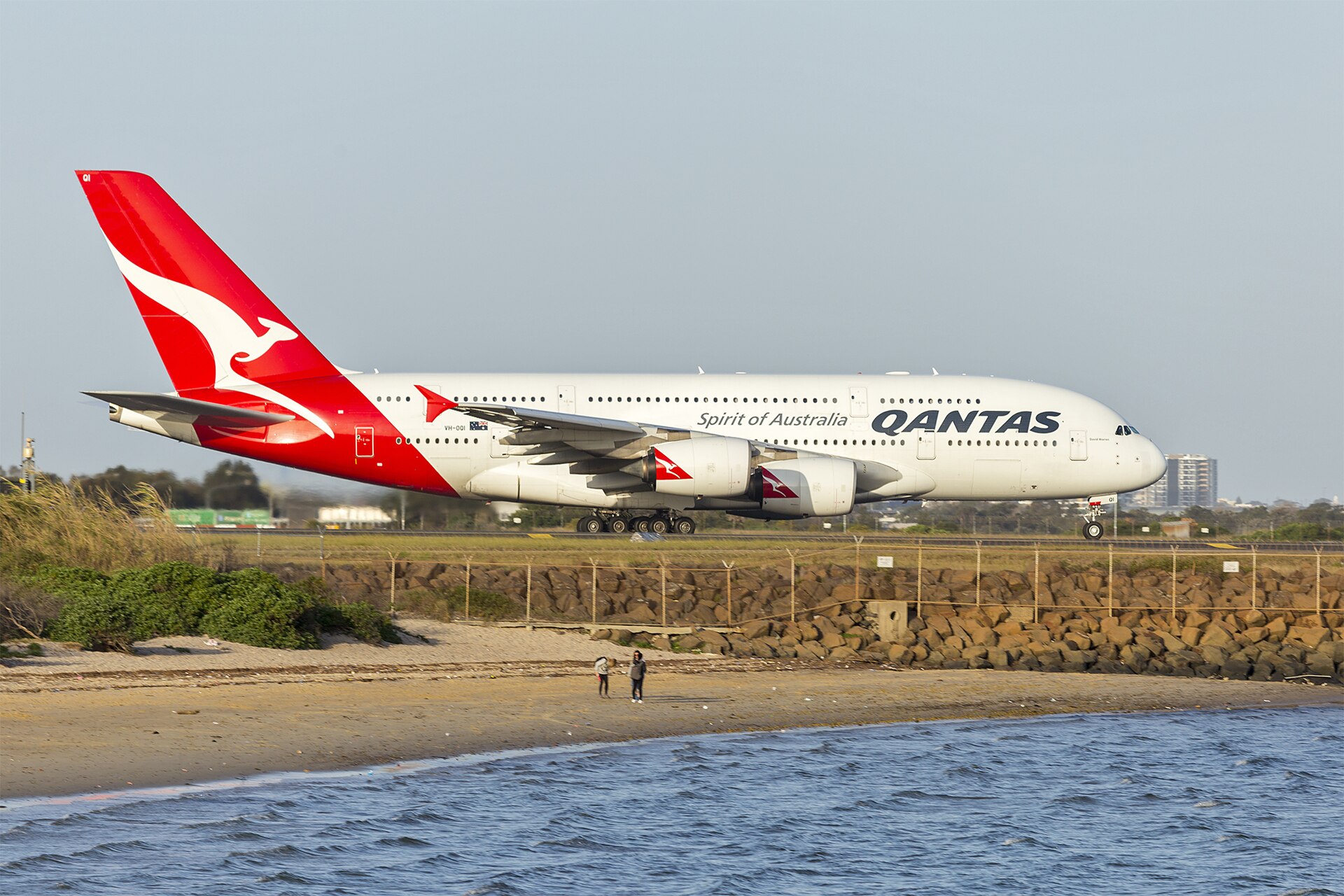
Qantas is reconfiguring its economy cabin on its Airbus A380s to create a new paid extra-legroom section on its superjumbo, even though the airline plans to begin retiring the fleet of double-deckers in 2028.
The Australian flag carrier will introduce its Economy Plus product on the A380 fleet during 2027.
Qantas to remove seats in A380 economy cabin
The introduction of the product could result in some economy seats being removed to create additional legroom, although Qantas has not yet detailed the final cabin layout.
On Qantas’ existing narrowbody aircraft, Economy Plus typically provides about 34in of seat pitch, compared with around 30in in standard economy.
The A380 already offers around 32in in economy, although it is unclear how much seat pitch the new product is expected to provide.
The seats will also come with priority boarding and priority access to the overhead bins.
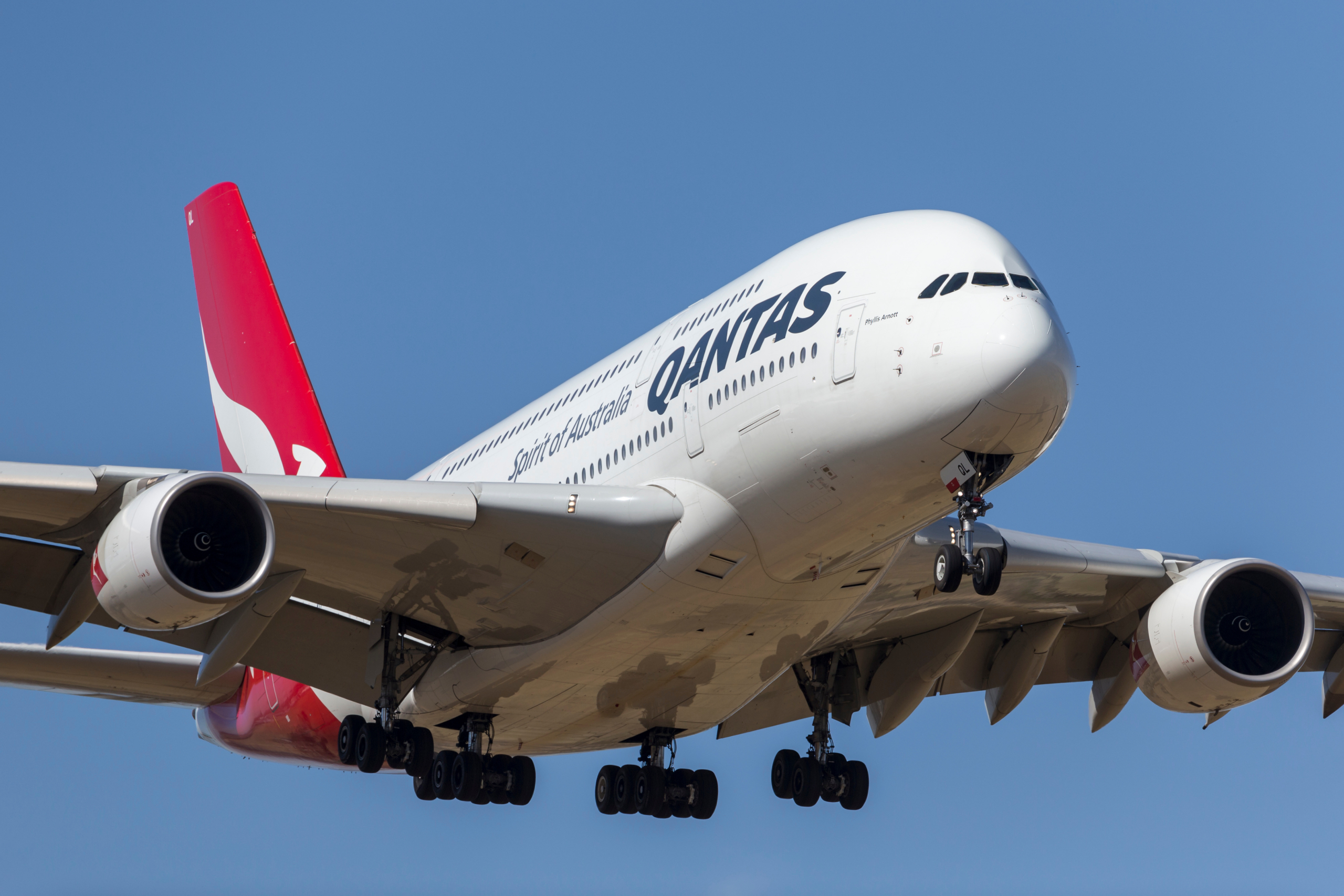
Australian flag carrier brings forward retirement of its superjumbos
Qantas confirmed in its financial year 2026 results that its A380s will be retired sooner than expected.
The carrier has 12 A380s and plans a gradual phase-out from 2028 – four years earlier than planned.
The aircraft will however continue to fly for several more years, beyond 2028, but they will have no long term future in an airline that plans to replace them with A350s and B787s.
The move to refit the cabins will therefore raise questions around why an airline would spend money changing the cabin of an aircraft it is preparing to retire.
However, retirement is not the same as immediate withdrawal, and the superjumbos will continue flying for Qantas for several more years even as the first A380s are withdrawn from service.
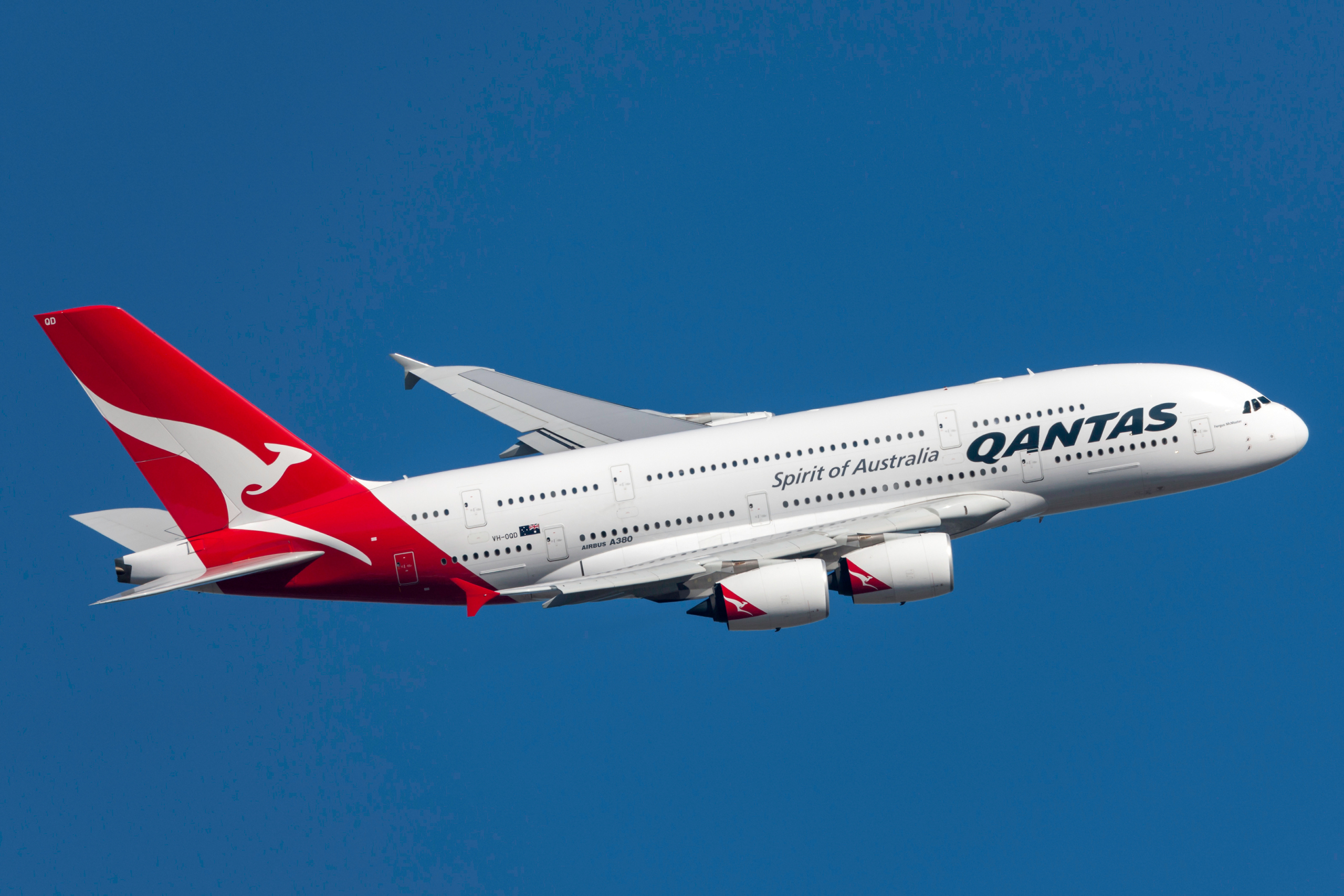
In fact, Qantas has not yet put a date on when the final A380 is likely to touchdown for the last time wearing the red and white Kangaroo livery.
The growing importance of premium cabins
The change is part of a broader shift in airline economics that has pushed companies to install more premium seating onboard their aircraft.
Qantas’ own figures show how important premium traffic has become. Premium cabin revenue at Qantas rose 15% in financial year 2025/26, while premium yields increased 5%. The airline has also reported a 95% premium-cabin load factor on its London service.
The same is true at rival airlines. British Airways, for example, this week revealed a completely redesigned interior for its Airbus A380s, including the world’s largest business-class cabin.
The refurbished British Airways A380 introduces 106 Club Suites, a new First suite and a significantly expanded premium economy cabin as the airline upgrades its flagship long-haul aircraft.
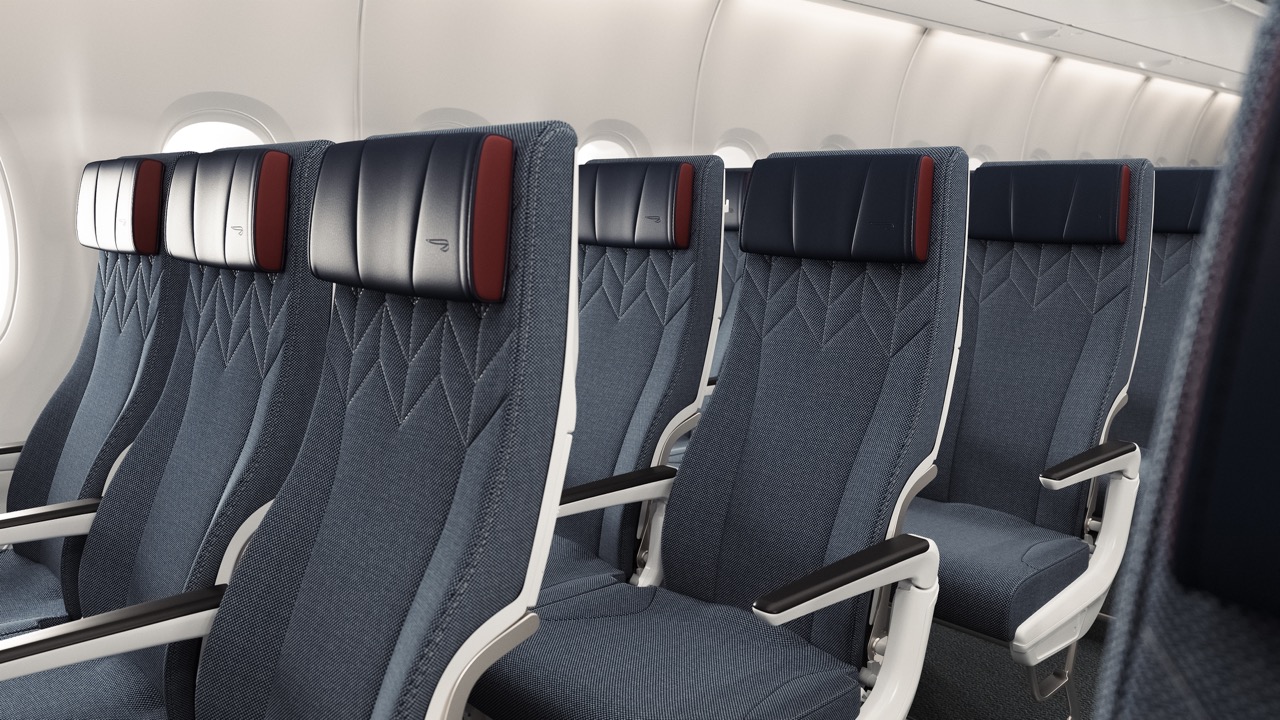
How airlines monetise aircraft seating
Aside from the premium seating, for any airline, extra-legroom seats, seat selection, priority boarding, lounge access and paid upgrades all allow passengers to spend more without taking up more space on board.
Qantas’ Economy Plus means the airline does not need to create a new cabin or install a new seat, with the resulting cost and certification implications that can have.
Qantas has not said how many economy seats will be removed from each aircraft, or how much it will charge for Economy Plus on the A380.
However, on its existing services, the product is sold as a paid option, although some higher-tier frequent flyers receive it as a benefit.
Airbus A380 will remain a feature of Qantas’ fleet for years yet
Qantas’ recently reconfigured A380s already have 14 First suites, 70 Business seats and 60 Premium Economy seats, alongside its economy cabin.
Its current 485-seat configuration represents a 27% increase in premium seating compared with the previous layout, according to Qantas.
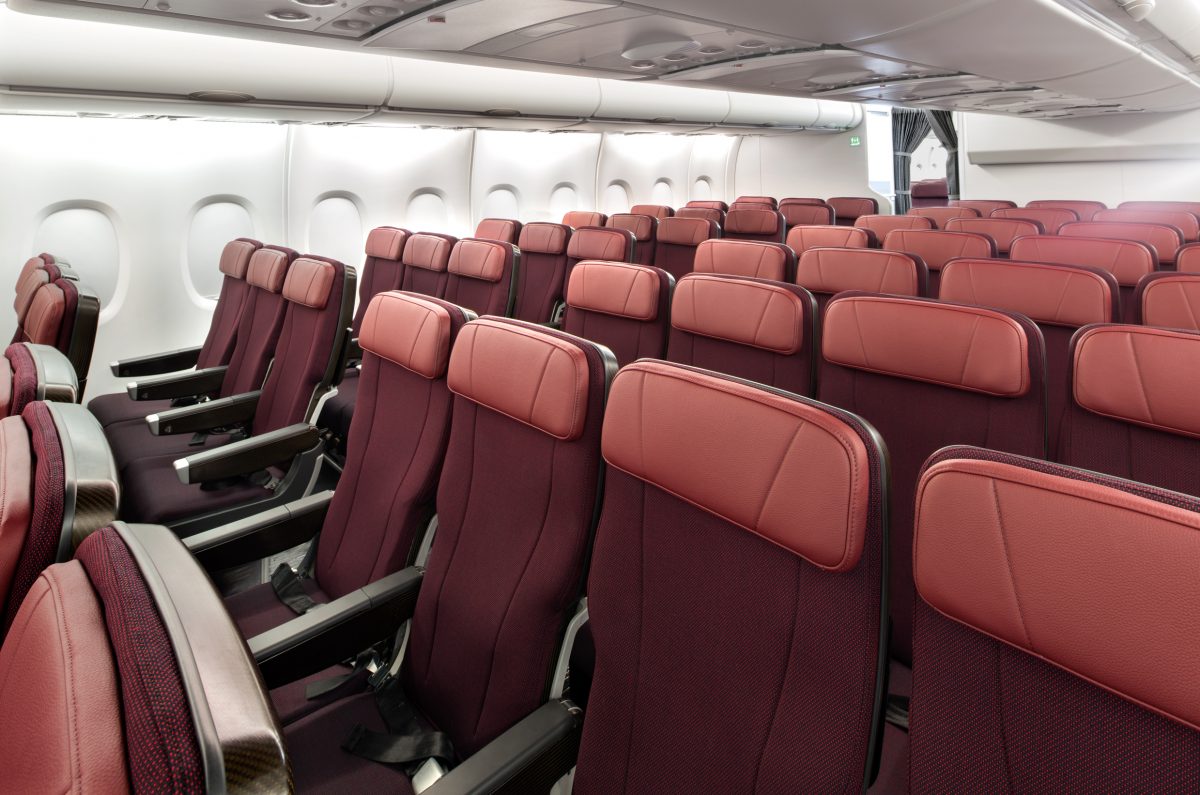
There are now just 341 seats in economy, down by 30, and the introduction of economy plus may alter those figures further.
Qantas has committed to replacing the A380s with newer-generation aircraft, including Boeing 787s and Airbus A350s.
Those aircraft offer greater operating efficiency and the ability to open new routes, while Project Sunrise will introduce the A350-1000ULR on ultra-long-haul services.
For now, the A380 remains a passenger favourite and an important part of the airline’s fleet composition.