End of the superjumbo: Qantas brings A380 retirement forward by four years

2 min read
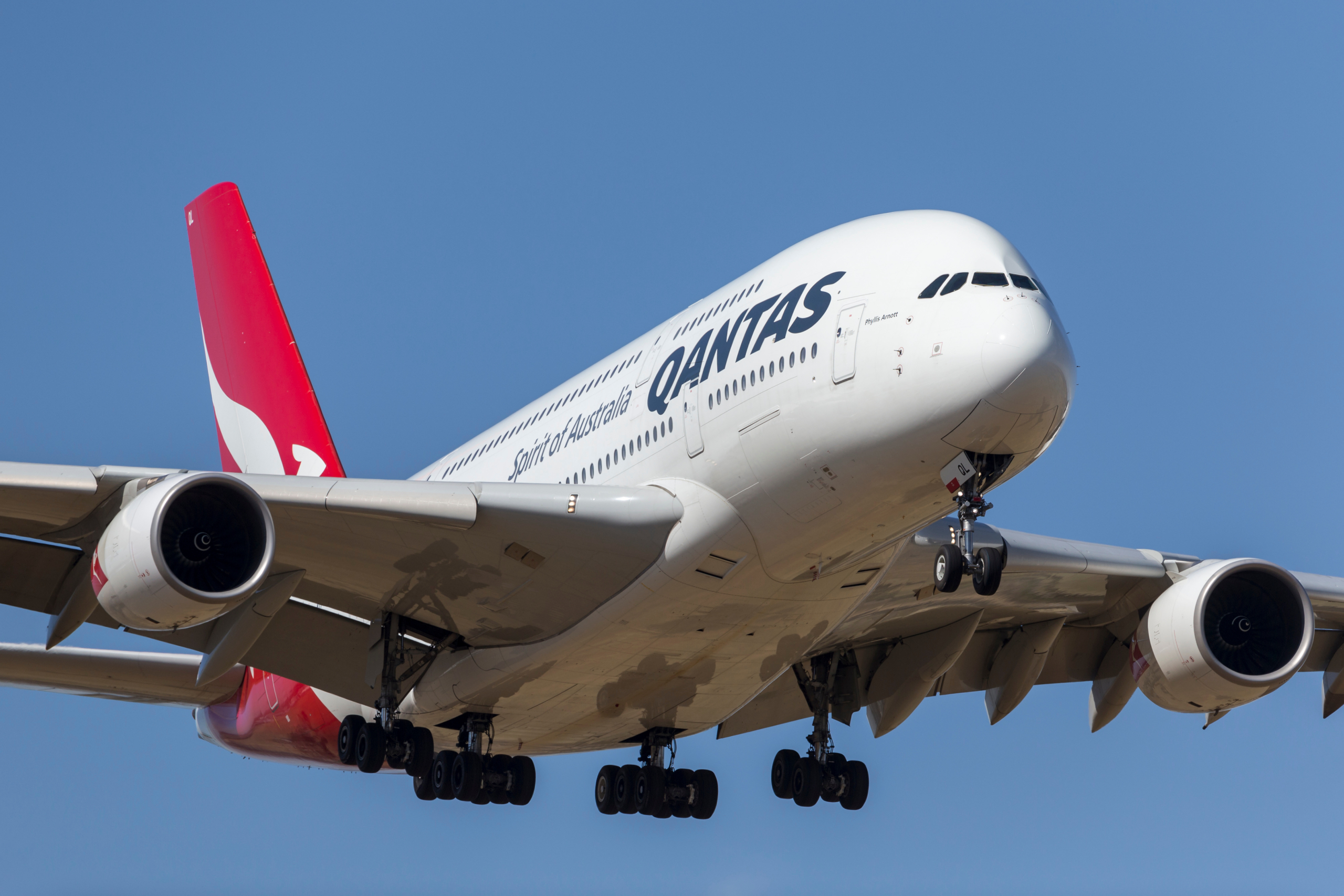
Qantas will begin retiring its Airbus A380 fleet in 2028, four years earlier than previously planned, after concluding that the growing cost and complexity of operating the ageing superjumbo no longer stack up against newer long-haul aircraft.
The Australian flag carrier had previously expected its remaining A380s to continue flying until around 2032. However, the fleet will now be progressively phased out from 2028 as Airbus A350-1000s and additional Boeing 787s enter service.
Qantas currently operates 10 A380s, with the first aircraft reportedly scheduled to leave the fleet in March 2028. The airline has not set a firm date for the final aircraft’s departure, leaving some flexibility if replacement deliveries are delayed or additional capacity is required.
Rising costs hasten Qantas A380 retirement
Qantas Group CEO Vanessa Hudson said the economics of operating the four-engined aircraft would become increasingly difficult as the fleet aged.
“The A380 is an older aircraft, and so the cost of those aircraft over time will increase in terms of maintenance,” Hudson said, adding that disruption costs were also expected to rise.
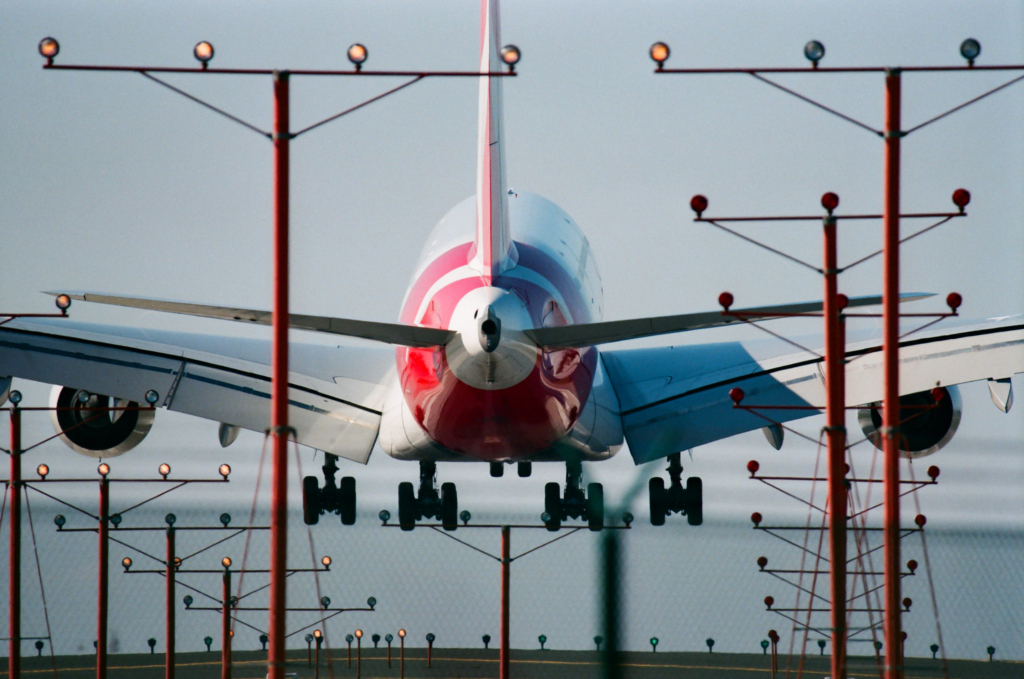
Airbus ended A380 production in 2021, making long-term maintenance and supply-chain support increasingly challenging. Although the aircraft remains popular with passengers, its size and operating costs give Qantas less flexibility than the smaller twin-engined widebodies now entering its fleet.
The A380 retirement will form part of a broader overhaul intended to improve Qantas International’s operating margin to between 10% and 12% from FY32.
A350 and 787 fleet takes shape
Qantas already has firm orders for 24 A350s and 12 additional 787s.
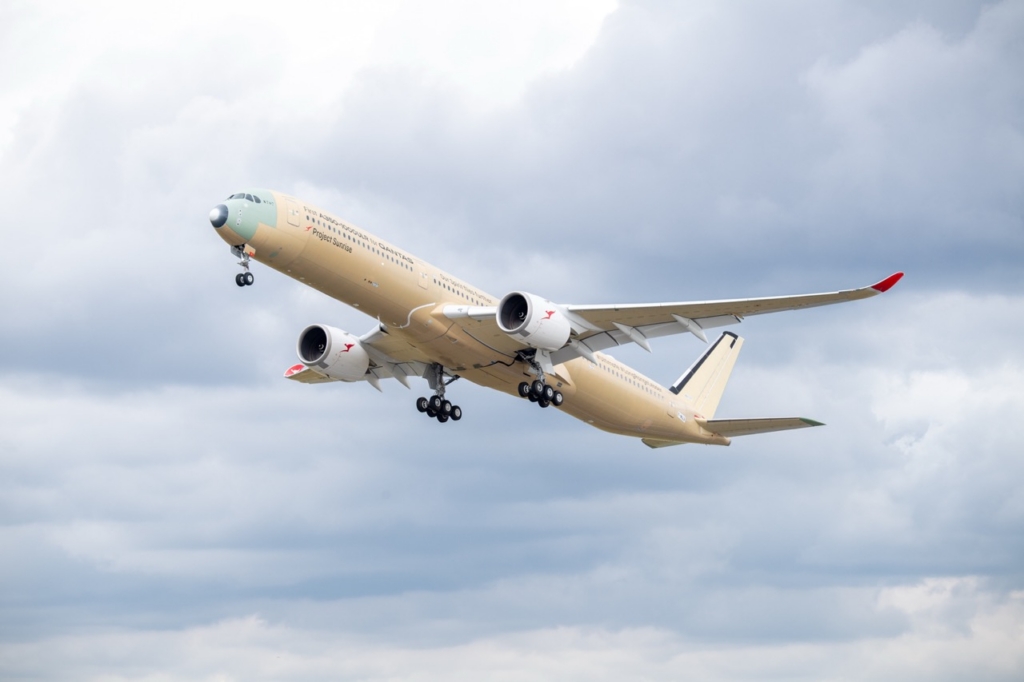
Half of the A350 order comprises specially configured A350-1000ULRs for Project Sunrise, which will allow Qantas to launch nonstop Sydney-London and Sydney-New York services. The first aircraft is due to arrive in April 2027, with the inaugural Sydney-London service planned for October that year.
The remaining 12 A350-1000s and a mix of four 787-9s and eight larger 787-10s will support the wider renewal of the airline’s international fleet.
Qantas is also discussing the conversion of around 20 existing purchase-right options into firm orders with Airbus and Boeing. Those aircraft, potentially comprising further A350s and 787s, would arrive from 2030 to replace retiring capacity and support future growth.
The new aircraft will not match the A380’s capacity on a one-for-one basis, but Qantas says they will be able to operate every route in its current international network while opening destinations beyond the superjumbo’s reach.
Fleet decision overshadows lower Qantas profit
The accelerated retirement was announced alongside Qantas’s FY26 results, which showed underlying pre-tax profit falling 14% to A$2.06 billion (£1.1 billion).
Fuel expenses increased by A$610 million as the Middle East conflict pushed oil prices higher, although strong international demand and hedging helped soften the impact.
The results underline the commercial logic behind the fleet transition. As fuel, maintenance and disruption costs rise, Qantas is choosing the range, efficiency and network flexibility of the A350 and 787 over another decade of operating its superjumbos.