JetBlue wins $58.5m deal for Spirit’s New York slots after failed takeover

3 min read
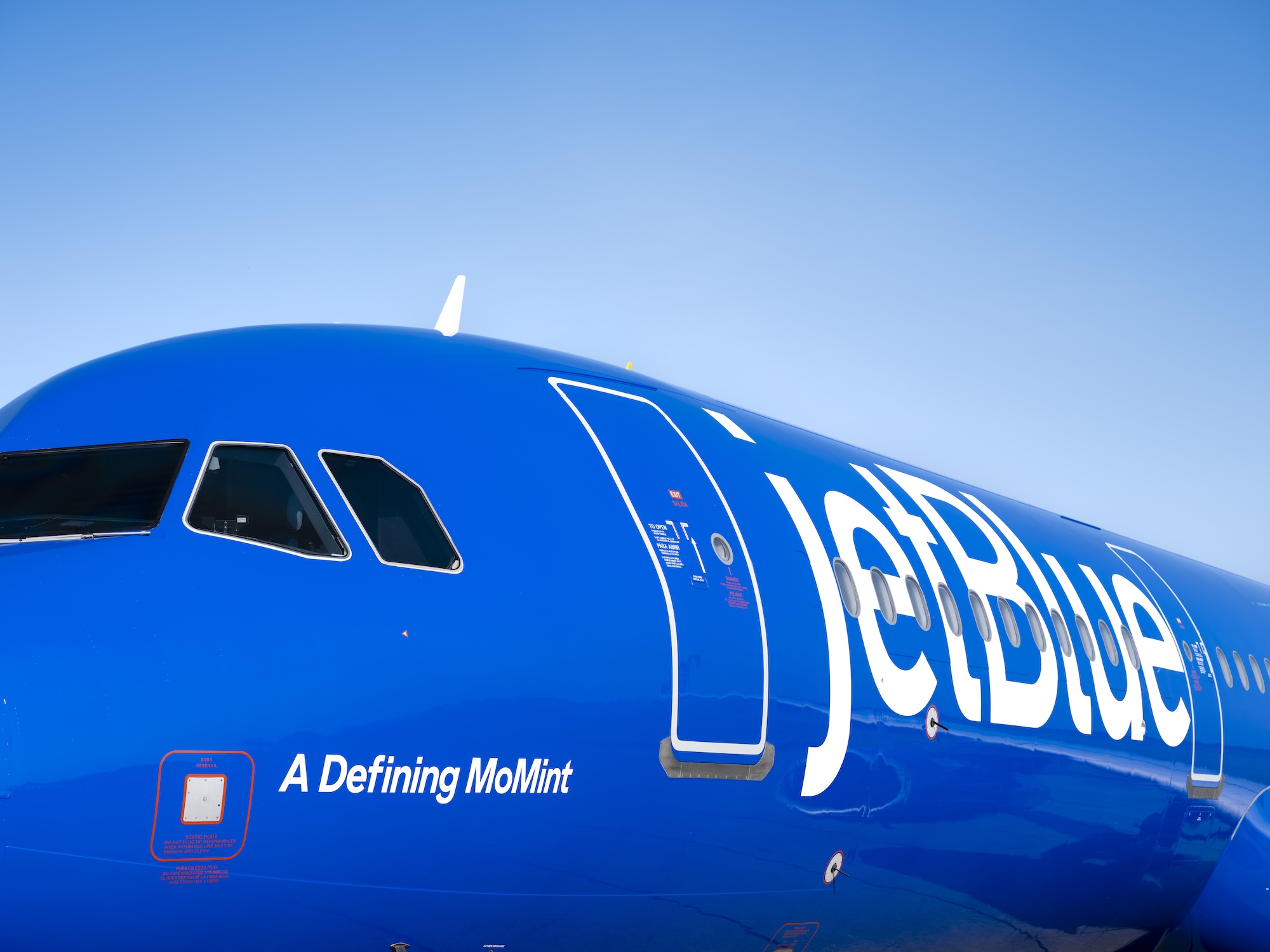
Two years after a US court blocked JetBlue‘s takeover of Spirit Airlines, the carrier has secured 22 of its former rival’s valuable takeoff and landing slots at New York LaGuardia Airport.
The Federal Aviation Administration (FAA) approved JetBlue’s acquisition of 22 takeoff and landing slots at New York’s LaGuardia Airport from the now-defunct Spirit Airlines.
The $58.5 million deal allows JetBlue to expand at one of the United States’ most congested airports, where access to takeoff and landing slots is tightly controlled.
It also marks an unexpected outcome for JetBlue, whose planned $3.8 billion takeover of Spirit was blocked by a federal judge in January 2024 over concerns that eliminating the low-cost airline would reduce competition and increase fares.
Instead of acquiring the entire airline, JetBlue has now secured part of Spirit’s former operations through bankruptcy proceedings.
JetBlue beats Frontier to Spirit’s LaGuardia slots
JetBlue won the slots in a bankruptcy auction in July, offering $58.5 million against a competing $57.5 million bid from Frontier Airlines.
The US Bankruptcy Court for the Southern District of New York approved the transaction on 22 July, subject to regulatory clearance.
Spirit ceased passenger operations on 2 May 2026, leaving its 22 LaGuardia slots unused.
The package consists of 12 daily departure slots and 10 arrival slots, which JetBlue could use to introduce new services or increase frequencies on existing routes.
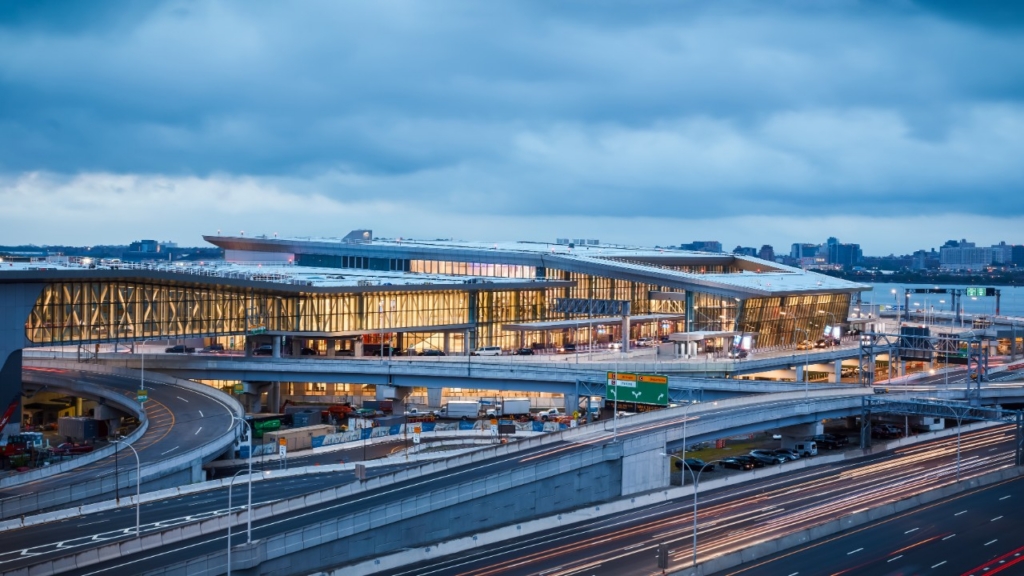
The FAA granted final approval on 6 October, removing the last major regulatory obstacle to the transaction. However, the approval includes restrictions. JetBlue cannot lease or trade the slots to another airline until after April 2028, and any subsequent transfers will remain subject to FAA oversight.
The regulator has also waived minimum-use requirements through April 2027, allowing JetBlue time to incorporate the additional capacity into its schedule.
JetBlue could expand LaGuardia flights from 2027
The acquisition will increase JetBlue’s LaGuardia slot portfolio by approximately 71%, from 31 to 53 operating authorisations.
Its share of the airport’s 1,141 carrier-held slots will rise from around 2.7% to 4.6%, according to the FAA’s regulatory findings.
Despite that increase, JetBlue will remain a relatively small operator at LaGuardia. Delta Air Lines and American Airlines together hold 838 slots, accounting for approximately 73.4% of the airport’s total.
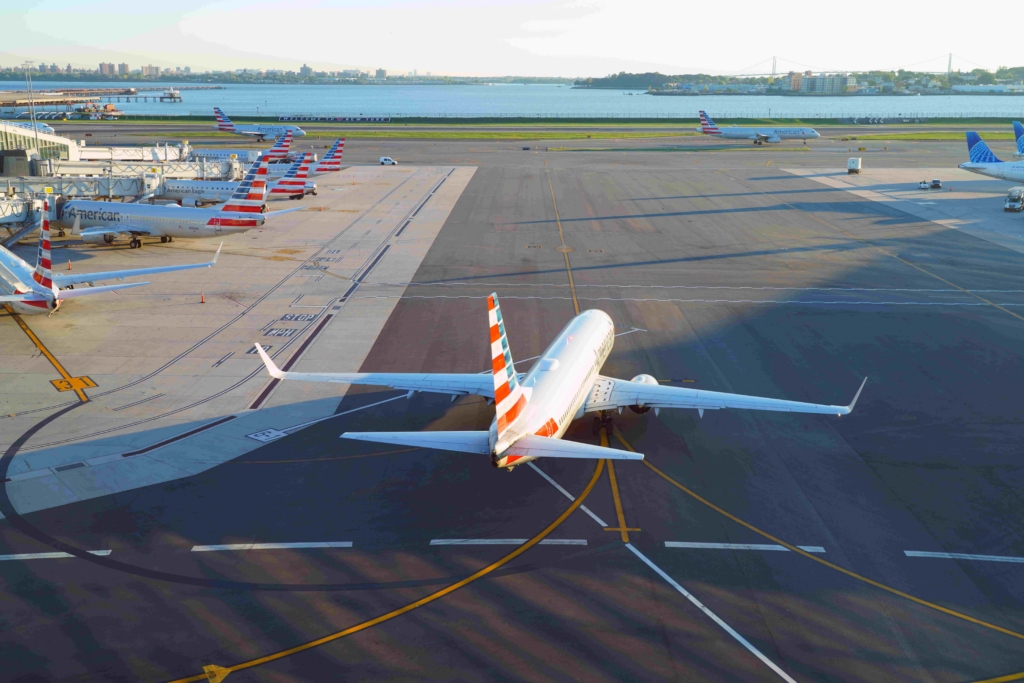
As reported by TravelWeekly, JetBlue said that the acquisition could support up to 12 additional daily round-trip services during 2027. It has yet to announce destinations.
The additional slots could allow JetBlue to improve its competitive position in the New York market, particularly on routes dominated by larger airlines.
LaGuardia’s slot restrictions make it difficult for airlines to expand without acquiring existing operating rights. The FAA recognised that barrier in its assessment of the proposed transaction, concluding that transferring the slots to a smaller incumbent could strengthen competition.
The agency also noted that the transfer would not increase the overall number of permitted aircraft operations at LaGuardia.
Why did regulators approve the slots deal after blocking JetBlue’s merger?
In January 2024, a federal judge ruled against the $3.8 billion merger after the Department of Justice argued that eliminating Spirit would reduce competition and harm price-sensitive passengers.
JetBlue is now acquiring unused airport capacity following Spirit’s closure. In its August 2026 Federal Register notice, the FAA said returning the slots to service under JetBlue’s low-fare business model would benefit passengers. The agency also concluded that strengthening a smaller airline’s presence could increase competition against dominant carriers.
For JetBlue, the approval represents a relatively modest financial investment compared with its abandoned merger, but could provide lasting benefits in its New York home market.