


UK NATS outage: Which airlines are adding extra flights and how stranded passengers can get rebooked

7 min read
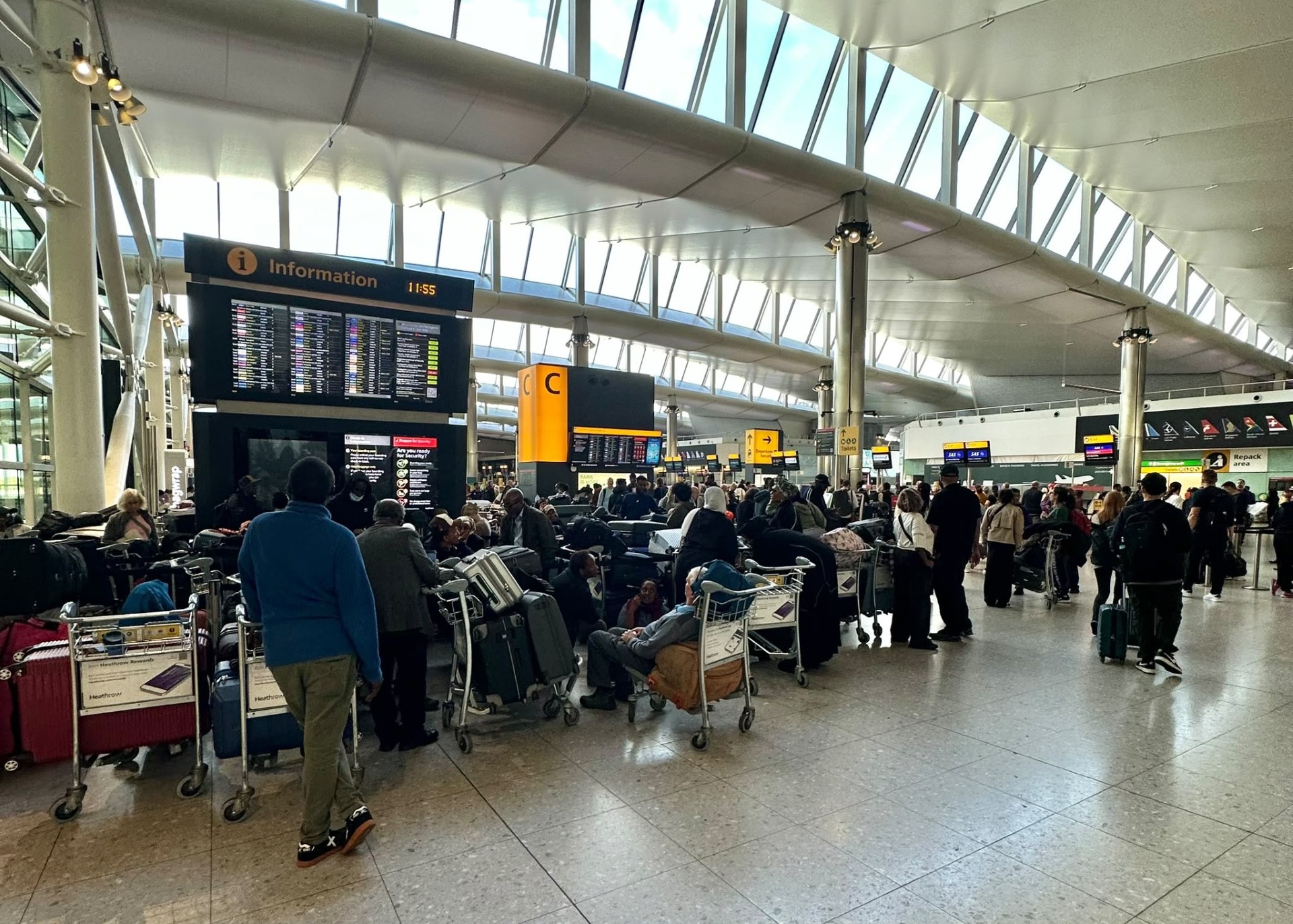
The UK’s air traffic control system is back up and running, but the disruption caused by Tuesday’s NATS failure is far from over.
NATS, which provides air traffic control services at 15 UK airports, said the outage was caused by a technical issue affecting its flight processing system. While the fault has been resolved, airlines are still dealing with aircraft and crews that ended up in the wrong places.
More than 1,300 flights were cancelled across the UK on Tuesday, according to FlightRadar24, with a further 177 cancellations recorded by Wednesday morning.
For passengers still stranded, the big questions are where extra flights are operating, whether seats can be bought and how to get rebooked.
Which airlines are operating extra flights after the NATS outage?
British Airways, easyJet, Ryanair, Jet2 and Wizz Air are among the airlines working through the backlog, while international carriers including KLM, Lufthansa and SWISS are also dealing with disruption.
There is no central network of NATS “rescue flights”. Most airlines are recovering schedules by reinstating cancelled services, adding ad hoc flights, changing aircraft rotations and rebooking passengers onto existing departures.
That can mean adding a new service, restoring a cancelled flight, changing an aircraft rotation or making seats available on an existing scheduled flight.
British Airways worked through the night to create a revised schedule and said it would operate as many flights as possible. However, because so many aircraft and crew were left out of position, the airline said it had to cancel more than 190 flights from its original schedule.
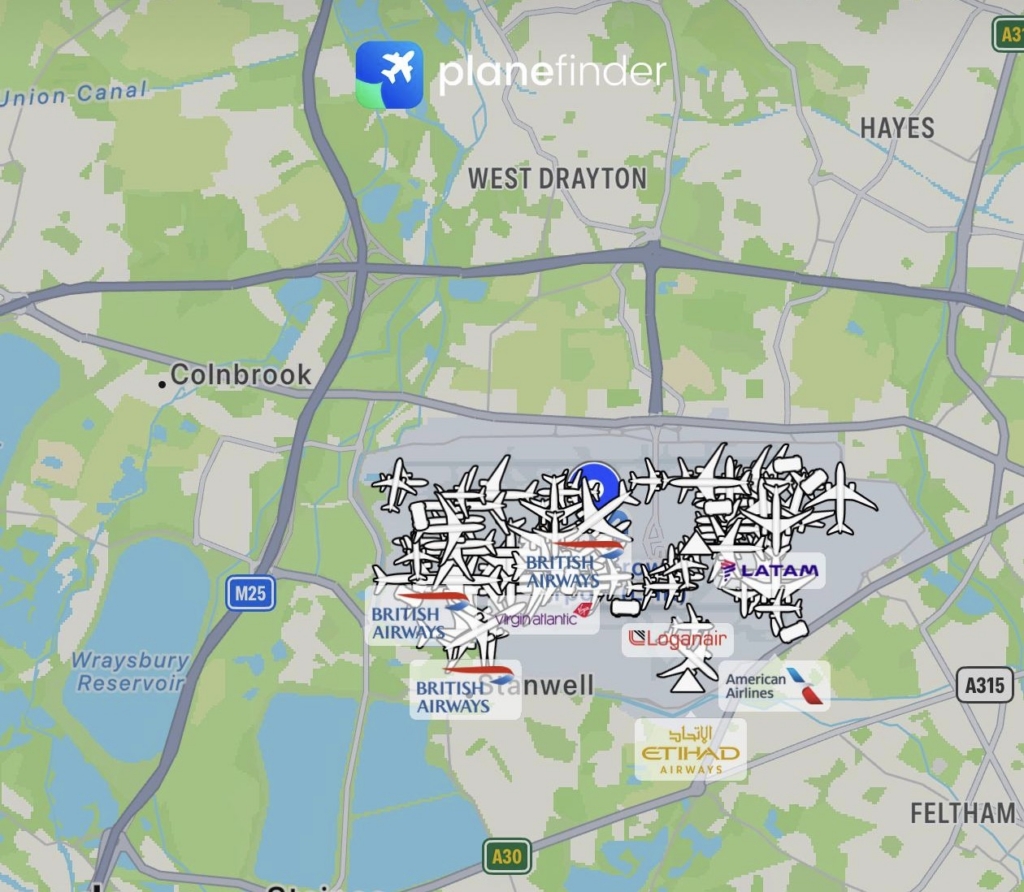
BA said it had also cancelled more than 100 flights on Tuesday afternoon, affecting tens of thousands of customers, and warned of a “significant knock-on impact”.
EasyJet said customers were continuing to experience disruption and that it was doing all it could to minimise the effects. Jet2 said its operations teams were working to keep disruption to a minimum, while TUI warned that some flights were delayed and that airport queues could be longer than usual.
Which UK airports are affected by the recovery operation?
Recovery operations are taking place at major airports including Heathrow, Gatwick, Stansted, Luton, Manchester and Birmingham, as well as regional UK airports.
London City Airport has said: “Flight operations at London City Airport have currently returned to normal after the widespread disruption caused by air traffic control issues yesterday. As a result of the disruption a small number of flights from LCY were cancelled this morning and those customers were informed in advance by the airline.”
However, there is no fixed list of airports being used for rescue flights because the options depend on where aircraft and crews are available and where passengers need to travel.
That means passengers may be offered a flight from a different airport from the one on their original booking.
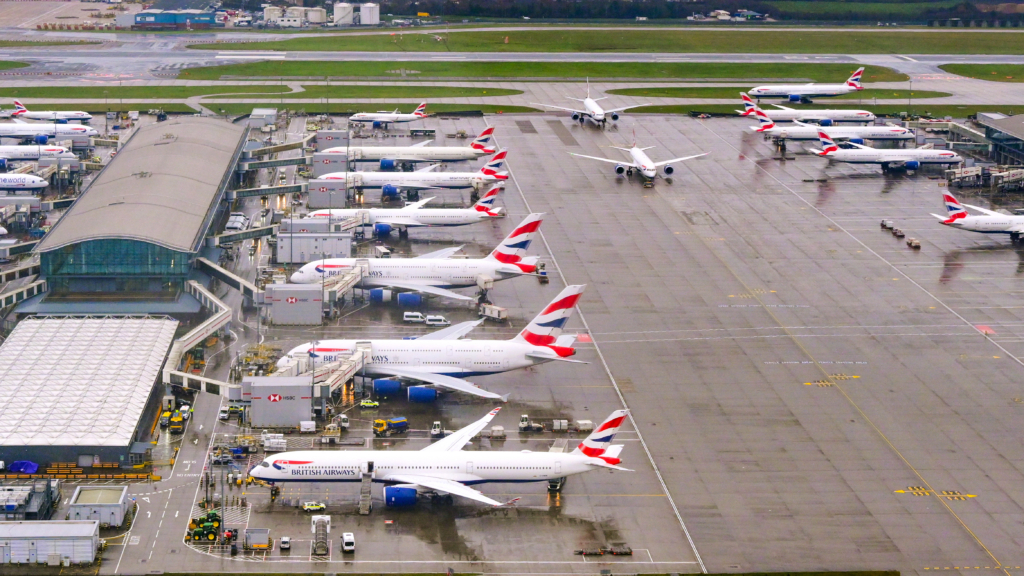
The same applies to destinations. A passenger might be offered a direct flight, a connection or an arrival at another airport close to their original destination.
For airlines like Jet2, which operates from several UK airports to destinations including Spain, Portugal, Greece, Turkey and Cyprus, recovery capacity will depend on where aircraft are available and which routes need it most.
What flights are available today and tomorrow?
There is no reliable fixed list of available rescue flights. Seats can appear and disappear quickly as airlines rebuild their schedules.
A flight showing as available in the morning may be sold or allocated to a disrupted passenger by the afternoon. Equally, an airline could find an aircraft and crew and add another service later in the day.
Passengers travelling today or tomorrow should therefore check their airline’s live booking system and flight-status information before travelling.
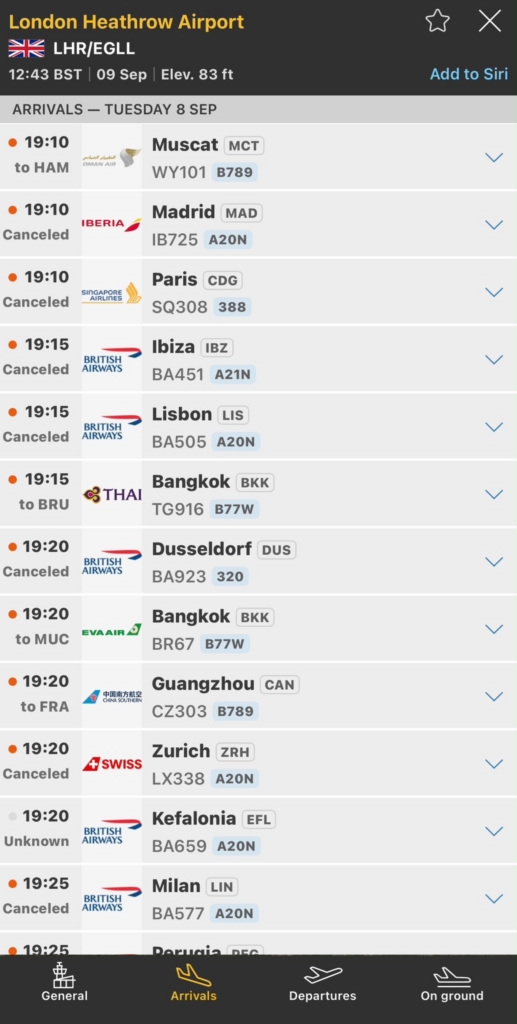
Being flexible will increase the chances of getting home. That could mean departing from another UK airport, taking a connecting flight, arriving at a different destination airport or travelling a day later.
How do stranded passengers get rebooked?
The best place to start is with the airline on the original booking. Ask for the earliest available alternative and be prepared to consider different airports, connections or travel dates.
It is also worth checking the airline’s website independently, as new seats may appear there while disruption teams are working through the backlog.
However, passengers should not head to the airport simply because they have found an available seat online. The replacement booking should be confirmed first.
Can anyone book the extra flights?
Generally yes, if the flight is being sold as a normal commercial service. But airlines may also hold seats for passengers whose original flights were cancelled.
This means a flight can appear to have seats available while some of that capacity is actually being kept for passengers already affected by the disruption.
Passengers with cancelled bookings should contact their original airline before buying a new ticket. The airline may be able to rebook them without the cost of starting a completely new journey.
Can I claim compensation for a cancelled flight after the NATS outage?
Maybe, but compensation isn’t automatic.
The disruption was caused by a technical failure within the UK air traffic control system, rather than it being a problem with an individual airline. This could mean airlines argue that the cancellation was caused by an “extraordinary circumstance” outside their control – and as such, standard compensation payments may not apply.
What are my rights if my flight is cancelled?
However, airlines still have a responsibility to look after passengers whose journeys have been disrupted. If you have to pay for things like meals, hotels or transport while waiting for a replacement flight, the advice is to keep all your receipts and check with your airline about what costs can be reimbursed.
The Civil Aviation Authority states: “If your flight is delayed, and UK261 applies to it, your airline must look after you while you are delayed.
“This includes providing you with food and drink based on how long your delay is, and accommodation if you are delayed overnight.”
Are fares available or are seats being used for rebooking?
Both. Some recovery services will operate as normal commercial flights, with seats available to buy. At the same time, airlines are using spare capacity to rebook customers whose flights were cancelled.
There is no central pool of NATS rescue seats. Airlines decide how their available capacity is allocated, so a seat may be offered for sale, held for a disrupted passenger or released for general sale later.
For passengers already affected, buying a completely new ticket should therefore not be the first option.
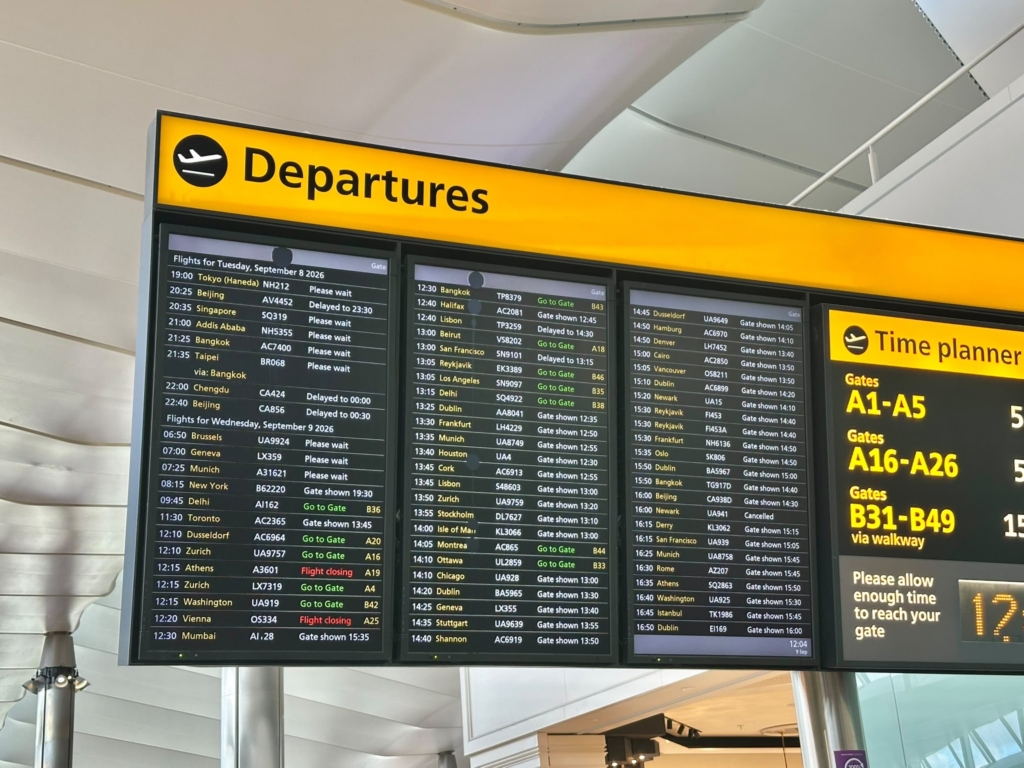
Which airlines have added the most capacity?
It is too early to say which airline has added the most recovery capacity.
According to data from Cirium, its 5am figures showed that British Airways recorded 225 cancellations on Tuesday, easyJet 219, Ryanair 105, Jet2 37 and Loganair 28. Ryanair said more than 65,000 of its passengers were affected by cancellations and delays of up to eight hours.
Those numbers show the scale of the initial disruption, not how many additional seats each airline has subsequently provided.
A carrier can recover without adding large numbers of new flights by changing aircraft rotations and moving planes and crews around its network.
What aircraft are being deployed and how are schedules being rebuilt?
Airlines are mainly using aircraft already in their fleets rather than bringing in a separate emergency fleet.
The immediate challenge is working out where those aircraft and their crews have ended up. Some aircraft may have been diverted or left at airports where they were not originally scheduled to finish.
Airlines can move aircraft between airports and bases, alter their rotations and, where necessary, operate repositioning flights without passengers. Crews can also be moved by road or on other flights, but pilots and cabin crew have strict working and rest limits.
That makes recovery more complicated than simply finding an available aircraft. The airline needs the right aircraft, at the right airport, with a legally available crew.
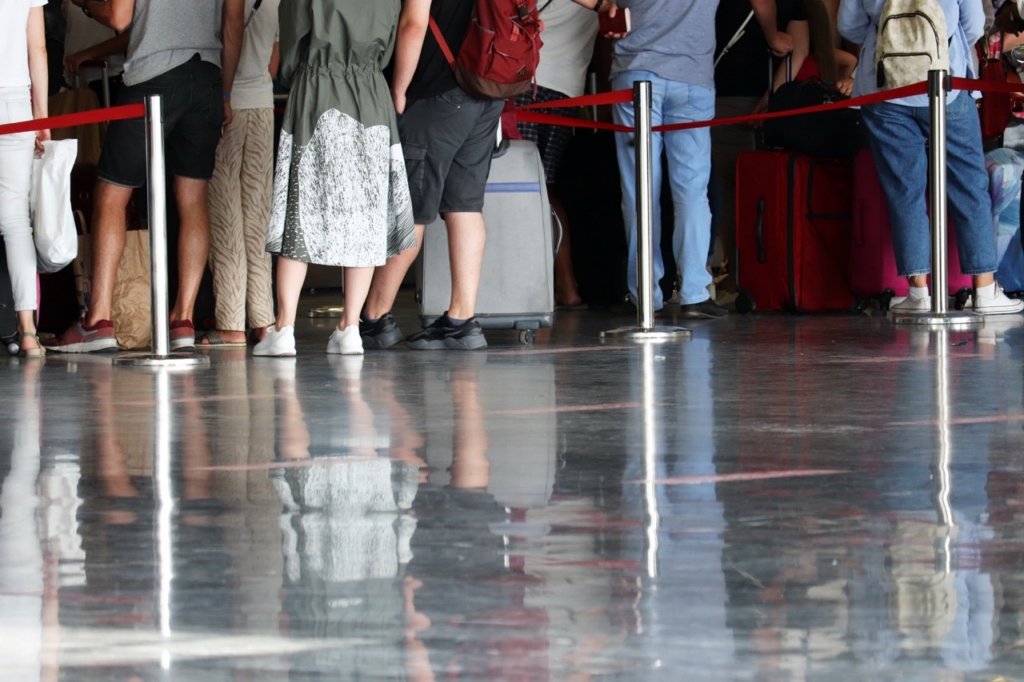
When will UK flights return to normal?
Some routes will recover quickly, while others may continue to experience delays or cancellations as airlines rebuild their schedules.
The NATS fault may be fixed, but the network still has to recover from the disruption it caused.
For passengers travelling today or tomorrow, the airline’s latest information is the best guide. The flight that eventually gets a stranded passenger home could simply be the next scheduled flight with a spare seat.


