


Czech Narwhal strike system wins NATO challenge aimed at keeping enemy airfields out of action

5 min read
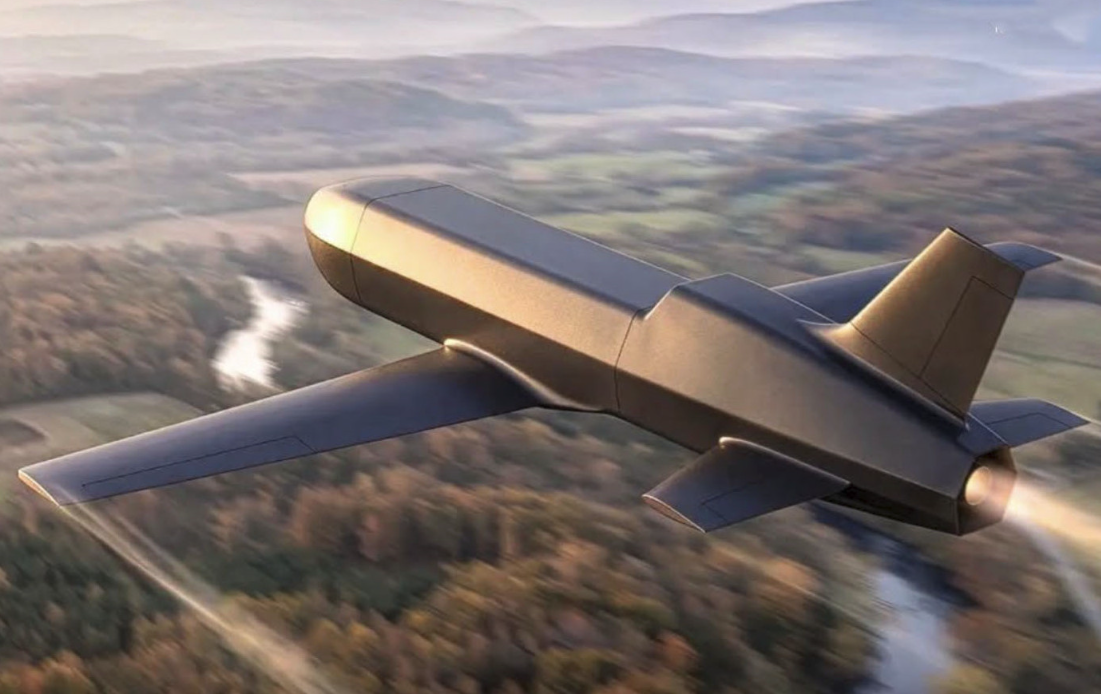
A Czech long-range strike system built around the Narwhal cruise missile has won a NATO competition seeking new ways to keep enemy airbases out of action, beating concepts based on high-altitude balloons and artificial intelligence in a challenge shaped by lessons from the war in Ukraine.
LPP Holding took first place in NATO’s 19th Innovation Challenge in Warsaw with a family of autonomous strike platforms designed to operate without GPS and in heavily jammed environments.
Poland’s Supercluster finished second with StratoAIM, which uses high-altitude balloons to deploy autonomous gliders, while third place went to an unnamed Ukrainian company offering AI-based autonomy for uncrewed aircraft.
The competition was not simply looking for another weapon capable of hitting a runway. NATO set a harder problem: how to stop an airfield functioning for an extended period.
Runways can be repaired, aircraft dispersed and fuel or ammunition moved. A strike may close a base temporarily, only for flying operations to resume. NATO therefore asked entrants for affordable, scalable systems capable of repeatedly disrupting the network of runways, fuel, maintenance, munitions, air defence and support facilities that allows an airbase to operate.
Nine finalist teams presented their proposals to Allied Command Transformation and the NATO-Ukraine Joint Analysis, Training and Education Centre, or JATEC. Ukrainian specialists helped define the problem and assess how the proposed systems might perform under battlefield conditions.
“All presenting companies demonstrated their ability to develop and deliver viable solutions in short-term. What distinguished the strongest options was not novelty alone, but their ability to deliver the required operational effect under realistic battlefield conditions. The judges looked for resilient and scalable approaches with a credible path from demonstration to rapid fielding,” said Matej Machacek, ACT Force Lethality Enhancement Analyst and Innovation Challenge Judge.
Narwhal combines long range with navigation designed to work without GPS
The most recognisable part of LPP’s winning proposal is Narwhal, the first Czech-developed cruise missile, which has recently completed testing.
The ground-launched missile is four metres long and uses a Czech-developed jet engine. It flies at low altitude at a subsonic speed of around 750km/h.
LPP has developed different payload and range combinations. The Narwhal can carry up to 120kg of explosives over 680km, while a lighter configuration carrying 40kg extends its range to around 730km. The company is also developing two heavier versions intended to carry warheads weighing up to 200kg.
Its navigation system is particularly relevant to NATO’s challenge. Narwhal uses visual navigation and terrain tracking, allowing it to navigate without relying continuously on GPS and making it more resistant to electronic warfare.
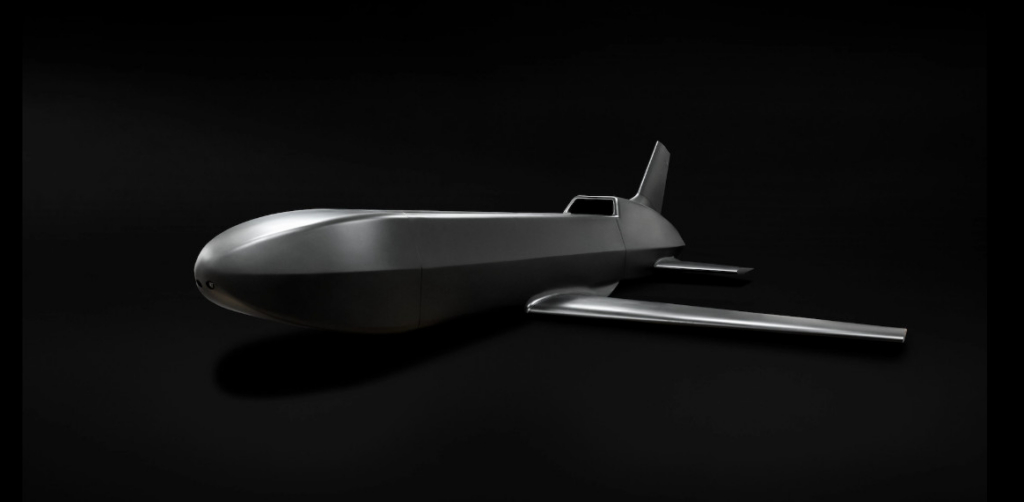
The missile was on public display before the NATO result, giving a clearer picture of a system that had previously remained largely a development programme.
But LPP did not win with Narwhal alone.
Its proposal combines the missile with autonomous uncrewed systems intended to attack an airbase in stages. Lower-cost MTS-40C strike drones would be used in numbers to put pressure on or saturate air defences. Narwhal missiles could then be directed against higher-value targets such as aircraft, ammunition storage and other airfield infrastructure.
LPP also offers the Nightray, a gliding uncrewed aircraft incorporating low-observable features and the same visual navigation approach. The company told Czech news outlet iDNES that hundreds of its MTS uncrewed aircraft have already been supplied to Ukraine.
Martina Tauberova of LPP told iDNES that NATO needed deep-strike capabilities able to withstand jamming while being available in greater numbers than conventional missiles, with capability, resilience and cost effectiveness central to the requirement.
A balloon-launched glider took second place
The runner-up approached the same problem very differently.
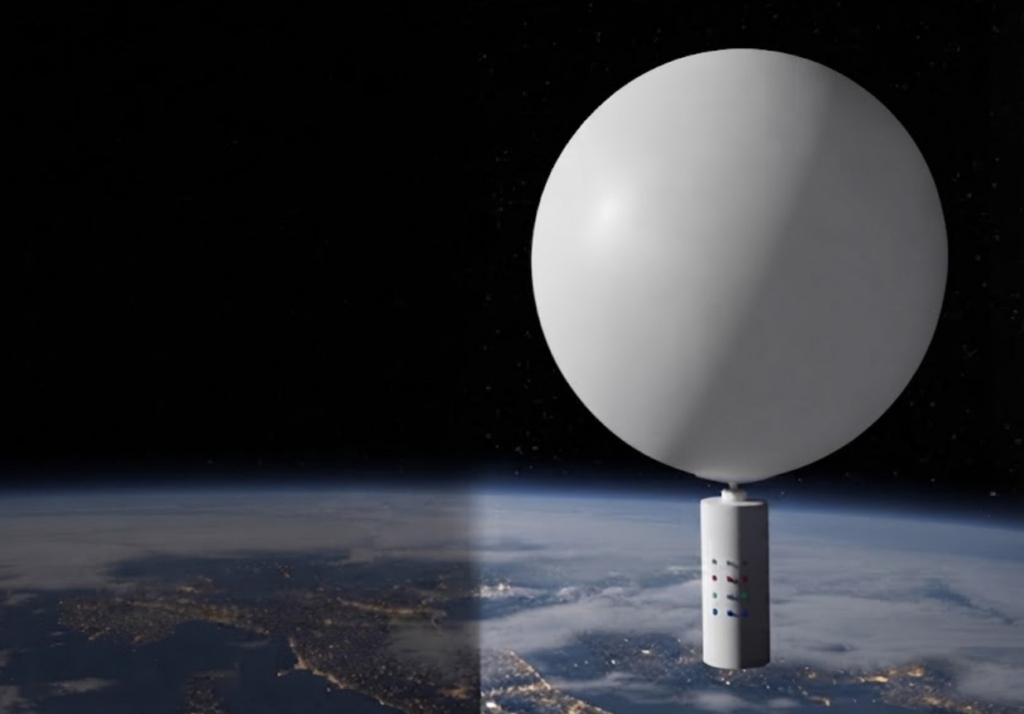
Polish team Supercluster’s StratoAIM uses high-altitude balloons to position autonomous gliding systems for long-range missions. NATO described the concept as a low-cost and scalable way of holding distant targets at risk without depending on conventional launch infrastructure.
That matters because NATO was deliberately looking beyond conventional cruise missiles. Some finalists proposed large numbers of inexpensive uncrewed systems; others concentrated on endurance or range. Several distributed tasks among multiple vehicles rather than relying on one platform to produce the required effect.
“ACT’s role is to turn operational demand into action, bringing problem owners and innovators together, accelerating credible technologies through NATO-relevant testing and experimentation, and creating a rapid path from promising concept to fieldable capability,” said Brigadier General Gaugers Sandris, ACT Assistant Chief of Staff for Multi-Domain Force Development.
The third-place Ukrainian entrant concentrated on software rather than a particular air vehicle.
NATO has not identified the company. Its proposal uses AI-based autonomy for uncrewed aircraft, combining resilient navigation and target recognition with the ability to integrate the technology across different platforms.
Across the competition, autonomy was intended to allow systems to continue operating when satellite navigation or communications were disrupted. NATO said human control nevertheless remained part of the concepts presented.
Ukraine helped NATO define the problem competitors had to solve
The Innovation Challenge is run by Allied Command Transformation as a route for operational requirements to reach companies, universities and smaller technology teams outside the traditional defence industry.
For the latest round, ACT worked with JATEC, NATO’s first jointly staffed NATO-Ukraine organisation. Ukrainian specialists were involved in defining the challenge and judging whether proposed systems could survive the electronic warfare, disrupted communications and other conditions encountered in Ukraine.
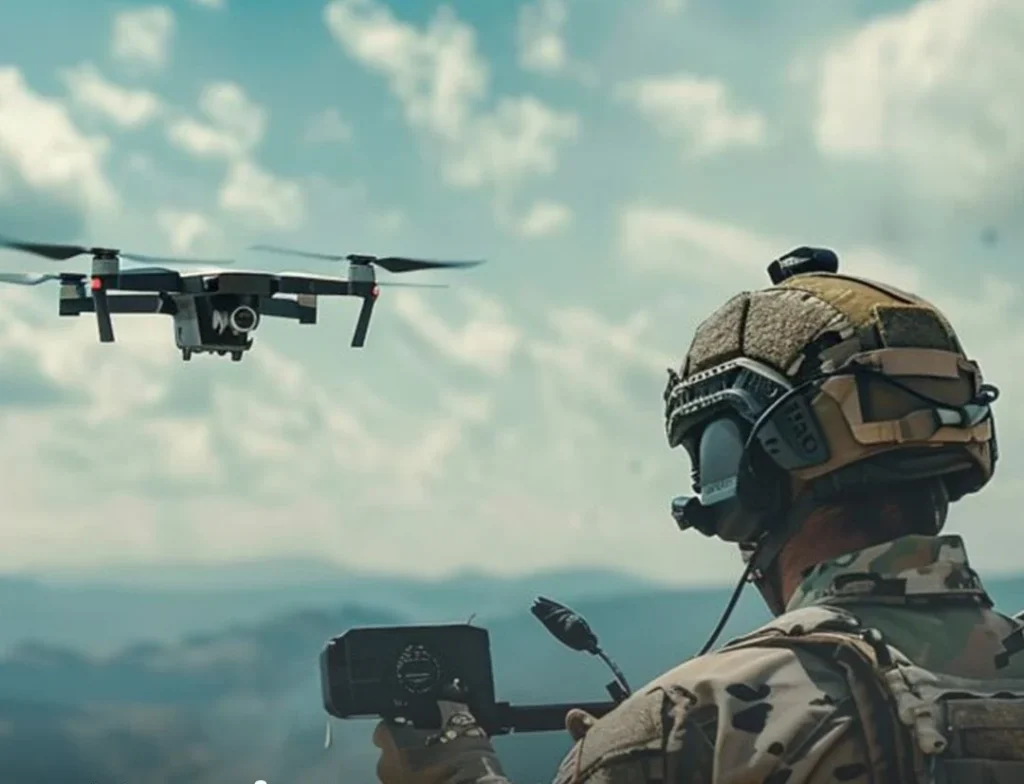
“The lessons emerging from the war against Ukraine remind us that innovation cannot wait for tomorrow,” JATEC commander Major General Christian Brejner Ishoj said. “We must learn from today’s battlefield, adapt rapidly, and turn those lessons into practical solutions.”
Entrants were judged not only on technical performance but also affordability, scalability, resilience and how quickly a system could reach operational users. NATO said some finalists had already undergone testing or operational use connected with Ukraine, while others still required further integration and experimentation.
The Czech system could now move further through that process. Winning teams may receive funding and enter additional development, experimentation and NATO testing, with JATEC remaining involved as concepts are assessed under operationally relevant conditions.
For LPP, the NATO result comes as it prepares Narwhal and its uncrewed systems for potential production. Tauberova told iDNES that the company could begin large-scale manufacturing relatively quickly and was prepared to invest abroad through partnerships if orders emerged outside the Czech Republic.
“Winning the NATO Innovation Challenge is a huge appreciation of the work of the entire LPP team,” she told iDNES, adding that it showed the company could develop and deploy technologies quickly with potential relevance to Europe’s defence.


