


Fatal Greek F-4 Phantom airshow crash raises questions about retirement timeline

3 min read
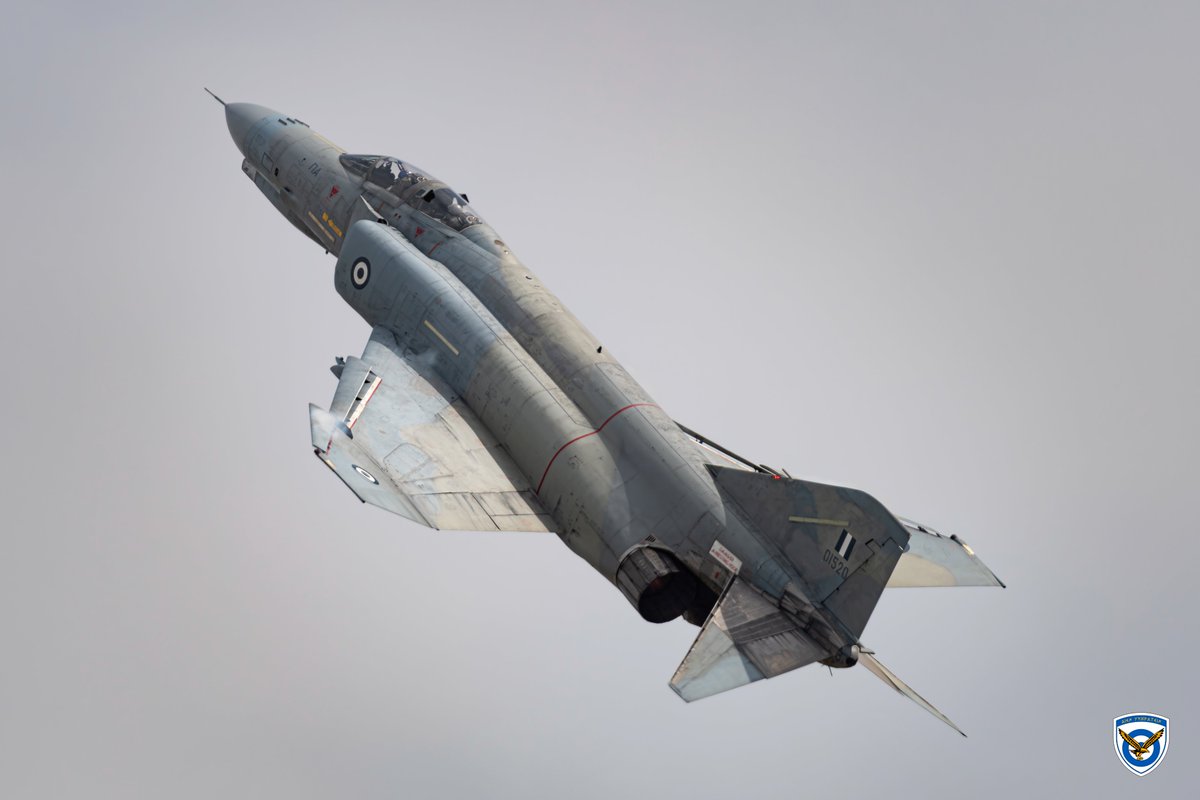
A rare operational Greek F-4E Phantom II crashed over the weekend, killing its two crew. The incident is likely to prompt renewed discussion about the future of the ageing aircraft and the timeline for retiring the type from the Hellenic (Greek) Air Force service.
Greek F-4 Phantom crashes at airshow
On 5 September, a two-seat Greek F-4 Phantom fighter jet crashed at an air show at Tanagra Air Base, located near Athens. Both pilots were killed. Greek officials said that the F-4 crashed around two kilometres from the airport and no bystanders were hurt.
The fighter was performing a low-level solo demonstration at the time of the crash. It crashed while maneuvering during the display.
The Aviation Safety Network writes, “A Hellenic AF McDonnell Douglas F-4E AUP Phantom II, operated by 338th Sqn / 117th FW, crashed near Tanágra Air Base (LGTG) during an airshow.”
WATCH: The moment a Greek Air Force F-4 Phantom crashes during an aerial display at Tanagra Air Base. pic.twitter.com/Sa8n5kelYr
— Clash Report (@clashreport) September 5, 2026
It adds, “The aircraft came in too low when approaching runway 28C and burst into flames when hitting some trees and an industrial building about 3km from the threshold.”
The circumstances of the crash remain under investigation and the official cause has not yet been determined.
History of F-4 Phantoms in the Greek Air Force
The McDonnell Douglas F-4 Phantom II was one of the most successful US fighter jets of the Cold War. It was initially developed for the US Navy, but was soon acquired by the Air Force and Marines, and sold to many export partners. Over 5,000 examples were built.
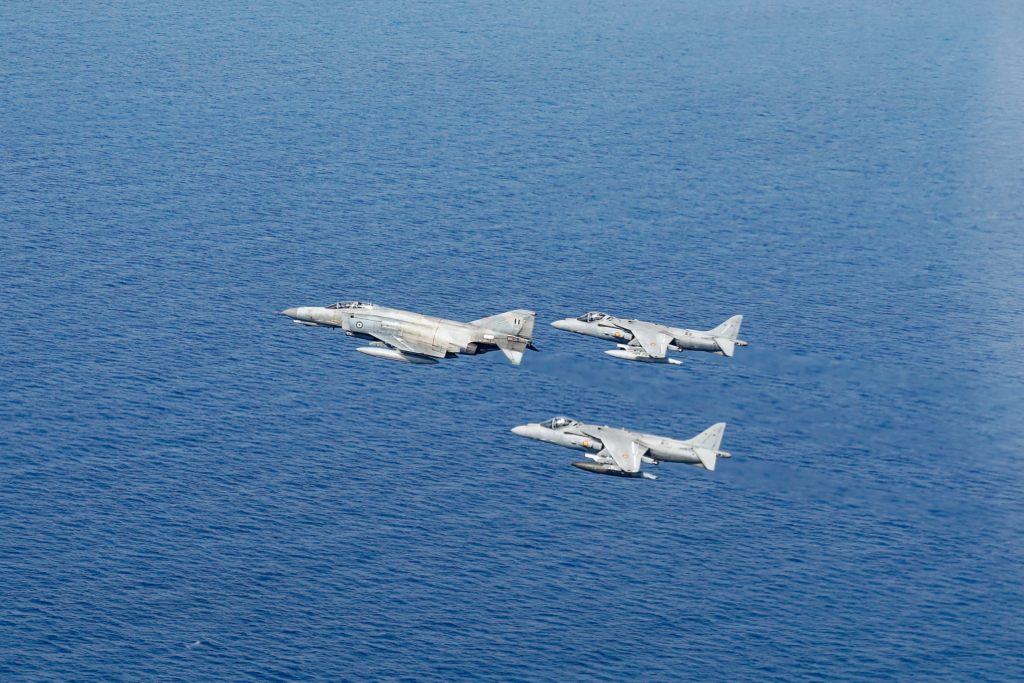
Greece acquired around 120 Phantoms across multiple batches starting in 1974. Early batches were new builds, while later batches were second-hand aircraft from the US Air National Guard and the German Luftwaffe.
Of these, around 33 have been lost to accidents over the years. A small number remain operational, with the surviving aircraft upgraded under the Avionics Upgrade Programme (AUP). Today, only upgraded F-4E AUP aircraft remain in service.
Delays to retiring the Greek F-4 Phantoms
In 2024, Greece announced plans to modernize its air force. This includes retiring its F-4 Phantom IIs, its older F-16 Block 30s, and Mirage 2000-5 fighter jets. It would also acquire new Dassault Rafales, F-35s, and upgrade newer-variant Block 50 F-16s.
338 Mira “Ares” (fighter-bomber squadron, 117th Combat Wing, Andravida) continues to fly the F-4. Greece’s old Phantoms are kept flying while replacement capabilities are introduced and as part of the air force’s broader force-structure transition.
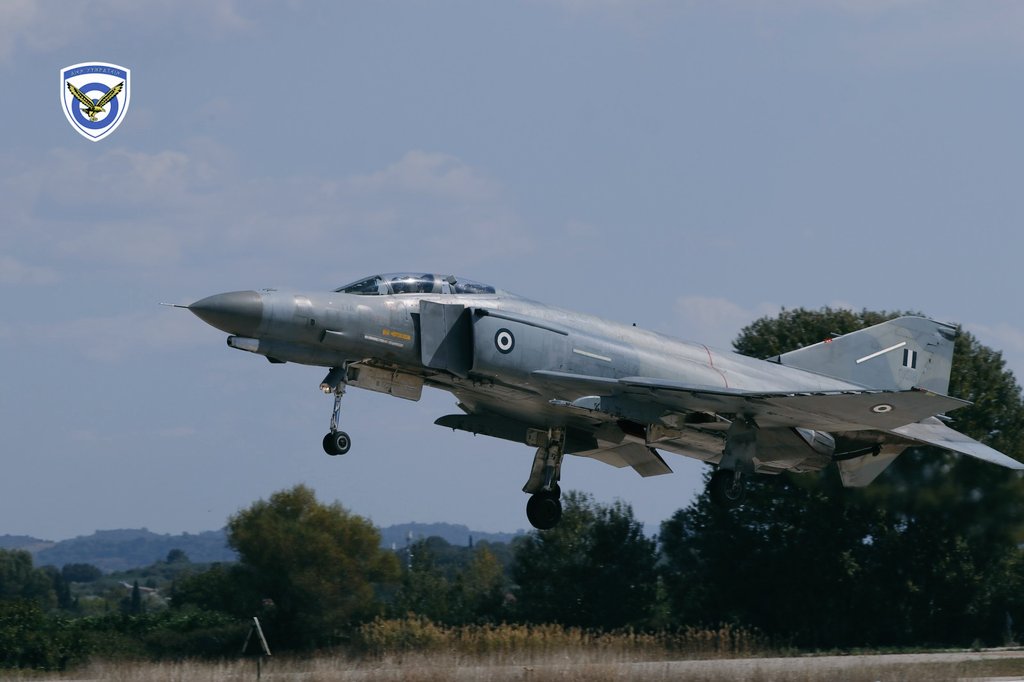
The phase-out of the remaining F-4s is tied to the arrival of F-35As. This suggests they could remain in service until the latter part of the decade. No final retirement date has been confirmed.
The Hellenic Air Force is now one of only three air forces to still have the Cold War-era F-4 Phantoms in service. South Korea retired the last of theirs in 2024.
The other two operators are Turkey (with plans to phase them out by 2030) and Iran. Both countries continue to operate reduced Phantom fleets, although future retirement timelines remain subject to change.


