Civil Air Patrol orders 21 Cessna aircraft to strengthen emergency response and training capabilities

3 min read
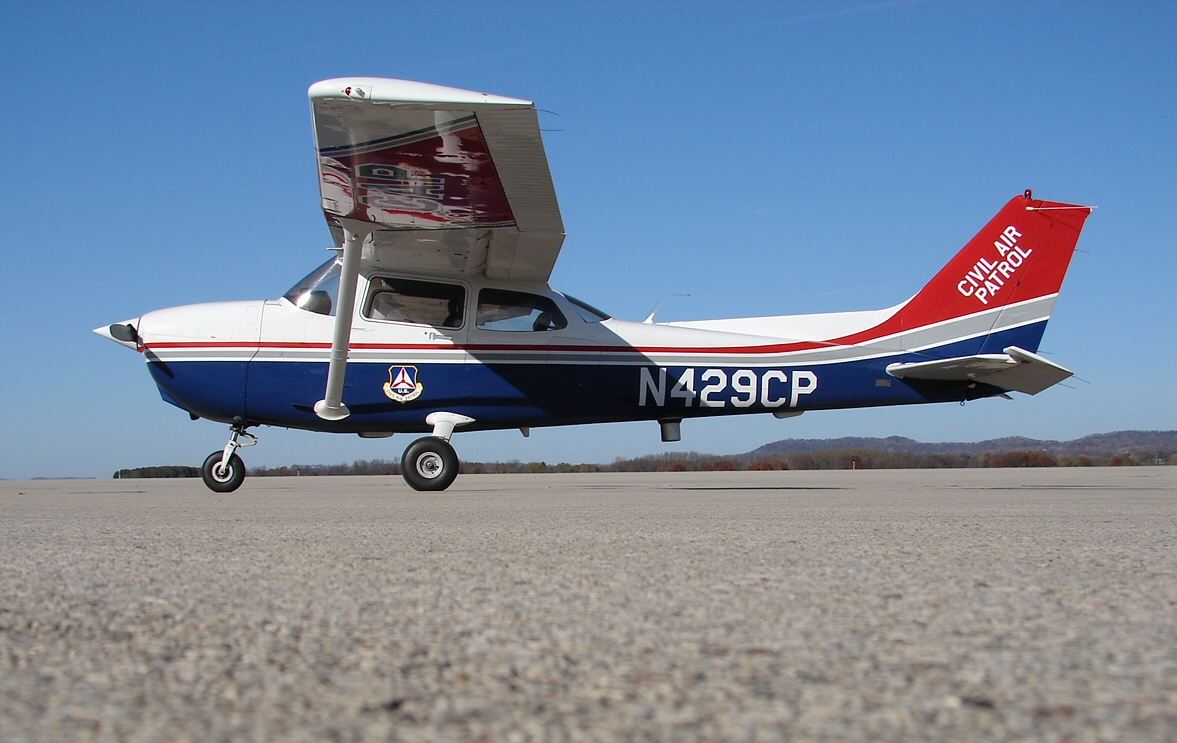
Textron Aviation expects to deliver all 21 aircraft by year-end, bolstering the Civil Air Patrol (CAP) mission readiness as the US Air Force’s civilian auxiliary.
CAP’s order for 21 piston aircraft includes seven Cessna Skyhawk 172s, 11 Cessna Skylane 182s, two Cessna Turbo Skylane T182Ts, and one Cessna Turbo Stationair HD 206.
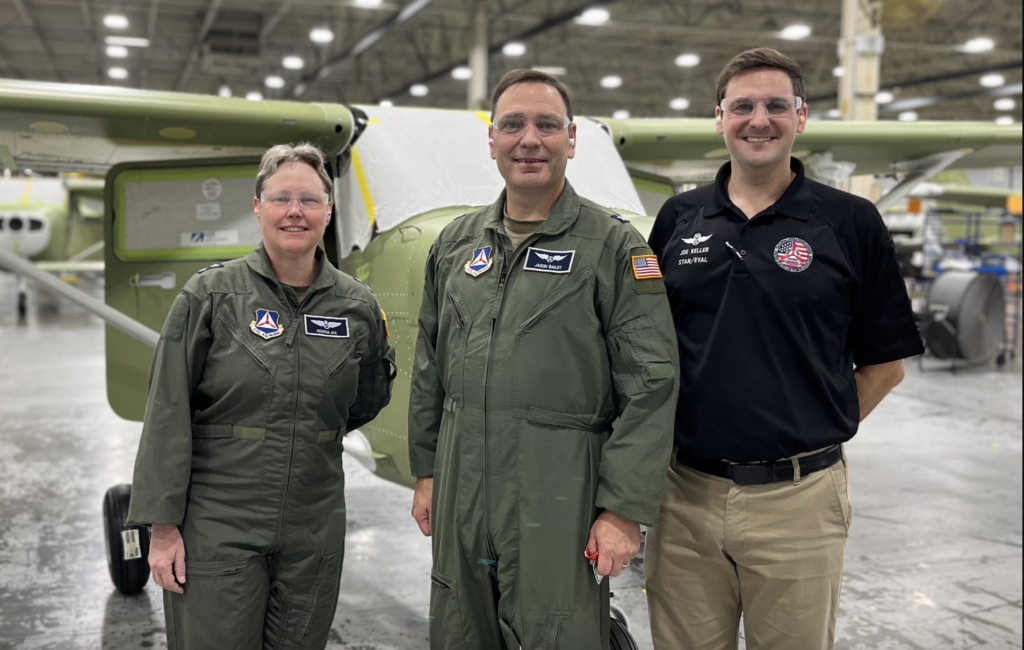
What is CAP and how does it support the US Air Force?
A volunteer organisation operating under the US Air Force as a civilian auxiliary, CAP supports military, civil and government agencies nationwide. The world’s largest operator of Cessna aircraft, CAP’s missions include military training and operations, as well as search-and-rescue work. It is also a youth development organisation supporting communities and young cadets who join as young as the age of 12 to adult volunteers.
The additional 21 Cessna piston aircraft ordered from Textron Aviation will boost CAP’s existing fleet of 543 single-engine aircraft (primarily Cessna aircraft and a selection of gliders) and help ensure its members are ready to respond as and when needed.
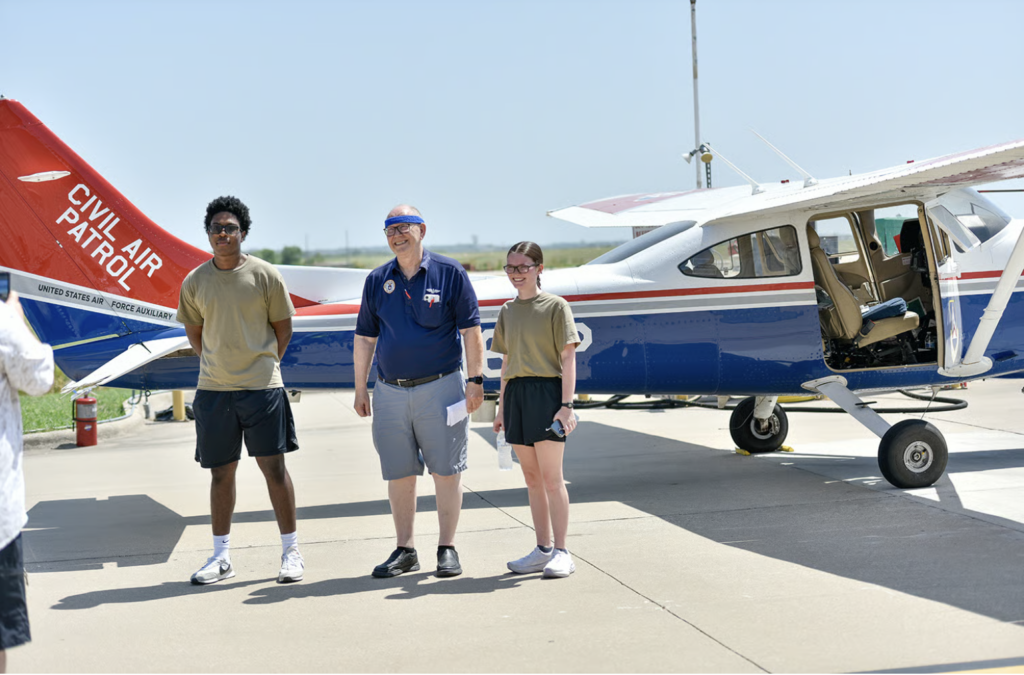
Major General Regena Aye, national commander and CEO of Civil Air Patrol, explained missions could involve “searching for someone who is missing, responding after a disaster, or introducing young people to aviation.”
The patrol has 72,000 members, including 35,000 adults and 37,000 youth, operating from more than 1,400 locations. While it is an auxiliary of the Air Force, CAP is not part of the military, and its members do not engage in combat. They do, however, work closely with the military and other government agencies to support the nation, particularly in times of crisis.
Since October 2024, CAP has flown nearly 200,000 hours, completed 860 search-and-rescue missions, and saved 104 lives. As a nonprofit organisation, it reported an estimated US$334 million in operational value on US$73.5 million in federal investments in early 2026. This represents more than US$4.50 in value for every federal dollar invested for the prior year.
CAP’s order builds on existing relationship with Textron Aviation
The order for 21 additional aircraft builds on CAP’s long-standing partnership with Textron Aviation.
“Civil Air Patrol has a remarkable ability to turn flight hours into real impact for communities across the country,” said Bob Gibbs, vice president, Defense & Special Mission Sales, Textron Aviation.
The company’s aviation solutions provide the high-performance characteristics required to address the unique challenges of special operations. Its products offer low operating costs, reliability, and versatility, making them ideally suited for ambulance, intelligence, surveillance, and reconnaissance missions, as well as utility transport and training.
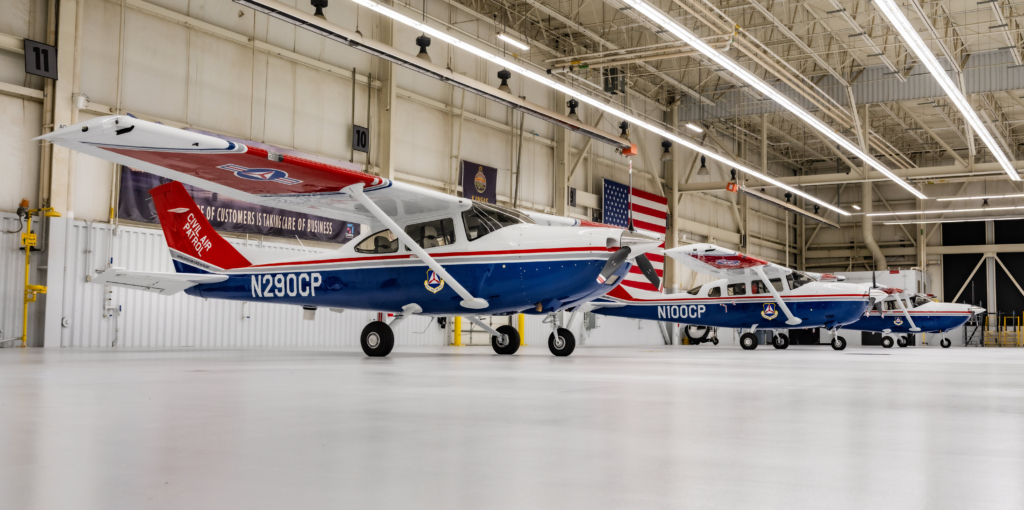
“From search and rescue to disaster response and aviation education, these missions demand aircraft that are capable, dependable and ready to serve,” added Gibbs. “We’re proud that Cessna aircraft continue to play a role in helping CAP fulfill that mission.”
Why are Cessna aircraft so well suited to CAP’s missions?
With its diverse mission set, CAP’s fleet supports a wide range of operations, including search and rescue, disaster relief, and cadet orientation flights. All powered aircraft are equipped with modern avionics systems such as the Garmin G1000 and 3X Touch, providing pilots with enhanced situational awareness and navigation capabilities, making them essential for mission safety.
Known for its stability and ease of operation, the Cessna 172 is a four-seat, single-engine, high-wing aircraft. It is often deployed for cadet orientation flights, training, and search and rescue missions.
Like the Cessna 172, the 182 Skylane offers greater power and payload capacity, with a larger cabin. Often equipped with advanced avionics, it is typically used for longer-range missions, including aerial photography, disaster response, and transport.
Meanwhile, the larger six-seat Cessna 206 Stationair is used for missions requiring more cargo capacity and longer endurance. Its high-wing design and powerful engine make it suitable for various missions, including aerial photography and remote-area flying.
Several glider aircraft are also used for training in the cadet programme to introduce young members to aviation and basic pilot training. CAP has also begun integrating uncrewed aerial vehicles (UAVs) in its operations.