World’s first “sharkskin” Airbus A330 takes to the skies on passenger flights

4 min read
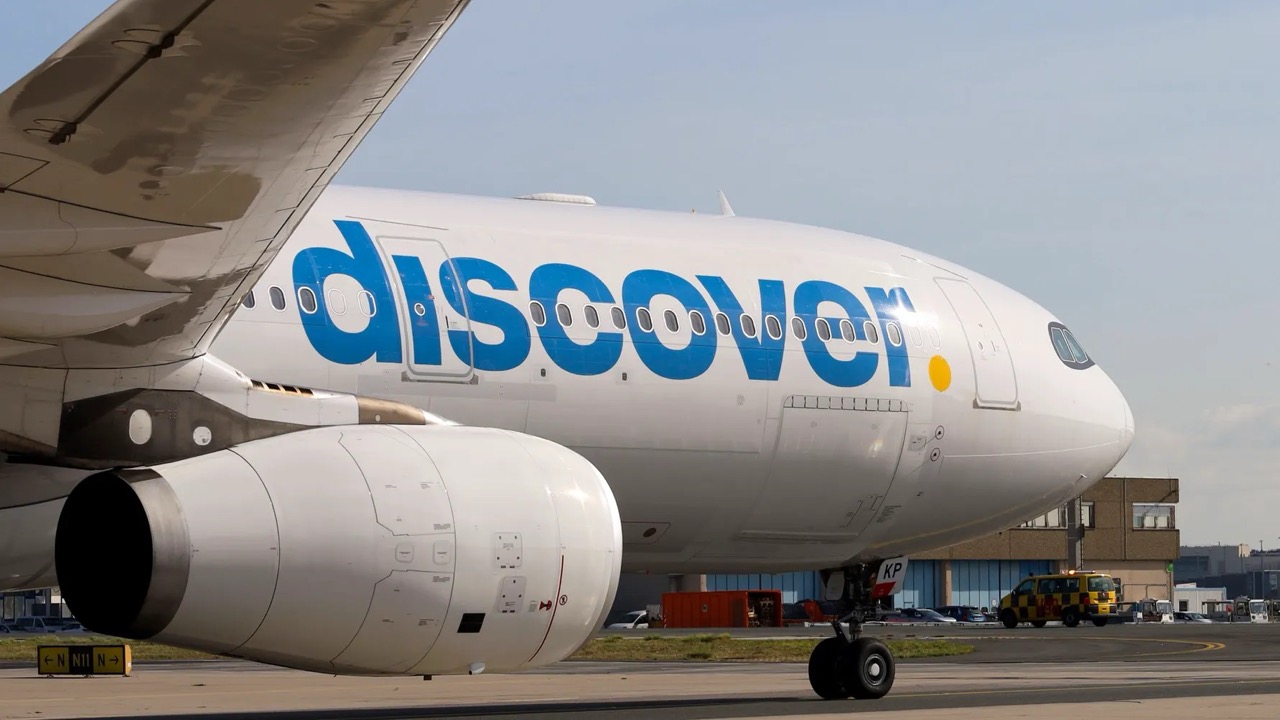
Discover Airlines has become the first airline to operate an Airbus A330 fitted with AeroSHARK, a sharkskin-inspired surface film that reduces aerodynamic drag and fuel consumption.
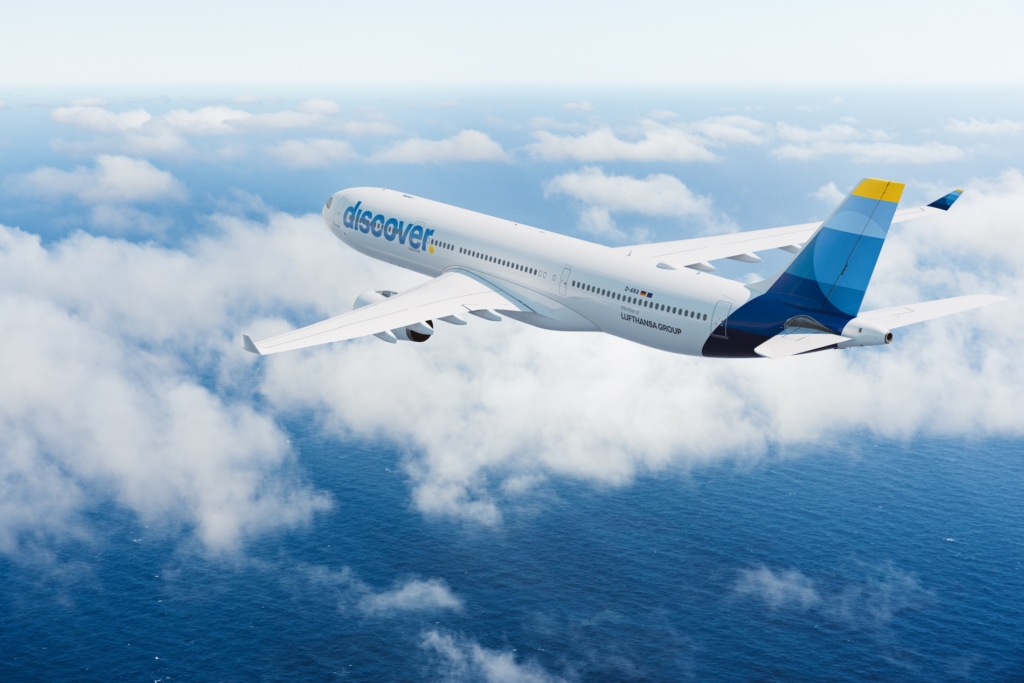
The Lufthansa Group leisure carrier introduced the modified Airbus A330-300, registered D-AIKP, into scheduled passenger service on 15 October, with a flight to Florida.
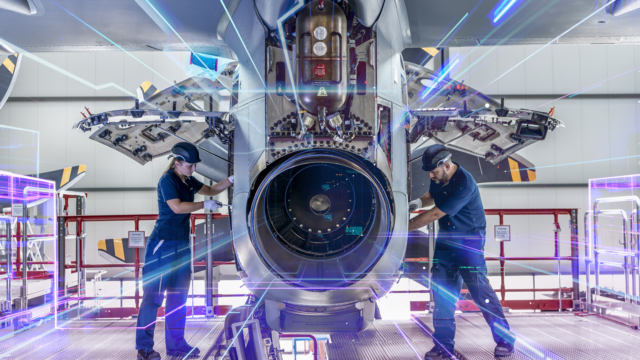
The aircraft underwent modification at Dresden Airport in late August, followed by several weeks of testing to assess the film’s performance during flight.
According to Discover Airlines, the tests confirmed that the technology could be used safely and reliably in regular airline operations.
The modification is expected to reduce the aircraft’s fuel consumption and associated carbon dioxide emissions by approximately 1%.
How does sharkskin technology work on aircraft?
AeroSHARK is a transparent adhesive film developed by Lufthansa Technik and Surventis (formerly BASF Coatings).
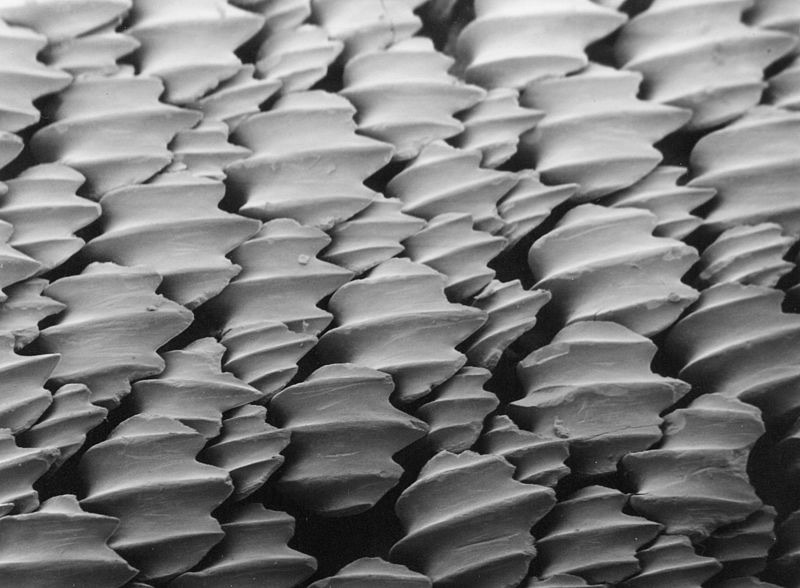
The film contains microscopic grooves, known as riblets, which imitate the structure of sharkskin. These grooves reduce friction between the aircraft’s surface and the surrounding airflow. Each riblet is about 50 micrometres high and aligned with the airflow.
On the Discover Airlines A330, the film has been applied to sections of the fuselage and engine nacelles.
By reducing frictional drag, the coating allows the aircraft to fly with slightly less engine thrust, lowering fuel consumption.
The technology can be installed on existing aircraft without replacing engines or making major structural modifications.
A 1% reduction in fuel consumption represents a relatively small saving on an individual flight. However, the savings accumulate over an aircraft’s operating life, particularly on long-haul routes.
Discover Airlines introduces AeroSHARK to Airbus operations
The Discover Airlines A330 is the first Airbus aircraft to enter scheduled passenger service with a large-scale AeroSHARK modification.
The airline worked with Lufthansa Technik and other partners on the installation and testing programme.
“With D-AIKP, we have not only added our first AeroSHARK-equipped aircraft to the fleet, but also reached an important milestone: For the first time, an Airbus with AeroSHARK modification is operating in regular scheduled service,” said Sascha Unterbarnscheidt, chief operating officer at Discover Airlines.
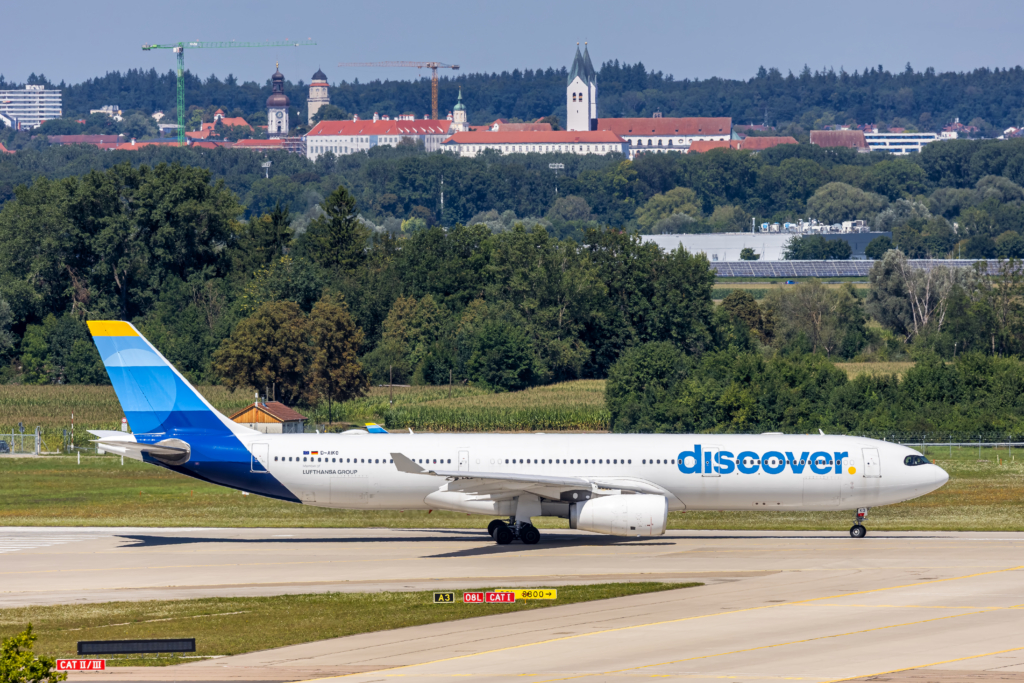
Discover Airlines operates leisure flights from Frankfurt and Munich to destinations across Europe and on long-haul routes.
The modified aircraft has returned to normal passenger service after completing flight testing.
Mastercard is also supporting the current development phase through a sustainability partnership with the Lufthansa Group.
Lufthansa Group already uses AeroSHARK on Boeing 777 aircraft
Although this is the first Airbus to enter passenger service with AeroSHARK, the technology is already used on Boeing 777 aircraft.
Lufthansa Technik first developed the modification for the Boeing 777 and later secured approvals covering the 777-300ER, 777-200ER and 777 Freighter.
SWISS, Lufthansa Cargo and Austrian Airlines are among the operators using the technology.
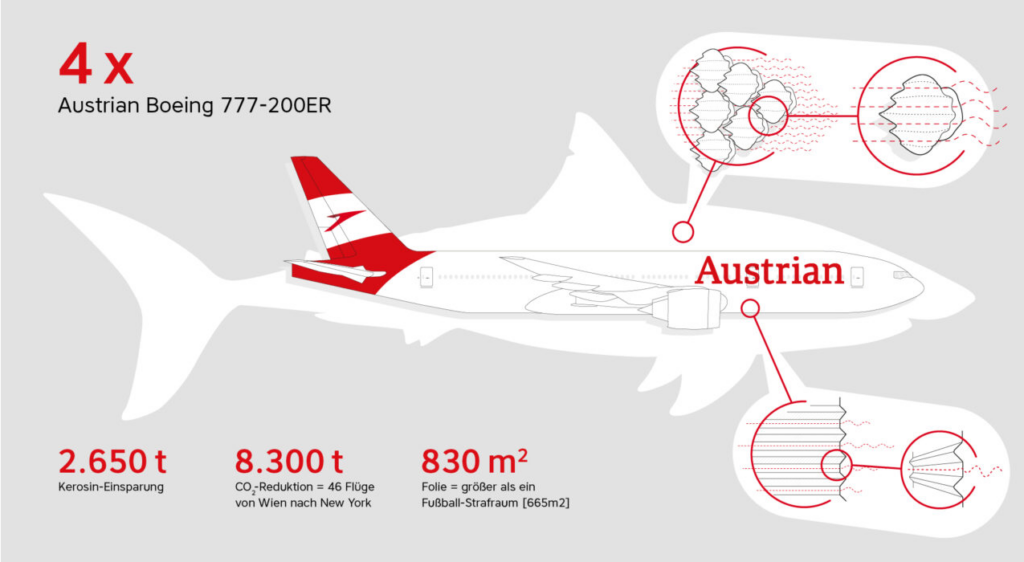
By September 2026, 23 Lufthansa Group aircraft had been fitted with AeroSHARK.
According to Lufthansa Technik, these aircraft collectively save more than 20 tonnes of jet fuel each day, avoiding approximately 64 tonnes of carbon dioxide emissions.
At that rate, the annual savings would exceed 7,300 tonnes of fuel and approximately 23,000 tonnes of CO₂.
The actual savings depend on aircraft utilisation, flight distances and operating conditions.
AeroSHARK has also attracted interest from airlines outside the Lufthansa Group seeking ways to reduce fuel costs and emissions from aircraft already in service.
Airbus A330 approval could lead to wider adoption
Lufthansa Technik has been working with the European Union Aviation Safety Agency (EASA) on supplemental type certification for the Airbus A330-200 and A330-300.
As AGN reported in September, the company entered the final certification phase in late August, using the Discover Airlines aircraft for testing.
The programme involves technical assessments, flight testing and documentation to establish that the modification meets aviation safety requirements.
The A330 is an important aircraft type for the project because large numbers remain in commercial service worldwide. Lufthansa Technik previously estimated that approximately 1,000 A330-200 and A330-300 aircraft were operating globally.
Certification would allow the technology to be offered more widely to airlines operating these aircraft, subject to the applicable approval conditions.
Lufthansa Technik and Airbus are also working together to investigate applying AeroSHARK to additional aircraft surfaces, including the wings and horizontal and vertical stabilisers.
The companies estimate that expanding the area covered by AeroSHARK could increase fuel savings to more than 2% on typical long-haul flights.
Further testing and regulatory approvals will be required before those modifications can enter commercial service.