Airport fees still outweigh fuel costs for Eurowings despite Middle East crisis

3 min read
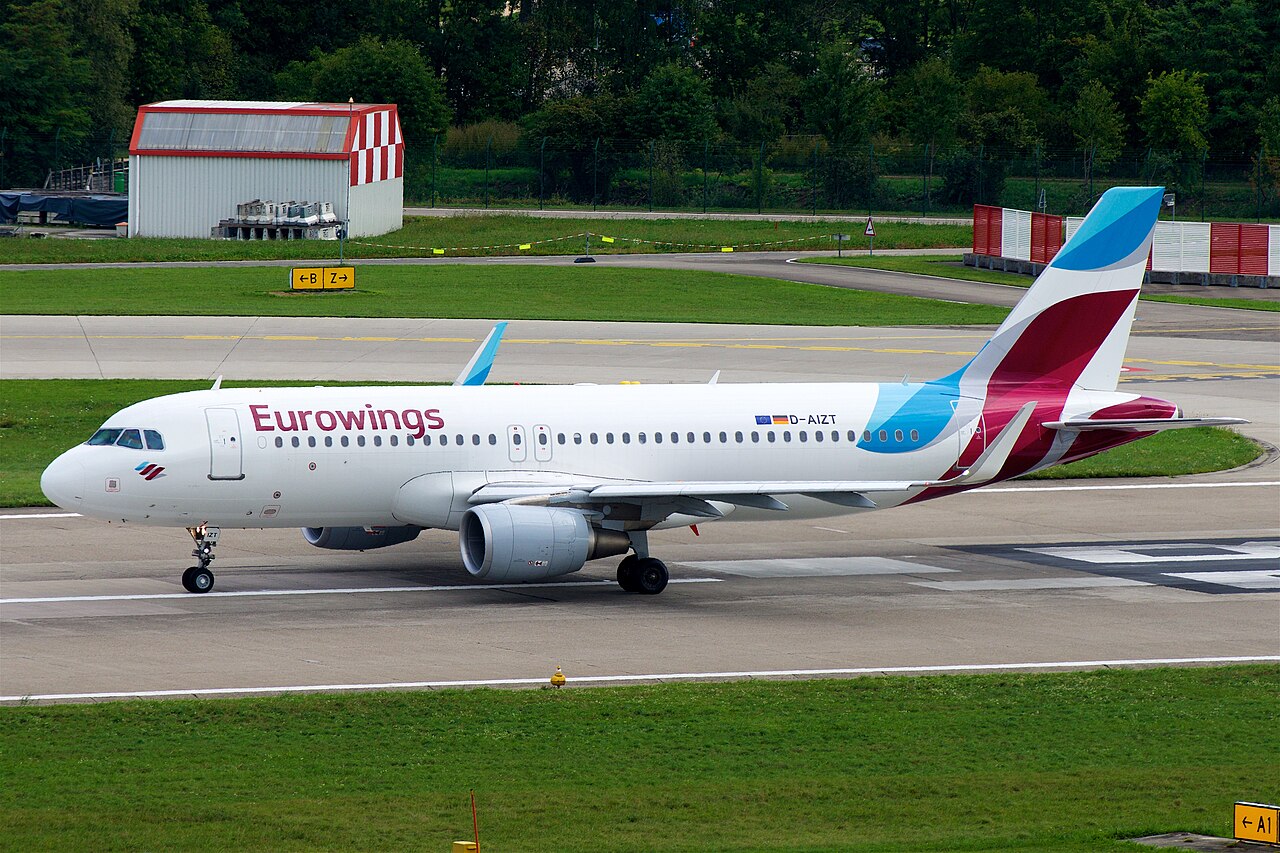
Airport fees and charges remain a bigger cost burden for Eurowings than fuel, even as the Middle East crisis drives up Jet A-1 prices and disrupts supply, the German airline has said.
Speaking at Routes World 2026 in Frankfurt, Tobias Bracht, head of network and airport relations at the low-cost carrier, said airport charges and government-imposed fees comprised a large slice of the airline’s cost base and therefore were key factors in determining which routes airlines could sustain through a winter season.
Fees and charges outweigh fuel costs
Since the outbreak of war between the US and Iran in the spring of this year, the price of jet fuel surged and the focus has been on how airlines and their balance sheets will weather the storm.
But while the fuel price is undoubtedly a concern for carriers, Bracht highlighted how fees and charges remained a significant burden – one that surpassed fuel even in the current high-cost environment.
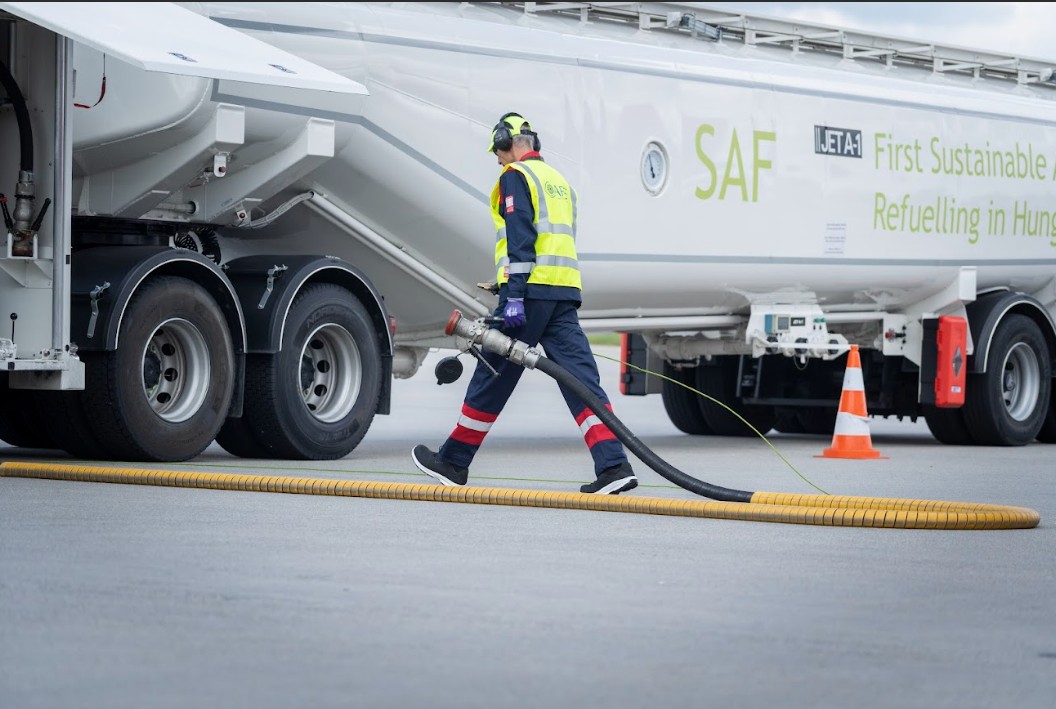
“We are all talking about … fuel, but even in today’s really high cost fuel environment, the fees and charges part is still significantly larger than fuel costs,” he said.
That is particularly relevant for Eurowings, since the cost burden for carriers operating in Germany is higher than in other European countries.
Winter flying brings its own cost challenges
Looking ahead to the winter schedule, which begins on Sunday, these fees often continue to be levied even when demand drops off and revenue falls.
Bracht added that airlines were increasingly focused on whether winter flights could cover their variable costs, such as taxes, fuel and variable salaries for crew, rather than whether they could generate a positive earnings contribution once all the fixed costs were included.
“We have already incorporated and accepted that the flight itself will not make a positive EBIT from itself, but we rather see it as a marginal contribution towards the total year result, so that the summer doesn’t have to carry the total cost burden of winter.”
Bracht said roughly two thirds of his airline’s total costs were variable, with fees and charges accounting for about half of that portion.
In Germany, he said, government charges and airport costs each accounted for approximately half of the fees-and-charges category.
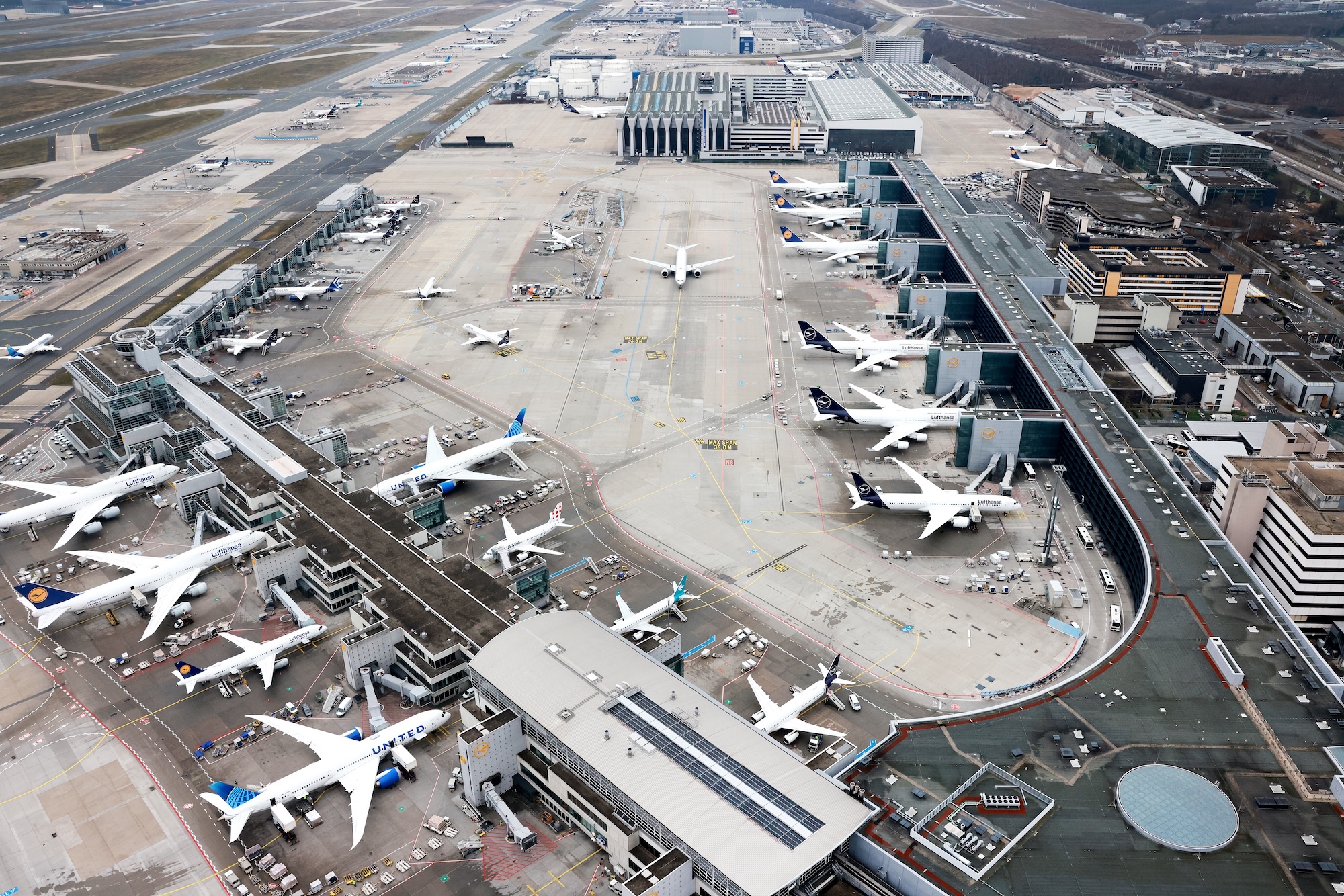
However, it is fuel that has attracted more of the attention, with the US-Iran conflict continuing to create uncertainty for airlines over energy prices, supply and operations.
Airport fees and taxes remain a more substantial cost consideration for airlines such as Eurowings, even under the current fuel-market conditions – not least since fuel prices can fluctuate with global market conditions, while airport fees, passenger taxes and other government charges are often fixed, even during periods when demand and revenue are weaker.
Seasonal flexibility could support winter flying
Speaking to delegates at the event, the head of network urged governments and airports to look at the cost structure and consider lowering fees for off-season flights when demand and revenue is much lower.
Bracht said the ability to reduce costs during the winter was complicated by the different approaches taken by governments and airports.
“Where it gets really, really tough is, of course, on the government side, where governments might take a more holistic approach and don’t care as much about seasonality.”
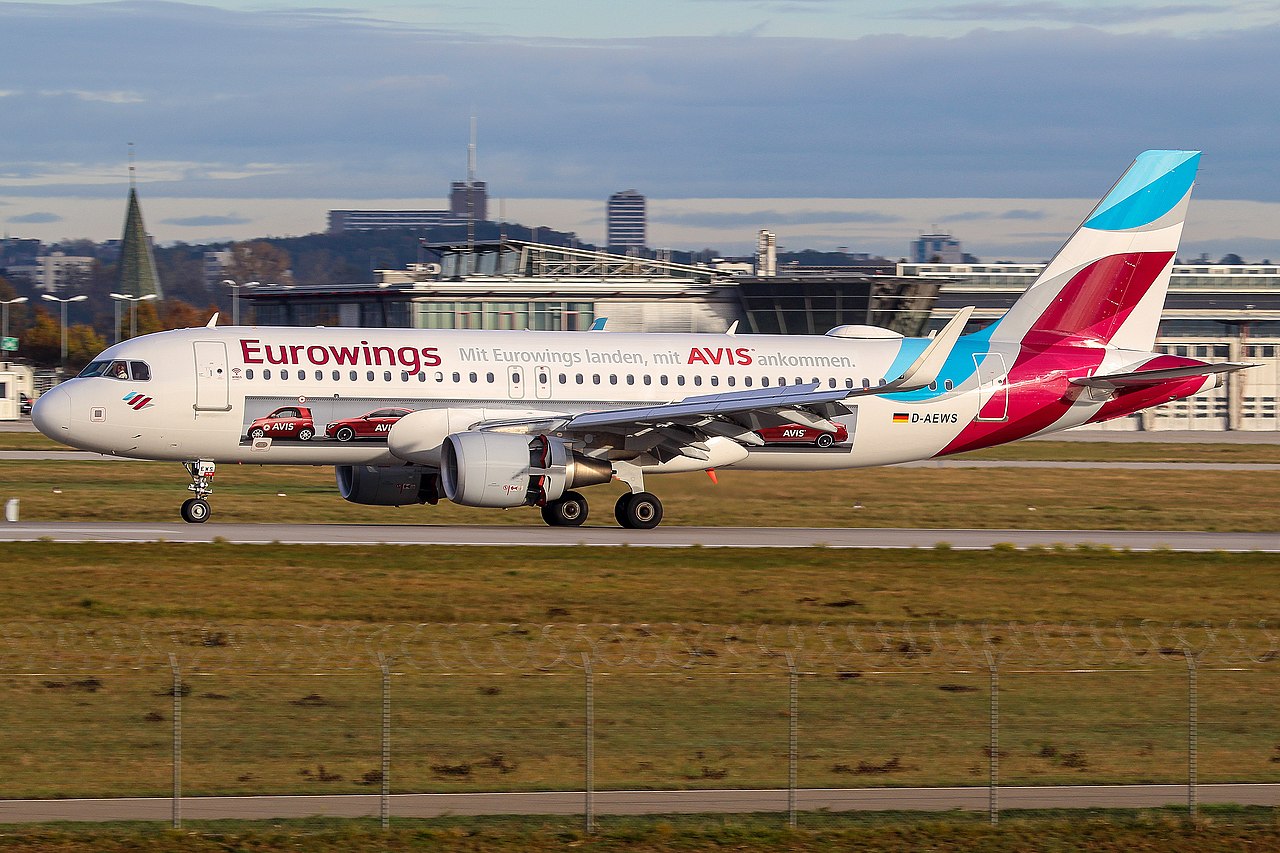
Many airports served by Eurowings continue to apply broadly uniform fees and charges throughout the year, regardless of the seasonal differences in airline demand.
Some airports, however, have begun to introduce greater flexibility, charging airlines more during the busier summer season while reducing charges during winter.
“This is a step towards bringing more flights in the winter,” he said.