Ethiopian Airlines eyes up to 10 Boeing 777 freighters as cargo ambitions grow

5 min read
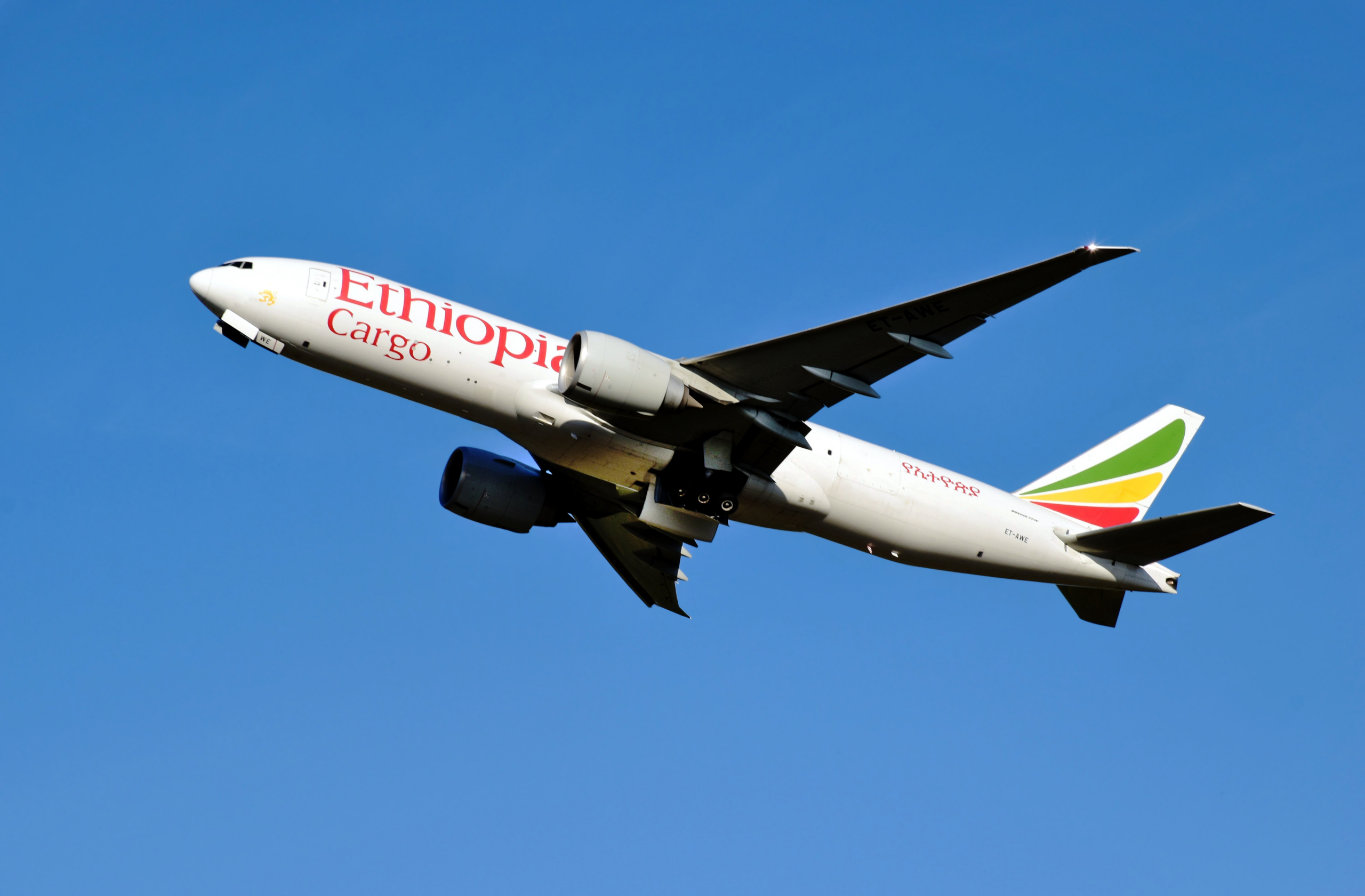
Ethiopian Airlines is nearing a deal to buy up to 10 long-haul freighters from Boeing. The move would reinforce the African carrier’s position as one of the world’s fastest-growing air-cargo operators while giving Boeing an important customer for its 777 freighter family.
According to a Reuters report published on 2 September, the prospective order is expected to include two current-generation Boeing 777Fs, with the balance potentially made up of the newer 777-8F.
Two industry sources told Reuters that the deal could ultimately cover eight to 10 aircraft, although the precise composition remains subject to change. Neither Boeing nor Ethiopian Airlines immediately commented on the report.
Ethiopian Airlines plans additional Boeing 777 freighter capacity
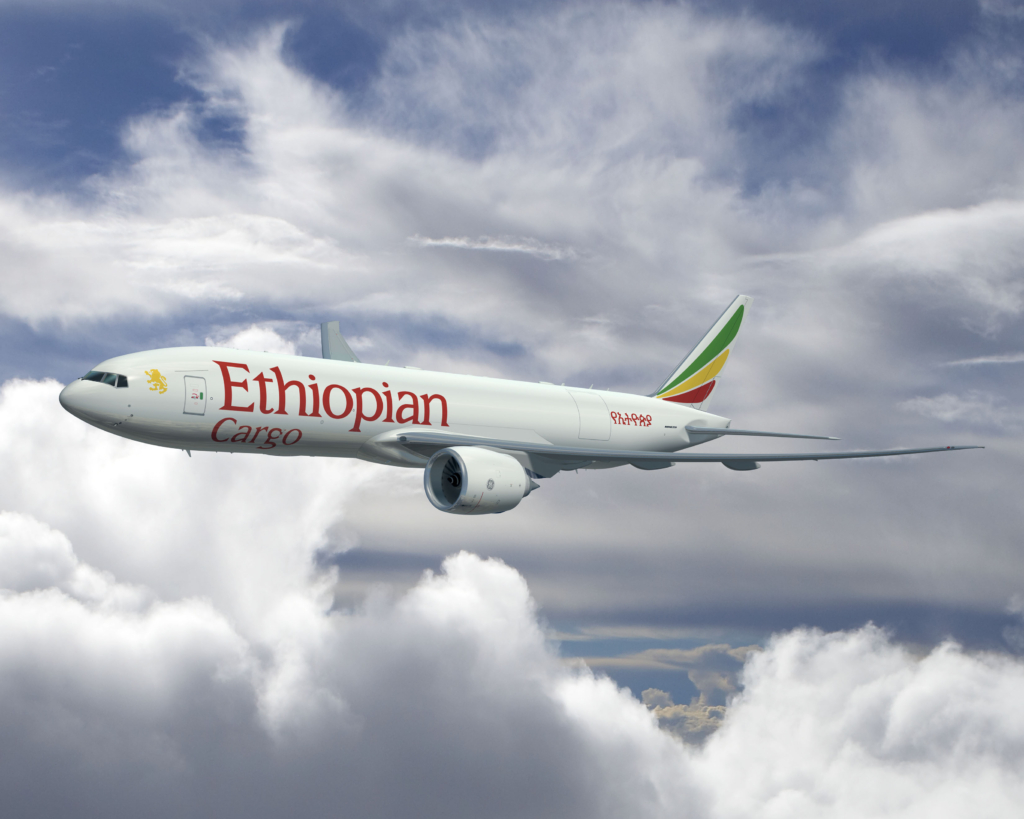
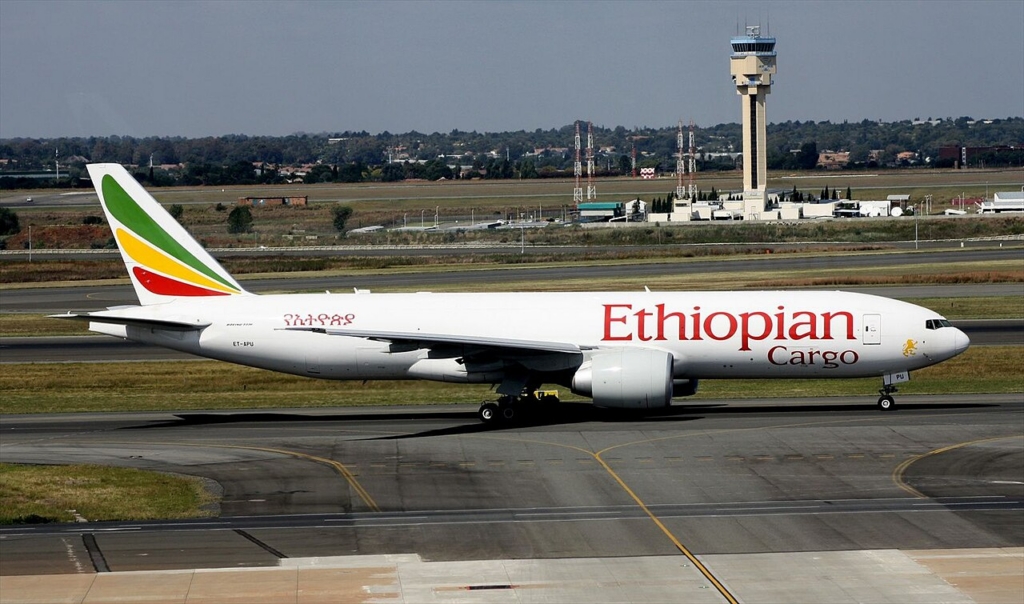
The purchase would be significant because Ethiopian already has substantial experience with the 777F. The airline currently operates 12 of the type, alongside three Boeing 767 freighters and four converted 737 freighters serving shorter regional routes.
The carrier’s cargo business is expanding rapidly, with the company handling around 897,000 metric tons of freight in 2025, up an impressive 16% from the previous year.
That growth is closely tied to Ethiopia’s ambition to make Addis Ababa a major global logistics gateway between Africa, Asia, Europe and the Americas. The airline is also helping to finance a planned $12.5 billion airport at Bishoftu, southeast of Addis Ababa.
The four-runway facility is expected to open its first phase to traffic in 2030 and is designed to handle as much as 3.7 million metric tons of cargo annually, according to Reuters.
Bridging the gap between the Boeing 777F and the 777-8F
The timing of the prospective order is particularly interesting for Boeing. The manufacturer is approaching the end of production of the current 777F just as demand for large freighters remains strong.
Under emissions regulations taking effect in 2028, Boeing is scheduled to stop producing the 777F at the end of 2027. The aircraft has nevertheless accumulated more than 400 sales, making it one of the most commercially successful large freighters ever produced.
In the meantime, Boeing is trying to manage the resulting transition to the 777-8F. However, certification delays affecting the wider 777X programme mean the new freighter will not be available in time to provide a seamless replacement for the 777F.
Reuters reported in December that Boeing had therefore asked the Federal Aviation Administration (FAA) for permission to produce and deliver an additional 35 777Fs beyond the regulatory deadline. As of 2 September, the FAA had not decided on that request.
The request illustrates the unusual position Boeing finds itself in. Ordinarily, a manufacturer would want customers to migrate quickly from an ageing aircraft to its next-generation replacement.
Here, however, demand for the outgoing aircraft remains sufficiently strong that Boeing wants to keep the production line operating while the successor catches up.
Boeing currently produces about two 777Fs per month, according to a recent FAA filing cited by Reuters. The company argues that maintaining production is necessary to satisfy customer demand during the transition.
The proposed Ethiopian order could therefore become part of that bridge, depending on when the aircraft are scheduled for delivery and whether the FAA grants the exemption.
Demand for the current generation 777F remains strong
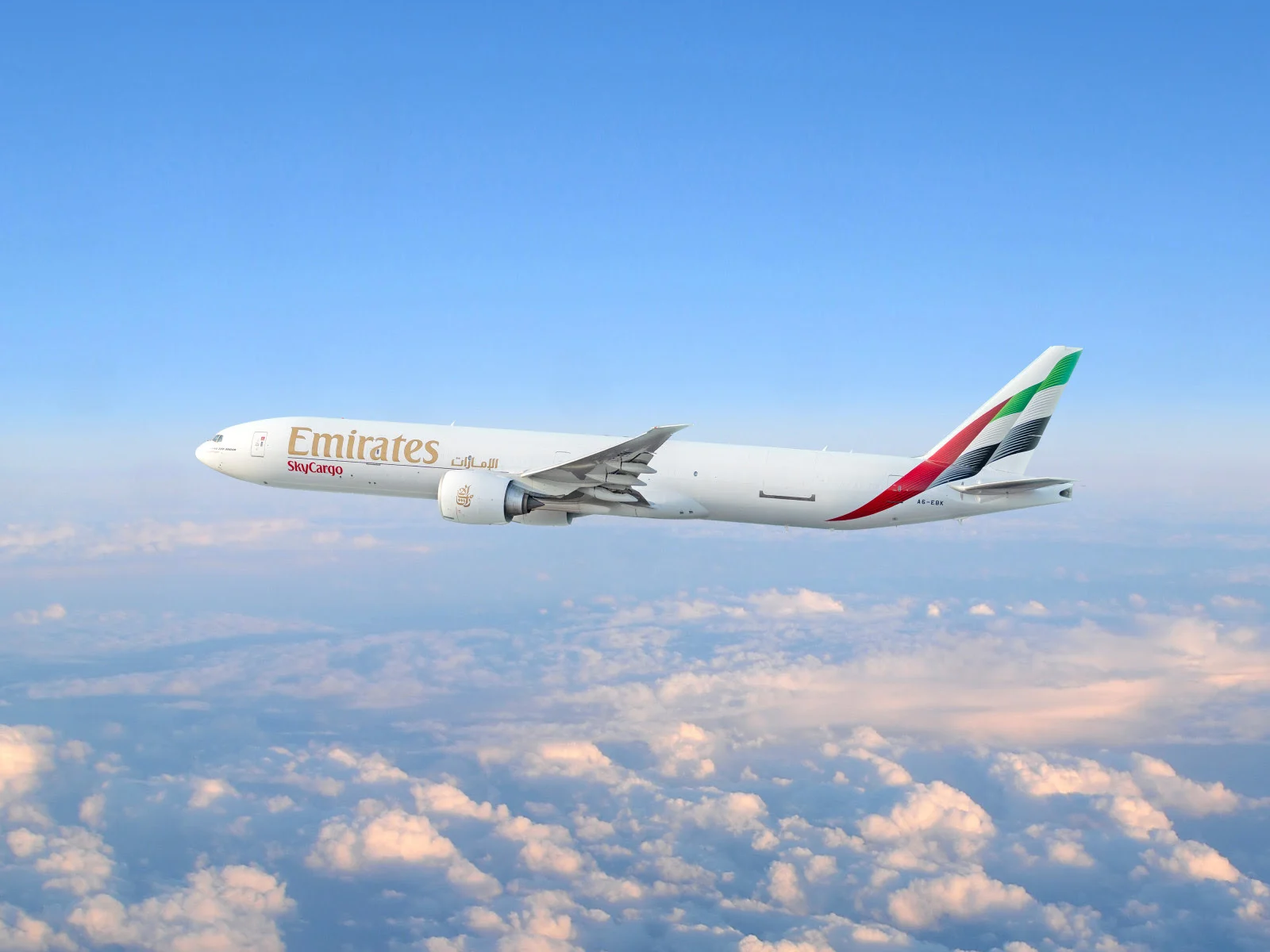
There is plenty of evidence that demand for Boeing’s large freighters has not disappeared. In October 2024, Emirates confirmed an order for five 777Fs, following the disclosure of a previously unidentified batch of 11 777F orders.
Emirates also extended leases on four existing 777Fs and was considering further purchases of Boeing’s 777-8F or Airbus’ competing A350F.
Meanwhile, the market is increasingly shifting toward the 777-8F itself. China Airlines announced in 2025 an order for four 777-8Fs, accompanied by options for four more, as part of a wider 777X purchase.
Korean Air also committed to eight 777-8Fs as part of its planned 103-aircraft Boeing purchase, reflecting its plans to expand and modernise its fleet as it integrates Asiana Airlines.
More recently, MSC Air Cargo announced at the 2026 Farnborough International Airshow that it had purchased five 777-8Fs. Boeing said the order brought its total 777-8F order book to more than 80 aircraft.
MSC’s purchase is particularly notable because the company is building an all-Boeing freighter operation around the 777 family.
Additionally, Mammoth Freighters is building a business converting former passenger -carrying Boeing 777-200ERs and 777-300ERs into freighters for carriers such as DHL Express and Qatar Airways Cargo, having delivered its first converted aircraft in August.
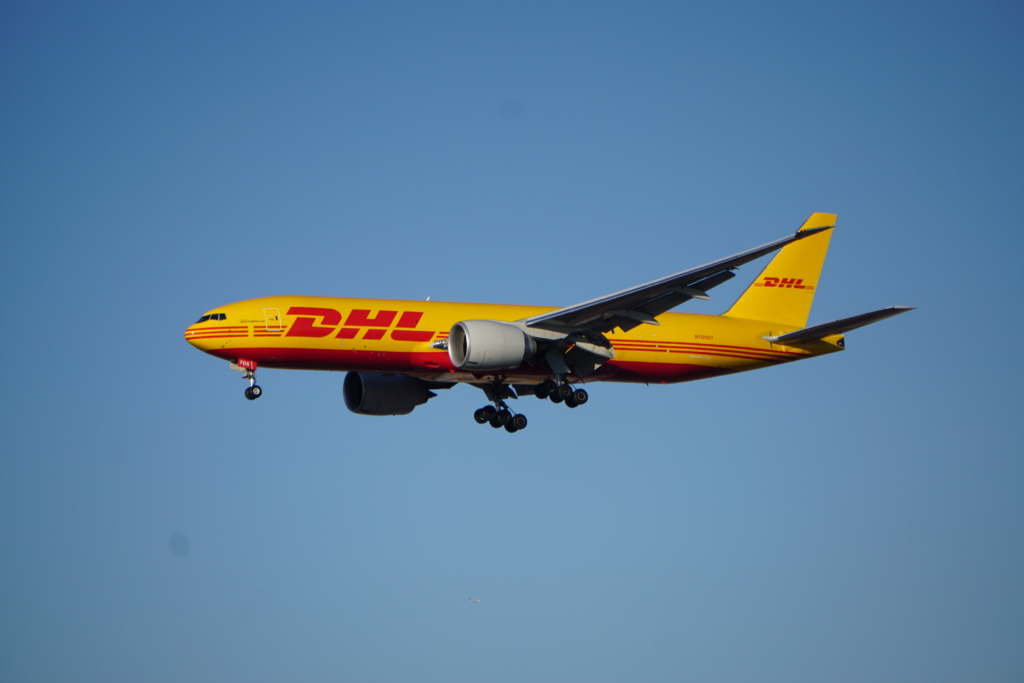
For Boeing, these orders provide an important vote of confidence in the basic proposition behind the 777-8F: a new-generation, twin-engine freighter combining long range, high payload and lower fuel consumption.
But they also highlight the challenge created by the programme’s delays. Boeing is simultaneously trying to satisfy customers that need aircraft now, keep the existing 777F production system alive, and complete certification and industrialisation of the 777-8F.
Boeing’s challenge to keep 777 freighter demand satisfied
Ethiopian’s potential purchase neatly captures that dilemma. Reuters says the airline’s order could include two current-generation 777Fs specifically as Boeing seeks to bridge the gap to the delayed 777-8F.
The carrier is also examining Airbus’ A350F, giving Boeing an additional incentive to secure the deal.
The stakes extend beyond one airline. Boeing’s own long-term outlook calls for substantial growth in global freighter demand, with cargo traffic expected to continue expanding alongside international trade and e-commerce.
Reuters reported in July that Boeing forecasts 930 new freighters will be required globally between 2026 and 2045.
Ethiopian’s planned order thus represents more than another fleet expansion. It is a sign of the continuing strength of the widebody cargo market, and a test of Boeing’s ability to manage the awkward handover from its highly successful 777F to the delayed 777-8F.
If the FAA grants Boeing’s requested exemption, the company could buy itself valuable time. If it does not, customers such as Ethiopian will have to navigate a potentially difficult gap between strong immediate cargo demand and the arrival of Boeing’s next-generation freighter.
Sign up for our newsletter and get our latest content in your inbox.


More from

October 17, 20265 min read


October 17, 20264 min read