The Airbus-Boeing gap is widening and Farnborough didn’t change it

5 min read
Both Airbus and Boeing have published their latest orders and deliveries figures for July 2026, revealing a month that further strengthened Airbus’ lead in both aircraft sales and deliveries.
While the Farnborough International Airshow failed to produce the blockbuster commercial announcements many analysts had anticipated, Airbus still secured 204 new aircraft orders during the month, pushing its 2026 total beyond 1,000 aircraft.
Boeing recorded 38 gross orders and continued to trail its European rival in both sales and deliveries. By the end of July, Airbus held a 607-aircraft lead in gross orders and a 51-aircraft advantage in year-to-date deliveries.
Airbus extends its lead over Boeing
In July, European manufacturer Airbus delivered 67 commercial aircraft, bringing its 2026 total to 418 deliveries against its full-year target of 870 aircraft.
The figures extended Airbus’ lead over Boeing, which handed over 53 aircraft during the month. Boeing’s year-to-date total now stands at 367 deliveries across all programmes.
Although Airbus’ delivery pace slowed from the 89 aircraft delivered in June, the manufacturer still maintained a healthy 51-aircraft lead over its US rival.
In terms of sales activity, Airbus surged ahead during July, recording 204 gross orders, driven largely by strong commitments for its single-aisle aircraft from major leasing companies during Farnborough.
The manufacturer also passed the 1,000-aircraft milestone for gross orders in 2026, reaching 1,090 by the end of July. Boeing, by comparison, recorded just 38 gross orders, evenly split between its narrowbody and widebody product lines.
Boeing’s presence at Farnborough was relatively subdued, with few headline-grabbing announcements. As a result, the company finished July with 483 gross orders for the year, some 607 aircraft behind Airbus.
Farnborough orders push Airbus beyond 1,000 aircraft
After a quieter June, Airbus rebounded strongly in July, securing commitments for 204 aircraft, many of them finalised at Farnborough.
The single-aisle market drove the month’s performance, with 168 orders for the A320neo family, including 104 A321neos, 63 A320neos and one A319neo. The A220 programme did not record any new orders during the month.
Widebody demand added a further 36 aircraft, comprising 30 A330-900neos and six A350-1000s.
Collectively, these commitments pushed Airbus’ 2026 gross order total to 1,090 aircraft and further strengthened the manufacturer’s already sizeable backlog.
Deliveries remained heavily weighted towards the narrowbody portfolio. Airbus handed over 61 single-aisle aircraft in July, including 55 A320neo-family jets, comprising 37 A321neos and 18 A320neos, alongside six A220-300s.
The widebody range contributed six aircraft, all from the A350 family. These included four A350-900s and two A350-1000s. No A330 deliveries were recorded during the month as production remains below the programme’s long-term target rate.
With 418 deliveries completed during the first seven months of the year, Airbus remains on course to achieve its target of 870 aircraft in 2026, although doing so will likely require another significant fourth-quarter production surge, something that has become characteristic of Airbus in recent years.
Boeing delivery recovery continues despite weaker sales
Following a stronger June, Boeing’s sales performance softened in July despite the company’s presence at Farnborough.
The manufacturer recorded 38 new gross orders across its narrowbody and widebody product families. Half of those commitments came from the 737 family, including 18 737 MAX aircraft and one BBJ MAX business jet.
The widebody portfolio matched that performance, with 19 new orders for the 787 Dreamliner programme, all of which were for the 787-9 variant. Neither the 767 nor 777X families recorded any new sales during the month.
The additional orders increased Boeing’s gross order tally for 2026 to 483 aircraft. However, Airbus continues to hold more than double Boeing’s order intake for the year to date.
On the delivery side, Boeing handed over 53 aircraft during July, down from 64 in June. The narrowbody segment remained the backbone of the company’s output, with 39 737 MAX aircraft delivered during the month. These comprised 32 737 MAX 8s and seven 737 MAX 9s.
While Boeing’s long-stated ambition remains producing and delivering 42 737 MAX aircraft per month, July’s total of 39 suggests the programme is continuing to stabilise after years of disruption. Analysts say the narrowbody line is showing signs of greater consistency as the manufacturer works towards its production goals.
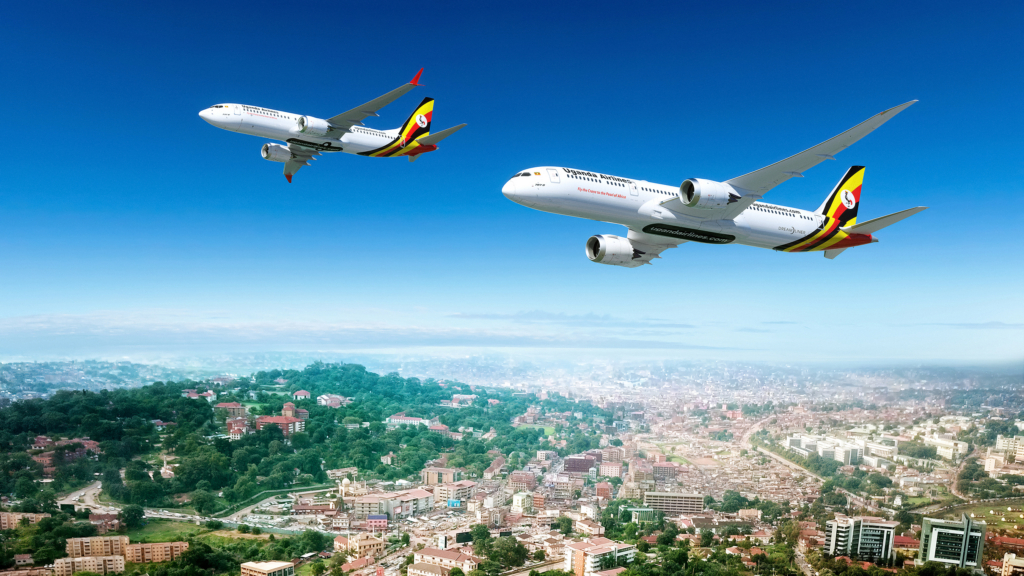
Boeing also delivered 14 twin-aisle aircraft during the month, down from 21 in June. These included 10 787 Dreamliners, comprising nine 787-9s and one 787-10, alongside three 767 freighters and a single 777 Freighter.
July’s performance lifted Boeing’s year-to-date delivery total to 367 aircraft, leaving it 51 deliveries behind Airbus as of the end of the month.
Airbus and Boeing backlogs remain historically strong
Following its strong July order performance, Airbus’ commercial aircraft backlog expanded to 9,352 aircraft.
The narrowbody segment continues to dominate the order book, with the A320neo family accounting for 7,574 outstanding orders, alongside 574 commitments for the A220 programme.
On the widebody side, Airbus holds 1,204 outstanding commitments, comprising 870 A350s and 334 A330s.
At current production rates, Airbus’ backlog represents approximately 10.7 years of manufacturing activity based on its target output of around 870 aircraft per year.
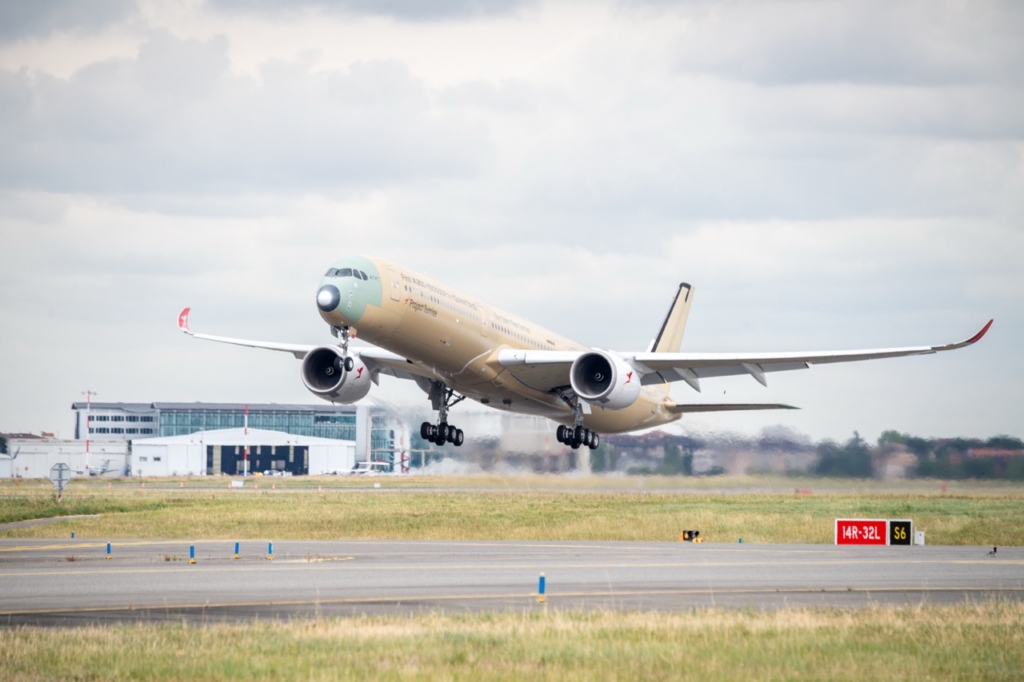
Boeing’s commercial backlog stood at 6,784 aircraft at the end of July.
Like Airbus, Boeing’s order book remains heavily weighted towards narrowbody aircraft, including 4,851 commitments for the 737 MAX family, including the newly certified 737 MAX 7.
The manufacturer’s widebody backlog totals 1,933 aircraft, led by 1,154 787 Dreamliners, 698 aircraft from the 777 family and 81 examples of the 767.
Based on current production rates and forecast delivery performance, Boeing’s backlog represents around 10.1 years of production coverage, slightly below Airbus’ equivalent position.