


Bedbugs ground Qantas Boeing 787 after passengers report bites

3 min read
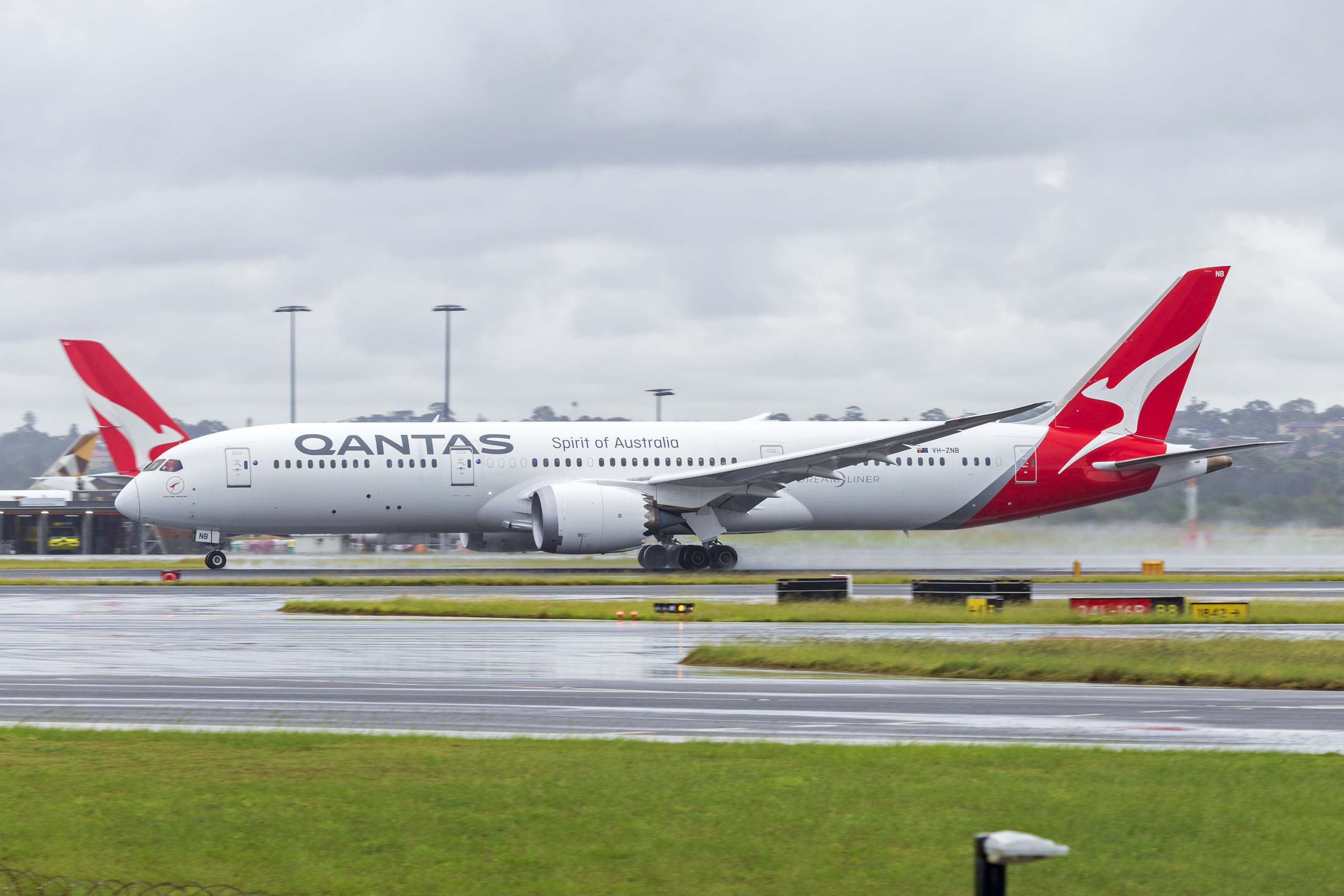
Qantas cancelled a flight from Rome to Perth after passengers reported bedbug bites sustained on the aircraft’s previous service. The airline was forced to ground a Boeing 787 Dreamliner in Rome after passengers reported bedbug bites during a long-haul flight from Perth, Australia.
The incident occurred aboard flight QF5 on 9 October, with passengers in the economy cabin complaining of insect bites during the nearly 17-hour journey.
According to Australian media reports, cabin crew provided antihistamines to affected passengers on medical advice, but supplies reportedly ran out.
The aircraft was withdrawn from service, forcing Qantas to cancel its scheduled return flight QF6 from Rome to Perth on Saturday, 10 October.
Qantas apologises as passengers face two-day disruption
Qantas confirmed the cancellation was necessary to allow its engineering and maintenance teams to thoroughly clean the aircraft.
“We sincerely apologise to customers for the cancellation of Saturday’s Rome to Perth service, which allowed our engineers and maintenance teams to carry out a deep clean of the aircraft after an issue was identified on a small number of economy seats,” a Qantas spokesperson said in a statement reported by PerthNow.
The airline provided passengers with accommodation and rebooked them on alternative flights within 48 hours of their original departure.
Qantas said its aircraft cabins are regularly cleaned to high standards, with precautionary disinfection treatments conducted every 50 days.
How do bedbugs get onto aircraft?
Bedbugs are small parasitic insects that feed on human blood. They can be transported between locations in luggage, clothing and other personal belongings.
Professor Michelle Power, a parasitologist at Macquarie University, told The Guardian that the insects were likely brought aboard in a passenger’s luggage or clothing.
The insects can hide in fabric seams, upholstery and small crevices, making them difficult to detect and eliminate.
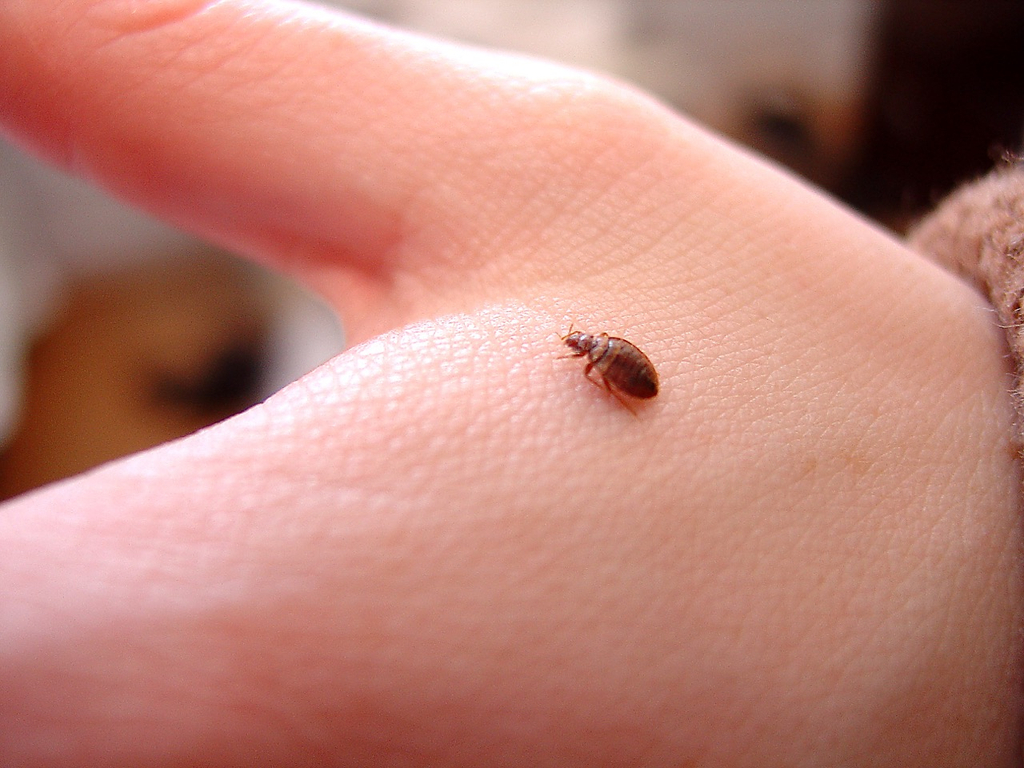
According to WebMD, bedbugs are not known to transmit disease, although their bites can cause itching, discomfort and, in some cases, allergic reactions.
Removing an infestation can require specialist treatment beyond routine aircraft cabin cleaning.
Airlines handle aircraft infestations with a variety of methods including:
- Thermal heat treatments that cycle high temperatures through the cabin, cockpit, and cargo areas. Heat kills bedbugs in all life stages.
- Specialised disinfectants and foggers applied by pest control services.
- Vacuuming and steam treatments performed by maintenance staff after removing seat covers.
Previous bedbug incidents on commercial flights
Qantas is not the first airline to encounter bedbugs aboard passenger aircraft.
Bedbug Incidents on Aircraft
| Airline | Incident Details | Resolution & Handling |
|---|---|---|
| Delta Air Lines / KLM (March 2025) | A family discovered bedbugs crawling on their clothes and caught them on a napkin during a flight from Atlanta to Amsterdam. | The incident led to a lawsuit filed against the airlines by passengers who suffered numerous painful bites. |
| Turkish Airlines (2024) | Passengers independently reported bedbug sightings on three separate long-haul flights, including routes to San Francisco and Washington. | The airline faced criticism for offering minimal compensation, such as 10% discount vouchers or bonus loyalty points. |
| British Airways (January 2024 & 2017) | Cabin crew refused to board a flight from London Heathrow to Ghana minutes before departure after live bedbugs were spotted on the seats. | The flight was delayed for 4 hours while the airline swapped aircraft. (BA also publicly apologised for a bedbug issue in its Business Class cabin in 2017). |
| Air India (2018) | Passengers flying Business Class shared viral photos of severe bedbug bites following a flight from New York to Mumbai. | The airline issued a formal apology and grounded the aircraft for extensive fumigation. |
While nasty, bedbugs on planes don’t reflect poor airline cleaning practices. Unfortunately, these little bugs are expert hitchhikers and travel happily around the world on passenger clothing and luggage without paying a dime for the flight.
Though they fly free, bedbug infestations are costly. For an airline, removing bedbugs from a commercial aircraft can cost between $75,000 and $125,000 per incident. The bill from a pest control company to steam-clean, heat-treat, or fumigate the plane ranges from $10,000 to $15,000, but the financial impact of keeping the aircraft out of service is much greater.






