


Flybondi faces deepening financial crisis as fleet shrinks and CEO quits

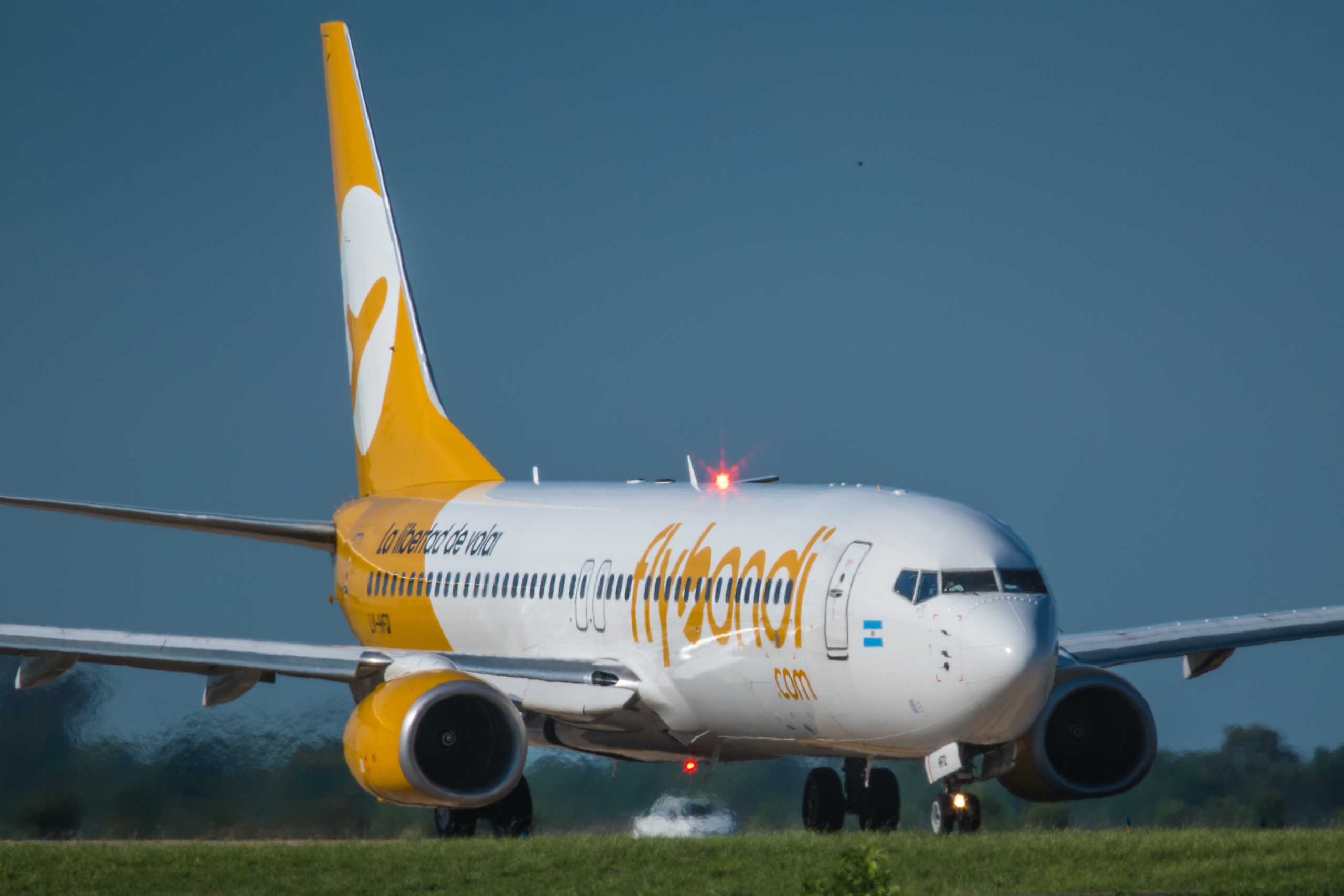
Argentine low-cost carrier Flybondi is facing one of the most challenging periods in its history, with a dramatically reduced operational fleet, mounting financial pressures, senior executive departures, and widespread flight cancellations drawing increasing scrutiny from regulators and passengers alike.
According to local reports, the airline is grappling with a combination of operational and financial difficulties that have significantly disrupted its network and undermined customer confidence. As Flybondi begins the search for a new chief executive, questions remain over its ability to stabilise operations and restore its reputation.
Leadership turmoil adds to operational challenges for Flybondi
As reported by Aviaciononline. Flybondi’s latest setback came with the departure of CEO Paz Lovisolo, less than four months after she assumed leadership of the airline.
Lovisolo was appointed chief executive in February 2026, succeeding Mauricio Sana, who moved to another position within the Miami-based COC Global Enterprise Group, Flybondi’s parent company.
A qualified lawyer, Lovisolo became the airline’s first female CEO and also served as President and General Counsel of COC. According to reports, she is expected to remain in those positions within the group’s wider corporate structure despite stepping down from her role at Flybondi.
Her departure is the latest in a series of high-profile exits from the airline’s management team. In late May, Corporate Affairs Manager Lucía Ginzo and Chief Commercial Officer Federico Pastori also left the company, further highlighting instability within the carrier’s leadership ranks.
Fleet reductions severely impact operations
Flybondi’s operational difficulties have been compounded by a significant reduction in available aircraft.
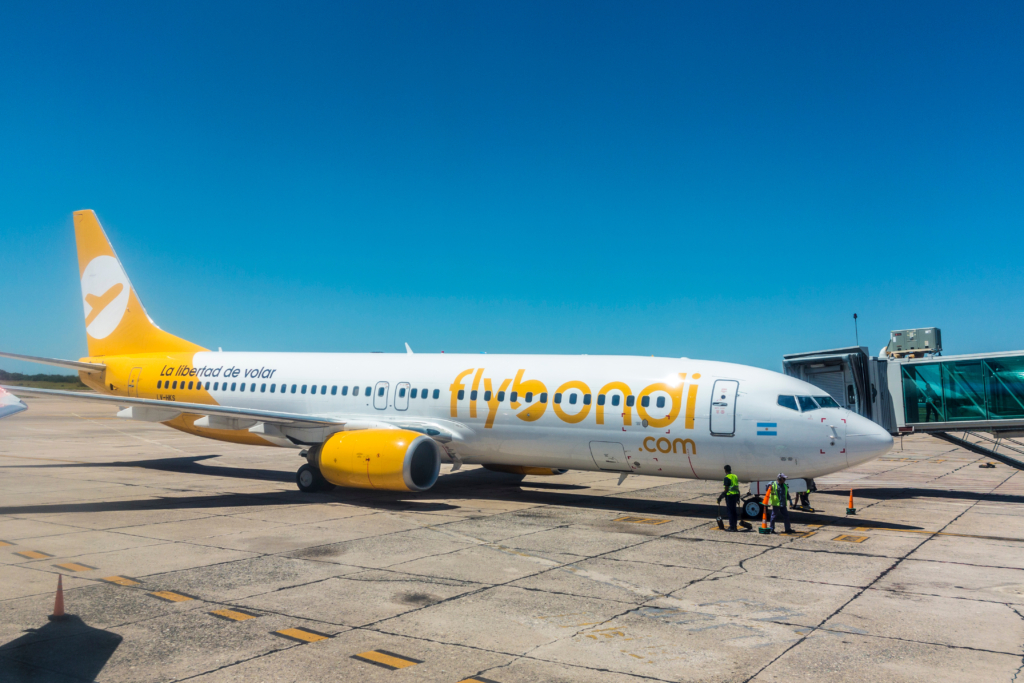
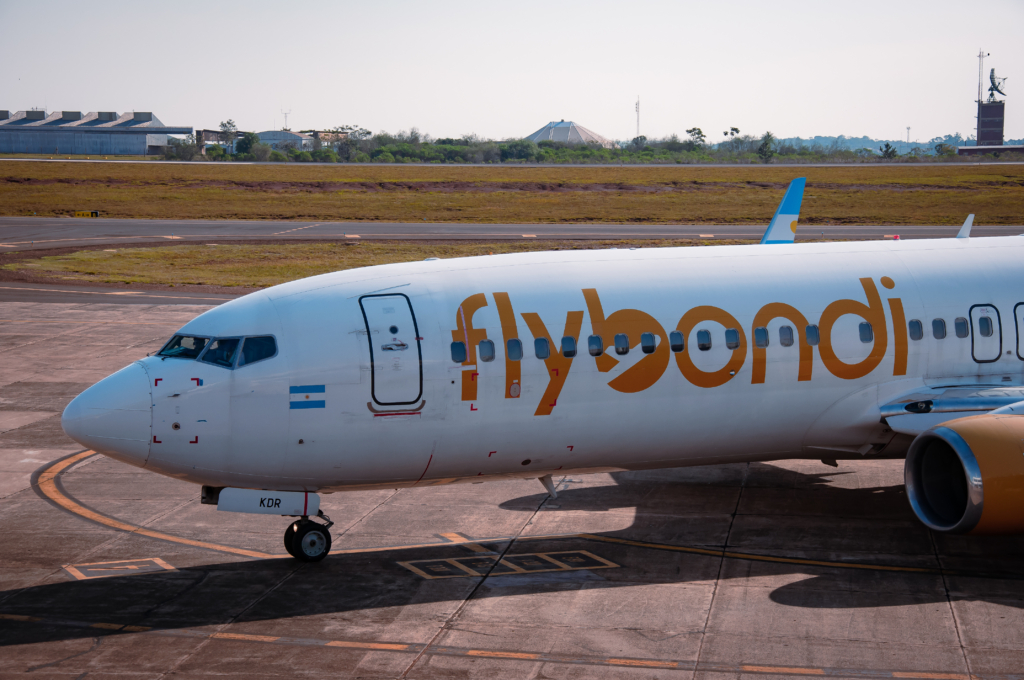
Although data from Planespotters.net indicates that the airline has 12 Boeing 737-800s on its books, many aircraft are currently undergoing maintenance or remain inactive. Flight-tracking data from the first week of June suggests that only one aircraft was operating the airline’s remaining scheduled services, following the suspension of numerous routes since the beginning of 2026.
The situation has been exacerbated by the ending of a wet-lease agreement with Europe’s Avion Express, which had provided several Airbus A320 aircraft to support Flybondi’s operations.
The loss of these aircraft accelerated network reductions across Argentina and international markets, leading to widespread disruption for passengers.
The airline hopes to return a second aircraft to service following maintenance work, potentially increasing its active fleet to two aircraft by the end of the month.
Nevertheless, the reduction in flying activity has already prompted workforce restructuring measures, including a voluntary retirement programme launched in March and additional staff layoffs linked to route cancellations.
Passenger confidence in Flybondi continues to decline
The shortage of operational aircraft has led to a sharp increase in flight disruptions and customer dissatisfaction.
Reports indicate that Flybondi’s cancellation rate has been significantly higher than that of other domestic carriers. In April 2026 alone, the airline reportedly carried approximately 91,000 fewer passengers than during the same month a year earlier.
Customer reviews on platforms such as Trustpilot reflect growing frustration among travellers, with many complaints focusing on last-minute cancellations, limited communication, and dissatisfaction with refund and compensation processes.
Financial pressures raise further concerns
Operational challenges have been accompanied by reports of financial strain.
Argentine media outlets have reported delays in salary payments during April, which the airline attributed to administrative issues. The reports have fuelled speculation regarding the company’s financial position, including its ability to meet payroll obligations and settle maintenance-related expenses.
At the same time, airlines worldwide have faced higher operating costs as fuel prices have risen sharply since the outbreak of the Iran conflict, placing additional pressure on carriers with already fragile finances.
Industry analysts suggest that unless Flybondi can return more aircraft to service, flight cancellations are likely to continue, further weakening revenue generation. With only one or two active aircraft, the airline may struggle to generate sufficient income to offset the costs associated with ongoing disruptions and passenger compensation.
Combined with a workforce originally sized for a much larger operation, these challenges present a complex and uncertain outlook for the carrier.
Expansion plans face increased scrutiny
Flybondi’s current difficulties contrast sharply with the ambitious growth plans announced following the airline’s acquisition by COC Global Enterprise Group in 2025.
In December 2025, the carrier revealed plans to acquire 15 Airbus A220-300s and 10 Boeing 737 MAX 10 aircraft, alongside options for an additional five of each type. If fully exercised, the agreements would have increased Flybondi’s future fleet to approximately 35 aircraft.
Deliveries of the A220s were scheduled between 2027 and 2029, while the 737 MAX 10s were expected to arrive from 2027 through 2030. The expansion programme was presented as a major long-term investment backed by COC Global Enterprise.
However, with Flybondi’s financial position under growing scrutiny and its current operation reduced to a fraction of its former scale, industry observers are increasingly questioning whether these fleet commitments remain achievable.
As the airline works to restore operational stability, its ability to secure additional aircraft, rebuild customer confidence, and strengthen its financial position will likely determine whether it can successfully navigate the most severe crisis in its history.
Featured image: Gonzalo / stock.adobe.com


