


Horizon Aircraft secures $600m Cavorite X7 agreement for up to 100 aircraft

3 min read

Horizon Aircraft has signed a letter of intent with Australian operator V-Star Powered Lift Aviation covering up to 100 Cavorite X7 hybrid-electric vertical take-off and landing aircraft, in a potential agreement valued at $600m.
The preliminary deal covers five aircraft and options for another 95. V-Star intends to pay a firm deposit to secure delivery positions for the initial five aircraft once the companies execute a definitive purchase agreement.
It is not yet a firm order, while the value depends on V-Star exercising all 95 options.
The Adelaide-based operator plans to deploy the Cavorite X7 on aeromedical, search and rescue and regional transport operations across Australia.
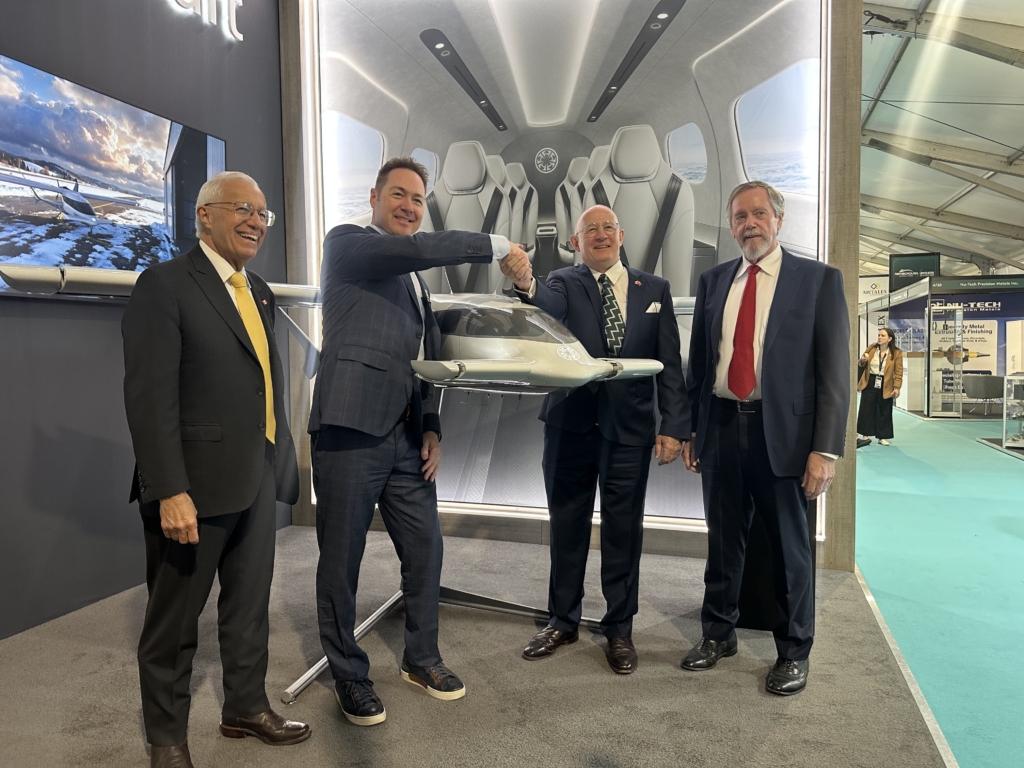
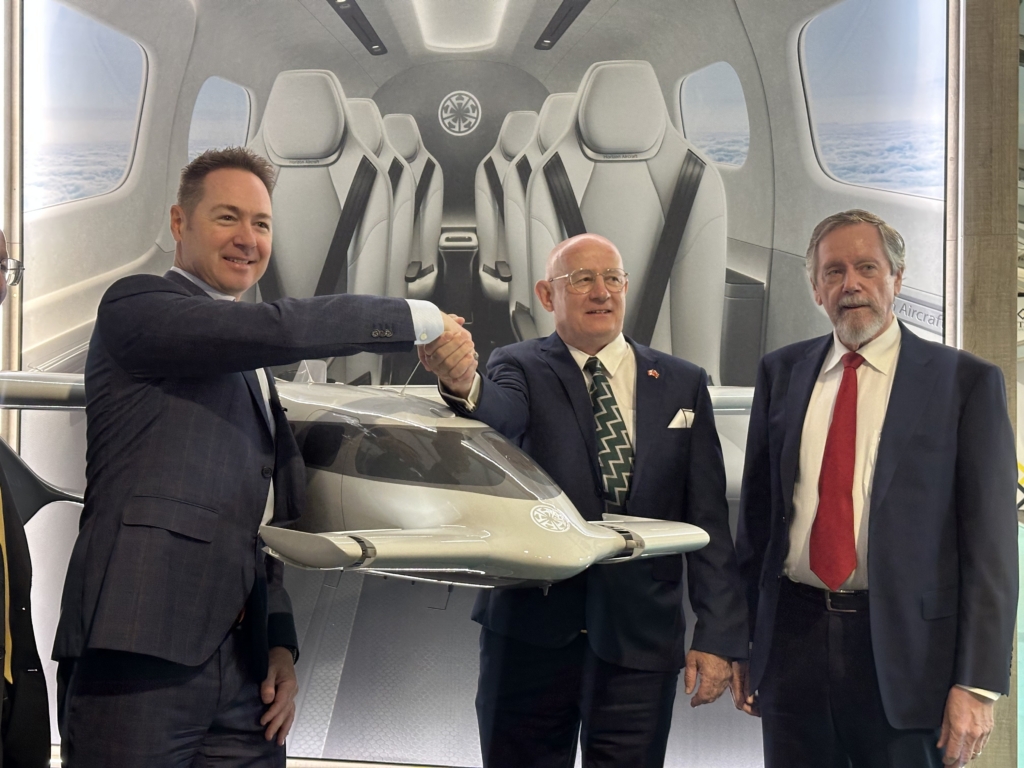
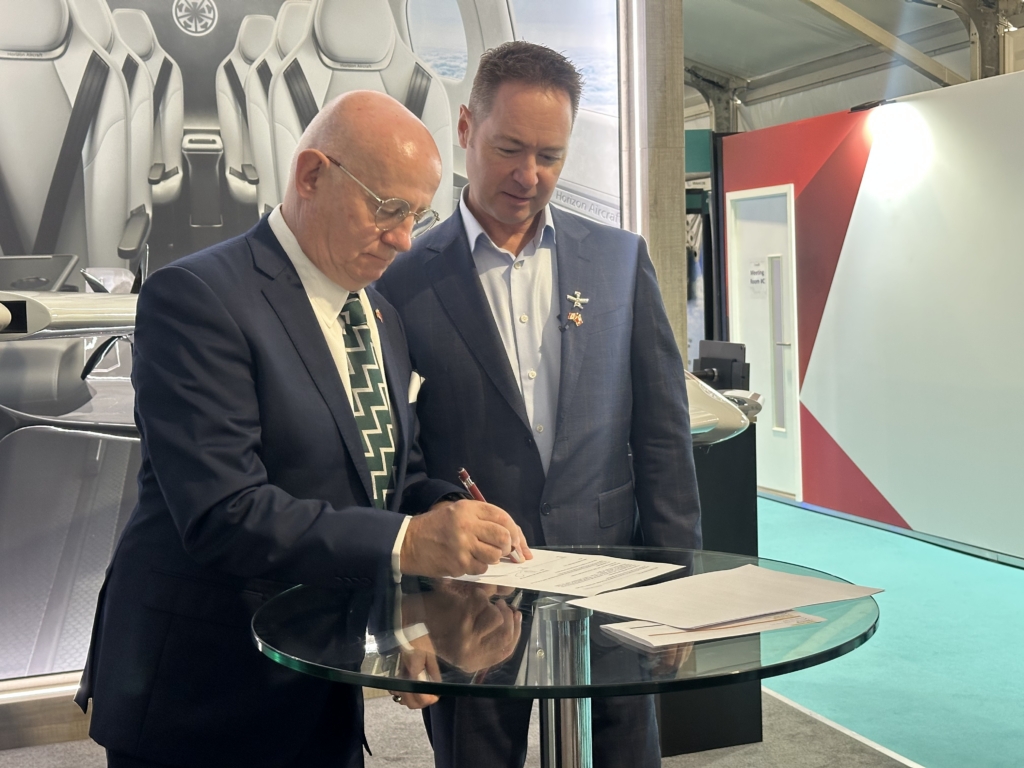
V-Star argues that the aircraft’s anticipated speed and vertical take-off and landing capability could shorten emergency response and patient transfer times, particularly across Australia’s large and sparsely populated regions.
“Flying at nearly twice the speed of helicopters, the addition of Cavorite X7s to our fleet will be a critical advantage to help people in need when minutes matter,” said V-Star CEO Tony Laws.
“V-Star is committed to delivering leading powered-lift technologies across Australia to improve outcomes on critical missions, and this LOI with Horizon Aircraft brings us one step closer to a new standard for emergency services operations and cost-effective transport solutions in regional Australia.”
Cavorite X7 targets regional and emergency missions
The seven-seat Cavorite X7 is designed to combine vertical take-off and landing with conventional wingborne cruise.
Horizon’s patented HOVR Wing architecture houses electrically powered ducted lift fans inside the wings and canards. These provide lift during take-off and landing before covers close over the fans as the aircraft transitions into forward flight.
A rear-mounted propeller then powers the aircraft during cruise, allowing it to fly in a configuration closer to that of a conventional fixed-wing aircraft.
The hybrid-electric propulsion system combines batteries with an onboard generator driven by an internal combustion engine. Horizon says this should give the aircraft greater range and reduce its reliance on ground-based charging infrastructure compared with fully electric designs.

The company is targeting a range of more than 500 miles, a maximum speed of at least 250 knots and a useful load of approximately 1,500 lb in VTOL operations.
“V-Star’s intentions of moving to a firm order to deploy Cavorite X7s for time-critical missions makes this LOI significant,” said Horizon Aircraft co-founder and CEO Brandon Robinson. “As more operators learn how the X7 is a compelling operational and economic alternative to helicopters, we believe a significant transformation will occur across emergency air services worldwide.”
Full-scale Cavorite X7 testing targeted for 2027
Horizon completed flight testing of a half-scale Cavorite prototype in 2025, including hovering and the transition into forward flight.
The Canadian company is now assembling its first full-scale technical demonstrator. Initial testing is targeted for the first quarter of 2027, although Horizon’s regulatory filings acknowledge that significant parts of the aircraft still need to be completed and tested at full scale. Horizon Aircraft does not expect production of a certified aircraft to begin before 2029.
The company is working with Cert Centre Canada to develop a certification basis for the aircraft, with Transport Canada Civil Aviation expected to lead the type certification process.
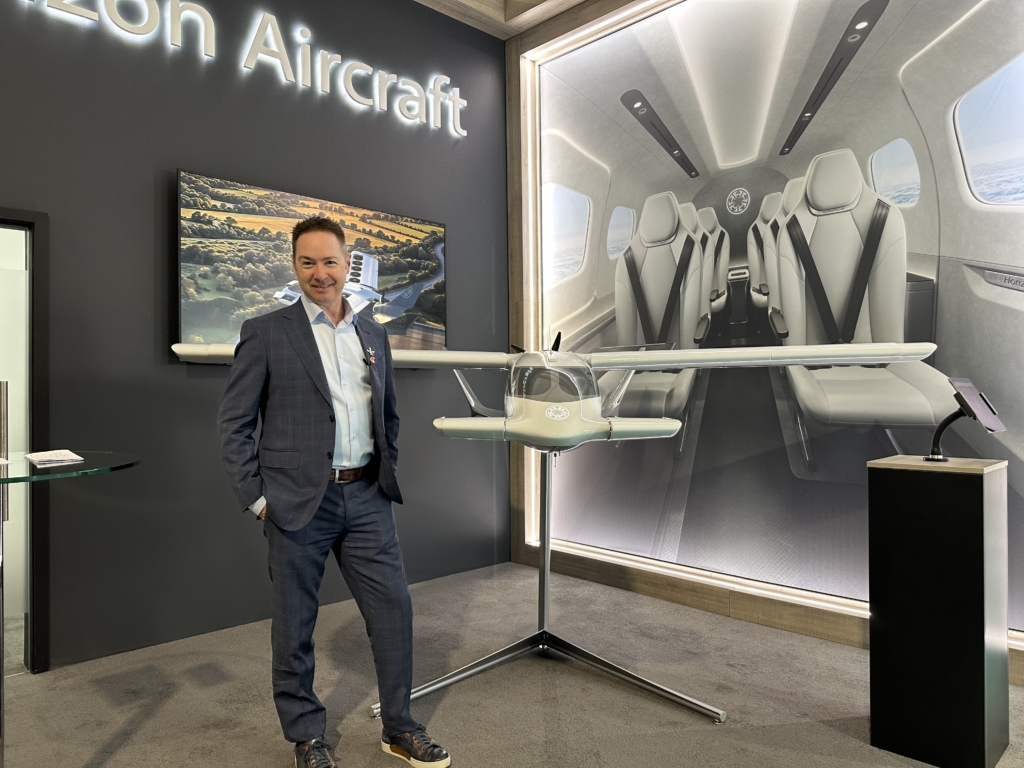
V-Star specialises in powered-lift operations and intends to provide services spanning flight operations, training, infrastructure, logistics and engineering support. Its proposed fleet already includes the Leonardo AW609 tiltrotor, while the company says it has also secured an agreement with Switzerland’s Dufour Aerospace.
The Cavorite X7 agreement gives V-Star another potential platform for its planned Australian network, but deliveries remain dependent on the LOI becoming a definitive order and Horizon completing development, certification and production of the aircraft.
Sign up for our newsletter and get our latest content in your inbox.



More from


October 11, 20263 min read





