


Saab and GA-ASI fly world’s first uncrewed AWACS system aboard MQ-9B drone

3 min read
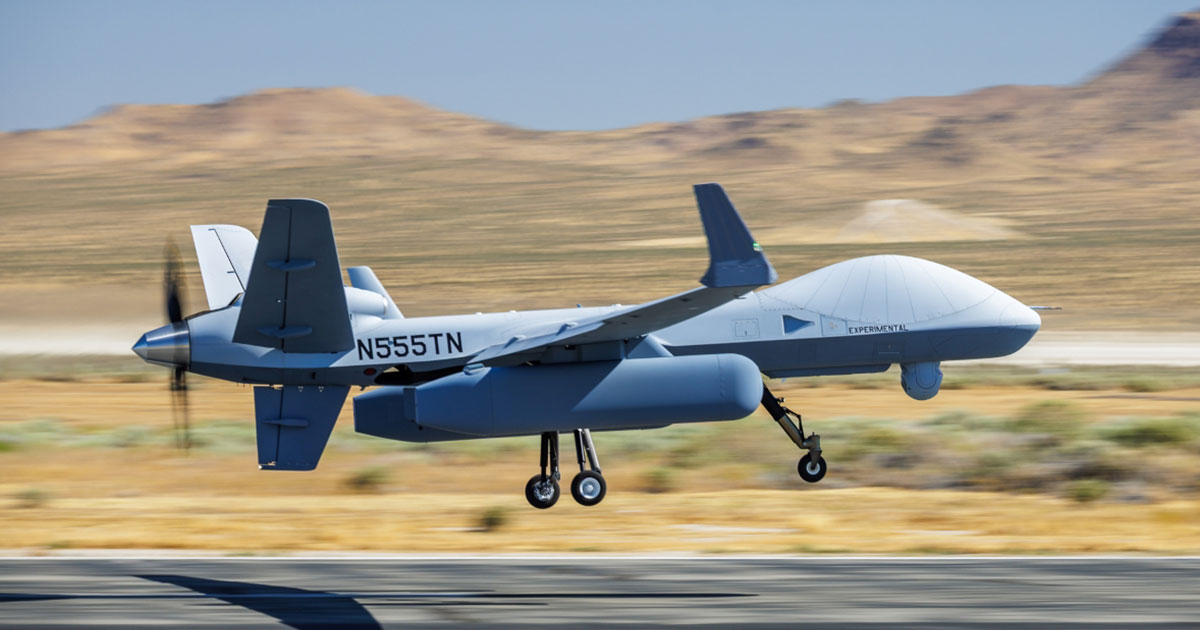
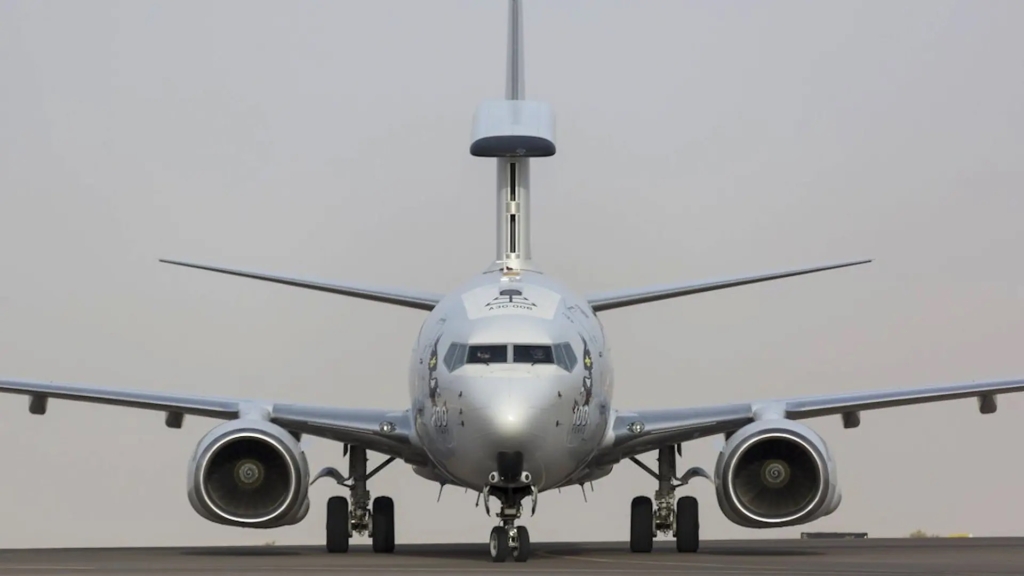
Saab and General Atomics Aeronautical Systems (GA-ASI) have successfully test flown an airborne early warning variant of the MQ-9B drone developed from the Reaper, demonstrating what could become a lower-cost complement to larger manned AWACS aircraft such as the Boeing E-7 Wedgetail.
Saab test flies first MQ-9B LoyalEye
The MQ-9B was equipped with Saab airborne early warning radar pods during a validation flight conducted in Southern California on 19 May. Saab and GA-ASI said a full-capability demonstration flight is planned later in 2026.
GA-ASI said the new configuration could provide persistent airborne surveillance capabilities in regions where traditional airborne early warning aircraft are unavailable or too costly to deploy.

GA-ASI President David R. Alexander said the system would provide “critical aloft sensing to defend against tactical air munitions, guided missiles, drones, fighter and bomber aircraft, and other threats.”
He added: “It will also help avoid putting aircrews in harm’s way.”
Get the latest aerospace defence news here on AGN.
Project announced less than 12 months ago
The two companies first announced their partnership in June 2025 with plans to fly in 2026.
At the time, Alexander described the project as “an affordable AEW solution” developed with Saab, which is already a major supplier of airborne early warning and control systems.
MQ-9B advanced #UAS provides unmatched range and endurance for multi-mission operations. With a rich intelligence picture derived from advanced sensors and specialized payloads, #MQ9B delivers persistent ISR in all domains. #SOFWeek2026
— General Atomics Aeronautical Systems, Inc (GA-ASI) (@GenAtomics_ASI) May 20, 2026
Read more: https://t.co/aySy2ukuE3 pic.twitter.com/LAJSd0YWjQ
Conventional airborne early warning aircraft such as the E-7 Wedgetail are expensive, take years to develop, and are generally procured in relatively small numbers. The MQ-9B-based LoyalEye could help fill capability gaps while reducing acquisition timelines and operating costs.
While the drone-based system is expected to be less capable than larger manned platforms, it could operate effectively in a complementary role alongside them.
The development also comes as the USAF returns to the E-7 Wedgetail programme, asking Congress for funding. In the longer time, the USAF wants to move its AWACS capabilities into space, but that will take time, and there may still be a role for aircraft-based sensors.
European countries are looking for European AWACS solutions for which Saab is the primary European contractor.
Separately, the Chief of Staff of the US Air Force said earlier this week that the most valuable player in the Iranian Operation Epic Fury was the MQ-9 used for “many strikes” with no other platform coming “even close”.
The US is estimated to have lost at least 24 MQ-9s shot down over Iran during the operation, demonstrating both their vulnerability and utility.
Royal Navy could emerge as a key customer
No customers for the MQ-9B AEW variant have yet been publicly disclosed, although several existing MQ-9B operators could emerge as potential buyers.
MQ-9B variants include the SkyGuardian, SeaGuardian, the UK’s Protector RG.1, and a STOL version currently under development for aircraft carrier operations.
Operators and customers of the MQ-9B family include Belgium, Canada, India, Japan, Poland, Taiwan and the United Kingdom.
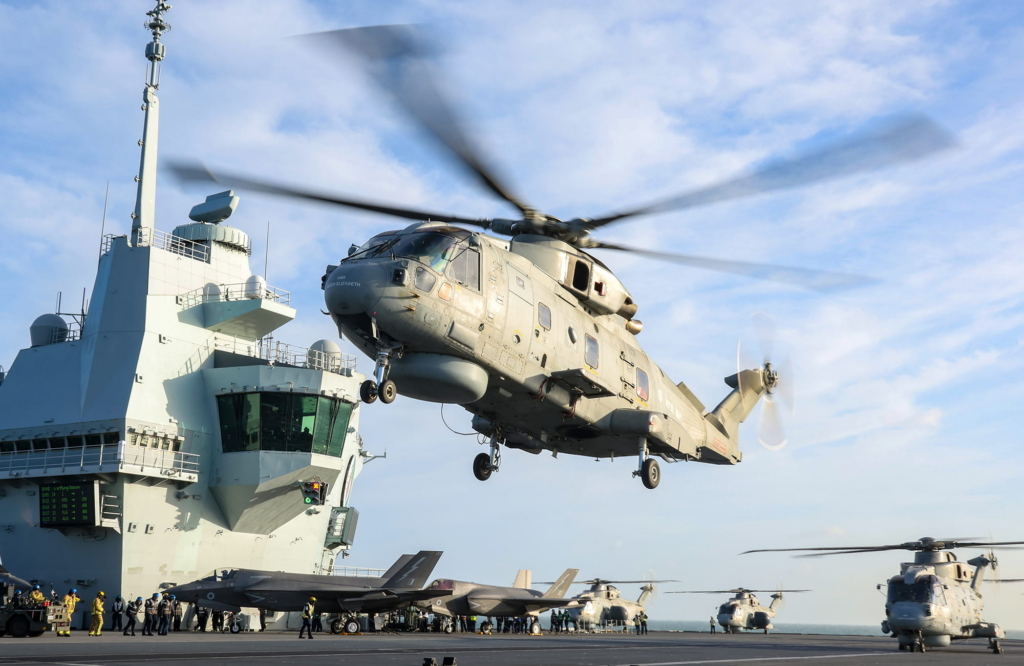
The Royal Navy’s future Carrier Strike Airborne Early Warning requirement could become one of the programme’s most significant opportunities.
GA-ASI President David R. Alexander previously said: “We’re also making AEW capability possible in areas it doesn’t exist today, such as from some navy warships at sea.”
The Royal Navy is currently seeking a future airborne early warning solution to replace the Merlin HM2-based Crowsnest system, which is scheduled to retire by the end of 2029.
UK defence procurement minister Maria Eagle recently confirmed that MQ-9-based systems are being “considered as a candidate”.
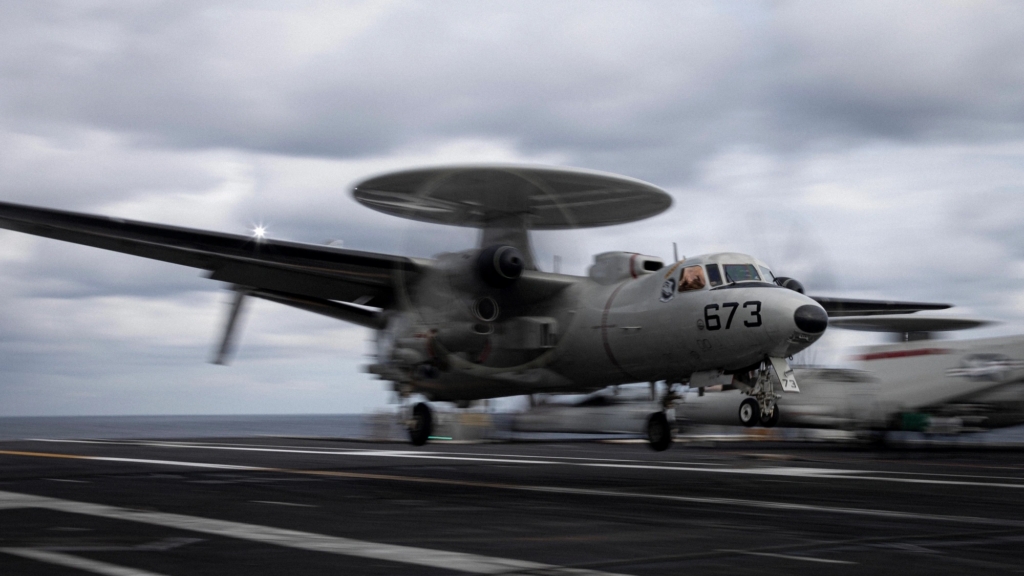
The US Navy and French Navy currently operate the more capable E-2D Hawkeye carrier-based airborne early warning aircraft. However, the Royal Navy’s ski-jump Queen Elizabeth-class aircraft carriers are unable to operate them.
Featured Image: GA-ASI
Sign up for our newsletter and get our latest content in your inbox.


More from


September 17, 20265 min read

September 17, 20263 min read


September 18, 20263 min read

