


The rising cost of Operation Epic Fury: US aircraft losses could hit $7bn

5 min read
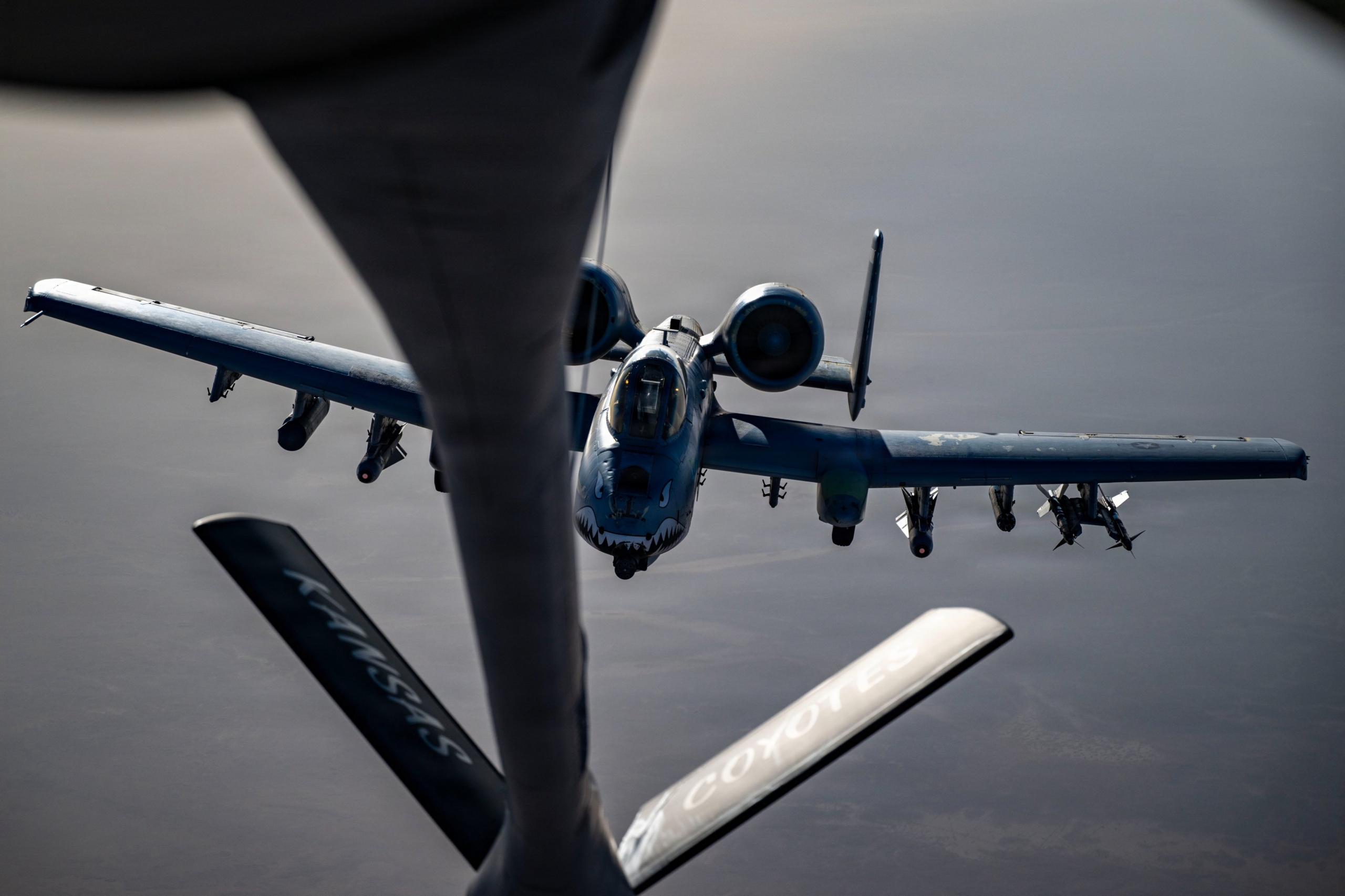
The US has lost billions of dollars of aircraft so far during its Operation Epic Fury (OEF) in Iran, according to a recently published Defence and Intelligence report prepared for Congress.
The report lists 42 fixed-wing or rotary-wing aircraft, including uncrewed aircraft (drones), that were reportedly lost or damaged in OEF, based on news reports and statements from the Department of Defence and US Central Command (CENTCOM).
While the DOD has not yet published a comprehensive assessment of combat losses in OEF, Acting Pentagon Comptroller Jules W. Hurst III testified during a May 12 hearing that the department’s cost estimate for military operations in Iran has risen to $29 billion.
“A lot of that increase comes from having a refined estimate on repair or replacement costs for equipment,” he said.
The list of US aircraft losses in Iran so far
While the number of aircraft damaged or destroyed could be revised, the report cites the following:
Four F-15E Strike Eagle fighter aircraft
As the F-15E is out of production, its replacement is the F-15EX. In the FY27 Air Force plan, the cost is estimated at $125 million each (based on $3.0 billion for 24 F-15EX aircraft). The total replacement cost for the four aircraft would be $500 million.

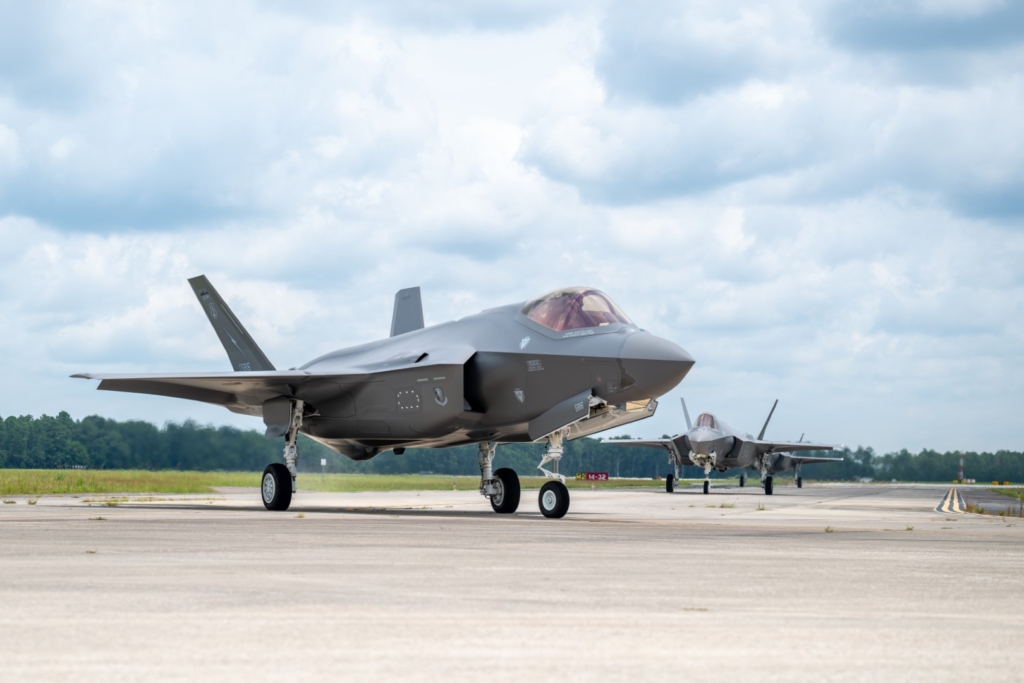
One F-35A Lightning II fighter aircraft
The replacement cost would be $195 million, based on the US Air Force budget request of $7.4bn for 38.
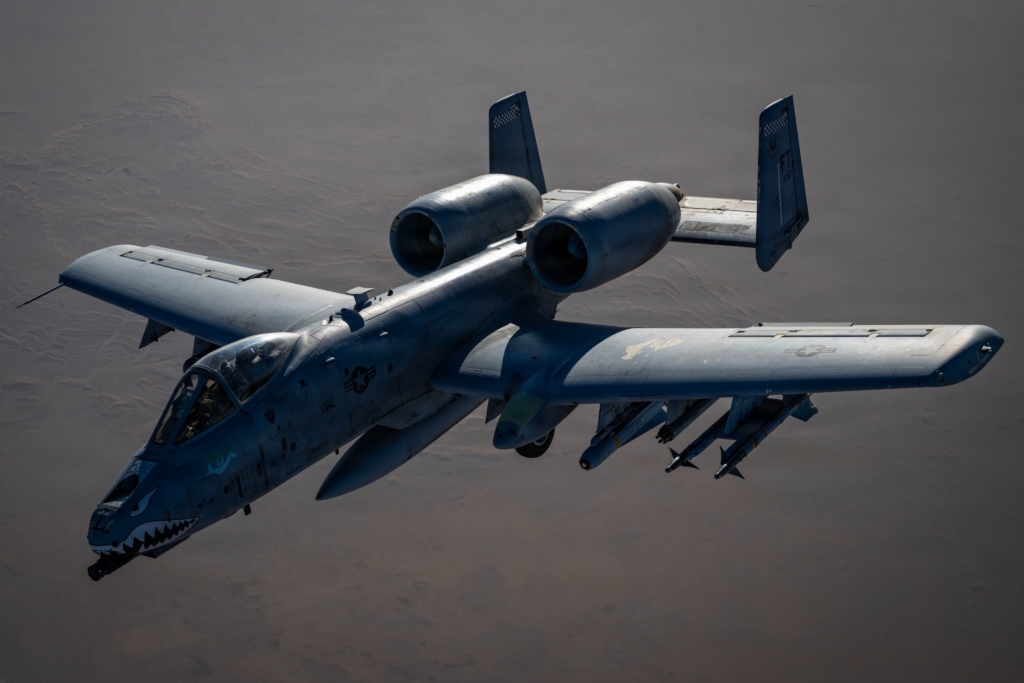
One A-10 Thunderbolt II ground-attack aircraft
Replacing a lost A-10 Thunderbolt, which has been out of production since 1984, would likely require a new F-35A at a cost of $195 million.
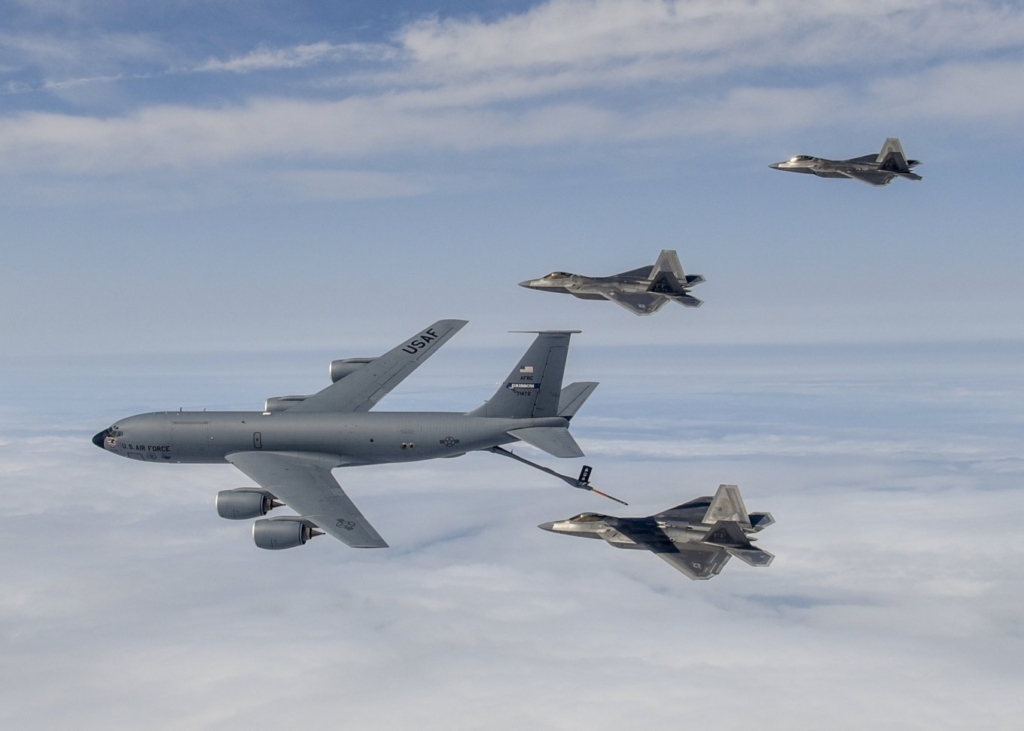
Seven KC-135 Stratotanker aerial refuelling aircraft
The out-of-production aircraft would be replaced by KC-46As at a cost of $260 million each, based on a USAF budget estimate of $3.9 billion for 15 aircraft. The total replacement cost would be $1.8 billion.
One E-3 Sentry airborne early warning-and-control system aircraft (AWACS)
The E-3 Sentry is no longer in production, and the fleet is shrinking. In 2024, Boeing received a $2.56 billion contract from the United States Air Force for two rapid prototype E-7A AEW&C Wedgetail aircraft to replace the E-3 Sentry.

However, the Department of Defence cancelled the program in 2025, with plans to use satellite-based ISR systems instead.
The US Pentagon is reportedly rethinking its decision to cancel the E-7 replacement programme and is considering adding the E-7 back into its budget, as the Iran conflict has highlighted the strategic value of the E-3 Sentry.
Two MC-130J Commando II special operations aircraft
The US Air Force fact sheet values this aircraft at $114.2 million each, as of FY22, though it is not currently running in production. Lockheed Martin delivered AFSOC’s final planned MC-130J in December 2024 after a production run lasting more than 14 years.

While the Air Force has completed procurement of the MC-130J Commando II, Lockheed continues to produce the underlying C-130J Super Hercules platform, so replacement aircraft could still be built—though likely at a higher cost.
One HH-60W Jolly Green II combat search-and-rescue helicopter
The HH-60W Jolly Green II is significantly more expensive than a standard UH-60 Black Hawk because it incorporates advanced combat rescue systems, expanded fuel capacity, defensive suites, aerial refuelling capability and specialised communications equipment.
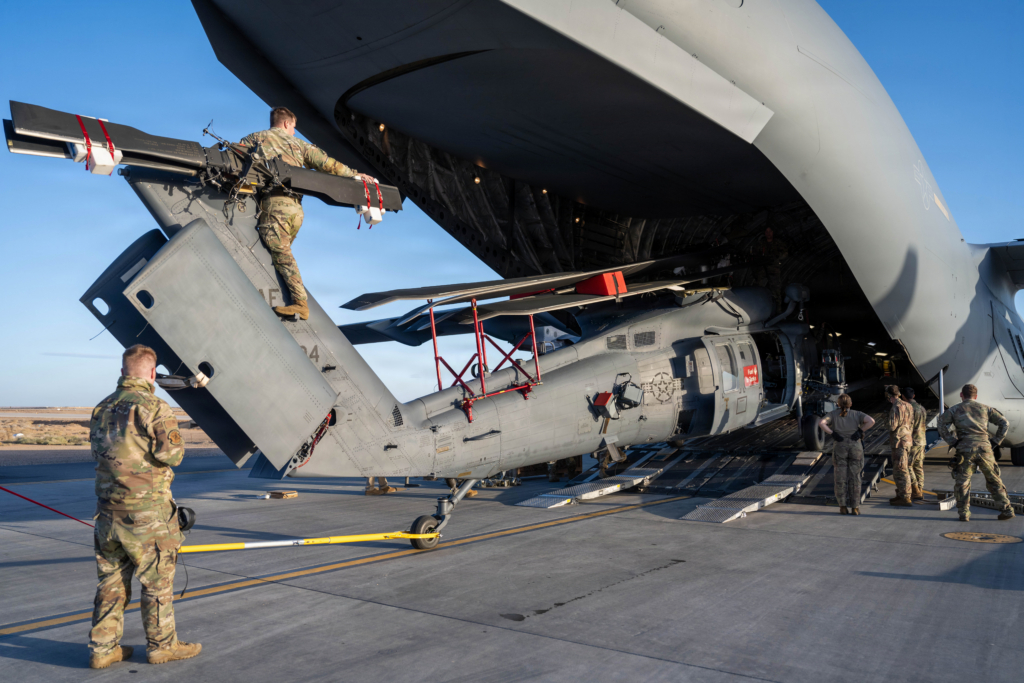
The FY2021 Selected Acquisition Report for the HH-60W programme shows an acquisition cost of about $7.5 billion for a planned fleet of 113 aircraft (which was later reduced, raising unit costs), with each aircraft costing approximately $66–$70 million.
Replacing a single HH-60W Jolly Green II combat rescue helicopter would likely cost the Pentagon roughly $70 million to $80 million in today’s dollars, before accounting for support equipment and training costs.
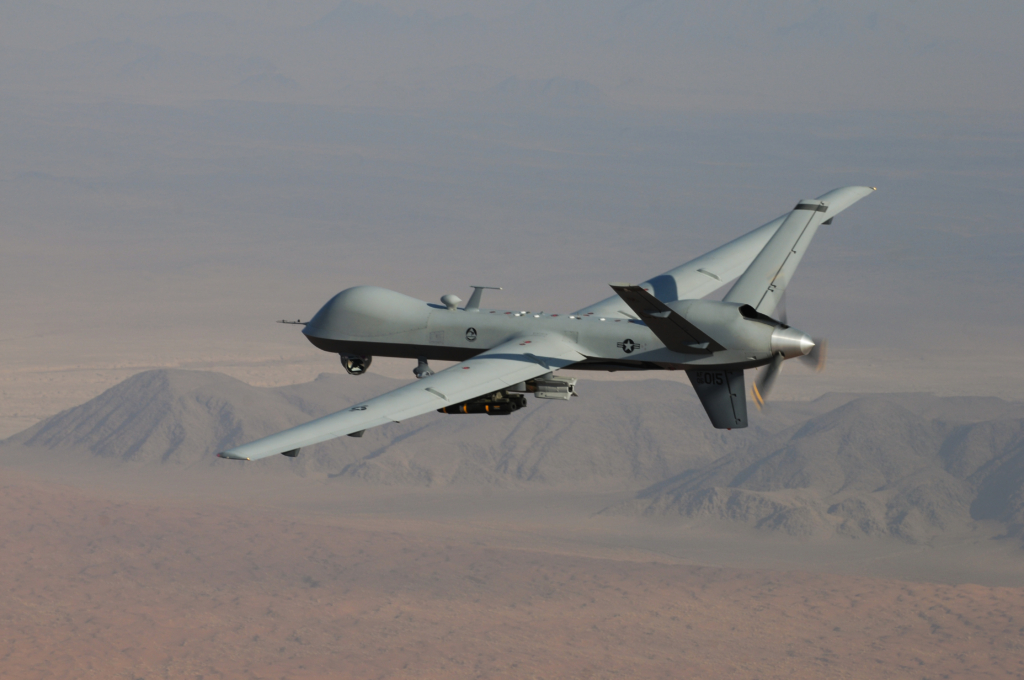
Twenty-four MQ-9 Reaper medium-altitude long-endurance uncrewed aircraft
MQ-9 Reaper drones can cost around $30 million dollars each, depending on their configuration. Replacing the 24 lost units might cost the Pentagon around $720 million.
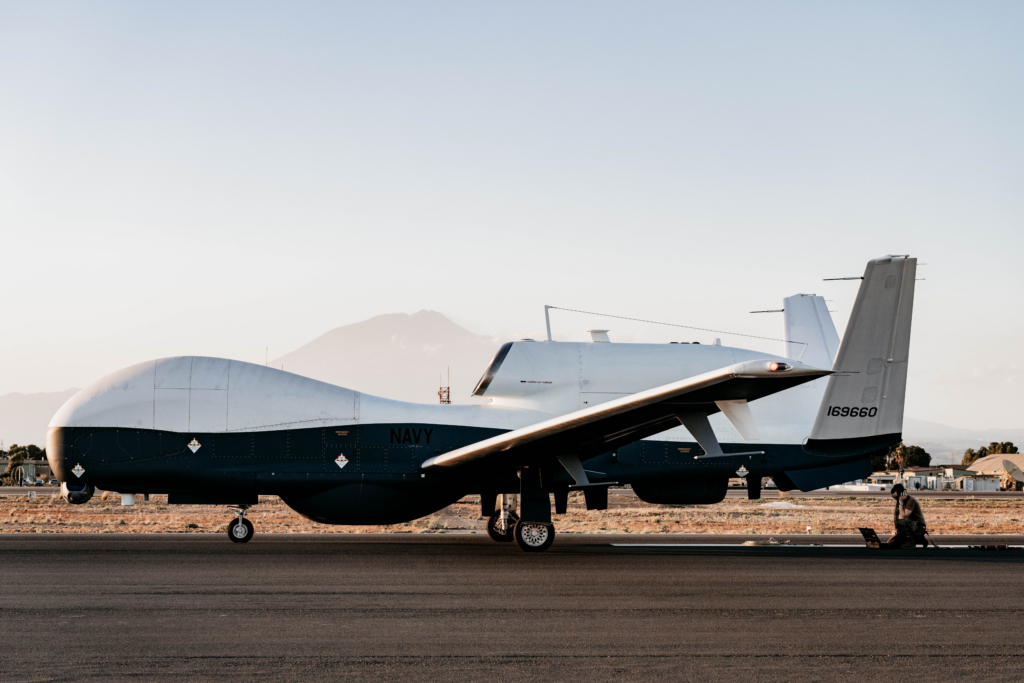
One MQ-4C Triton high-altitude long-endurance uncrewed aircraft
The specialised MQ-4C Triton naval surveillance drone, which reportedly crashed in a mishap, comes with a hefty price tag estimated between $235-$250 million. The high costs of the programme have limited the fleet to only 20 active aircraft.
The aircraft costs of an extended campaign in Iran
The initial estimates of lost aircraft presented to Congress may still be revised upward as the Iran campaign continues, but based on the Congressional report and available aircraft cost estimates, the tally of fleet losses could exceed $4 billion so far.
That does not account for the additional costs and delays of launching replacement aircraft programs that were halted or have been completed, nor the costs of support equipment and training.
The possible relaunch of the E-7 prototype programme would likely now cost more than the $2.56 billion Boeing quoted in 2024, potentially raising the OEF aircraft bill to around $7 billion.
These are only our estimates based on available aircraft prices, but by any calculation, Operation Epic Fury is proving as expensive as it is extensive.
Featured Image: US CENTCOM
Sign up for our newsletter and get our latest content in your inbox.


More from


September 25, 20264 min read

September 24, 20262 min read


