British startup unveils composite Spitfire inspired by abandoned wartime concept

4 min read
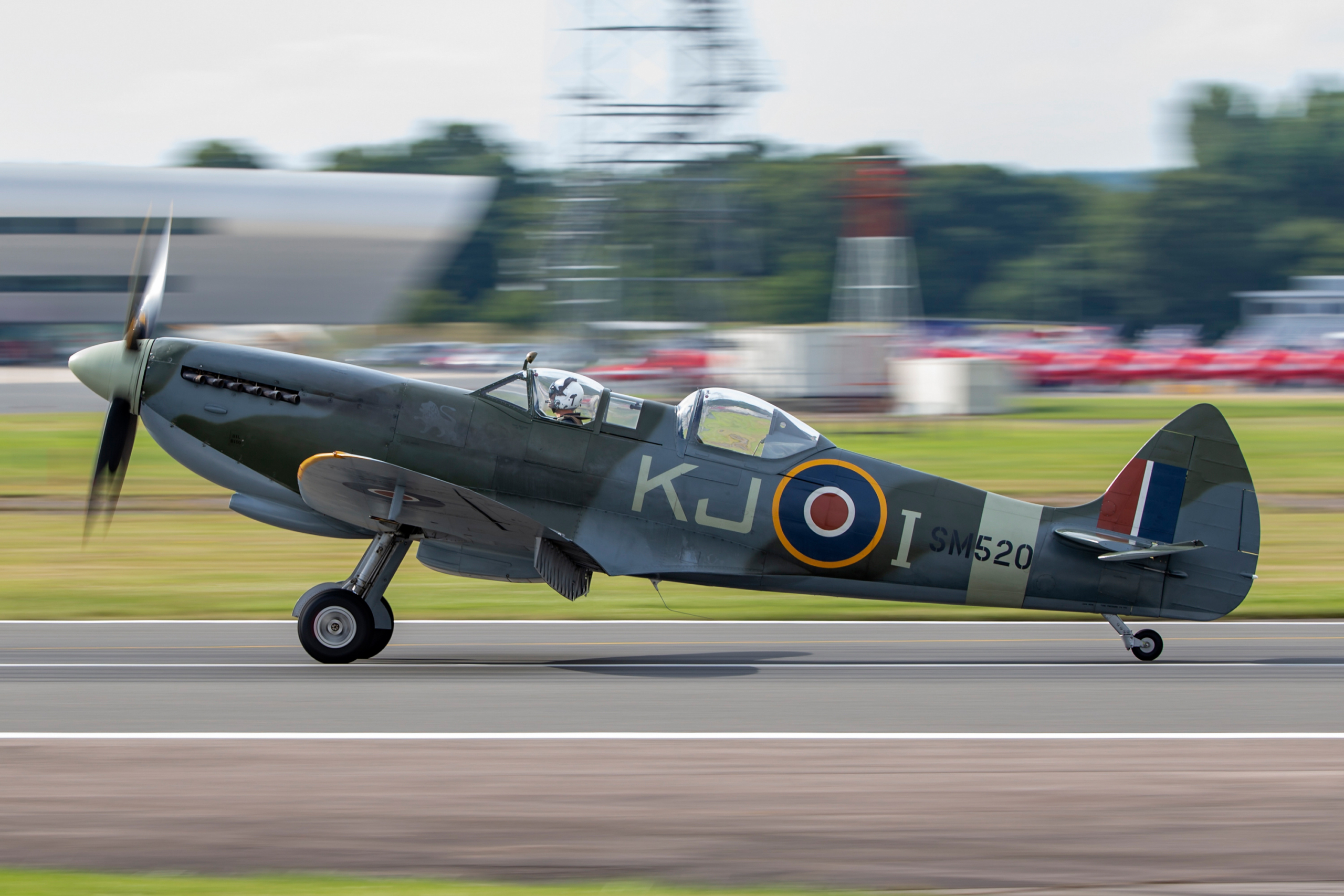
A British startup is attempting to recreate the iconic Supermarine Spitfire as a modern composite kit aircraft, aiming to dramatically reduce ownership costs while preserving the look and feel of the legendary wartime fighter.
Ninety years after the Supermarine Spitfire first took to the skies, a British company is attempting to bring the iconic aircraft back, not as a restored warbird, but as a modern composite kit plane inspired by an abandoned wartime concept.
Cornwall-based startup Great British Supermarine has unveiled the Aerolite Spitfire Type 433, a two-seat composite replica intended to capture the appearance and flying characteristics of the original fighter while dramatically reducing ownership costs.
The company hopes the aircraft could eventually be offered in kit form for around £750,000, significantly below the multi-million-pound prices now associated with original airworthy Spitfires.
The prototype aircraft was publicly unveiled during a vintage air display at Bodmin Airfield in Cornwall on 16 May. Great British Supermarine now plans to take the demonstrator to airshows and aviation events across the UK as it seeks investment and interest from prospective buyers.
Composite Spitfire project revives abandoned wartime aircraft concept
Unlike most modern Spitfire replicas, the company says the project is rooted in a little-known wartime effort to explore composite aircraft construction.
According to Great British Supermarine, British engineers investigated alternative materials during the Second World War amid concerns over potential aluminium shortages. A company called Aero Research developed a material known as Gordon Aerolite, and plans were reportedly explored for a composite Spitfire before the idea was abandoned.
The company says its modern Type 433 effectively continues that halted line of development using contemporary composite manufacturing techniques.
“We built this aircraft as a fully composite showpiece to demonstrate what the final design could look like,” said Jeremy Meeson, co-founder of Great British Supermarine.
“Part of the Spitfire story that isn’t widely known is that, in 1940, Britain explored composite construction as concerns grew over potential aluminium shortages.
“A company called Aero Research developed a material known as Gordon Aerolite, and plans were drawn up for a composite Spitfire before the project was ultimately abandoned.
“What we’re doing today is continuing that story using modern composite materials and manufacturing techniques.”
The company says the project itself has been in development for around 15 years.
Great British Supermarine targets private pilots and warbird enthusiasts
Rather than targeting collectors seeking historically accurate restorations, Great British Supermarine says the aircraft is intended for recreational pilots, syndicates, and flight experience operators wanting a more accessible way to own and fly a Spitfire-inspired aircraft.
Unlike most wartime Spitfires, which were single-seat fighters, the Type 433 has been designed as a two-seater, broadening its potential appeal among private owners and training operators.
Composite construction could also offer practical advantages over historic airframes, including reduced corrosion concerns and lower maintenance requirements. The company additionally claims the aircraft would not require permanent hangarage in the same way as original wartime examples.
Today, only around 75 to 80 airworthy Spitfires are believed to remain worldwide, with operating costs and maintenance requirements placing them far beyond the reach of most private pilots.
Certification and development challenges still face composite Spitfire
Despite the project’s ambitions, the aircraft remains at an early stage of development.
The Type 433 unveiled in Cornwall is currently a non-flying concept demonstrator, and Great British Supermarine has yet to fly or certify the aircraft. The company estimates it could take around two and a half years to progress from the current prototype stage to a production-ready aircraft.
Exactly how the aircraft would be certified, and under which regulatory category it would operate, remains unclear.
David Spencer Evans, chairman of Great British Supermarine, acknowledged that bringing the aircraft to market would be both technically challenging and expensive.
“It’s purely a fun aeroplane, and it’s the sort of thing that a group of friends in a flying club might pool together to buy the kit, put together and fly,” he said.
The Supermarine Spitfire remains one of Britain’s most iconic aircraft
First flown in 1936, the Supermarine Spitfire became one of the defining aircraft of the Second World War and played a central role in the Battle of Britain.
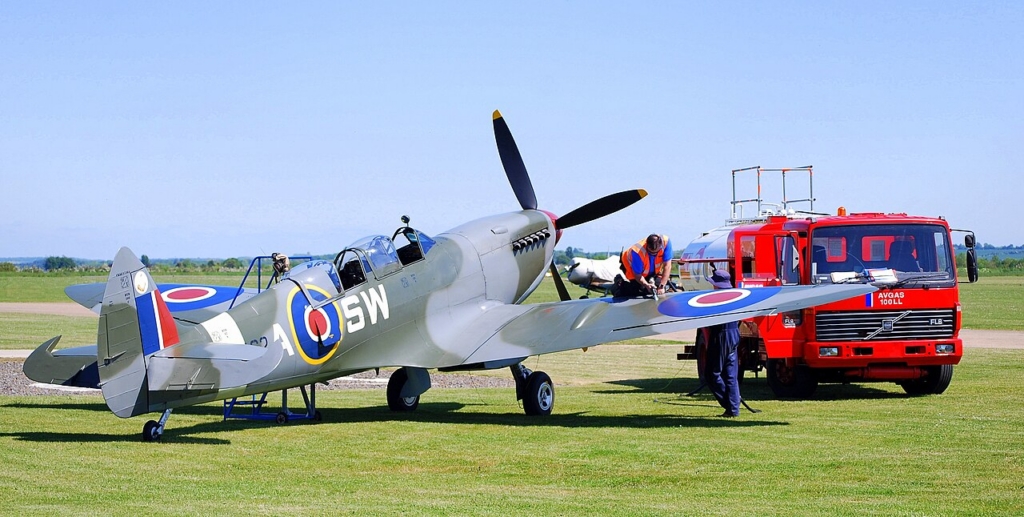
Its distinctive elliptical wing design and manoeuvrability made it one of the most recognisable fighter aircraft ever built, with more than 20,000 produced across numerous variants during and after the war.
Today, the UK remains home to the world’s largest concentration of flying Spitfires, operated by organisations including the RAF’s Battle of Britain Memorial Flight and several private heritage aviation companies.
Featured image: Ryan / stock.adobe.com
Sign up for our newsletter and get our latest content in your inbox.


More from


September 25, 20264 min read

September 25, 20264 min read