


90 years of the Spitfire: The enduring legacy of the iconic British warfighter

4 min read
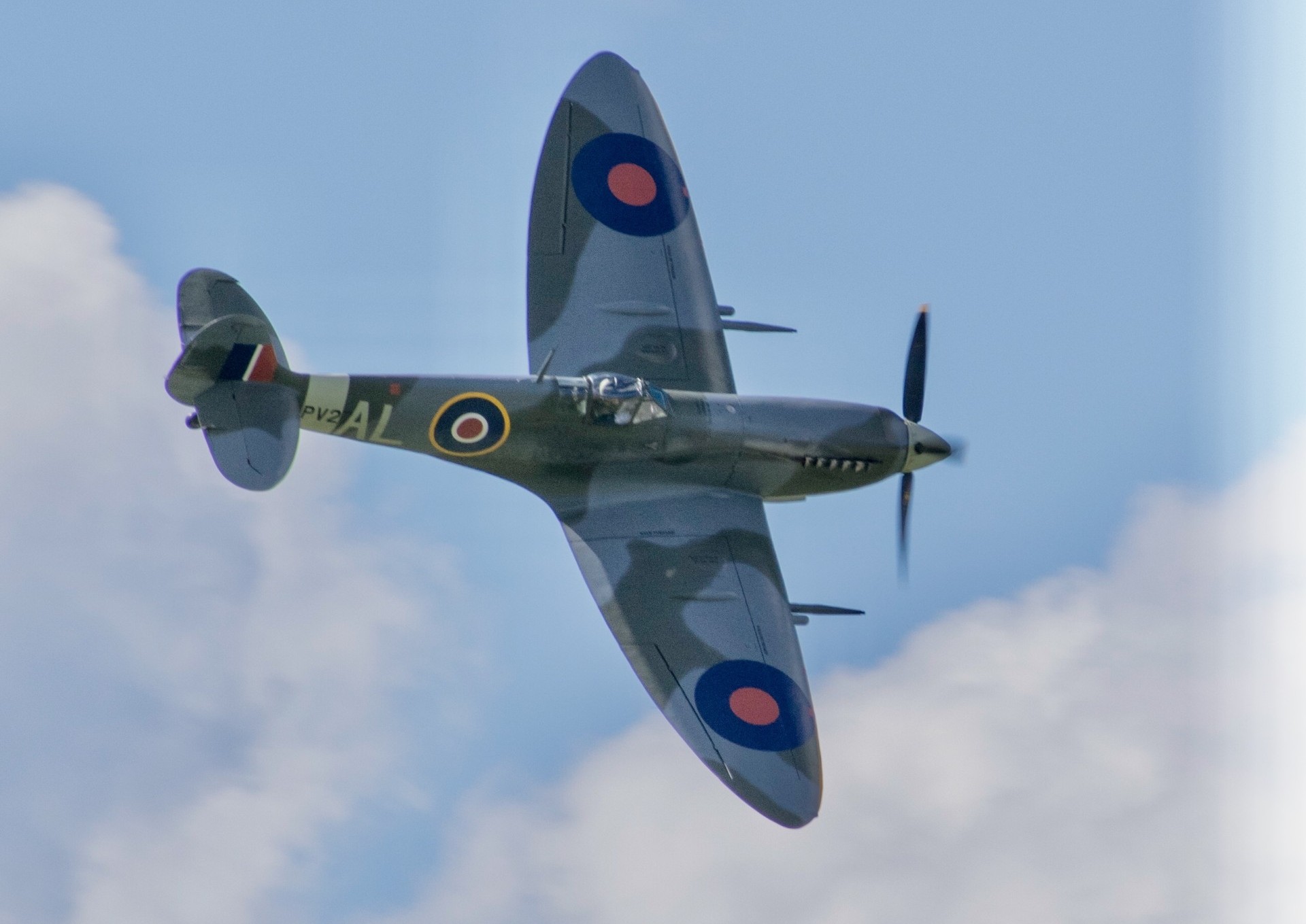
On the 5th March 1936, history was made: the first flight of the Supermarine Spitfire.
For those watching at Eastleigh Aerodrome in Southampton, it was an incredible spectacle – a first glimpse of what would become one of the world’s most iconic aircraft.
Over 20,000 examples would eventually be produced, and the aircraft would become a defining symbol of Britain’s wartime resilience and engineering excellence.
The Spitfire truly was, and is, a national treasure and proud symbol of freedom.
Design and evolution of the Supermarine Spitfire
The Spitfire prototype, K5054, was flown by Chief Test Pilot Joseph “Mutt” Summers. With its graceful elliptical wing design and sleek lines, it belied its purpose as a weapon of war. It would also undergo an incredible transformation throughout its life.
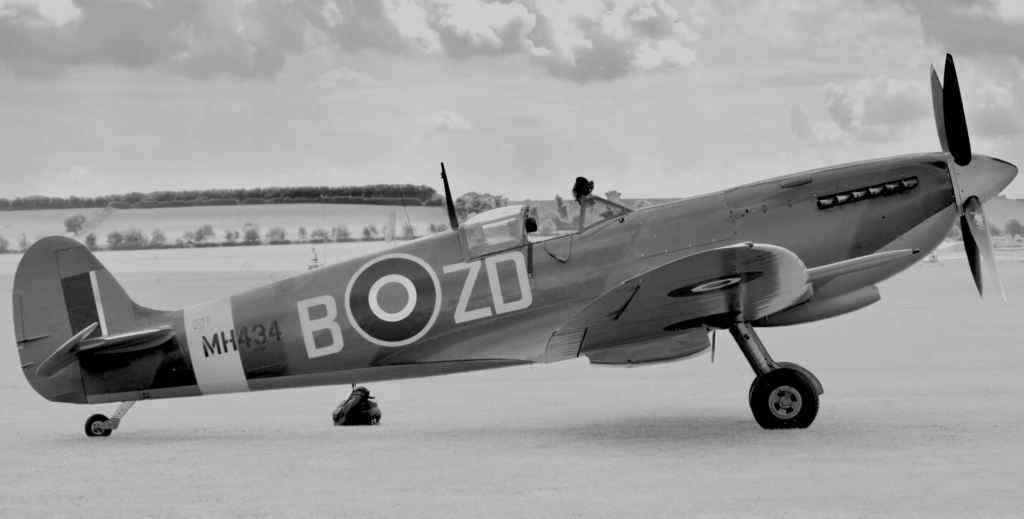
The design team was led by Supermarine’s Chief Designer, R. J. Mitchell, who sadly died of cancer in 1937, and was succeeded by Joseph Smith.
Under their leadership, the aircraft evolved dramatically, with its weight and engine power both doubling over time. By the time of the Griffon-powered Mk 24, the transformation was complete.
The Spitfire in RAF operational service
The Spitfire entered RAF Operational Service in August 1938 and continued until April 1954. It is best known, though, for its role in the Battle of Britain in 1940, defending the skies above Britain from the Luftwaffe’s onslaught.
It also fought alongside its often overlooked counterpart, the Hawker Hurricane (which actually shot down more of the attacking aircraft than the Spitfire did).
The Spitfire flew in every major operational theatre during World War II, being one of only a few aircraft to be in front-line service through the entire conflict. It had many roles: fighter, ground attack, photo reconnaissance and air sea rescue, to name a few.
Britain was not the only nation to operate the Spitfire. Over the course of its service life, the aircraft was flown by thirty other countries around the world.
It even found itself fighting its own kind. During the 1949 Arab-Israeli War, Spitfires of the RAF clashed with those of the Royal Egyptian Air Force. In one tragic episode, aircraft from the Israeli Air Force mistakenly shot down three RAF aircraft in a single engagement.
Restoring the Supermarine Spitfire
In 1969, the Spitfire again captured the public’s attention with the release of “The Battle of Britain” movie.
With approximately 100 aircraft acquired for the film, of which 27 were Spitfires, 12 were made airworthy. In fact, the film company’s fleet of flying aircraft was said to be the world’s “35th largest air force”.
The restoration of many of the aircraft that took part in the film has helped the world’s warbird industry flourish into what it is today.
The silver Spitfire G-IRTY and a round-the-world flight
In 2019, the Spitfire caught the UK’s imagination once again when a team of pilots and engineers based at Goodwood in Southern England flew their silver Spitfire, G-IRTY, around the world.
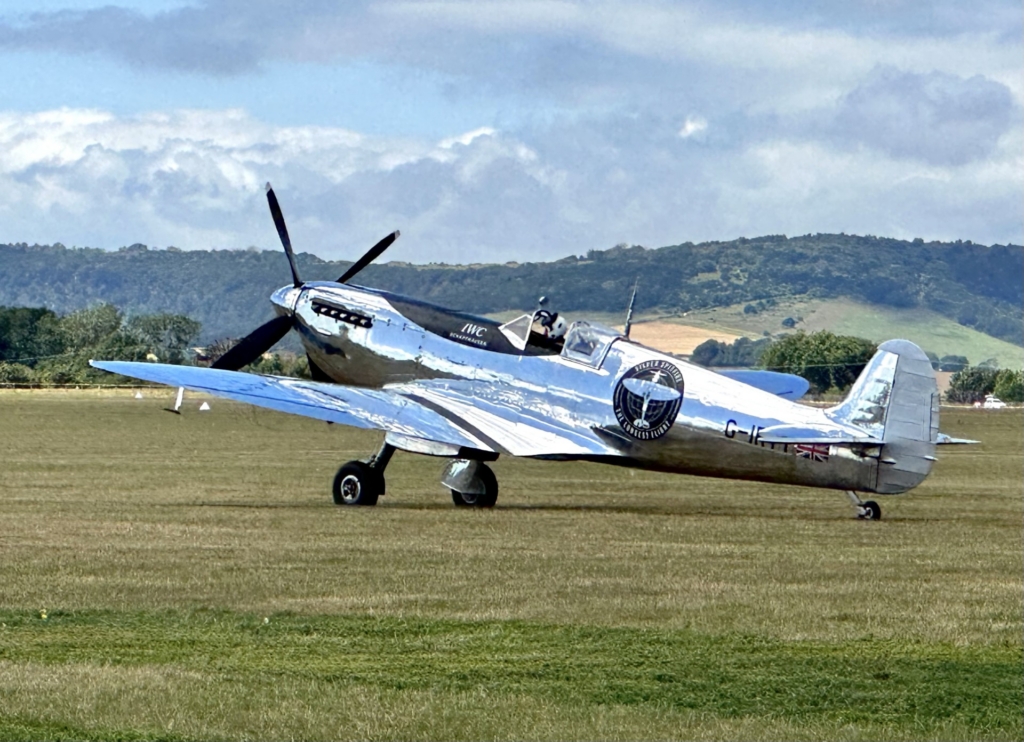
This remarkable journey helped promote the ‘Best of British’, showcasing the country’s heritage in aeronautical engineering excellence. It also helped inspire future generations by commemorating the brave pilots who were prepared to stand up against oppression.
The NHS Spitfire tribute
During the COVID-19 pandemic, the Spitfire once again lifted the nation’s spirits. Renowned warbird pilot and engineer John Romain, together with his wife Amanda, created the NHS Spitfire Project.
Every Thursday, John took to the skies in his Spitfire Mk XI, the words “THANK U NHS” boldly emblazoned under its wings, honouring the country’s frontline workers.
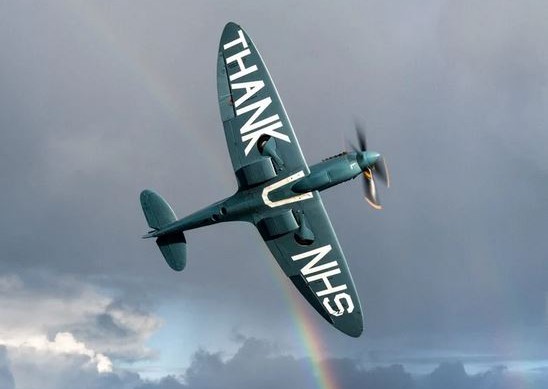
The couple raised over £120,000 for NHS charities by decorating the Spitfire with the names of over 6,500 community heroes in return for donations.
Does the Spitfire still fly today?
Oh yes! Members of the public can still experience the thrill of flying in the Spitfire.
Several two-seat Spitfires operate from Goodwood Aerodrome, Duxford Aerodrome, and Biggin Hill Airport, as well as other airfields around Britain. Excitingly, in April last year, the Spitfire Mk.Ia P9372 made its first post-restoration flight at Biggin Hill after 85 years.
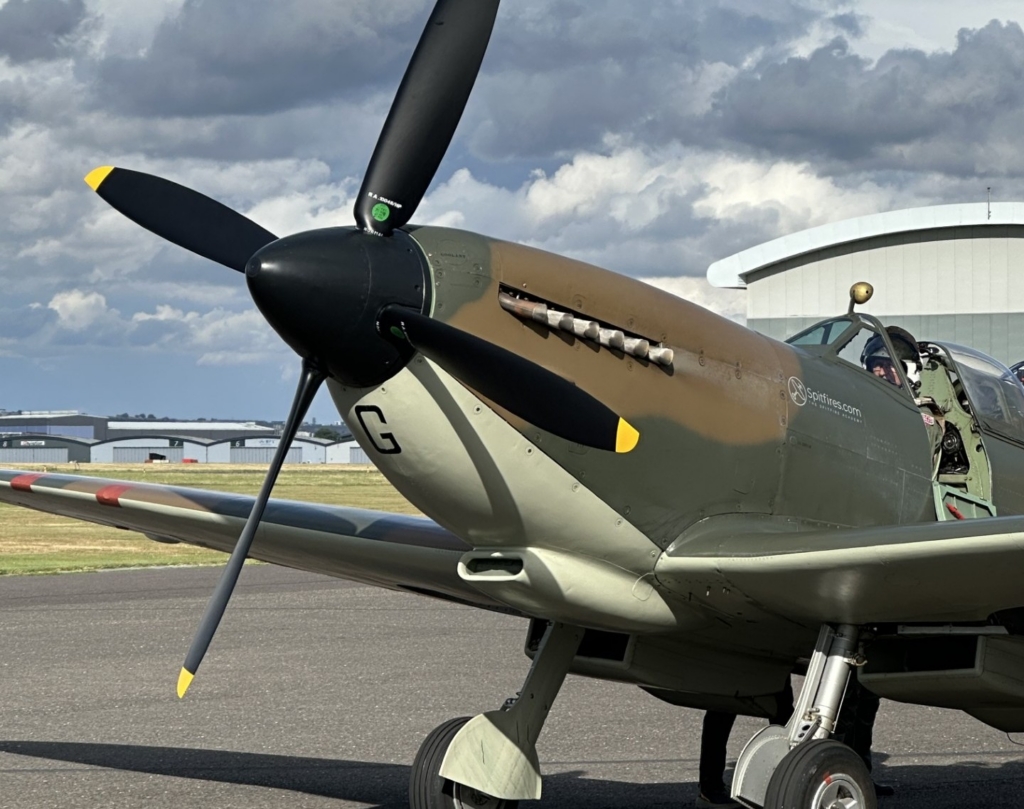
Beyond the UK, two-seat Spitfires are also based in the Netherlands, Norway and Australia, offering enthusiasts the chance to take to the skies.
The Spitfire’s enduring legacy
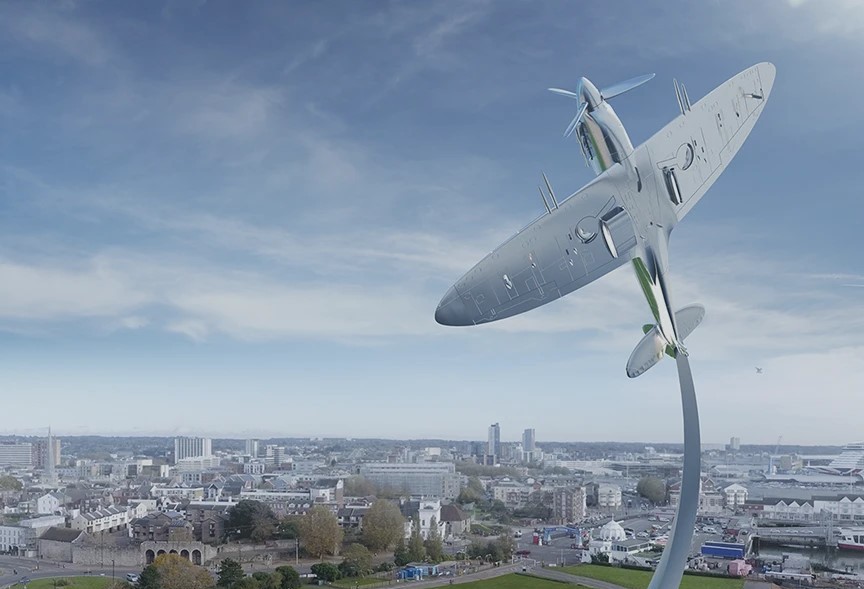
A world-class monument is also being created in Southampton, the Spitfire’s birthplace, by the National Spitfire Project. Designed to commemorate all those involved in its history, the monument will be a striking 150% scale Spitfire, visible from far and wide.
More than 20,000 Spitfires were built between 1938 and 1948. A further 2,000 of its naval, carrier-borne cousin, the Seafire, were also produced during that time. Together, they make it the most-produced British aircraft in history.
Today, around eighty Spitfires are still flying, with many more under restoration. Their roar and elegance keep the legend alive, making sure its extraordinary legacy soars on for generations.
Featured image: Pete Wilson


