


Air India cancels hundreds of international flights as Boeing 787 crash report looms

5 min read
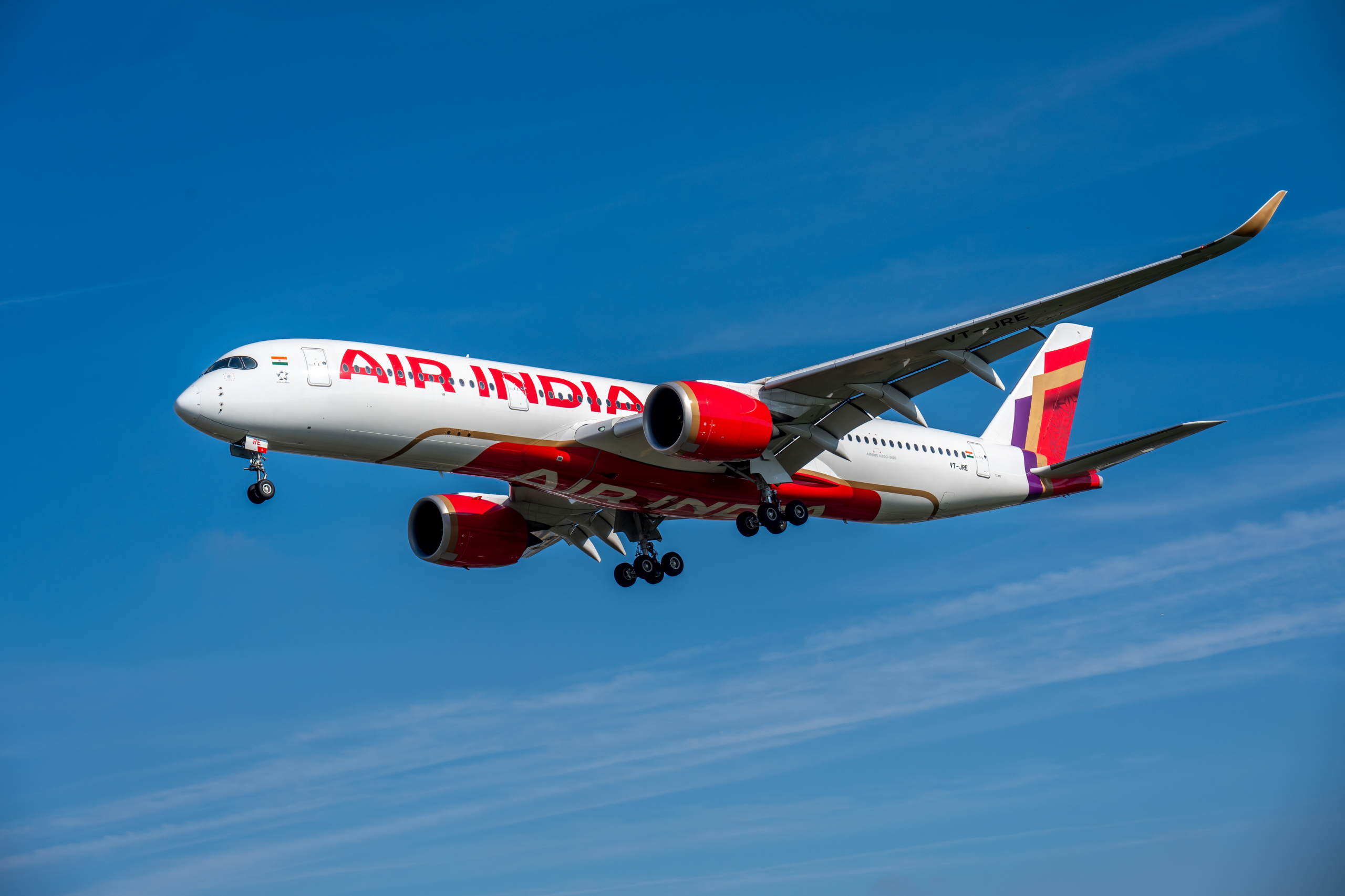
Air India has announced the cancellation of hundreds of international flights between June and August 2026 as the carrier struggles to stabilise its long-haul operation amid rising fuel prices, Middle East airspace disruptions and mounting operational pressures.
The cuts come as the airline continues dealing with the fallout from the 2025 AI171 Boeing 787 crash, ongoing regulatory scrutiny, delayed aircraft deliveries and a growing leadership vacuum following the resignation of CEO Campbell Wilson.
Air India cancels hundreds of international flights for summer 2026
On 13 May, Air India confirmed widespread temporary reductions across its international network, citing “continued airspace restrictions over certain regions and record-high jet fuel prices for international operations”.
The airline said the measures were intended to improve network stability and reduce last-minute disruption for passengers.
Air India has been particularly exposed to ongoing airspace closures over Iran and Pakistan, which have forced longer routings on flights to Europe, the UK and North America. Those diversions have increased flight times, fuel burn and pressure on long-haul aircraft utilisation.
At the same time, surging fuel prices since the outbreak of the Iran conflict in February have placed additional strain on the already loss-making carrier, particularly on ultra-long-haul operations.
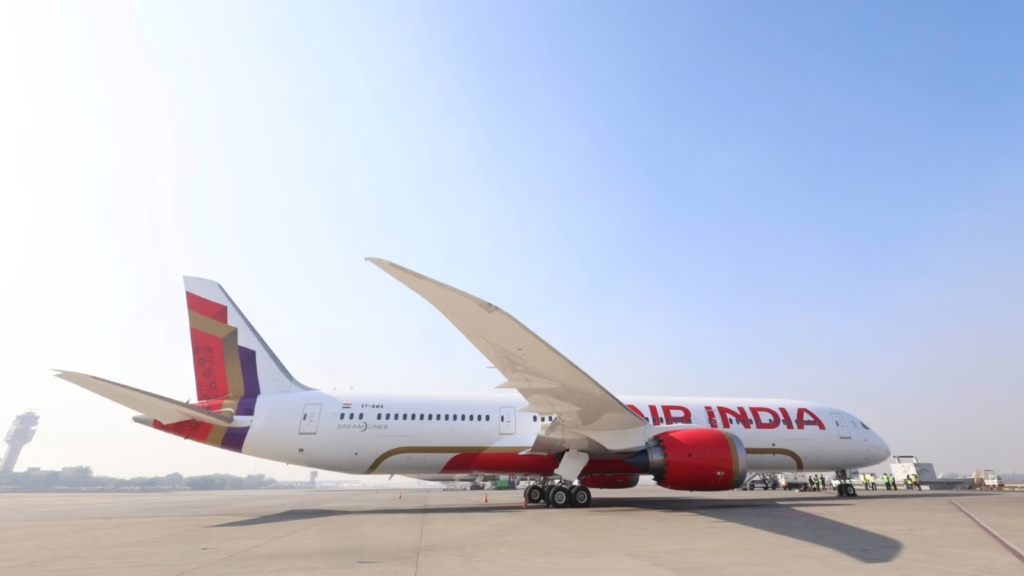
Fleet shortages are also worsening the problem. Delays to Boeing 787-9 deliveries and the arrival of Air India’s first Airbus A350-1000 aircraft have reduced the airline’s flexibility just as it attempts to rebuild its international network.
Despite the cuts, Air India said it would continue operating more than 1,200 international flights per month across five continents during the summer period.
Air India international route cuts for summer 2026
| Air India Network Adjustments | ||
|---|---|---|
| Route | Frequency Change | Notes |
| Delhi–Chicago | Suspended | Temporary suspension |
| Delhi–San Francisco | 10x → 7x weekly | Through August |
| Delhi–Toronto | 10x → 5x weekly | Through July; daily from August |
| Delhi–Vancouver | 7x → 5x weekly | — |
| Mumbai–Newark | 3x → 7x weekly | Service increase |
| Delhi–New York (JFK) | Maintains 7x weekly | No change |
| Delhi–Newark | Suspended | Temporary suspension |
| Mumbai–New York (JFK) | Suspended | Temporary suspension |
| Europe | ||
| Delhi–Paris | 14x → 7x weekly | — |
| Delhi–Copenhagen | 4x → 3x weekly | — |
| Delhi–Milan | 5x → 4x weekly | — |
| Delhi–Vienna | 4x → 3x weekly | — |
| Delhi–Zurich | 4x → 3x weekly | — |
| Delhi–Rome | 4x → 3x weekly | — |
| Australia | ||
| Delhi–Melbourne | 7x → 4x weekly | — |
| Delhi–Sydney | 7x → 4x weekly | — |
| Far East, Southeast Asia and SAARC | ||
| Delhi–Shanghai | Suspended | Through August |
| Delhi–Singapore | 24x → 14x weekly | — |
| Mumbai–Singapore | 14x → 7x weekly | — |
| Chennai–Singapore | Suspended | Through August |
| Delhi–Bangkok | 28x → 21x weekly | From July |
| Mumbai–Bangkok | 13x → 7x weekly | From July |
| Delhi–Kuala Lumpur | 10x → 5x weekly | — |
| Delhi–Ho Chi Minh City | 7x → 4x weekly | July & August |
| Delhi–Hanoi | 5x → 4x weekly | July & August |
| Delhi–Kathmandu | 42x → 28x → 21x weekly | 28x in June; 21x in July & August |
| Delhi–Dhaka | 7x → 4x weekly | — |
| Mumbai–Dhaka | Suspended | Through August |
| Mumbai–Colombo | 7x → 4x weekly | — |
| Delhi–Colombo | 14x → 12x weekly | — |
| Delhi–Malé | Suspended | Through August |
The reductions affect routes across North America, Europe, Australia and Asia, with several services suspended entirely while others see significant frequency cuts.
Fuel prices, aircraft shortages and delays hit Air India
The schedule reductions are the latest sign of the operational challenges facing the Tata Group-owned airline as it attempts to modernise and expand following decades of decline under state ownership.
Air India has spent heavily on fleet renewal and network growth since Tata regained control of the airline in 2022. However, progress has increasingly been overshadowed by operational disruptions, aircraft shortages and safety concerns.
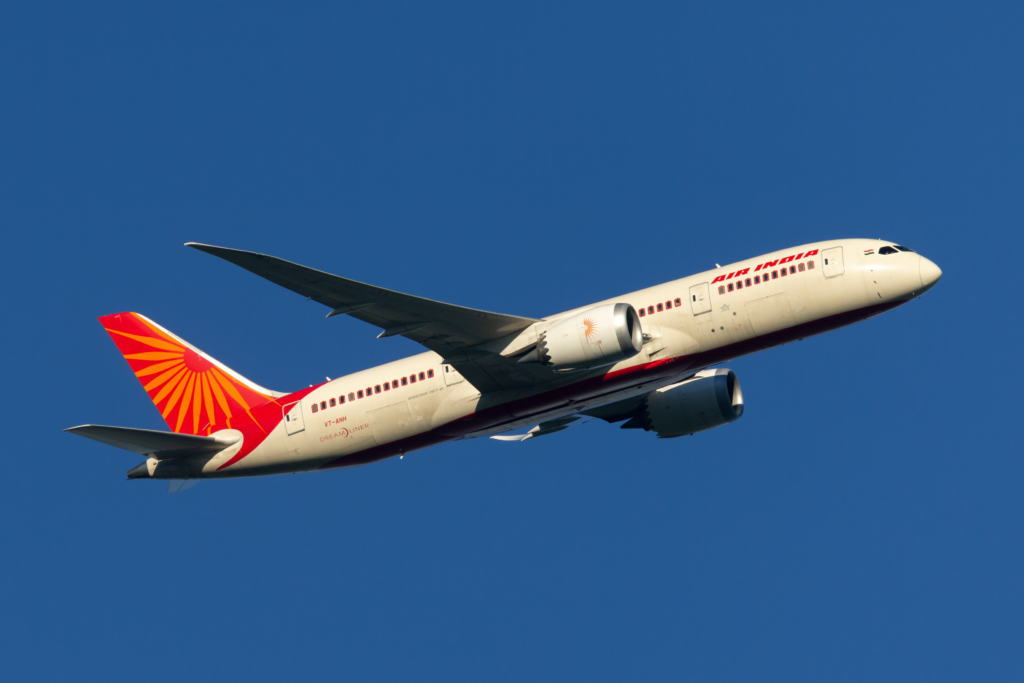
The carrier remains heavily reliant on its Boeing 787 fleet for long-haul operations, leaving it particularly vulnerable to delays, maintenance disruptions and aircraft unavailability.
The ongoing geopolitical situation has further complicated operations.
Longer routings around restricted airspace not only increase fuel costs but also reduce aircraft productivity, forcing airlines to either reduce schedules or deploy additional aircraft to maintain frequencies.
For Air India, which already faces fleet constraints, the impact has been particularly severe.
AI171 crash investigation and CEO resignation deepen Air India crisis
The airline is also awaiting the final report into the June 2025 crash of Air India Flight AI171, involving a Boeing 787-8 shortly after take-off from Ahmedabad.
The accident killed 241 of the 242 people on board, alongside 19 people on the ground.
India’s Air Accident Investigation Bureau is expected to publish its final report in June 2026. The report is widely expected to build on the AAIB’s interim findings, which concluded the aircraft lost power after both fuel control switches moved to the cut-off position shortly after departure.

The crash and its aftermath have intensified scrutiny of Air India’s operational culture and safety oversight.
Separately, the airline is also dealing with leadership instability following the sudden resignation of CEO Campbell Wilson earlier this year, as losses reportedly reached US$2.4 billion (£1.8 billion) for the financial year ending March 2026.
Air India has since turned increasingly to major shareholder Singapore Airlines, which owns a 25.1% stake in the carrier, for strategic support as it attempts to stabilise operations and reduce losses.
Regulators continue to scrutinise Air India’s safety performance
Air India is currently the biggest loss-making entity within the Tata Group, which took over the ailing carrier from the Indian government in 2022, and is becoming a growing source of concern for the Tata board. Following a crucial board meeting last week, the airline warned staff and investors of “tough times ahead” as it rolls out further measures to reduce losses.
The airline is also under mounting pressure from regulators to tighten operational oversight amid a series of mishaps, failures and regulatory shortfalls that have dogged the carrier over the past 18 months.
Last year, India’s aviation regulator uncovered 51 separate safety violations at Air India during its annual audit of the country’s airlines. Seven of those lapses were classified at the highest severity level.
In January this year alone, the airline reportedly recorded 1.09 technical defects per 1,000 flights, four times the level recorded in December 2024, when the total sat at 0.26 per 1,000 flights.
The figure equated to around 23 technical incidents across more than 17,500 flights, with 21 reportedly triggering formal investigations.
The summer schedule cuts underline how Air India’s transformation strategy is increasingly colliding with operational reality, as geopolitical disruption, fleet shortages and mounting internal pressures threaten to slow the carrier’s long-haul ambitions.
Featured image: russell102 / stock.adobe.com


