


Allegiant completes acquisition of Sun Country Airlines: What the merger means for air travellers

4 min read
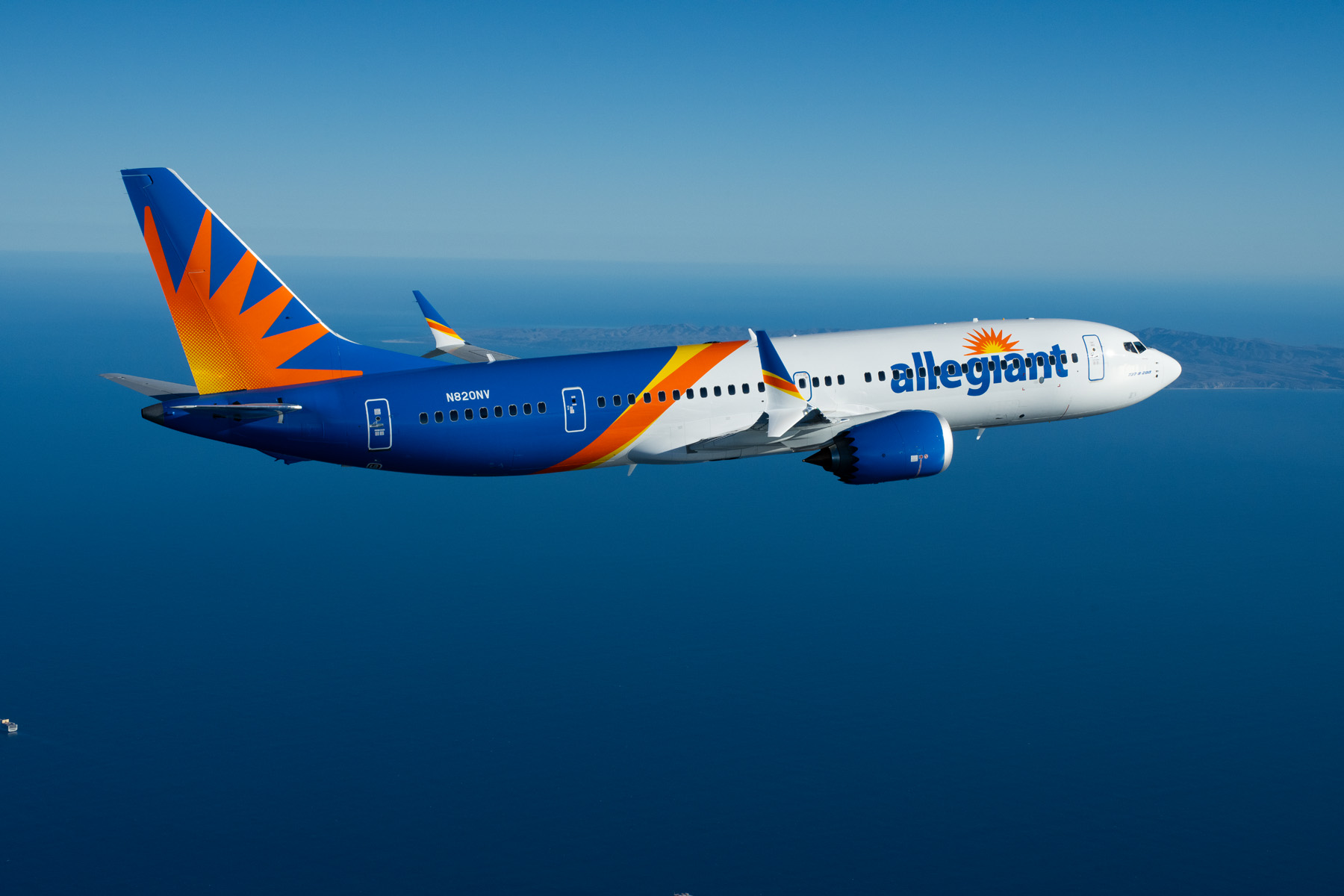
Budget leisure airline Allegiant has officially completed its acquisition of Sun Country Airlines, creating one of the largest leisure-focused airline groups in the United States.
The combined company will serve around 22 million passengers annually across nearly 175 cities, with more than 650 routes and a combined fleet of 195 aircraft.
Allegiant CEO Gregory Anderson described the acquisition as “a defining moment” for the joint carriers, adding, “We are creating a more differentiated and durable airline – one well positioned to deliver lasting value for our customers, team members, and shareholders.”
The companies expect to generate around $140 million in annual synergies within three years, partly through fleet optimisation and procurement savings.
What can air travellers expect from the Allegiant-Sun Country merger?
For travellers, the merger could mean more destination options, expanded nonstop service, and better connectivity between smaller US cities and vacation markets.
But in the near term, little will change for the airlines’ customers.
According to the airlines’ announcement of the acquisition, both carriers will continue operating as separate brands for now. Reservations, loyalty programmes, check-in procedures, and customer service channels remain unchanged as integration plans progress.
Allegiant and Sun Country merger creates a fleet of nearly 200 aircraft
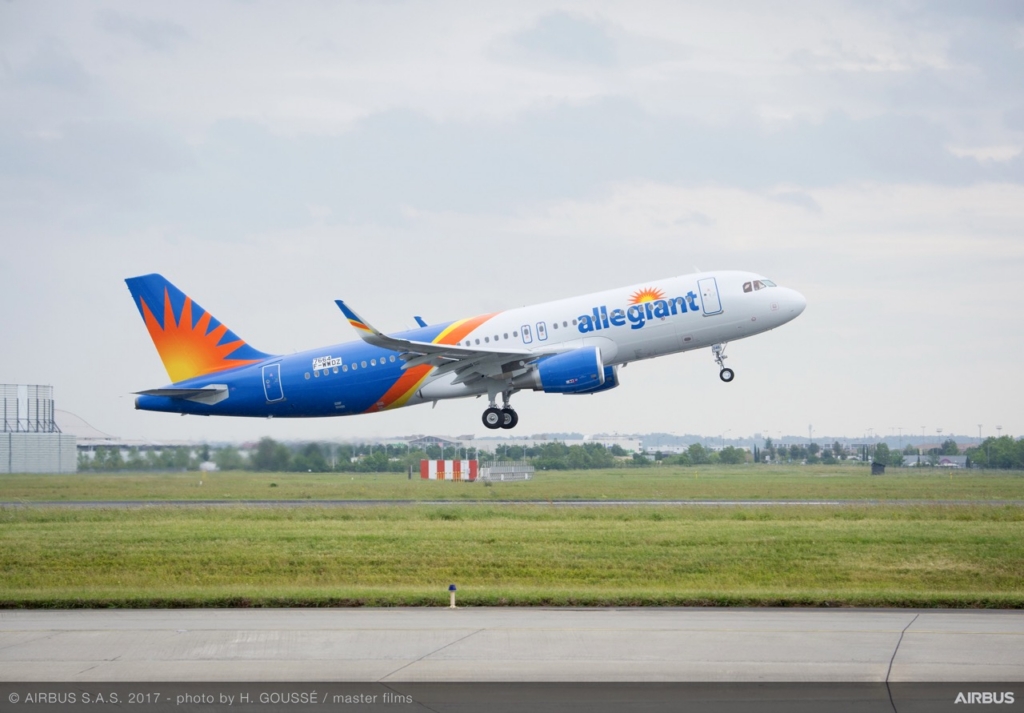
According to Planespotters data, Allegiant currently has a fleet of 124 aircraft, comprising 28 A319s with an average age of over 20 years, 79 Airbus A320s with an average age of over 15 years, and 17 relatively new Boeing 737 MAX 8s, which have been with the fleet a little over a year.
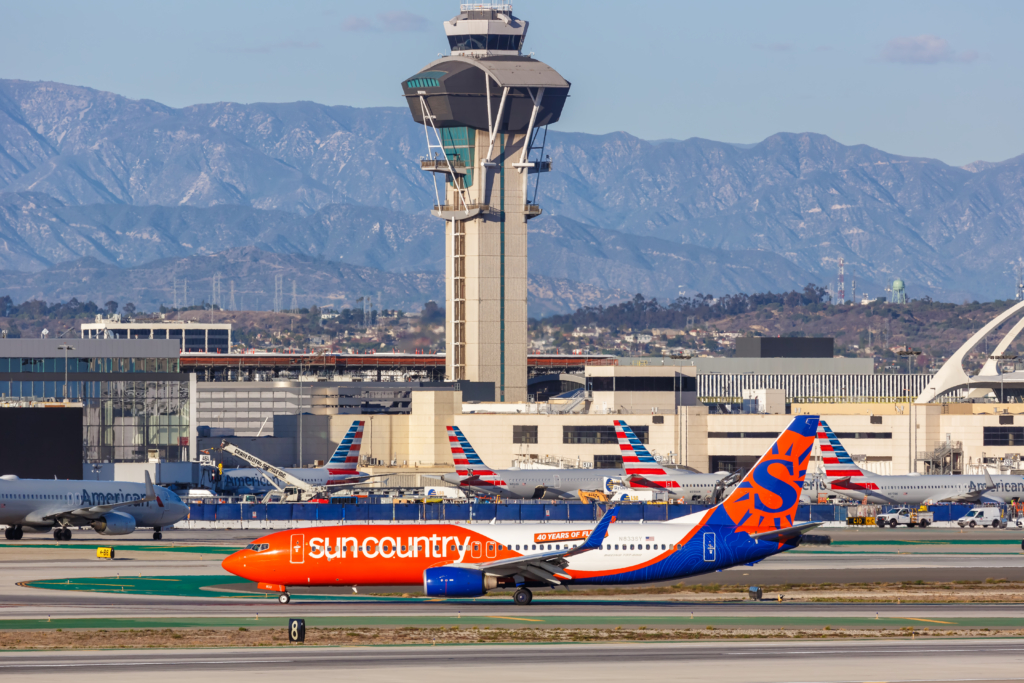
Sun Country has a fleet of 69 737s with an average age of 19 years.
Minneapolis remains important after the merger
One key question surrounding the merger was the future of Sun Country’s Minnesota operations.
Allegiant says Minneapolis–Saint Paul International Airport will remain an important operating centre for the combined company. Sun Country has a deep regional presence and an established customer base in the Upper Midwest. It has grown to become a major leisure alternative to Delta Air Lines at Minneapolis.
New routes and capabilities for both carriers
The Allegiant-Sun Country expands complementary leisure networks. Allegiant Air built its business around connecting smaller and underserved US airports with major leisure destinations such as Florida, Las Vegas, Phoenix, Myrtle Beach, and vacation markets in Mexico and the Caribbean.

Sun Country Airlines has traditionally focused on leisure flying from its stronghold at Minneapolis–Saint Paul International Airport while also operating a substantial charter and cargo business.
The merger gives Allegiant access to Sun Country’s diversified operations, including Amazon cargo flying and sports charter contracts, helping reduce dependence on seasonal leisure demand alone.
For travellers, the biggest long-term change may be broader access to new nonstop routes across the two airlines’ networks.
Where the airlines overlapped — and where they didn’t
The two carriers had limited direct overlap in their networks, so the merger opens up fresh opportunities for both.
Major Allegiant airports
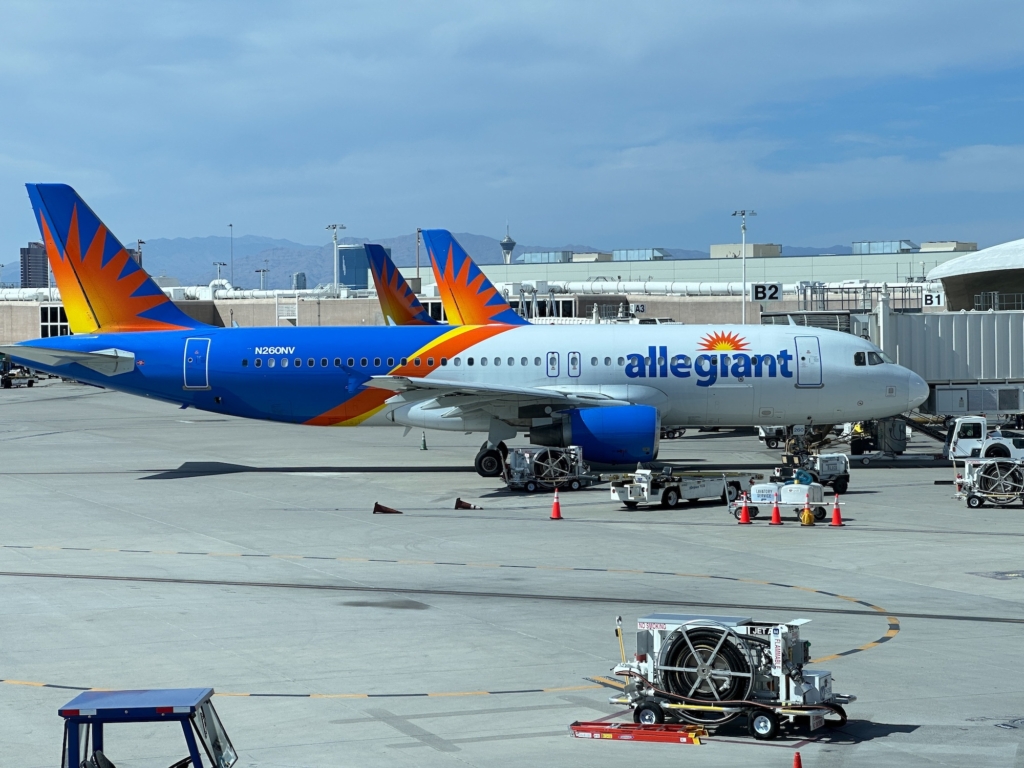
Allegiant’s largest operating bases included:
- Orlando Sanford International Airport
- St. Pete–Clearwater International Airport
- Harry Reid International Airport
- Phoenix–Mesa Gateway Airport
- Punta Gorda Airport
- Myrtle Beach International Airport
Allegiant serves smaller regional airports that larger airlines overlook. In some cases, it is the sole operator at small airports, offering low-frequency nonstop flights to leisure destinations.
Major Sun Country airports
Sun Country’s network is centred heavily around:
- Minneapolis–Saint Paul International Airport
- Dallas Fort Worth International Airport
- Harry Reid International Airport
- Cancún International Airport
- Phoenix Sky Harbor International Airport
- Orlando International Airport
Unlike Allegiant, Sun Country relied more heavily on traditional major airports and operated a denser schedule from Minneapolis.
Airports and markets where the two carriers competed
There were some overlaps in key leisure destinations, including:
- Las Vegas
- Orlando-area airports
- Phoenix-area airports
- Cancun
- Fort Lauderdale
- Nashville
- Tampa Bay-area destinations
However, the airlines often approached these markets differently.
For example, Allegiant frequently served secondary like as Phoenix–Mesa Gateway Airport and Orlando Sanford International Airport. At the same time, Sun Country generally operated from larger primary airports like Phoenix Sky Harbour International Airport and Orlando International Airport.
What can travellers expect next from the merger?
In the short term, existing bookings remain valid, and the airlines’ loyalty programmes stay separate. Flight schedules will remain unchanged for now, and customer service operations will stay independent. For most customers, the merger will be all but invisible for the time being.
Long-term, passengers could see expanded codeshare-style booking options that provide easier access to combined route networks and more connecting opportunities between leisure markets. Both airlines will likely integrate their loyalty programmes into a single programme in time.
For travellers, the biggest benefit could ultimately be greater nonstop access between smaller US communities and leisure destinations — without relying on connections through the country’s largest hubs.
Featured Image: Allegiant


