Air India’s first factory-fresh Boeing 787 marks the start of a wider reset

5 min read
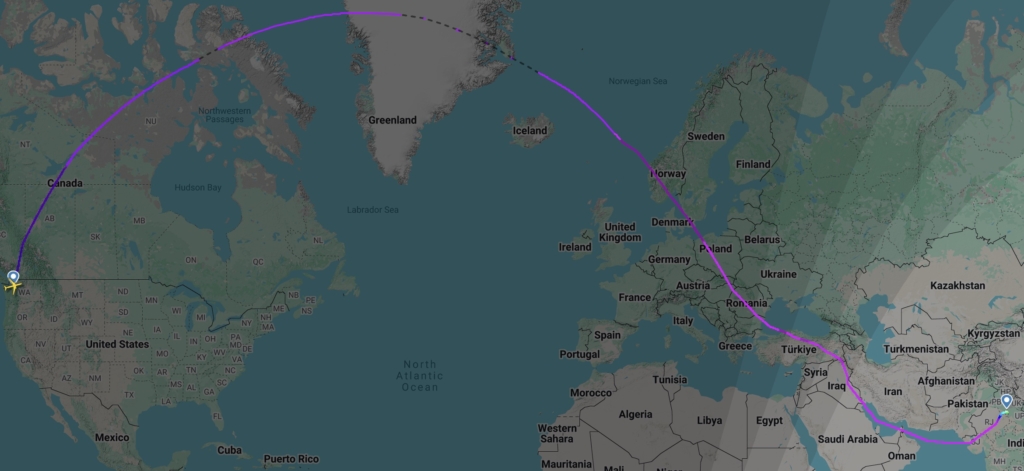
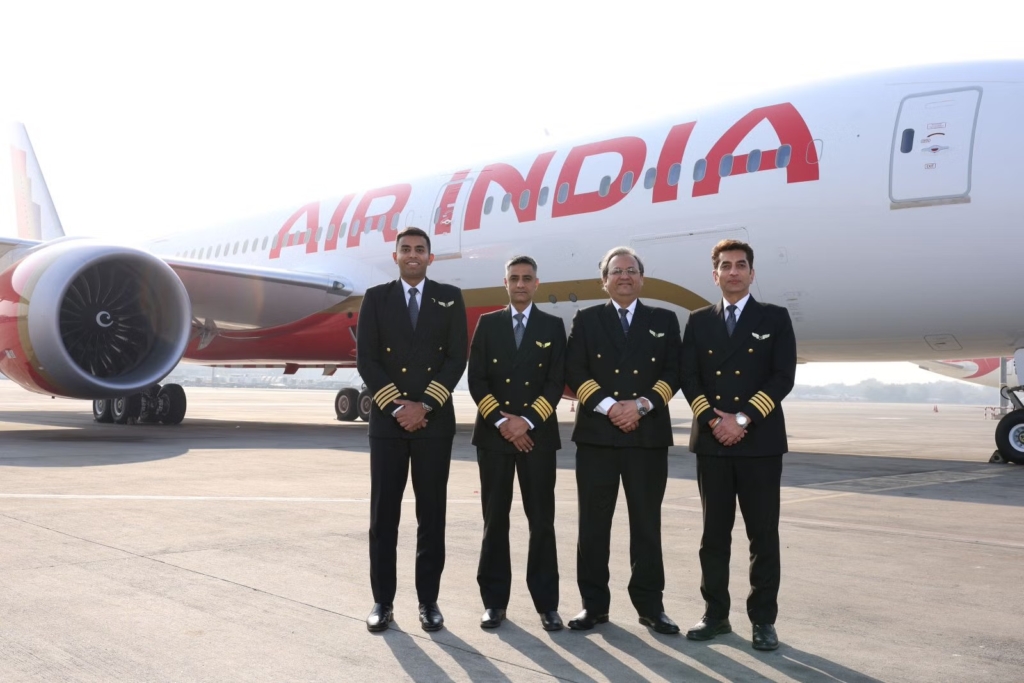
Just before dawn in Delhi, a Boeing 787-9 touched down at Indira Gandhi International Airport after a non-stop flight of nearly 17 hours from the US West Coast. For the cockpit crew ferrying the aircraft from Boeing’s Everett factory, it was a demanding long-haul sector.
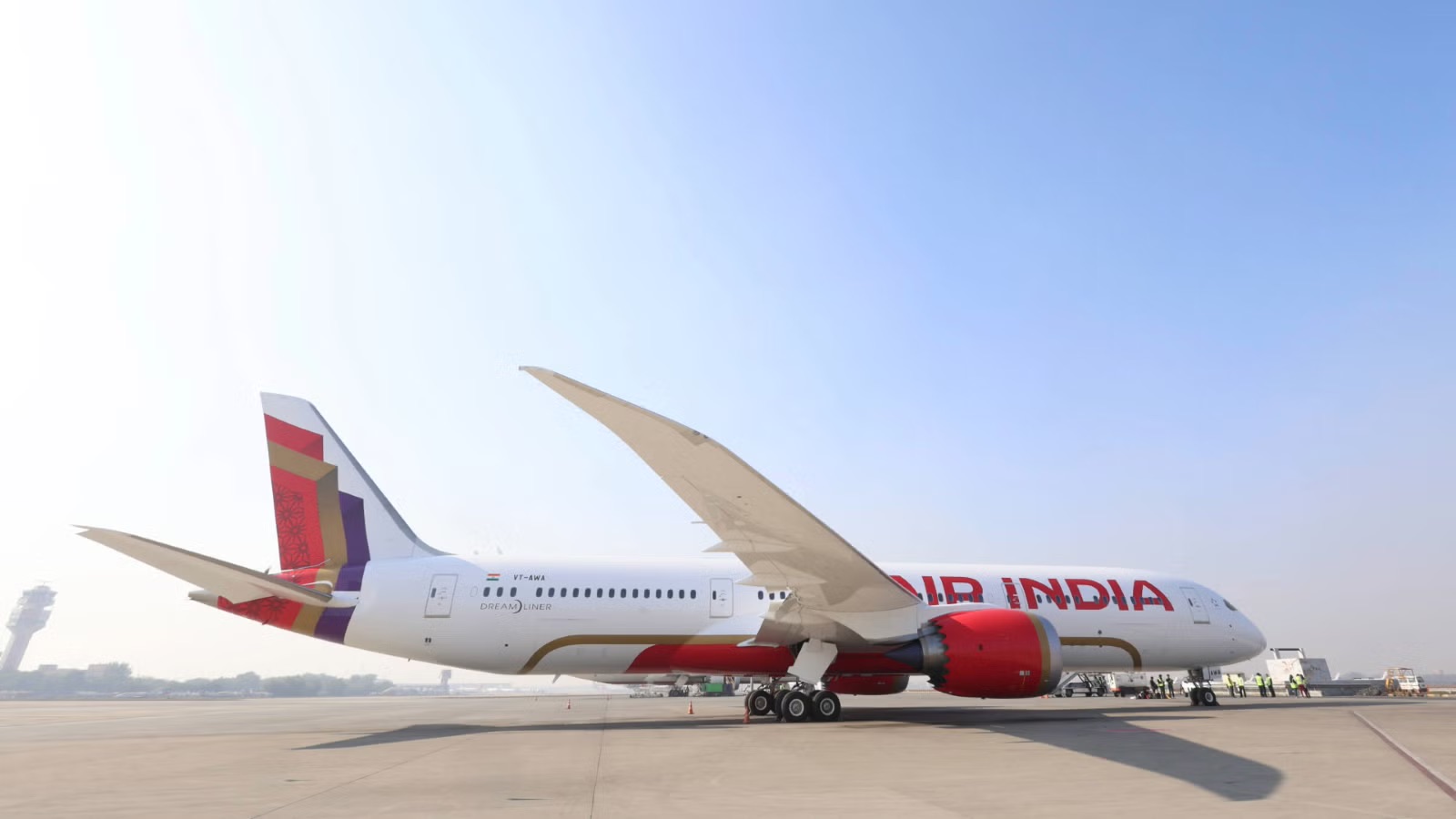
For Air India, the arrival of aircraft VT-AWA marked something more significant: the first tangible sign that its long-promised transformation is beginning to appear where passengers actually notice it, inside the cabin.
This is the first “line-fit” Dreamliner built specifically for Air India since the airline was privatised. In simple terms, the aircraft was delivered with interiors designed and installed on Boeing’s production line, rather than being retrofitted later.
For an airline that has spent years juggling mismatched cabins and ageing interiors, that distinction matters.
Configured with 296 seats across Business, Premium Economy and Economy, the new 787-9 introduces a layout Air India intends to replicate across its long-haul Boeing fleet.
The airline has not yet revealed full cabin details, which are expected in the coming weeks, but officials say the aircraft sets the benchmark for what passengers can expect on future Dreamliner flights.
Where Air India’s new 787-9 Dreamliner will fly
Commercial operations are expected to begin in February 2026, with initial routes to be announced shortly.
Based on current deployment patterns, the aircraft is likely to serve long-haul international sectors linking India to Europe, Southeast Asia and other key overseas markets.
Air India’s Boeing 787s already operate services to destinations including London, Frankfurt and Singapore, and the airline has been clear that newer aircraft will be prioritised for its most competitive global routes.
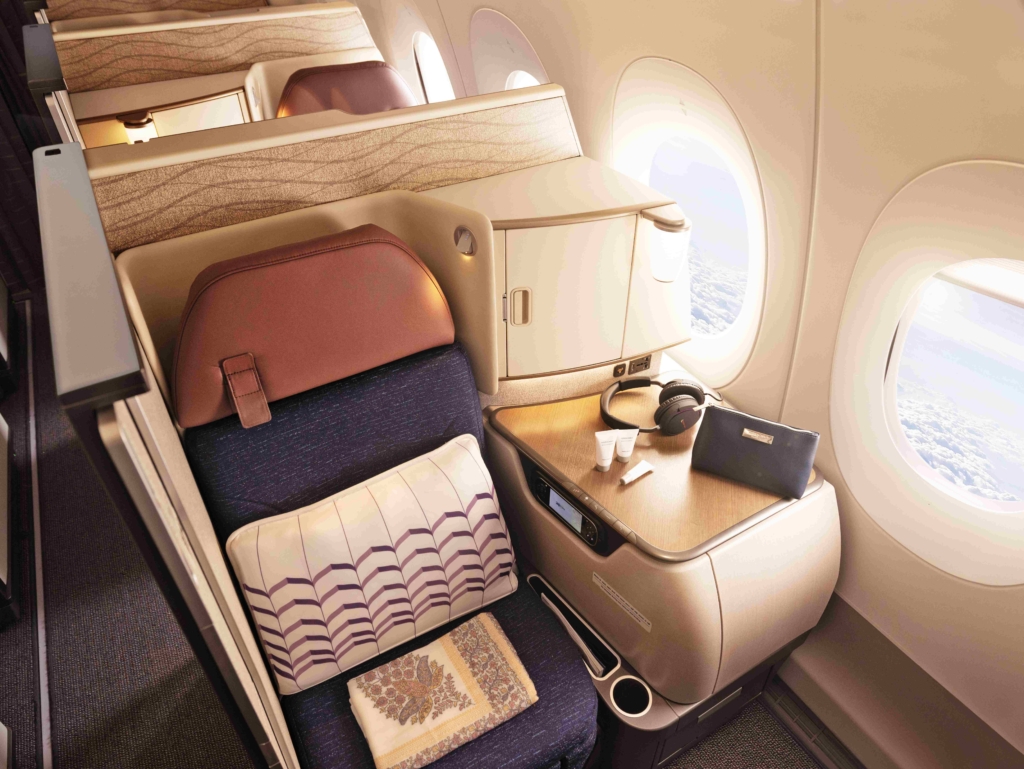
As more retrofitted and factory-fresh widebodies enter service, passengers should gradually see these newer cabins appearing across mainland Europe, Australasia and major Southeast Asian markets.
“Over the course of 2026, you will see more and more of those routes being operated by the new, world-class Air India aircraft,” chief executive Campbell Wilson said last year, outlining how fleet renewal would directly shape the passenger experience.
Air India to induct six new widebody aircraft in 2026
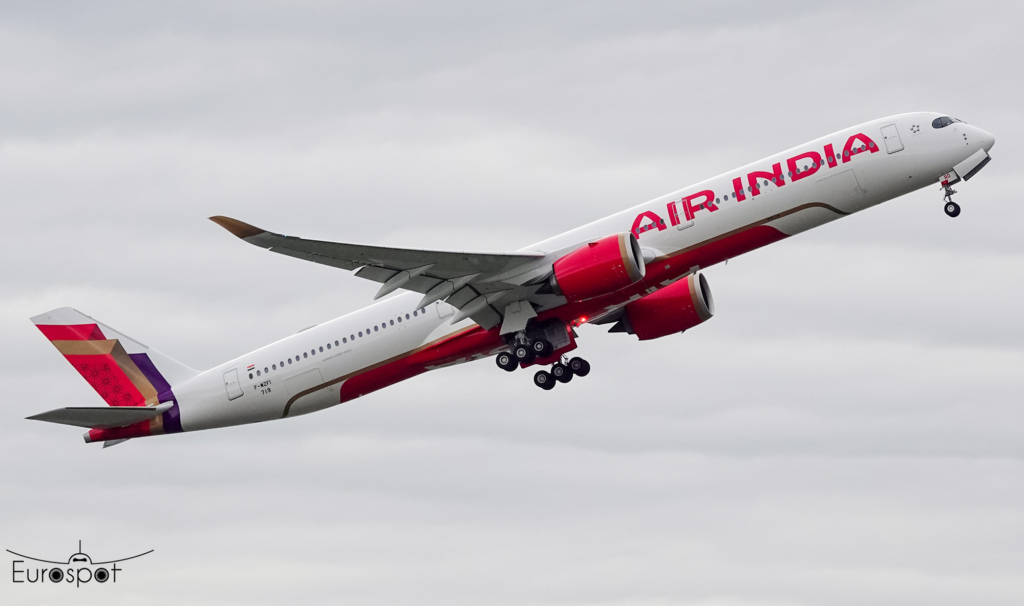
The 787-9 is only the beginning. Air India expects to induct six new widebody aircraft during 2026, a mix of additional Boeing 787-9s and its first Airbus A350-1000s.
Together, they represent the airline’s first major intake of long-haul aircraft since its takeover by the Tata Group in January 2022.
The scale of the broader transformation is even larger. Air India has firm orders for 570 aircraft, more than 520 of which are yet to be delivered. While the bulk of those arrivals will ramp up from 2027 onwards, 2026 is the year passengers begin to see the transition taking shape in real time.
Inside Air India’s Boeing 787 retrofit programme
Alongside new deliveries, Air India is undertaking a comprehensive retrofit of its legacy widebody fleet. Twenty-six Boeing 787-8 aircraft, many inherited from the pre-privatisation era, are undergoing nose-to-tail refurbishment under a $400 million programme.
The first two aircraft were sent to California in 2025 and returned with completely new interiors and inflight Wi-Fi. From February this year, the airline plans to accelerate the pace, pushing through two to three aircraft per month.
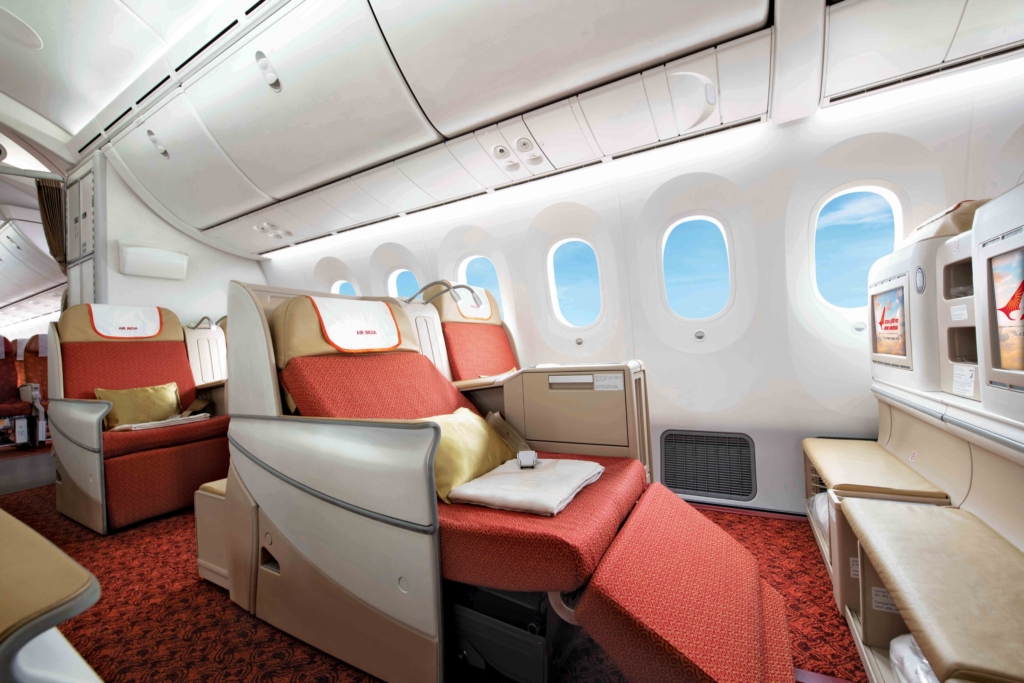
By the end of 2026, nearly two-thirds of the 787-8 fleet will be upgraded, with the entire sub-fleet scheduled for completion by the end of 2027.
Each retrofitted aircraft will feature new seats across all three cabins, upgraded inflight entertainment systems, refreshed galleys and lavatories, new carpeting and lighting, and finishes aligned with Air India’s new brand identity. Many will also emerge in the airline’s updated livery, providing a visible signal of renewal both inside and out.
Improving reliability across Air India’s Dreamliner fleet
Beyond aesthetics, the retrofit programme also targets reliability, a longstanding pain point for the Dreamliner fleet.
Air India is upgrading avionics and critical systems to current industry standards, using Boeing service bulletins to reduce technical disruptions. Several aircraft are undergoing heavy maintenance checks in parallel, ensuring upgraded cabins are matched by improved operational performance.
A similar approach is being applied to narrowbodies. More than 80% of Air India’s A320neo fleet has already been refurbished, with the remainder to follow despite delays in new deliveries from Airbus and Boeing.
Fleet renewal is only part of the story. Wilson has also spoken about changes that go beyond the aircraft itself.
A new beverage programme, including aged single malts and boutique wines, is set to be introduced, while a redesigned international lounge at Delhi’s Terminal 3 is due to open soon. A new domestic lounge is planned by mid-2026.
Taken together, these changes reflect a strategy that is less about flashy announcements and more about consistency, ensuring what passengers experience on one long-haul flight increasingly matches what they encounter on the next.
What passengers will notice as Air India’s transformation takes shape
For travellers, the key takeaway is simple: Air India’s transformation is no longer theoretical. The arrival of the first line-fit 787-9 shows what the airline wants its long-haul product to become, while the retrofit programme ensures older aircraft are not left behind.
Not every flight will change overnight. But as 2026 unfolds, the odds of stepping onto a refreshed, modern Air India widebody with new seats, reliable connectivity and a more coherent onboard experience are set to rise steadily.
For an airline long defined by promise rather than delivery, that shift alone is a meaningful one.
Featured image: Air India