South African Airways CEO confronts audit crisis and bets on the airline’s growth story

Matshela Seshibe, the 32-year-old Acting CEO for South African Airways, who stepped into the role following the sudden departure of Professor John Lamola last month, is confident the airline is on a positive trajectory following the recent scrutiny of its financial reporting.
In April, Lamola, alongside three non-executives, stepped down amid scrutiny over a financial reporting crisis, which has shaken confidence at the highest levels of government.
SAA’s Acting CEO addresses concerns over the airline’s financial reporting
Speaking to the media on a webinar hosted by Raphael Kuuchi on behalf of the African Airlines Association (AFRAA) on Wednesday, 13 May, Seshibe explained:
“Since exiting the business, SAA has demonstrated the power of the brand. But in the process of that rapid growth, we acknowledge that the financial reporting did not mature at the same pace.”

It was a carefully worded response to a crisis that had escalated rapidly.
In April, the Auditor-General of South Africa issued a disclaimer audit opinion on SAA’s results for the financial year ending March 2025, alongside a finding of R505 million in irregular expenditure.
SAA originally claimed that the period marked the airline’s second consecutive year of profit since exiting business rescue in 2021. This position has now been challenged.
“We have accepted the auditor’s findings with humility,” said Seshibe, insisting the airline has moved decisively since. “We have put in place significant mechanisms to improve our record-keeping and financial reporting, including steering committees, loss control committees, and, in some cases, consequence management.”
He remains confident that the airline has now implemented the necessary changes to restore confidence in its reporting.
Johannesburg and Cape Town are leading Africa’s aviation growth
Despite the airline’s recent turbulence, Seshibe’s pitch for SAA’s medium-term aligns with the fact that South Africa’s appeal as a destination is growing globally.
The country is currently served by 79 international airlines, and Cape Town has become the third-busiest airport in Africa, after Johannesburg and Cairo. Referencing the International Air Transport Association’s (IATA’s) latest data, he reiterated that the continent’s aviation markets are growing faster than the global average.
“Africa has a population of 1.8 billion but contributes only around 2% of global air traffic,” he said. “A growing middle class, accelerating urbanisation, some of the fastest growing economies in the world underpin how Africa is aviation’s next frontier of global growth.”
SAA, he argued, is well positioned to capitalise on this regional and continent-wide growth. The carrier has grown passenger traffic by more than 32% over the last year and added three new international routes: São Paulo to Johannesburg and Cape Town, and Johannesburg to Perth.
“Depending on the season, SAA is the second or third largest carrier in South Africa and the largest full-service carrier in the market,” he said.
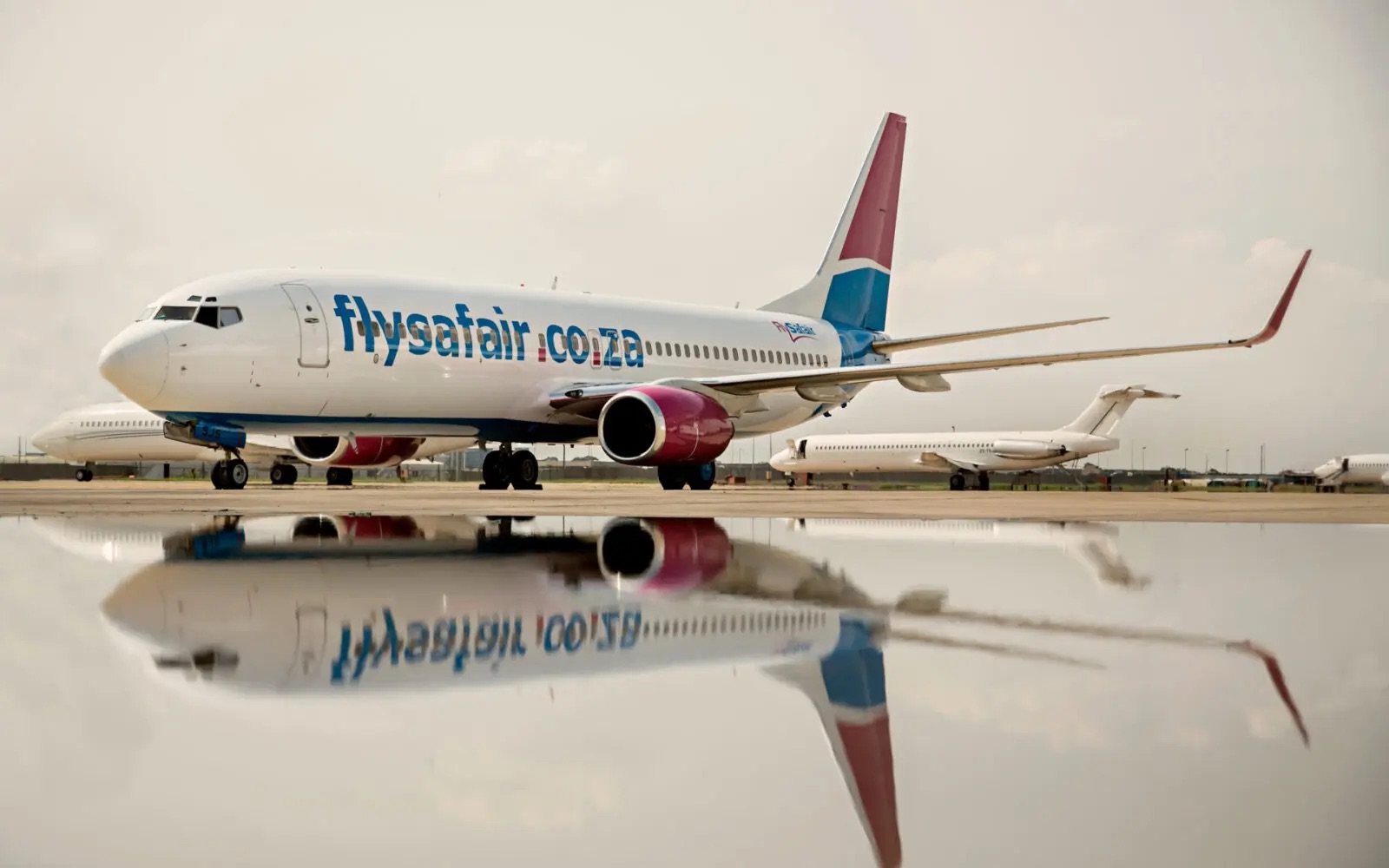
The accolade for largest carrier goes to low-cost carrier FlySafair, which controls more than 60% of South Africa’s domestic seat capacity.
Seshibe also noted that when SAA went into business rescue, its share of the international market was captured by external competitors. “Our mission now is to grow that back selectively, but we are not limited to local or regional networks only.”
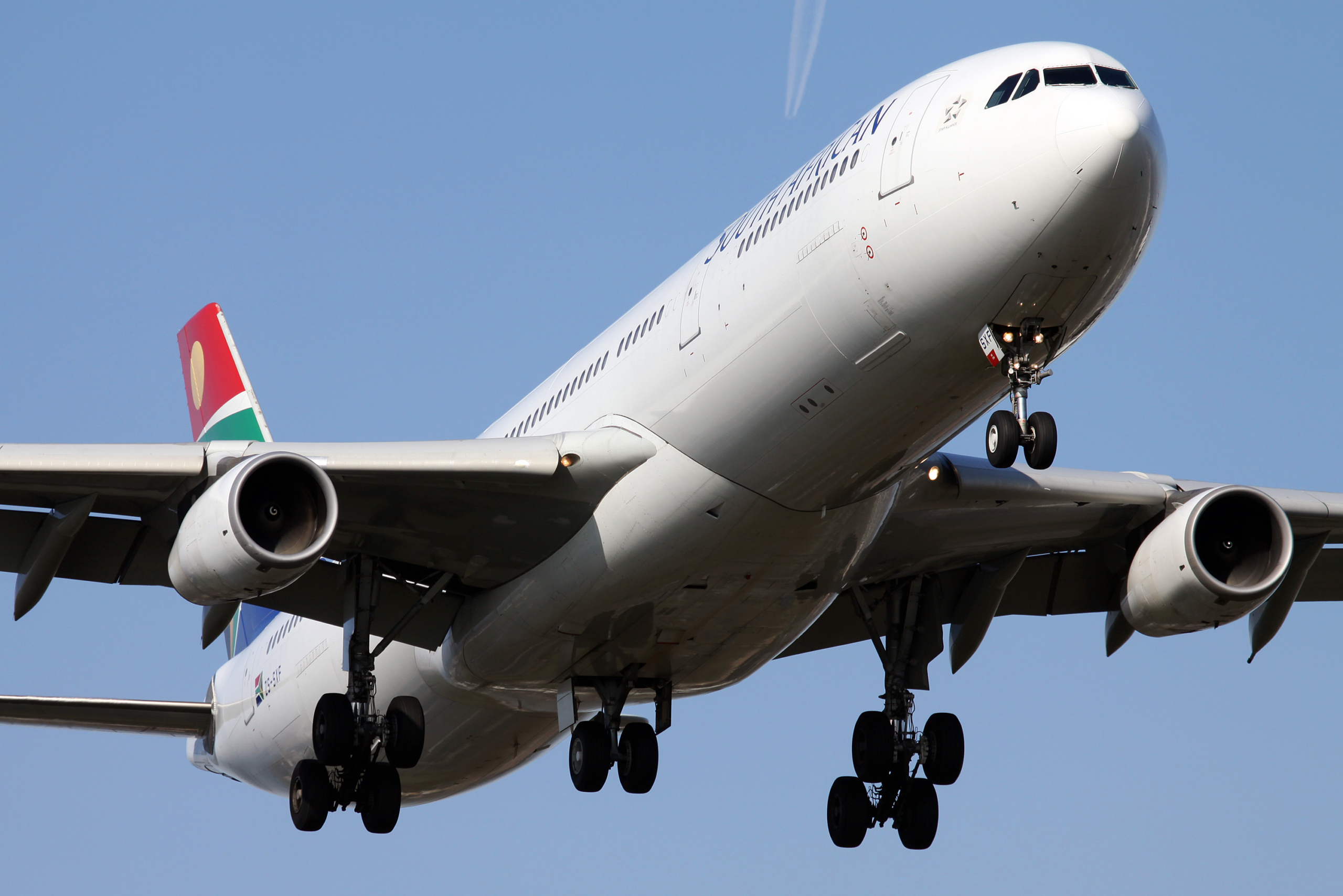
He also pointed to the airline’s Star Alliance membership and codeshare partnerships with Kenya Airways and Emirates as key to extending its network to more than 150 destinations, without requiring SAA’s own aircraft to operate every route.
Cost constraints impacting SAA’s growth
For all his optimism, Seshibe is candid about the structural economic constraints on African carriers. Airlines operating on the continent, he said, pay close to 70% more for aviation fuel than their global counterparts.
Subsequently, while the average global profit per passenger is around $7, in Africa it can fall as low as $1.30.
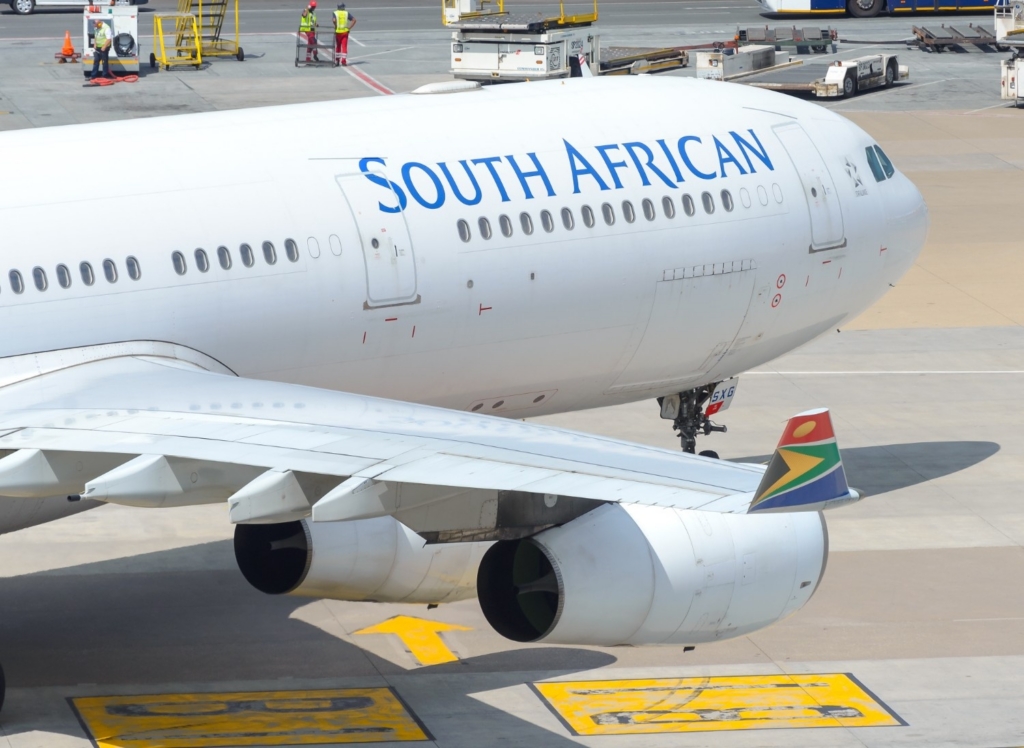
Additionally, he said the regional cost complexity compounds the problem.
“A passenger flying from Africa to São Paulo on a 10- or 11-hour flight will pay less in airport taxes and charges than someone flying to Harare or Dar es Salaam.” That, he said, “is simply unsustainable.”
Blocked revenues, which impact carriers across the continent, add another layer of complexity. Currency restrictions in several markets mean SAA cannot repatriate ticket revenue earned in local currencies.
“We sell tickets, incur costs, but then cannot recoup them. In countries where we face those challenges, we adopt a collaborative approach, working with associations and government to try to redeem that money.” Something, he added, that is achieved with varying levels of success.
Why is the line between legacy and LCC blurring?
On competitive strategies, Seshibe said the lines between legacy and low-cost carrier models are blurring.
“We are all adopting good strategies from each other that work for our respective airlines. At SAA, for example, we are reimagining our model to learn from LCCs in terms of revenue maximisation, while maintaining our standards of service as a premium carrier.”
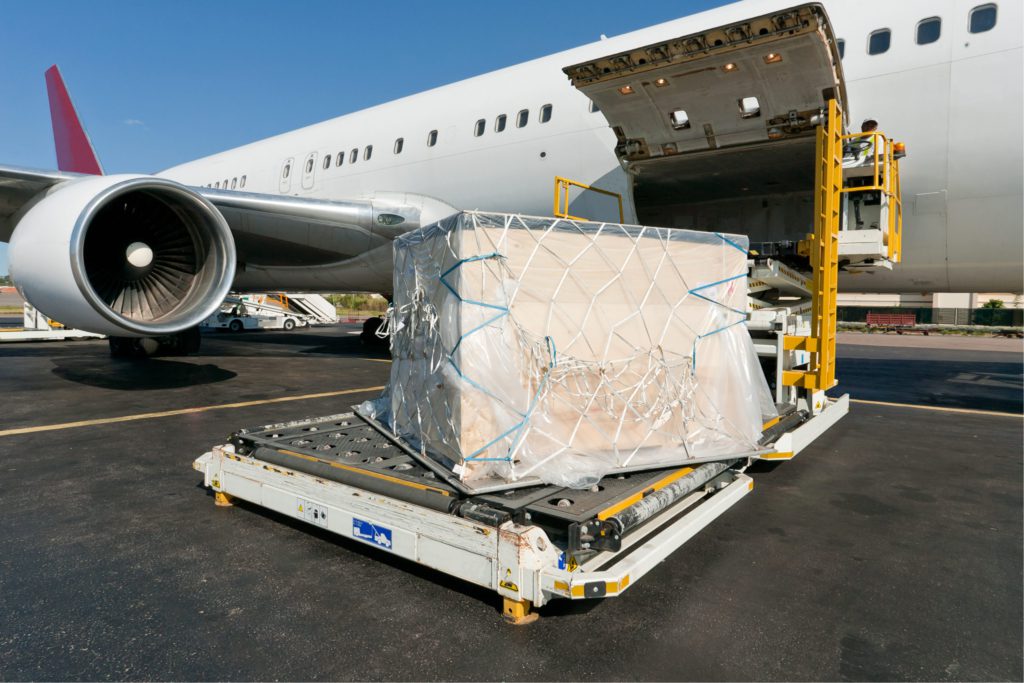
In terms of cargo, SAA doesn’t currently operate dedicated freighters, but, as Seshibe said, it is working in partnership with major airlines to grow the belly-freight business, with longer-term structural partnerships under development.
Geopolitical headwinds remain an immediate challenge
As with carriers worldwide, the immediate headwind is geopolitical rather than structural. The conflict in the Middle East has driven up jet fuel prices in some cases by more than twofold.
SAA has made targeted adjustments to its scheduled and route network where necessary, but these said Seshibe have so far been minimal.
“SAA is still seeing steady demand. But the longer this situation continues, the greater the impact on global aviation will be,” he added. “We hope it will be short-lived.”
Despite Seshibe’s optimism about the airline’s future and his assurance that the necessary measures are now in place to restore confidence in its reporting, the carrier still faces stiff competition across Africa.
With a fleet of just 19 aircraft and a network of 17 routes, whether it can achieve South Africa’s ambitious target of serving 42 million passengers by 2030 remains to be seen.
Featured image: photogoodwin / stock.adobe.com