Icelandair considers accelerating Boeing 757 retirement plans amid ongoing fuel price hikes

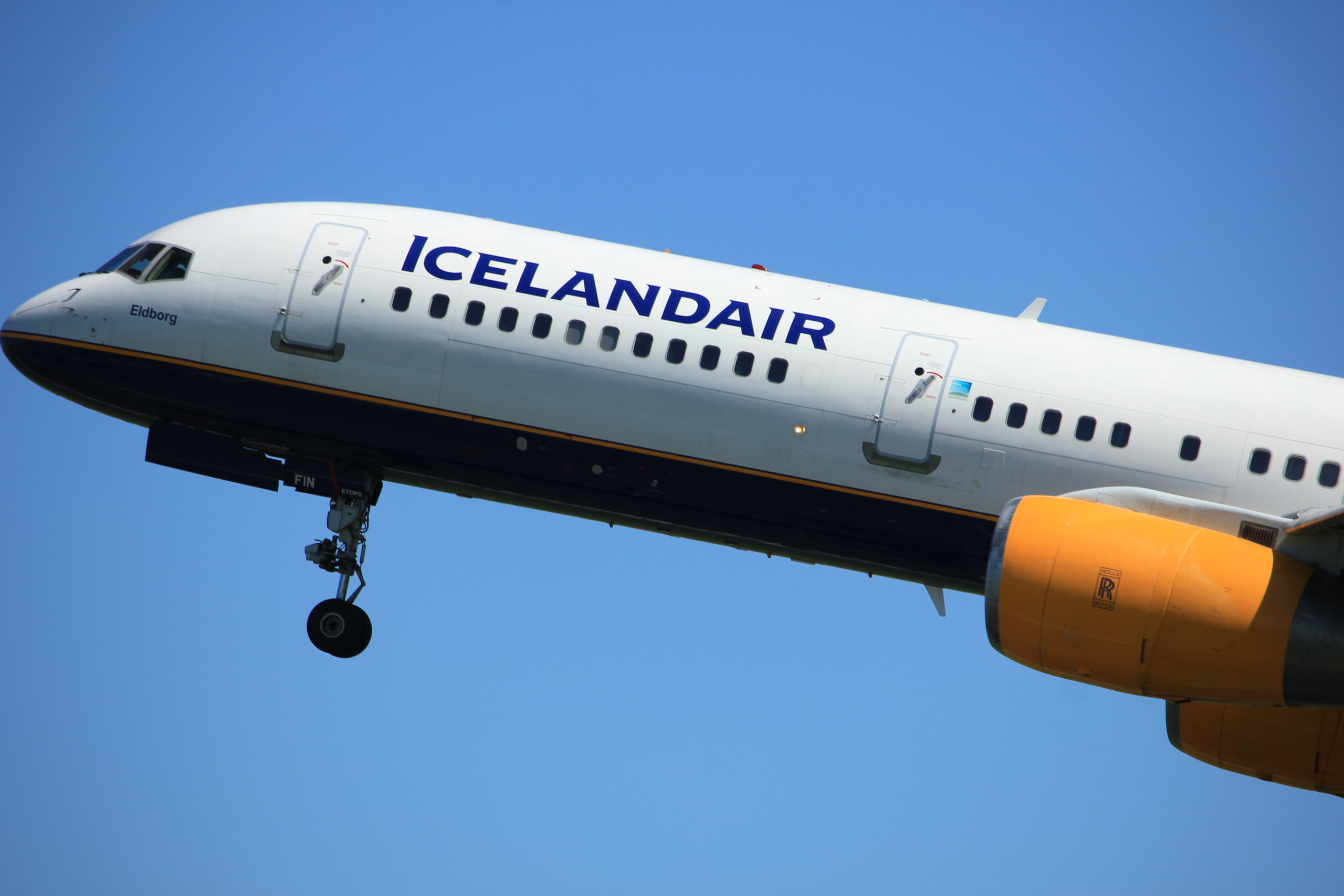
Icelandair executives have indicated that the Keflavik-based carrier may look to accelerate the retirement of the carrier’s last remaining Boeing 757s. With the current high fuel prices and future uncertainty over oil supplies, the airline said it will look at bringing forward its final operations with the Boeing twinjet, currently scheduled for late 2027.
Icelandair reviews the retirement plans for its Boeing 757 fleet
During a quarterly earnings call held on 29 April, Icelandair’s CEO, Bogi Nils Bogason, told investors that the company was reviewing the retirement date of its last remaining Boeing 757 aircraft.
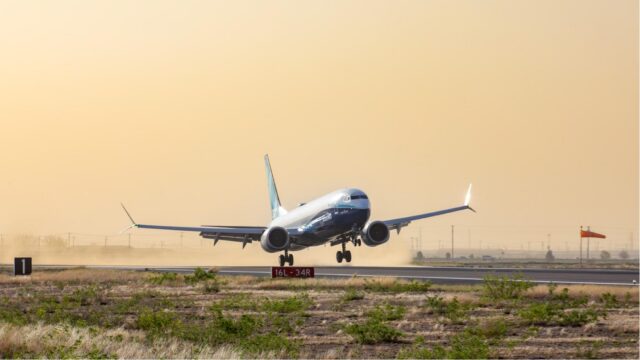
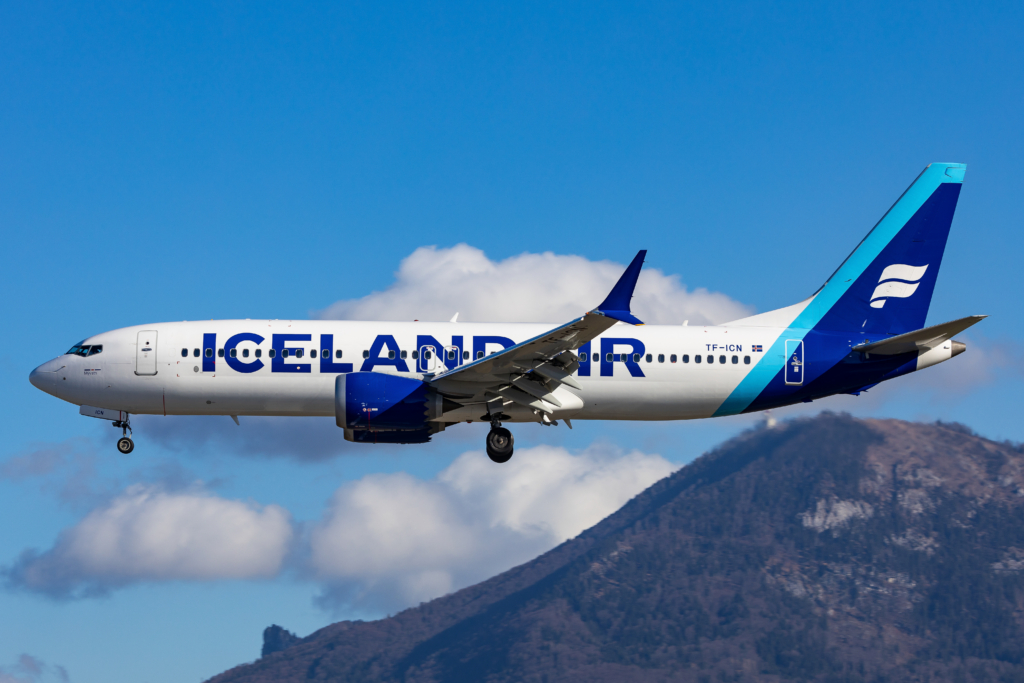
The airline had been planning to withdraw its last Boeing 757 in the autumn of 2027. However, amid high fuel prices resulting from the conflict in the Middle East, the carrier may look to bring this date forward as it transitions to a more efficient fleet structure comprising Boeing 737 MAX aircraft and leased Airbus A321LRs.

For the past 30 years, the Boeing 757 has formed the backbone of the Icelandair fleet, with over 40 examples having flown for the carrier during that time. However, the type has gradually been replaced since early 2018 by the Boeing 737 MAX 8 and, latterly, the Airbus A321LR, both of which offer better economics and reduced fuel burn than the ageing 757s.
While the phased withdrawal of the Boeing 757 has been ongoing for several years, the twinjet was finally due to disappear from the Icelandair fleet entirely, with the last examples being retired by the autumn of 2027. However, according to comments made by Bogason, this could be brought forward to the end of the 2026 summer season, depending on the prevailing economic circumstances after the peak travel season ends.
“Our base plan assumes a limited number of Boeing 757 aircraft remaining in operations through the fall of [2027]. However, if fuel prices remain elevated, we may accelerate the 757 retirements, potentially after the summer season this year,” Bogason said.
The 757 once formed the backbone of the Icelandair fleet
According to Planespotter.net, the airline currently has nine of the type remaining, although just six of these are used for regular passenger scheduled services. The remaining three airframes are used for bespoke long-haul charter flights for operators such as Abercrombie & Kent and National Geographic.
The Boeing 757 has played a central role in the development of Icelandair since the early 1990s. Introduced by the airline in 1990, the 757 quickly became popular for its fuel efficiency, range, and ability to operate from shorter runways, making it ideal for use on Icelandair’s transatlantic routes.
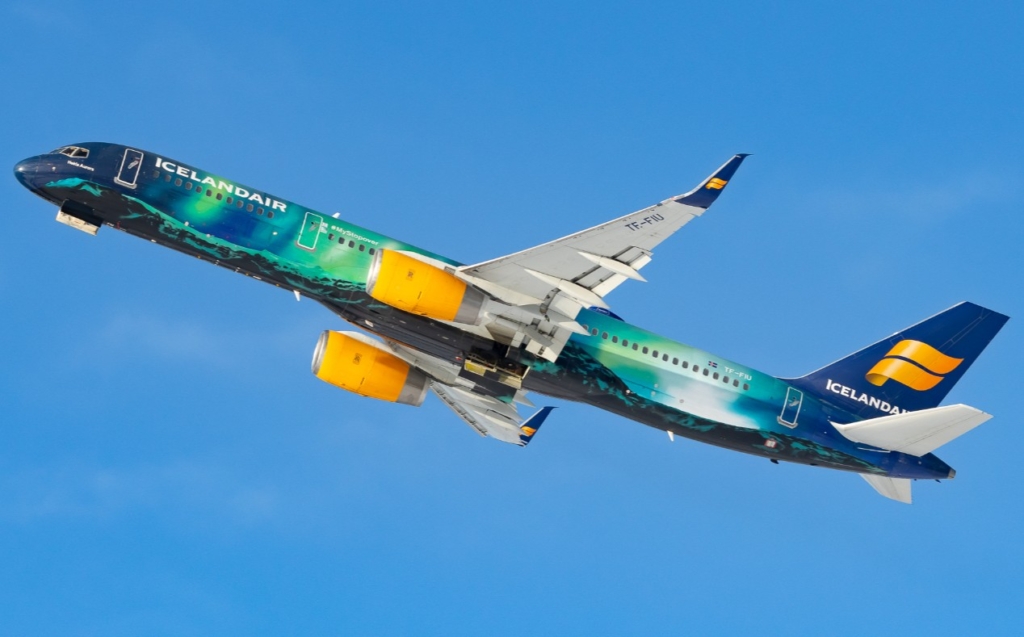
Icelandair began building its 757 fleet throughout the 1990s, initially replacing Boeing 727-200s on the airline’s regional international routes. By the late 1990s and 2000s, the type formed the backbone of the Icelandair fleet, with the 757 being the only aircraft type operated by the carrier for many years.
The Boeing 757 enabled the airline to develop its unique hub-and-spoke model via Keflavík, linking Europe and North America with one-stop connections. Its range of around 3,900 miles (6,300 km) and strong performance in harsh weather made it particularly suited to Iceland’s geographical position.
The most common variant in the fleet has been the 757-200, typically configured for about 180 passengers. The airline later added the longer fuselage Boeing 757-300 with a seating capacity of 25 passengers.
Over time, Icelandair used the Boeing 757 fleet on a wide network of transatlantic and regional routes, helping the airline expand far beyond a small national carrier into a significant operator over the Atlantic, bridging the gap with one-stop service between Europe and North America. The carrier even operated several of its Boeing 757s in special liveries celebrating Iceland and its natural wonders, although these have all now been retired.

Despite this transition to the Airbus A321neo and Boeing 737 MAX, the 757 remains a symbol of Icelandair’s growth and international success, representing an era when a single aircraft type enabled the airline to connect continents effectively.
Other fleet adjustments are ongoing at Icelandair
While Bogason declined to comment on what effect the drop in 757 capacity would have on the airline, it is thought that the decrease in fleet numbers could be swallowed up through seasonal network adjustments over the forthcoming winter period.
Additionally, the CEO stated that the carrier was “actively working on securing additional aircraft for delivery in 2027 and 2028, which could include leasing additional A321neos.”
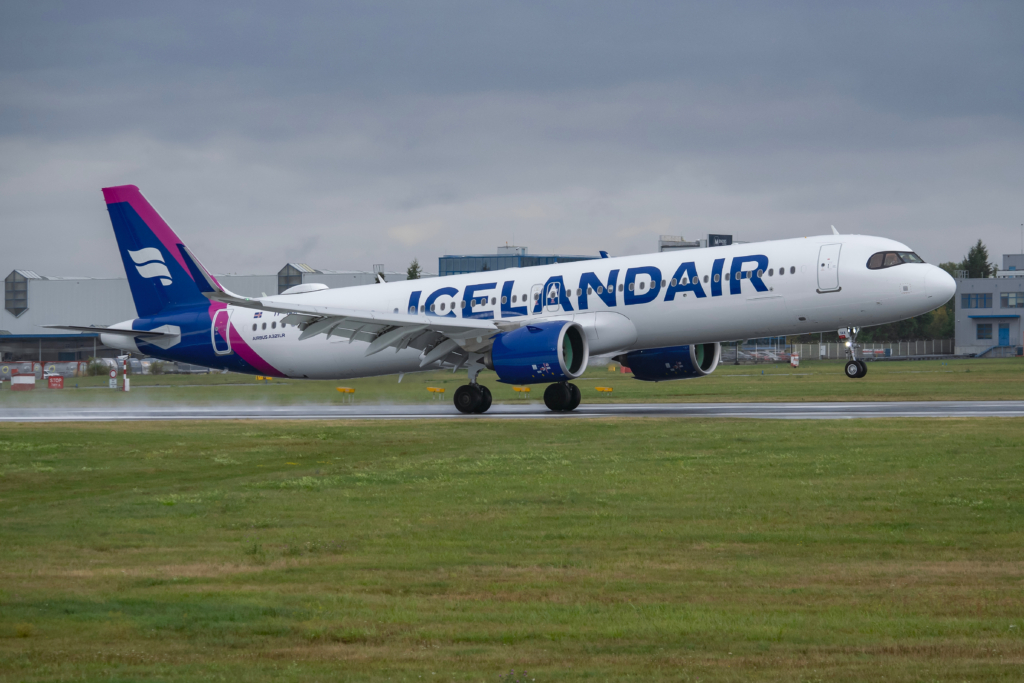
The airline is also nearing the end of the process of retiring its four remaining Boeing 767s, with the last due to be retired by the end of 2026. Bogason added that to cover the last delivery of its next Airbus A321LR, the airline would lease an A320ceo for the summer period. Although he did not reveal the source of this aircraft.
Icelandair reported a strong performance for 1Q26
The decision to review the fleet deployment of its Boeing 757 fleet comes as Icelandair reported results for the first quarter of 2026. The Icelandair Group reported a 21% year-on-year increase in total revenues despite the carrier facing macroeconomic challenges such as fuel price volatility and currency headwinds.
Its revenue increased by 21% year-on-year, driven by strong passenger growth, while its EBIT margin improved significantly, marking the best first-quarter performance since 2016.
The carrier grew overall capacity by 13% in the quarter, while its network load factor improved slightly year-on-year. Passenger yields grew by 9%, while traffic grew across all markets with particularly strong momentum in the Iceland-originating market, which grew 26%, undoubtedly due in part to the failure of local competitor PLAY Airlines in September 2025. On-time performance reached 82% during the quarter, up a single percentage point year-on-year.
“Our ability to deliver strong results in a challenging environment underscores the effectiveness of our strategic initiatives, particularly in premium product expansion and network optimisation,” said Bogason.
The airline said that its focus remained on “strategic expansion into high-yield European markets. Additionally, following PLAY’s example, the Icelandic Group has announced that it intends to acquire a Maltese-based Air Operators Certificate, which the airline said would provide it with “operational flexibility and increased business opportunities” within the European market space.
Featured image: Studio Porto Sabbia / stock.adobe.com