Airbus to transform Hurjet into SAETA II under Spain’s ITS-C training overhaul

5 min read
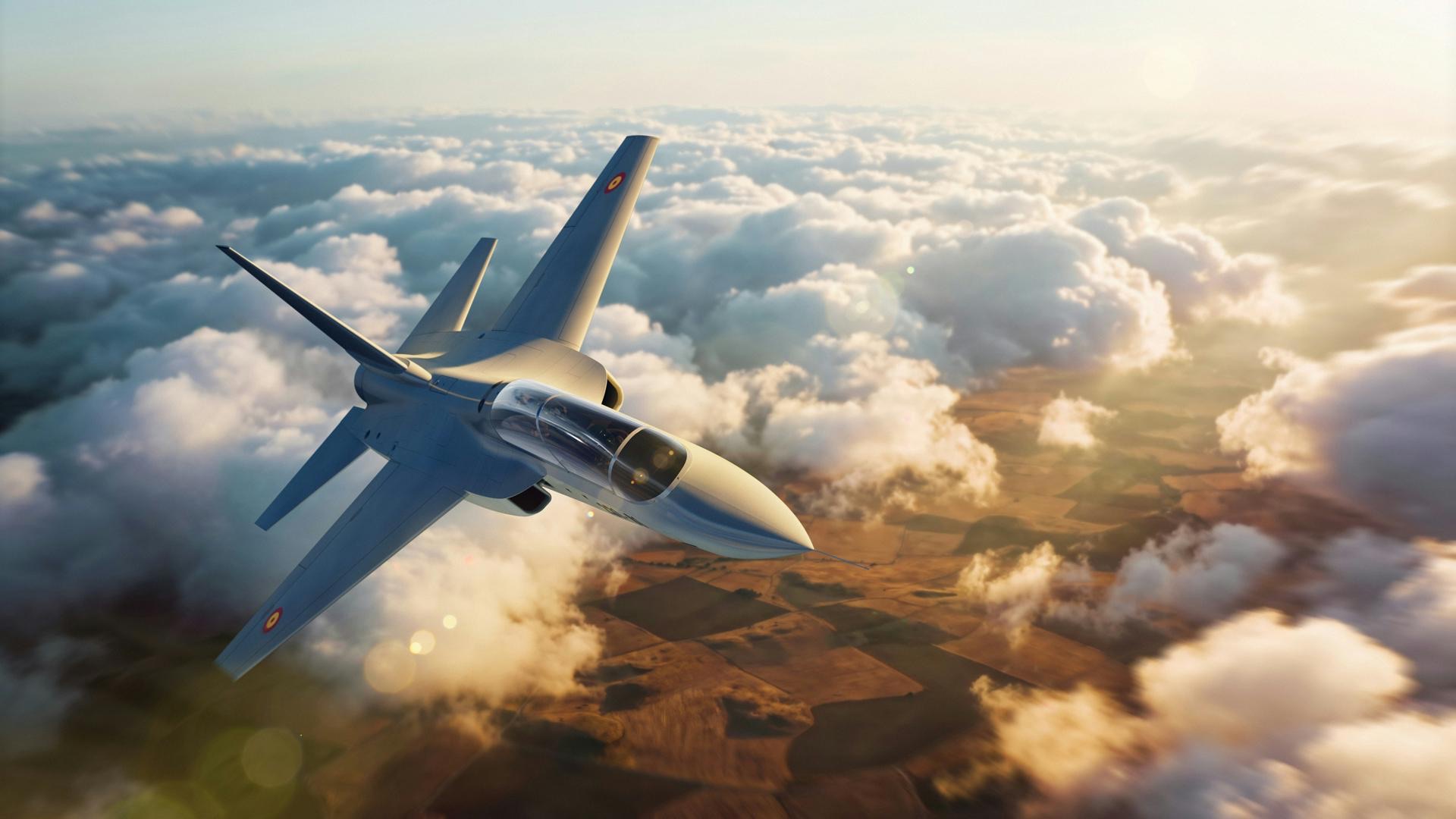
Airbus has set out a detailed roadmap for Spain’s Integrated Combat Training System (ITS-C), outlining a two-phase programme that combines the redesign of the Turkish Hürjet trainer into a Spanish-standard configuration with the rollout of a fully integrated pilot training system spanning aircraft, simulators and long-term support.
The plan, presented by an Airbus-led industrial team, marks a shift away from a simple trainer replacement towards a system-level overhaul of how the Spanish Air and Space Force trains its fighter pilots.
The programme will replace the ageing Northrop F-5 fleet with 30 aircraft derived from the Hurjet, designated SAETA II in Spanish service, while introducing a training architecture that integrates live flying with synthetic environments and sustainment.
Awarded in December 2025 to Airbus as prime contractor, in partnership with Turkish Aerospace as the aircraft manufacturer, the ITS-C programme is structured as a co-development effort that places Airbus at the centre of aircraft modification, systems integration and lifecycle management within Spain.
Spain’s ITS-C programme follows a two-phase rollout for Hurjet-based SAETA II
The programme will be delivered in two overlapping phases, beginning in 2028 with the introduction of an initial batch of 21 aircraft in baseline configuration.
One of these aircraft will be used as a prototype for the integration of next-generation avionics and mission systems, effectively redefining the “brain” of the platform.
Alongside this, development of the ground-based training system will move in parallel, with entry into service planned around the 2029–2030 academic year.
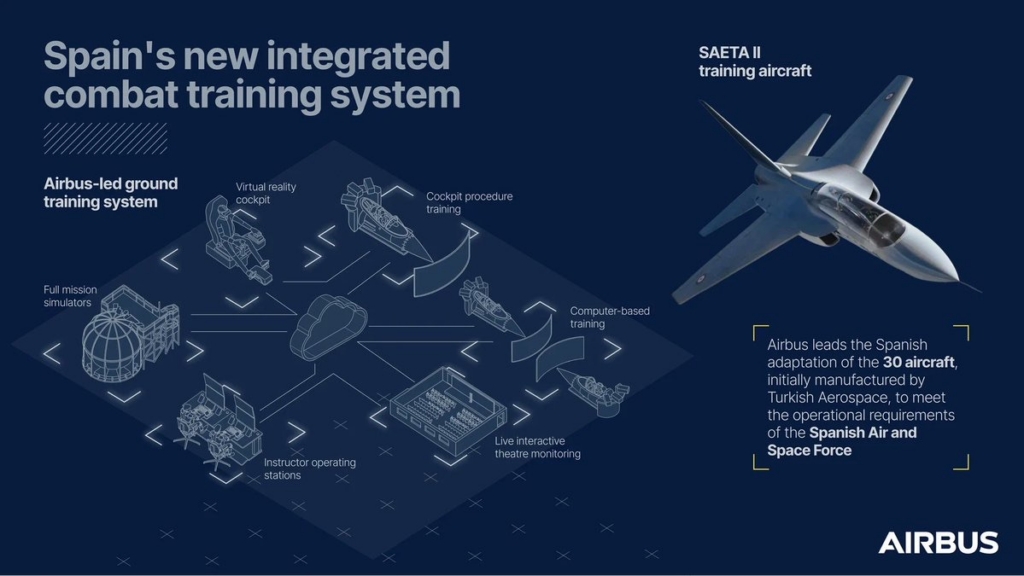
This element is central to the programme’s integrated approach, linking aircraft operations with advanced simulation.
In the second phase, all 30 aircraft, including the initial batch and the remaining nine, will be converted to full Spanish standards.
Simulators and training systems will be upgraded accordingly, with deliveries of the fully configured SAETA II system scheduled between 2031 and 2035.
Airbus to redesign Hurjet into SAETA II and upgrade Spain’s training system
At the core of the ITS-C programme is Airbus’ role in transforming the baseline Hurjet into a platform tailored to Spanish operational requirements.
This includes the integration of national avionics, mission systems and data links, as well as the certification and long-term sustainment of the fleet.
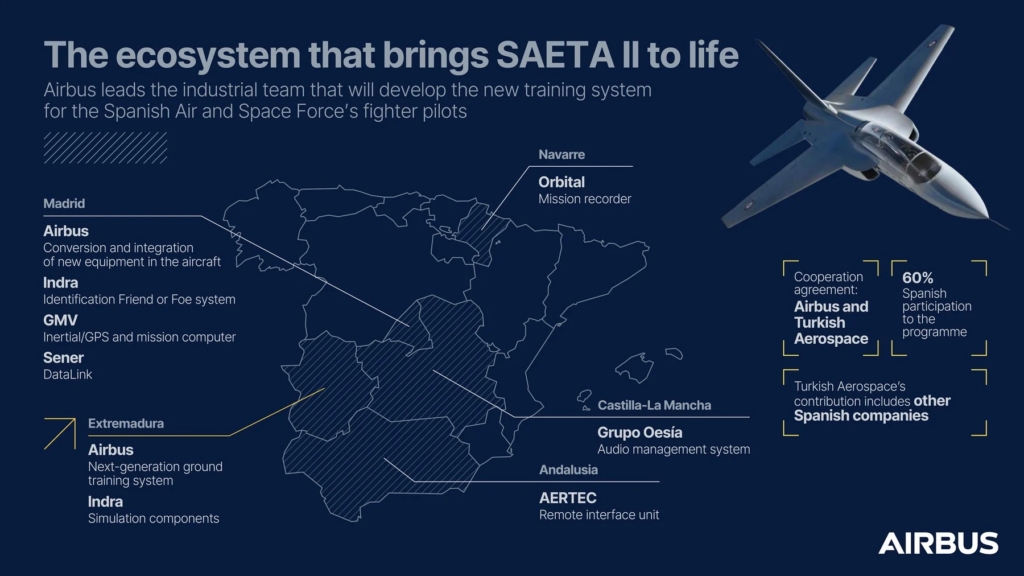
The redesign effort is not limited to the aircraft. Airbus will also lead a comprehensive upgrade of the Fighter and Strike School Training Centre at Talavera la Real Air Base in Extremadura.
The facility will be reconfigured to support an integrated training model, combining live flight with simulation and mission rehearsal.
Advanced simulators developed with Indra will form part of the new training environment, enabling pilots to train for complex scenarios in a controlled setting before transitioning to live operations.
The centre will also provide logistical and maintenance support for both aircraft and synthetic training systems, aimed at maximising availability.
Hurjet trainer to power Spain’s SAETA II with supersonic capability
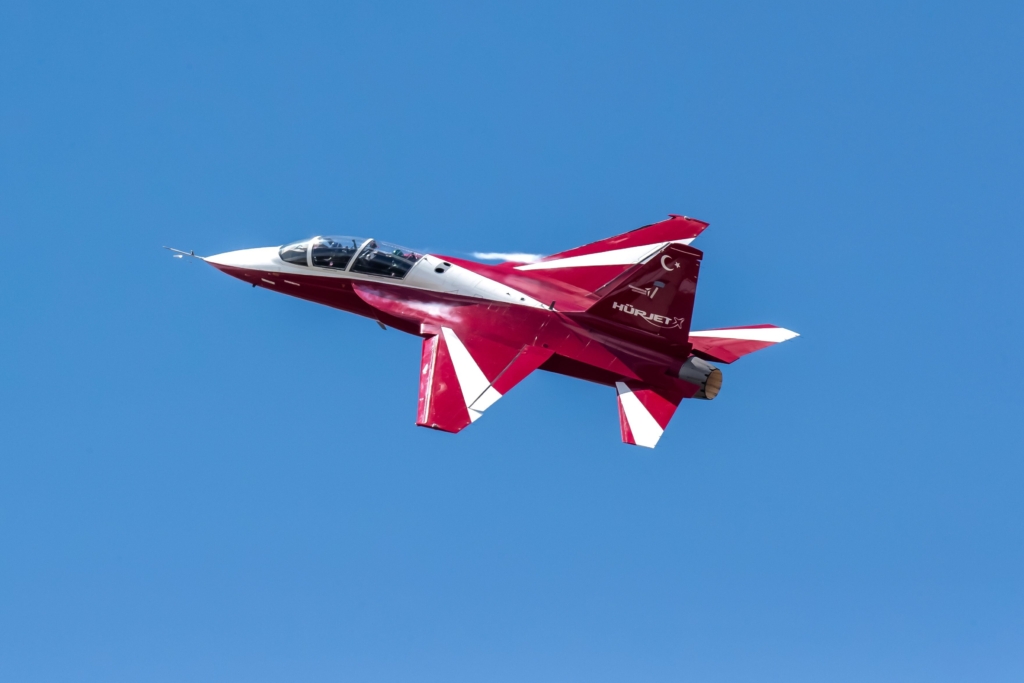
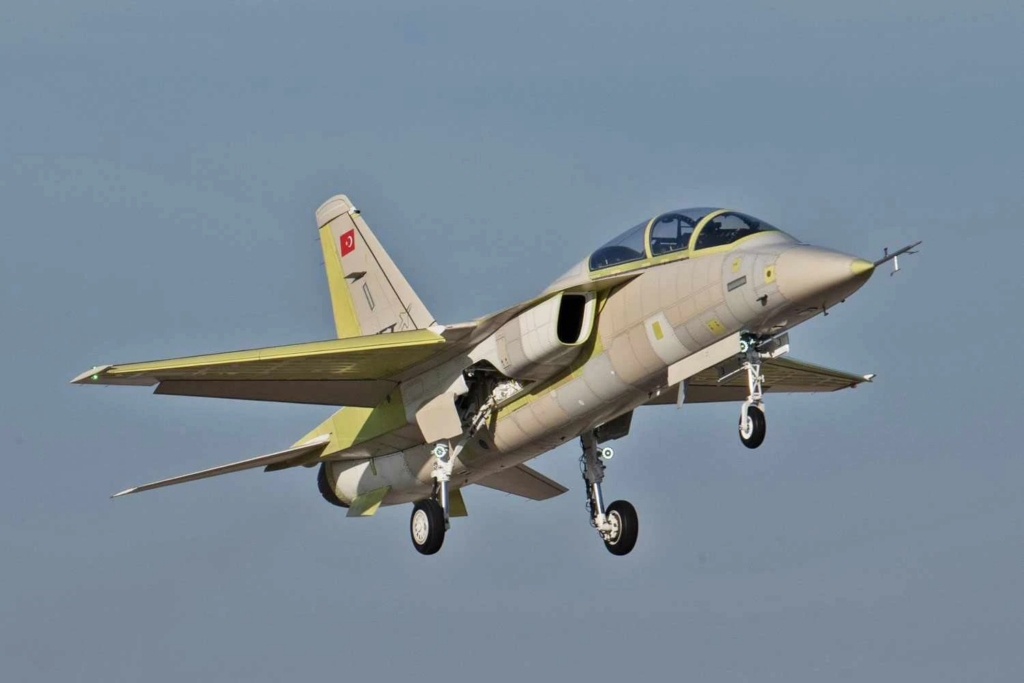
Developed by Turkish Aerospace, the Hurjet is positioned as a next-generation lead-in fighter trainer designed to replicate the performance and operational environment of modern combat aircraft.
The platform first flew in 2023 and has been engineered around a high-performance flight envelope, with supersonic capability, tandem seating and a fully digital cockpit architecture.
Its design emphasises pilot preparation for advanced fighter platforms by combining aerodynamic performance with mission-oriented avionics and training systems.
A key feature of the aircraft is its adaptability. Beyond its core training role, Hurjet has been designed to support light combat tasks, including armed reconnaissance, reflecting a broader trend towards multi-role trainer platforms that can deliver operational flexibility alongside training efficiency.
Spain shifts to integrated pilot training system under ITS-C programme
The ITS-C programme reflects a broader shift in pilot training towards system-of-systems approaches.
Rather than focusing solely on the aircraft, the programme integrates multiple elements such as flight operations, simulation, mission planning and sustainment into a single architecture.
Airbus describes the programme as covering “the entire advanced training process for Spanish fighter pilots,” from aircraft customisation to operational support.
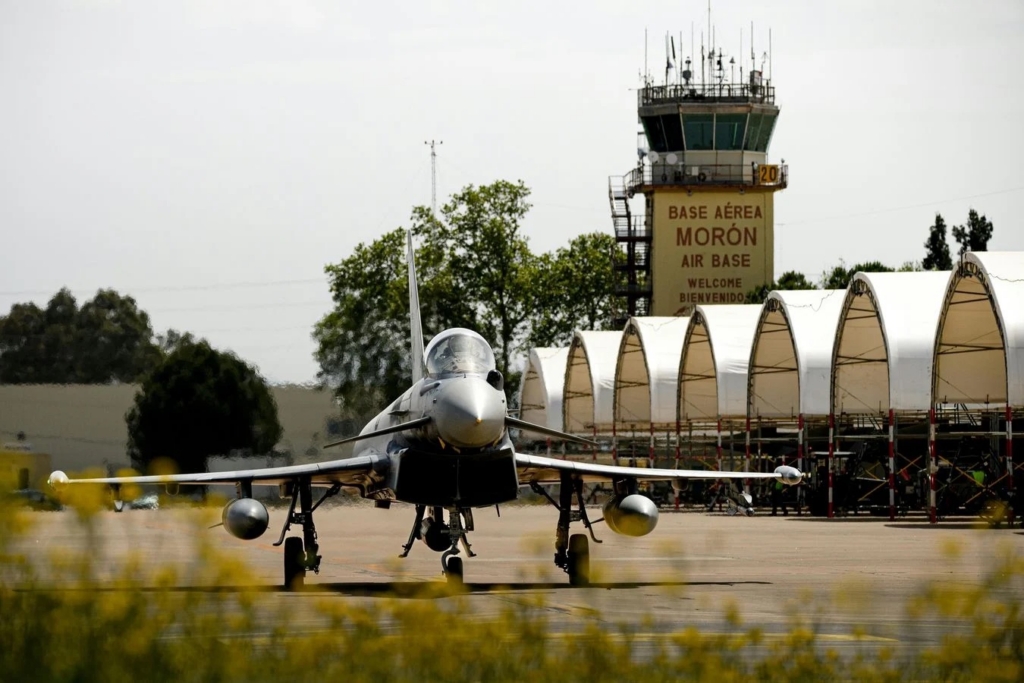
The SAETA II itself is a supersonic, tandem-seat trainer designed to prepare pilots for frontline platforms such as the Eurofighter Typhoon and future combat systems. Its digital cockpit and multi-role capability also allow it to serve as a light combat aircraft, extending its operational relevance beyond training.
Spanish industry to lead integration and sustainment of SAETA II system
A defining feature of the programme is the level of national industry participation, with Spanish companies expected to account for around 60 per cent of the total workshare.
Airbus will coordinate a network of around 15 domestic firms responsible for key elements of the system, including avionics, mission systems and support infrastructure.
Spanish companies will integrate critical technologies across the platform, including mission computers and navigation systems from GMV, data links from Sener, remote interface units from Aertec, audio systems from Grupo Oesía, mission recorders from Orbital and Identification Friend or Foe systems from Indra.
This structure is designed to ensure that Spain retains control over maintenance, upgrades and future evolution of the fleet.
Marta Nogueira, Head of Business Spain at Airbus Defence and Space, said the programme delivers “technology transfer in key areas” and “a deep-reaching industrial return,” while ensuring “the strategic sovereignty and independence necessary to manage the sustainment and any future evolution of the system.”
Spanish Secretary of State for Defence Amparo Valcarce echoed this, describing the programme as one that “mobilises our industry, generates knowledge, employment, and opportunities throughout the entire value chain,” and strengthens “our strategic autonomy by allowing us to design, integrate, and evolve our own capabilities.”
SAETA II programme to prepare Spanish pilots for future air combat
The ITS-C programme is as much about future capability as it is about replacing ageing aircraft.
By combining a high-performance trainer with an integrated training ecosystem, Spain is aligning its pilot training pipeline with the demands of modern air combat, where digital systems, networked operations and multi-domain integration are central.
The SAETA II, built on the Hurjet platform but adapted through Airbus-led redesign and national integration, is intended to provide a seamless transition from training to frontline operations.
With deliveries extending into the mid-2030s, the programme will shape how Spanish pilots are trained for decades to come, embedding a system that is designed not only to meet current requirements but to evolve alongside future combat needs.
Featured image: Airbus