Snowbirds grounded? Canada confirms PC-21 turboprop replacement for Tutor

3 min read

Canada has confirmed plans to procure a new aircraft for their aerial display team, the Snowbirds, bringing an end to more than five decades of CT-114 Tutor operations.
Not only is it goodbye to the Tutor, but it’s also goodbye to the jet engine for the team. The new aircraft to be procured are turboprops.
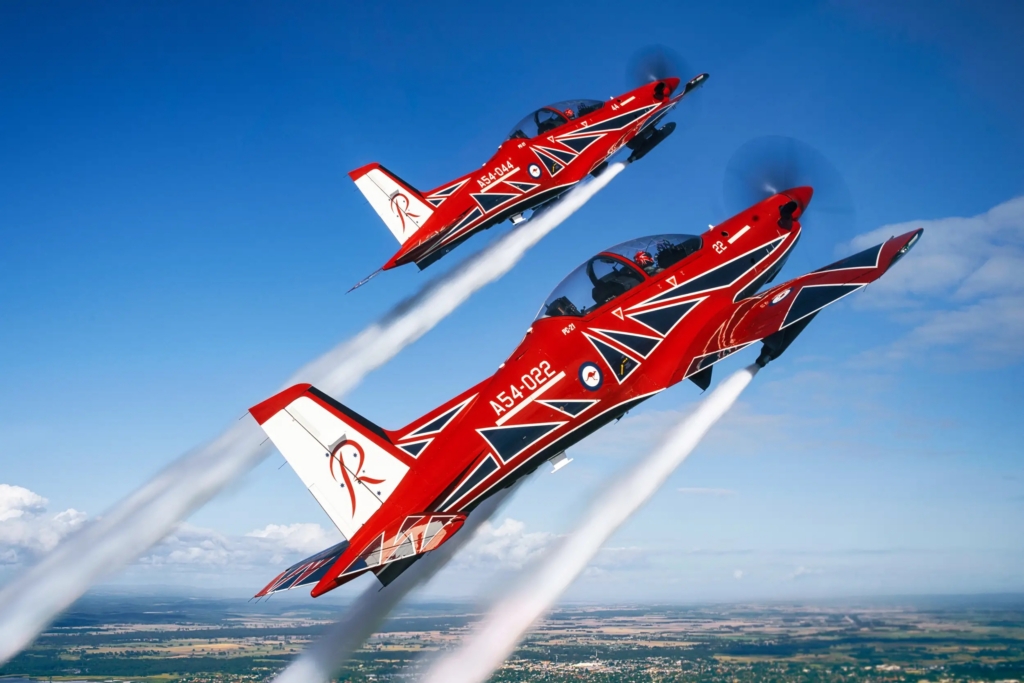
Fear not, however, because the Pilatus PC-21, known as the CT-157 Siskin II in Canadian military service, is one of the most capable and jet-like turboprops in the world.
However, with the new fleet not expected to become operational until the early 2030s and the Tutor retiring after the 2026 season, the Snowbirds now face a lengthy transition period.
The Pilatus PC-21 is picked for Canada’s Snowbirds
Announced on 19 May, David J. McGuinty, Minister of National Defence, revealed the intention to procure new aircraft for the display team. The timeline for deliveries is unclear, but he noted that the fleet will ultimately grow to nine aircraft.
The PC-21 is one of the world’s most advanced military training aircraft and is already operated by several air forces, including those of Australia, France and Spain. Designed to bridge the gap between basic trainers and front-line fast jets, it combines turboprop operating costs with handling characteristics intended to mimic modern fighters.
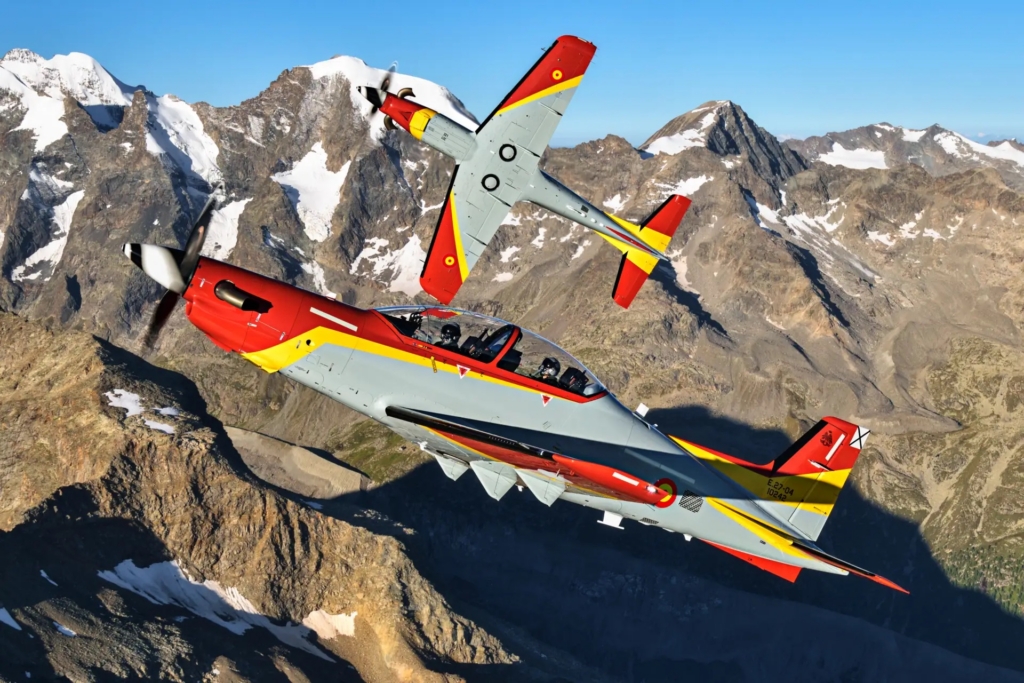
Powered by a 1,600 shp Pratt & Whitney Canada PT6A engine, the aircraft can reach speeds of around 370 knots and is equipped with a fully digital glass cockpit, head-up display and embedded simulation systems. The type is primarily used for advanced pilot training, replacing older jet trainers in several countries.
For the Snowbirds, the move represents a major shift away from the jet-powered Canadair CT-114 Tutor, which has defined the team’s appearance and sound since 1971.
| Specification | Pilatus PC-21 |
|---|---|
| Aircraft type | Advanced turboprop trainer |
| Canadian designation | CT-157 Siskin II |
| Manufacturer | Pilatus Aircraft |
| Engine | Pratt & Whitney Canada PT6A-68B turboprop |
| Power output | 1,600 shp |
| Maximum speed | 370 kt / 426 mph / 685 km/h |
| Maximum operating altitude | 38,000 ft |
| Range | Up to 1,333 km / 720 nm |
| Rate of climb | Approx. 4,000 ft/min |
| G limits | +8g / -4g |
| Crew | Two, tandem seating |
| Key cockpit features | Glass cockpit, HUD, HOTAS controls, embedded simulation systems |
The PC-21 offers several advantages. It is significantly newer, safer and cheaper to operate than the ageing Tutors, while also providing better reliability and easier maintenance support.
Importantly, it is already in Canadian service as the Future Aircrew Training (FAcT) programme selected the PC-21 platform for pilot training, simplifying logistics and support.
The new fleet will be based at 15 Wing Moose Jaw, Saskatchewan, and is expected to become operational in the early 2030s. Canada said the Snowbirds will ultimately rebuild to their distinctive nine-aircraft formation.
Canadian Snowbirds not cancelled, just temporarily paused
While Canada can look forward to safe, new aircraft for the Snowbirds, the demise of the Tutor will mark the end of an era for the display team.
Originally entering RCAF service as a jet trainer in 1963, it’s been flying for the Snowbirds since 1971. Over 55 years, the team has performed more than 2,700 air displays for more than 140 million people.
“2026 will mark the final air show season for the CT-114 Tutor aircraft prior to the fleet’s retirement,” the RCAF said.
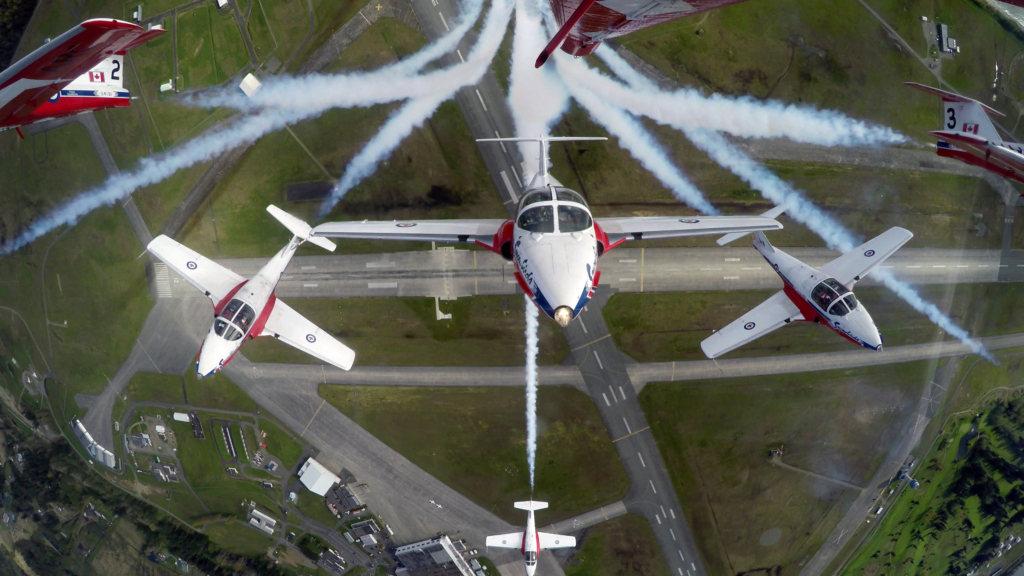
The maths is difficult to ignore. With the Tutors retiring in 2026 and the replacement fleet not expected to become operational until the early 2030s, the Snowbirds appear set for a significant operational pause while the new team is rebuilt around the PC-21.
This isn’t so unusual; other demonstration teams have paused operations while transitioning to a different platform. The RCAF says it will support airshows and public engagement opportunities with other aircraft and personnel in the meantime.
For now, the Snowbirds are grounded. But far from being cancelled, Canada has just assured their future for many years to come.
Featured image: RCAF