Icelandair will end widebody operations in 2026 as Boeing 767 phaseout brought forward

3 min read
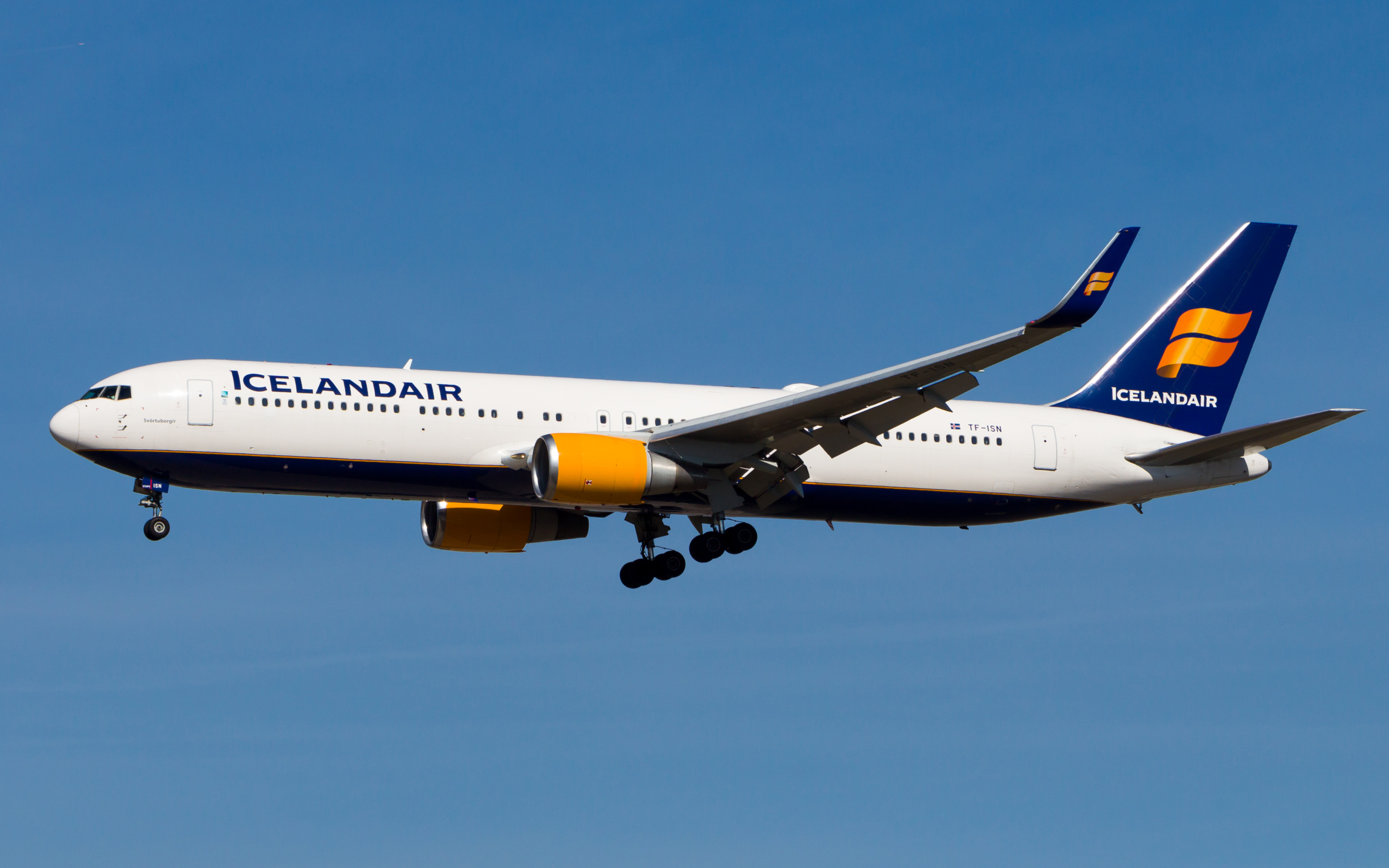
In its third-quarter earnings call today, Icelandair announced that it would be bringing forward its Boeing 767 retirement to the end of 2026 as it searches for efficiencies as part of its transformation program. CEO Bogi Nils Bogason affirmed that the airline is now fully committed to full-year profitability for 2026.
During the quarter, Icelandair secured a net profit of $57.3 million, down from $69.2 million the year before. Earnings before interest and tax (EBIT) dropped from $83.5 million last year to $74.4 million for the quarter.
Executives said that several headwinds contributed to the weakened result, including fare pressure on the transatlantic front to North America. However, Icelandair noted that liquidity reached a record high this quarter and revenue increased 6% to $585.3 million.
Icelandair will retire the Boeing 767 sooner than expected
As part of its journey to profitability in 2026, the company announced that the retirement of the Boeing 767s would be brought forward to the end of next year. The airline had previously slated the retirement for 2029, making the widebody’s exit three years earlier than planned.
Icelandair has already phased out five of its original 10 Boeing 767s, and two of the remaining five are cargo-configured. The remaining passenger aircraft are all over 25 years old.
With the Boeing 767s exiting, Icelandair will become an all-narrowbody airline, ending widebody operations after more than a decade.

“After eight years of unsustainable financial performance, our focus is clear – to turn the Company around to profitable operations, no later than next year,” said Bogason. “To achieve this, we have rationalised our capacity for 2026, reduced the fleet by two aircraft, and have decided to cease the operation of our widebody Boeing 767 aircraft at the end of 2026.”
The Boeing 767s will be retired to contribute “to a more unified and thereby efficient fleet.” The remaining aircraft in service will include its much more modern Boeing 737 MAX, Airbus A321LR and Boeing 757s.
The flying pencil will slowly be phased out as additional Airbus narrowbodies join the fleet over the coming years. This quarter, the company retired its iconic Boeing 757 with the Vatnajökull glacier special livery. It also withdrew its Northern Lights-inspired Hekla Aurora 757.
Icelandair’s connecting operation to the States is weakening
Fuel expenses decreased 5% year-on-year, largely driven by fleet renewal, operational efficiencies and favourable fuel pricing. Revenue increased overall, but the impact of a weakening transatlantic market was clear. The carrier said that fare pressures, coupled with overcapacity and low yields, characterised a weaker transit market between Europe and North America.
It said it has rationalised capacity, to and from Iceland, with a decrease “in all months except April and May.” This was driven by easter traffic, as well as the start of a second connecting bank, which the carrier launched at its Reykjavík (KEF) hub.

It plans to continue reducing its operations in North America, in line with market trends.
“We are cutting capacity slightly to North America next year, while the situation is challenging there,” Bogason said. It will suspend its route to Detroit as of January 2026.
This quarter, unit revenue from its route network increased by 4%, driven by yield improvements of about 3% on average. On the other hand, unit costs increased 6%, citing currency movements and inflationary pressures. Fuel savings helped.
Icelandair will shift capacity to Southern Europe and Scandinavia instead. It has already announced new routes to Venice and Faro for 2026, and plans to take delivery of three additional A321LR aircraft ahead of next year’s summer season.
Featured image: Christian Palent | Adobe Stock