NATO yet to decide on E-3 successor as Saab denies GlobalEye selection report
5 min read
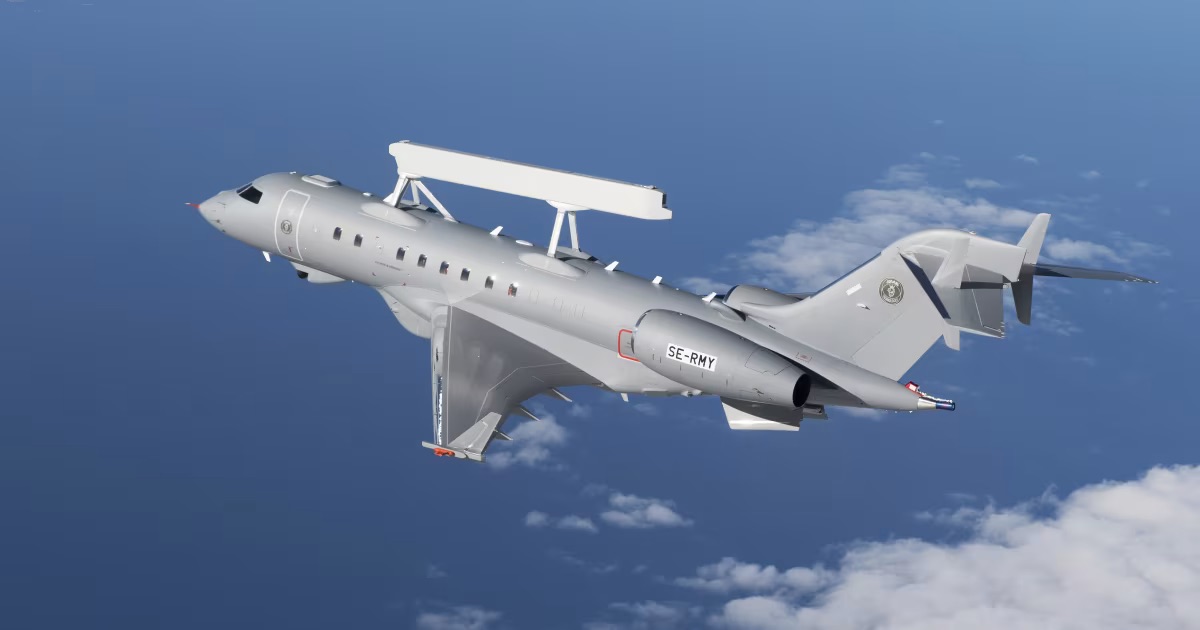
NATO’s long-running search for a replacement for its ageing E-3A Sentry airborne early warning fleet has been thrown into fresh uncertainty, after reports that Saab’s GlobalEye had been selected were swiftly challenged by the company itself.
A French defence outlet, La Lettre, claimed that the alliance had moved to award a contract for the Bombardier Global 6000-based AEW&C platform, signalling a potential shift away from US-built solutions following the collapse of plans to acquire Boeing’s E-7A Wedgetail.
However, Saab has since said no contract has been signed, leaving the status of the programme unclear and the competition still open.
Saab disputes NATO GlobalEye selection as AFSC programme remains open
French defence publication La Lettre reported on 23 April that the NATO Support and Procurement Agency had awarded a contract on 21 April to replace the alliance’s ageing E-3A Sentry fleet to Saab and Bombardier.
According to the report, the two companies would supply the Global 6000-based GlobalEye airborne early warning and control (AEW&C) platform as a one-for-one replacement for the 14 aircraft currently operated by the NATO AEW&C Force (NAEW&CF).
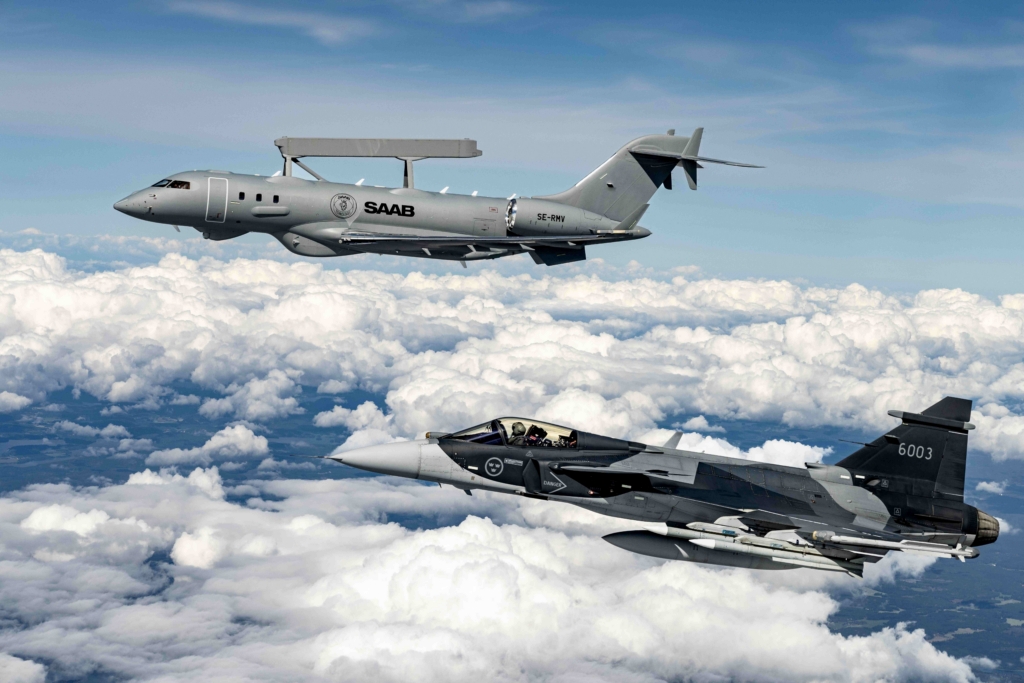
However, the claim has since been cast into doubt.
Speaking to FlightGlobal, Saab confirmed that no contract has been signed and no formal order has been received from NATO.
“We have noted the information in the media. It is up to NATO to comment on where they are in their procurement process. I can confirm that we have provided information to them, but we have not signed a contract or received an order from NATO for GlobalEye,” said Mattias Rådström, vice president of media relations at Saab.
A NATO official also declined to confirm the report, stating that member states involved in the Alliance Future Surveillance and Control (AFSC) programme continue to evaluate options for replacing the E-3A fleet with support from the NSPA.
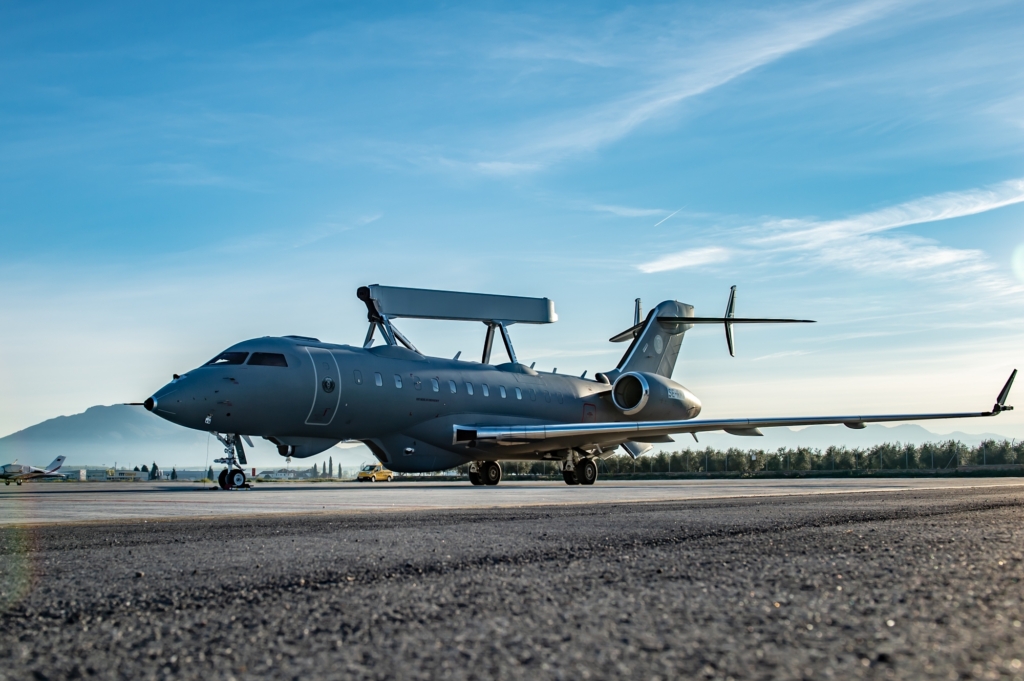
Such responses indicate that no such order has yet been placed by NATO for GlobalEye following the collapse of the Boeing E-7A Wedgetail procurement plan. That being said, the GlobalEye solution is still considered by many defence commentators and analysts to be the frontrunner to replace the alliance’s ageing Sentry fleet.
GlobalEye in pole position after NATO’s E-7A acquisition plan collapsed?
NATO has been seeking a replacement for its ageing fleet of 14 E-3A Sentry aircraft under the Alliance Future Surveillance and Control (AFSC) programme since 2016.
Operated from Geilenkirchen in Germany, the aircraft have been in service since the early 1980s and are currently expected to remain operational until around 2035.

In November 2023, the alliance selected Boeing’s E-7A Wedgetail as its preferred successor, with an initial order for six aircraft expected and entry into service planned for the early 2030s.
That plan began to unravel in 2025.
The turning point came when the US Air Force stepped away from its own Wedgetail procurement in favour of space-based surveillance capabilities, undermining the strategic and financial rationale for a NATO-wide acquisition.
By November 2025, AFSC partner nations had also abandoned the E-7A plan, with the Dutch Ministry of Defence confirming that the programme no longer made sense without US participation.
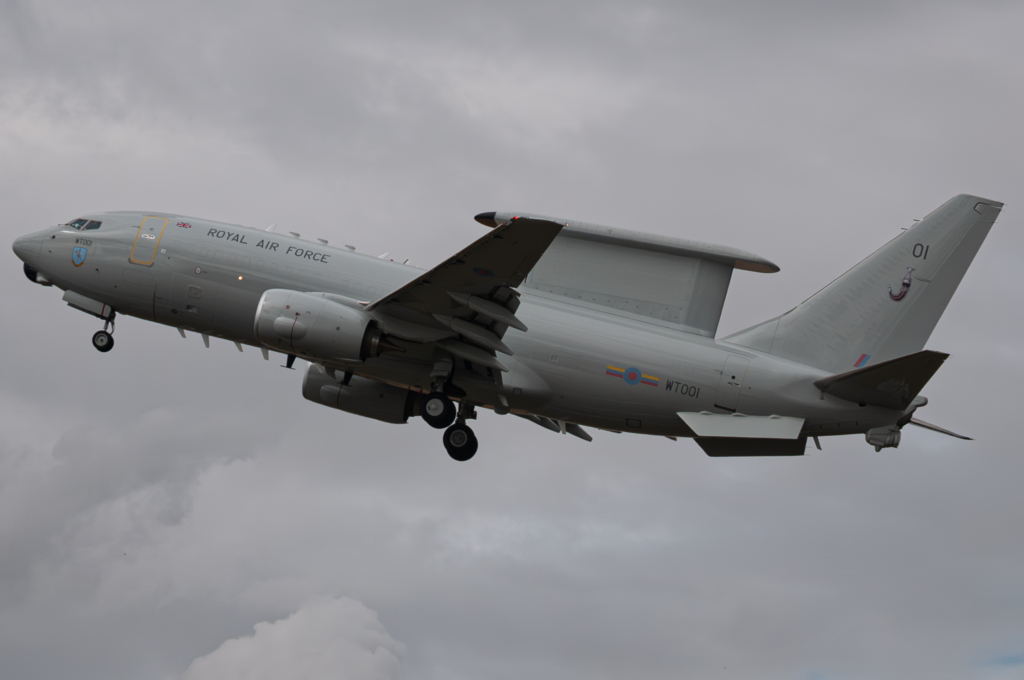
The collapse of the Wedgetail programme has forced NATO to reassess its options and reopened the competition.
In that context, Saab’s GlobalEye is now widely viewed as a leading contender, particularly as European allies look to strengthen regional defence industrial capabilities amid growing political and strategic pressure.
If GlobalEye is eventually selected, it would mark the first time in more than 40 years that NATO’s common AEW&C backbone is not covered by a Boeing-made platform.
Saab GlobalEye gains momentum as NATO seeks post-Wedgetail solution
Saab’s GlobalEye is a platform that has steadily gained traction as a flexible, multi-domain surveillance system.
Built around the Erieye Extended Range active electronically scanned array (AESA) radar and mounted on a Bombardier Global 6000 business jet, the aircraft is designed to detect and track targets across air, land and sea with 360° coverage at ranges exceeding 330nmi (550km).
Unlike traditional AWACS platforms, GlobalEye combines strategic surveillance with a lighter, more fuel-efficient airframe, allowing for extended endurance while reducing operating costs. The system first flew in 2018 and has since moved beyond concept into operational service.
That maturity is becoming increasingly relevant.
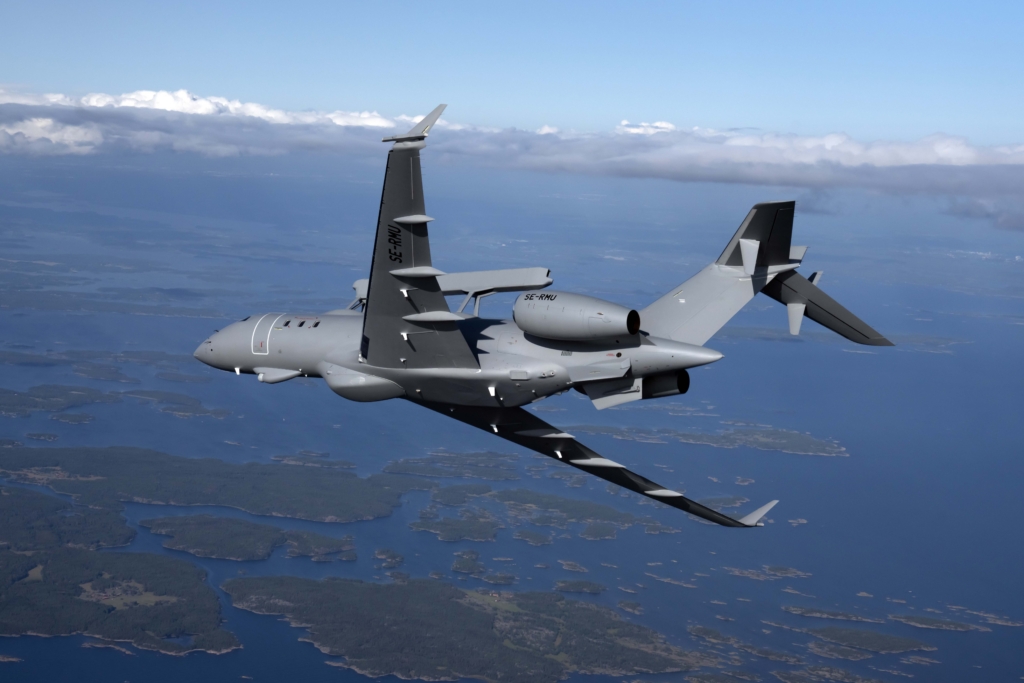
With the collapse of the Boeing E-7A Wedgetail plan, NATO is now seeking a solution that can be delivered without the scale, cost and dependency associated with large US-led programmes. In that context, GlobalEye offers a ready-made alternative that aligns more closely with Europe’s growing emphasis on sovereign defence capability.
The platform has already been selected by Sweden, the United Arab Emirates and France, and is attracting interest from a wider group of potential operators, including Canada and Poland.
For NATO, the question is no longer just capability, but credibility and timing. If GlobalEye is eventually selected, it would mark a decisive shift away from Boeing-built airborne early warning systems for the first time in more than four decades.
Featured Image: One of Saab’s GlobalEye AEW&C aircraft in flight. Image: Saab
Sign up for our newsletter and get our latest content in your inbox.


More from


October 17, 20265 min read

October 17, 20264 min read