


VietJet signals renewed confidence in COMAC’s C909 as it prepares to fly them itself

4 min read

After having a bit of an on-again, off-again relationship with the COMAC C909 (formerly the ARJ21), VietJet has committed to operating a much larger fleet of the type.
The Vietnamese airline has signed an agreement with SPDB Financial Leasing for 10 COMAC C909 aircraft. Announced on 16 April, it’s a significant order for COMAC outside of China, and a vote of confidence for the regional jet.
It’s also the first time VietJet will operate the aircraft itself, rather than under a wet-lease agreement, as has been the case in the past. However, as yet, no delivery timeline for the aircraft has been announced.
VietJet signs for 10 leased COMAC C909 regional jets
VietJet has been testing the C909 for some time, under a wet lease arrangement with Chengdu Airlines.
In the wake of a state visit by Vietnam’s President To Lam to China, and his recent meeting with China’s President Xi Jinping, VietJet has committed to operating the Chinese-made aircraft at a much greater scale.
“Driven by its vision to become a multinational aviation group, VietJet is expanding its international flight network and investing in a modern fleet,” the airline said, adding that the Chinese bank will “play an important role in structuring aircraft leasing and financing solutions”.
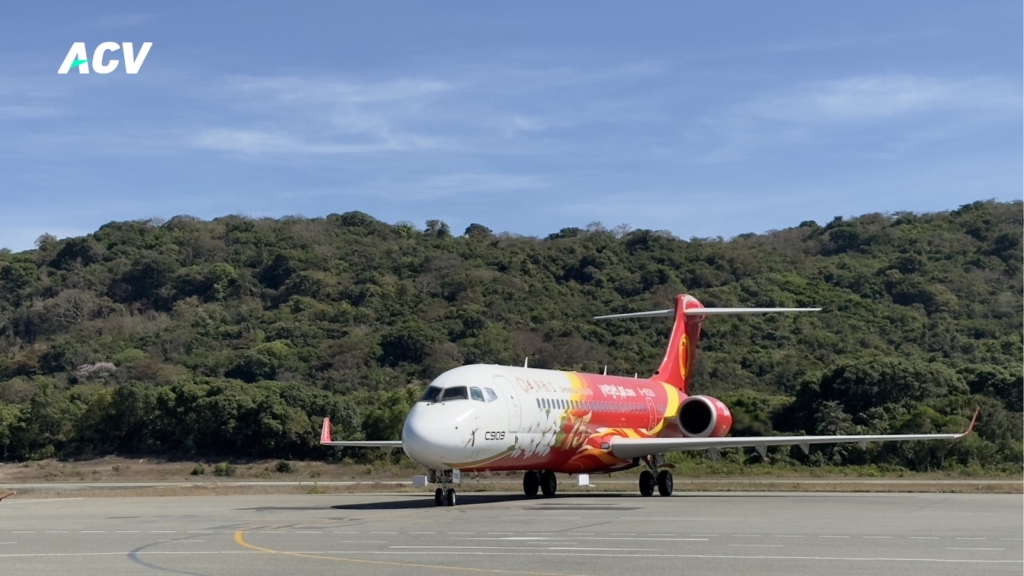
It’s an important development for COMAC, which has long tried to broaden its export appeal with airlines outside of China. At present, only TransNusa of Indonesia and Lao Airlines operate the type outside China.
While VietJet’s order is significant, it’s not the largest COMAC has recieved from a non-Chinese airline. Cambodia Airways holds an order for 10 with options for a further 10, showing the traction this type is gaining in the Southeast Asia region.
The airline says the new aircraft will be used to launch new routes between Vietnam and China.
VietJet moves from wet lease to operating COMAC aircraft itself
The new deal marks a significant shift in how VietJet operates the C909. Under the previous wet-lease arrangements with Chengdu Airlines, the Chinese carrier supplied not just the aircraft but also the flight crew, maintenance, and operational support.
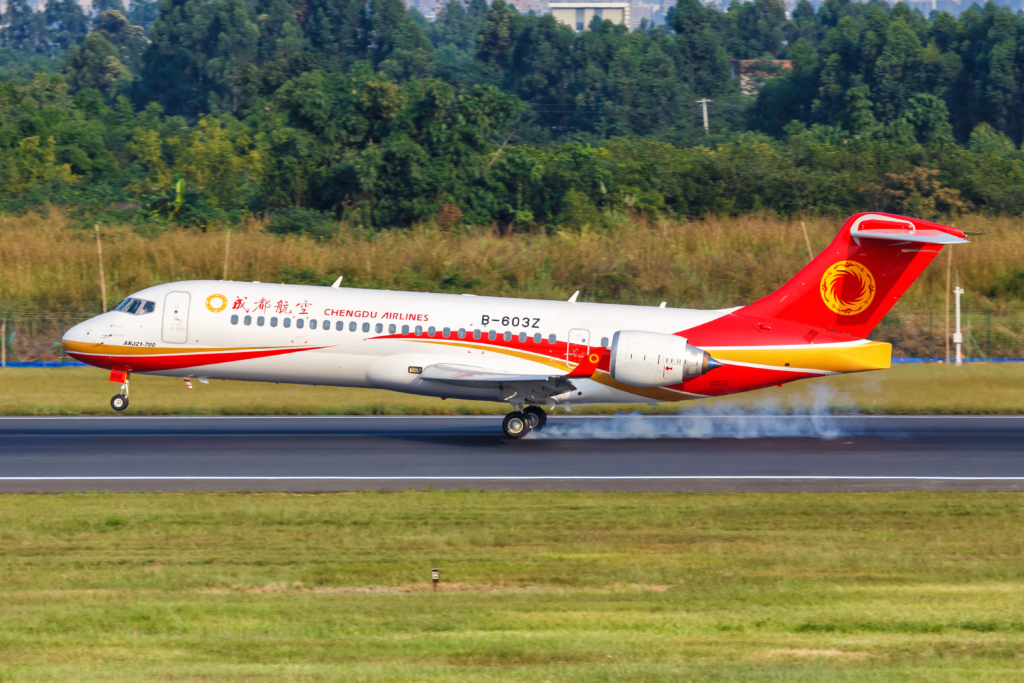
That model kept things simple for VietJet but came at a cost — literally. The arrangement was terminated in October 2025 partly due to the expense of retaining foreign crews and maintenance teams, as well as regulatory friction under Vietnamese aviation rules, before being quietly reinstated a month later on revised terms.
Under the new dry lease with SPDB, VietJet takes on full operational responsibility for the aircraft. That means training its own pilots on a type they have had no hands-on experience with.
Aviation Week reports the contract includes provision for training and familiarisation, although there has been no mention of solutions for maintaining the aircraft. With a limited MRO and parts network outside of China, the C909 is not yet a straightforward aircraft to operate.
Why VietJet needs the COMAC C909
Apart from its two wet leased C909s, VietJet operates an all-Airbus fleet. Its main type is the A321, with 79 in the fleet and a rapid transition from ceo to neo underway. Older A320-200s are also being phased out as efficient A321neos arrive.
VietJet has adopted the strategy of many low cost carriers, centring its fleet around the largest Airbus narrowbody and making the most of its unbeatable per seat mile costs. But the airline also needs a regional jet for one reason – Con Dao.
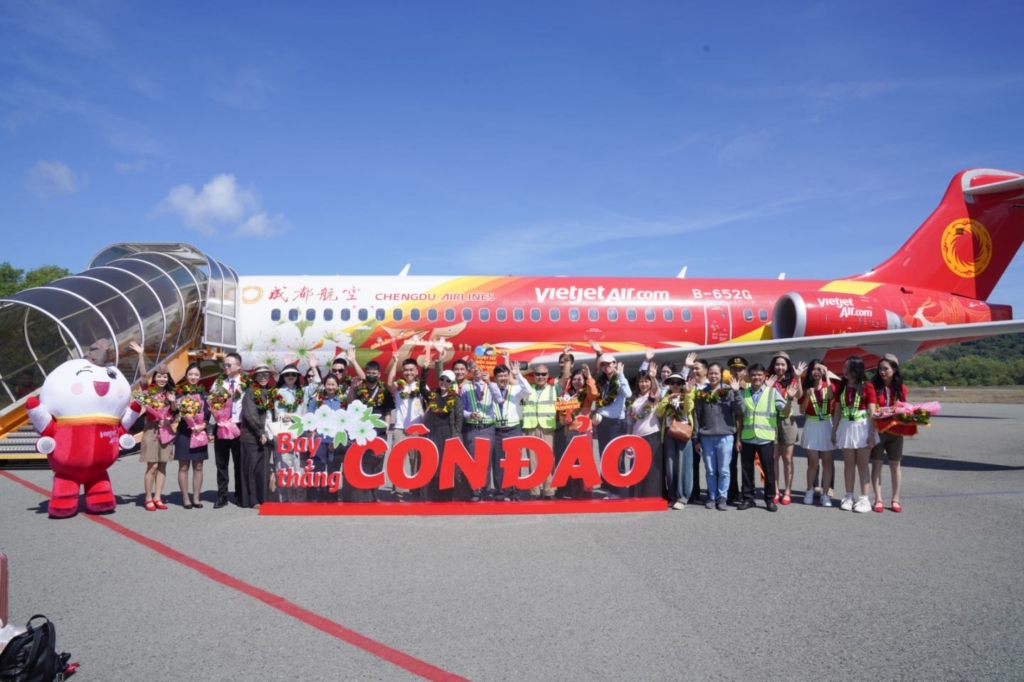
Con Dao Island is one of Vietnam’s most sought-after tourist destinations, but its airport has long been a bottleneck. The runway at Con Dao is just 1,830 metres long and 30 metres wide, limiting which aircraft can land there. VietJet cannot fly there with any of its Airbus aircraft.
Yet demand for the island is surging. Load factors on Ho Chi Minh City–Con Dao flights recently exceeded 90% during holiday periods, and Bamboo Airways’ withdrawal from the Con Dao route has left a significant gap in transport capacity.
With runway upgrade works ongoing and a delivery timeline for the new C909s yet to be disclosed, VietJet’s wet-leased pair remain the only tools it has to serve the route for now — making the longer-term dry lease deal all the more significant for the airline’s ambitions on the island.
VietJet also launches new China routes
Alongside the new aircraft order, VietJet has announced a swathe of new routes to China.
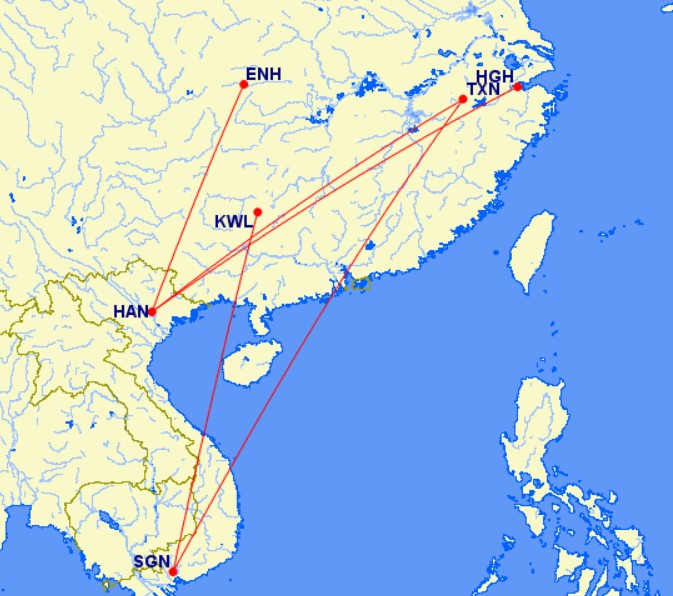
The new services will launch with VietJet’s fleet of Airbus aircraft, and include:
- Hanoi (HAN) to Hangzhou (HGH)
- Hanoi (HAN) to Enshi (ENH)
- Hanoi to Huangshan (TXN)
- Ho Chi Minh City (SGN) to Guilin (KWL)
- Ho Chi Minh City (SGN) to Huangshan (TXL)
Two of these routes, Hanoi-Enshi and Ho Chi Minh City-Guilin, began operating on 16 April, while the other routes are expected to begin soon.
Featured image: VietJet
Sign up for our newsletter and get our latest content in your inbox.


More from


September 25, 20264 min read


