US House passes aviation safety bill after fatal Washington midair collision

3 min read
The US House has passed new legislation aimed at improving air safety systems across the United States, following the fatal midair collision over Washington, DC, in January 2025.
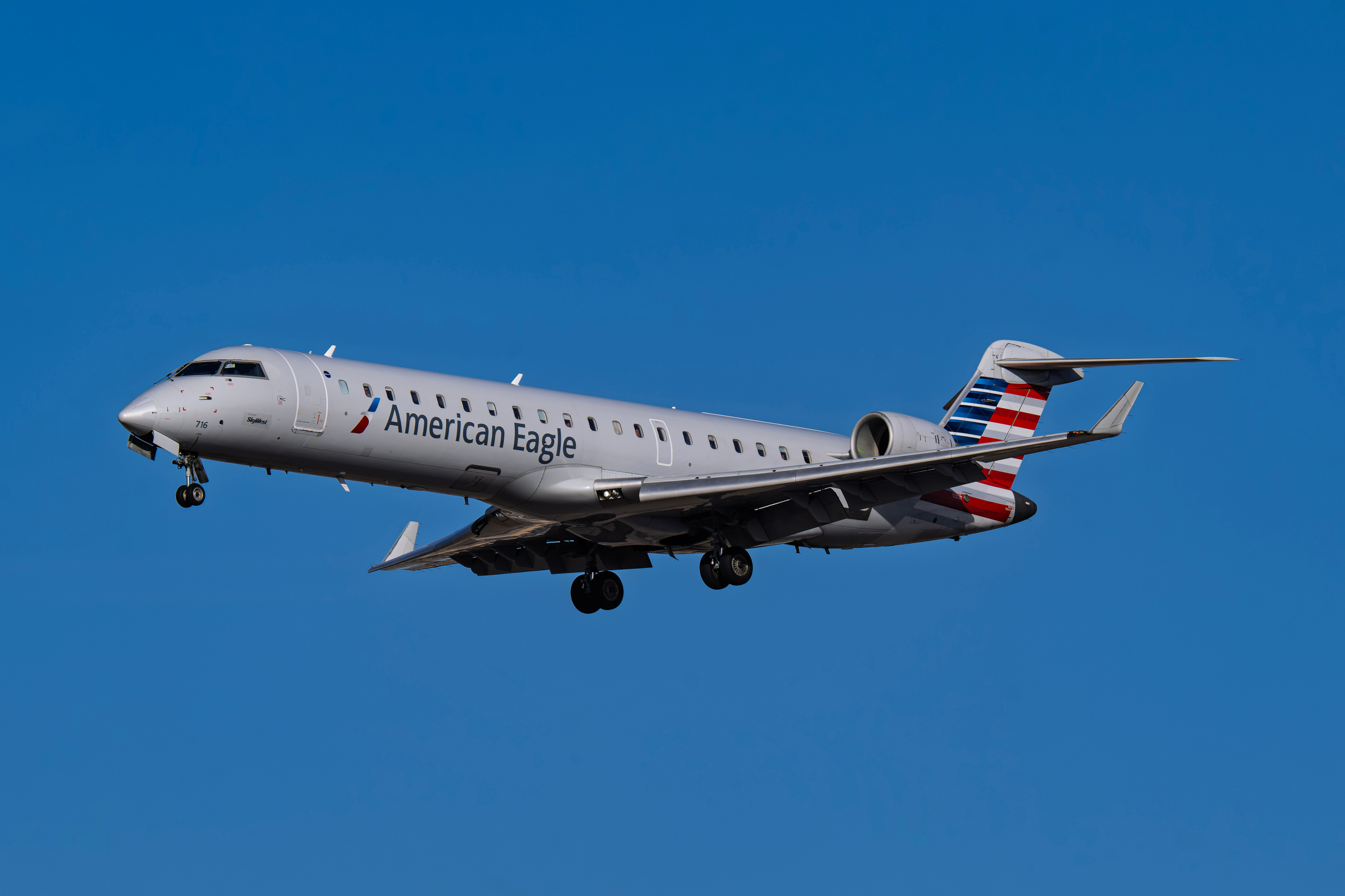
The ALERT Act was first proposed after a US Army Black Hawk helicopter collided with an American Eagle Bombardier CRJ700 over the Potomac River near Ronald Reagan Washington National Airport. The accident claimed 67 lives and prompted calls for urgent reforms to airspace safety and coordination.
While the bill has cleared the House, it must still pass the Senate before becoming law.
US House of Representatives passes the ALERT Act
On 14 April, the US House of Representatives passed the ALERT Act, paving the way for a series of measures designed to improve flight safety across the US.
The ALERT Act (Airspace Location and Enhanced Risk Transparency) was introduced by Sharice Davids and focuses on improving collision mitigation technology, air traffic control procedures and coordination between civilian and military operations.
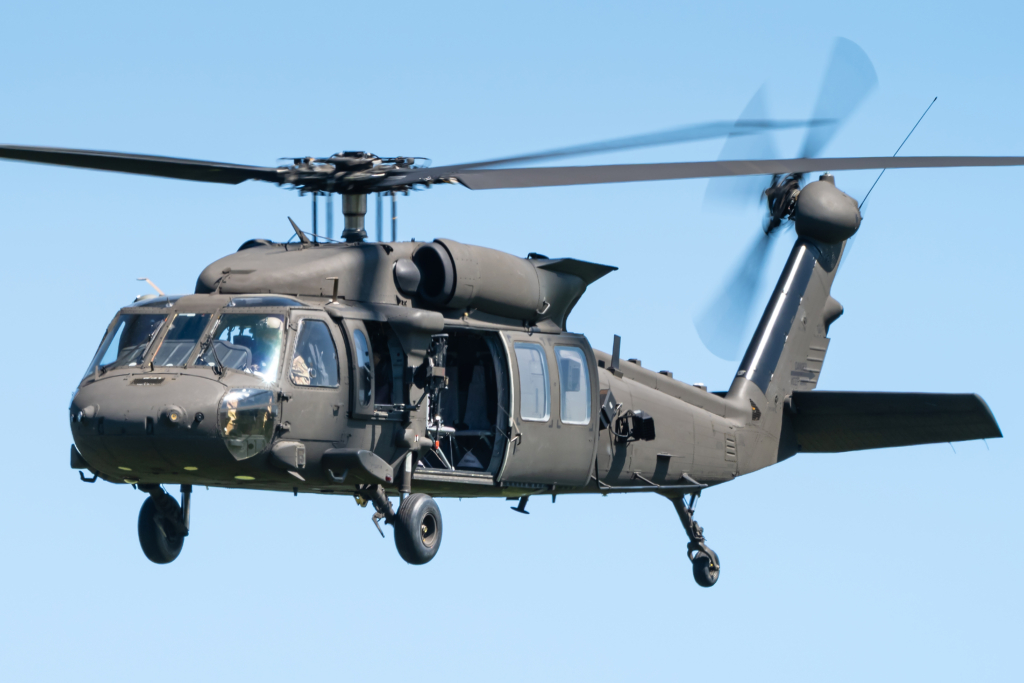
The bill was developed in response to the midair collision at Washington-Reagan National Airport, in which a US Army Black Hawk helicopter on a night training sortie crossed the final approach path of an American Eagle CRJ700 preparing to land.
All 67 people involved were killed, including passengers, crew and military personnel.
The accident highlighted concerns around airspace congestion, communication failures and coordination between military and civilian aircraft operating in shared airspace.
In December 2025, the US government acknowledged that both the FAA and the US Army played roles in causing the midair collision.
The ALERT Act has been supported by the NTSB
The bill was supported throughout its passage by the National Transportation Safety Board (NTSB), which is responsible for investigating aviation accidents and issuing safety recommendations.

The ALERT Act reflects many of the NTSB’s findings, particularly around the need to improve communication, modernise collision-avoidance systems and strengthen coordination between agencies.
Specific requirements of the ALERT Act proposals
The legislation outlines several key areas for reform.
It calls for upgrades to aircraft collision warning systems, directing the Federal Aviation Administration to evaluate and implement improvements that provide earlier and clearer alerts to pilots.
It also seeks to strengthen air traffic controller training through the creation of expert working groups, improved real-time risk assessment tools and greater transparency where safety recommendations are not adopted.
Elsewhere, the Act calls for improvements in airspace communication, including studies into “blocked transmissions”, where overlapping radio calls can prevent critical information from being received.

The legislation also mandates a review of airspace congestion and airport capacity, requiring the FAA to assess safe arrival and departure rates and aircraft spacing in complex environments.
Finally, the ALERT Act seeks to enhance military aviation safety by strengthening coordination between the Department of Defense and the FAA, particularly in shared civilian-military airspace.
Davids has championed the ALERT Act from the start of its journey
Sharice Davids, who serves on the House Transportation and Infrastructure Committee, has championed the legislation throughout its development.
Speaking after the bill passed the House, she said:
“The tragic loss of 67 lives on Flight 5342 is something our country will carry with us forever, and it demands action.
“I helped lead the ALERT Act to take bipartisan steps to strengthen aviation safety by modernising technology, improving air traffic controller training, and addressing communication gaps so we can better protect passengers and crew.
“Now, we need to finish the job with a final, bipartisan bill that ensures safety measures are implemented without delay.”
Introduced in 2024, the FAA Reauthorisation Bill called for the improvement of airline customer protections, increasing overall safety standards across aviation in the US, and strengthening the US aviation workforce, primarily through hiring and training of more air traffic control workers.
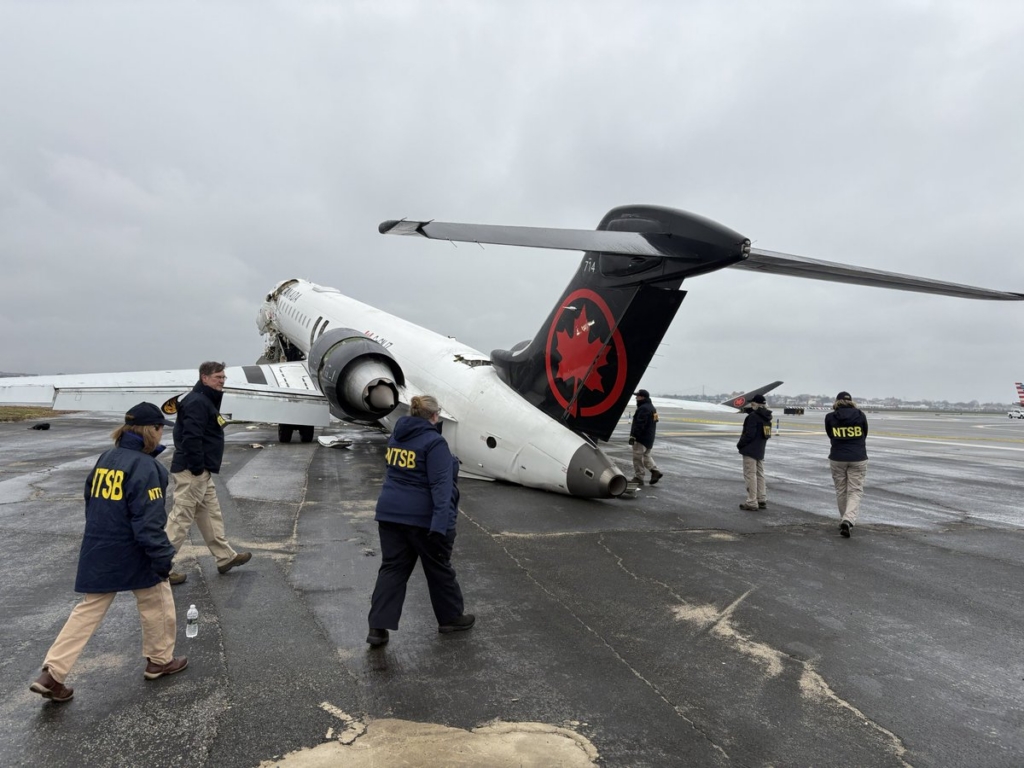
The last of these points is once again under the spotlight after the recent accident at New York’s LaGuardia Airport (LGA), where an Air Canada regional jet collided with an airport fire truck on an active runway while landing.
Featured image: robin / stock.adobe.com