


Thailand to remove age limits for commercial aircraft as plane shortages continue to bite

6 min read
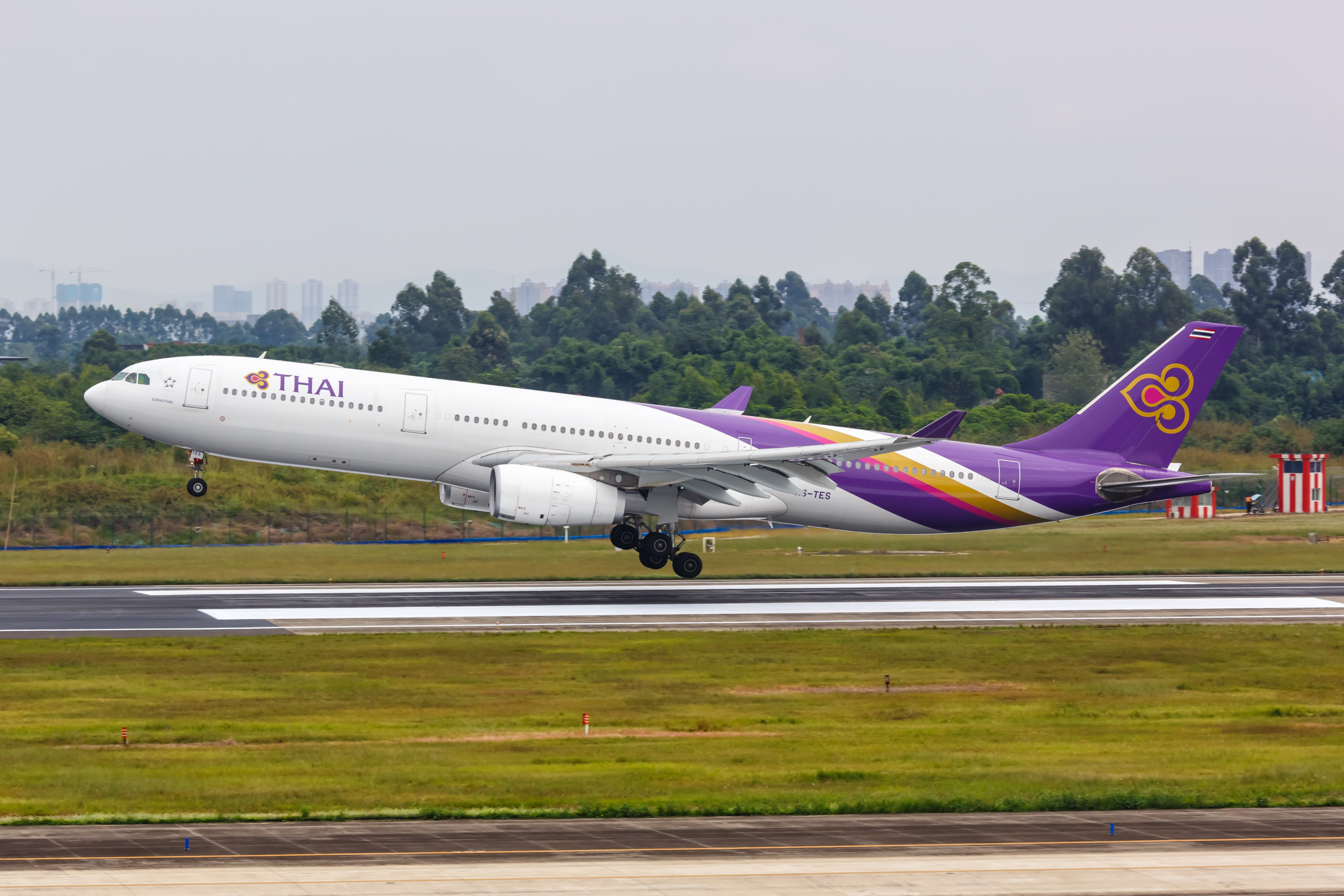
As the worldwide availability of commercial aircraft continues to fall short of supply, aviation authorities and airlines alike are taking various steps to fill the gap. Throughout 2025, airlines were seen to be actively retaining older aircraft in their fleets to bridge the gap before new aircraft arrive from the manufacturers.
Many airlines have even begun major refurbishment programmes to prolong the service lives of older passenger jets while replacements are awaited.
Now, the Civil Aviation Authority of Thailand (CAAT) has said it will take steps to remove the current age limits for Thai-registered aircraft with a new focus on airworthiness rather than the specific age of any given aircraft.
Thailand to remove age limits for commercial aircraft
Thailand has previously allowed air transport operators to use aircraft only within certain age restrictions for public transport flights. Such regulations were introduced after a series of fatal accidents involving older aircraft in the past.
The use of older aircraft was perceived to have become a major safety issue, along with poor maintenance records and shortcomings in general practices being employed by operators of these older planes.
Under existing regulations, air carriers operating in Thailand using aircraft for scheduled and non-scheduled commercial aviation can currently only operate aircraft within certain age categories.

For example, only fixed-wing passenger and cargo aircraft up to a limit of 16 years old from the date of manufacture are permitted to be used for commercial air transport flights.
For cargo-only services, fixed-wing aircraft up to the age of 22 years as of the date of manufacture can be operated. In the case of public transport helicopter operations, only aircraft up to five years old can be utilised.
A key objective of the existing regulations was to encourage Thai operators to purchase or lease new or relatively new aircraft and ensure that older aircraft did not remain in service in Thailand beyond these limits.
However, these restrictions were only enforced at the time of the operator applying for a civil aviation operating licence (“AOL”).
For example, where a passenger aircraft was manufactured 14 years before the date of a Thai operator’s application for their air operator’s licence, it could be leased and operated for longer than two years. This resulted in several Thai-registered aircraft continuing to operate after their age exceeded these restrictions.
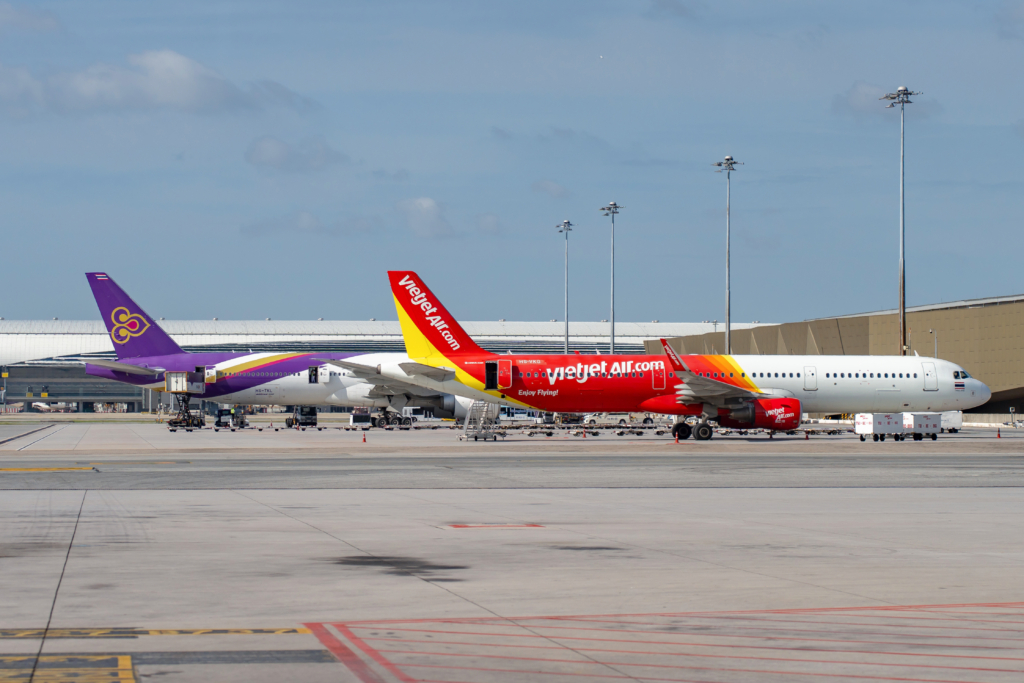
Now, with the ongoing global shortage of commercial aircraft for public transport use, the CAAT are proposing the relaxation of these restrictions so that older aircraft can be retained.
However, to counteract the increasing age limits that govern how old aircraft can be, additional legal onus will be placed upon leasing firms to ensure that the lessee of any ageing aircraft complies with the strict maintenance schedules of those aircraft, so that safety is not compromised at any stage.

According to a report published by international law firm Watson, Farley Williams (WFW), under a new proposal, lessors of mid-life and older aircraft will be required to ensure that a Thai lessee’s obligations in relation to maintenance and inspection reflect new maintenance requirements that will be introduced to allow the continued use of ageing aircraft.
The proposed new requirements in Thailand
Under the new proposals, the CAAT intends to remove these aircraft age limits and replace them with more reliance on the airworthiness of aircraft. This is consistent with the approach of aviation regulators in other jurisdictions and would bring Thailand into line with broadly accepted international standards.
The airworthiness of any given aircraft will be assessed as part of the airworthiness assessment process and the operator’s ongoing obligations under Thailand’s Air Navigation Act to ensure that aircraft remain airworthy.

While it is anticipated that an increase in the number of mid-life or older aircraft could result in a corresponding increase in inspection requirements and frequency of Thai-registered aircraft, the strategy is being seen as a proactive step to alleviate the ongoing aircraft shortages in the country.
The removal of aircraft age restrictions is partly intended to allow Thai-based airlines to acquire or lease mid-life aircraft, given the challenges and delays in acquiring or leasing newer and younger aircraft in the current marketplace.
While the availability of MRO (maintenance, repair, and overhaul) services may become an issue as more aircraft need more regular inspections, the CAAT see this as an obstacle that will need to be overcome, rather than a reason to retain the status quo.
Thailand’s aviation sector has been in resurgence since the pandemic
Following the collapse in air travel during the COVID-19 pandemic, airlines worldwide have seen a resurgence in demand for flights. Operators in Thailand have not been immune to this burgeoning demand, with carriers such as Thai Airways, Thai AirAsia, Thai Lion Air and Thai VietJet Air all seeing double-digit growth year-on-year.
To meet the surging demand, all three companies have placed large orders since 2023 for dozens of new aircraft with both Airbus and Boeing. However, with order backlogs at the leading manufacturers stretching years into the future, the majority of these new planes are not due to arrive any time soon, presenting the carriers with a capacity shortfall in the short term.
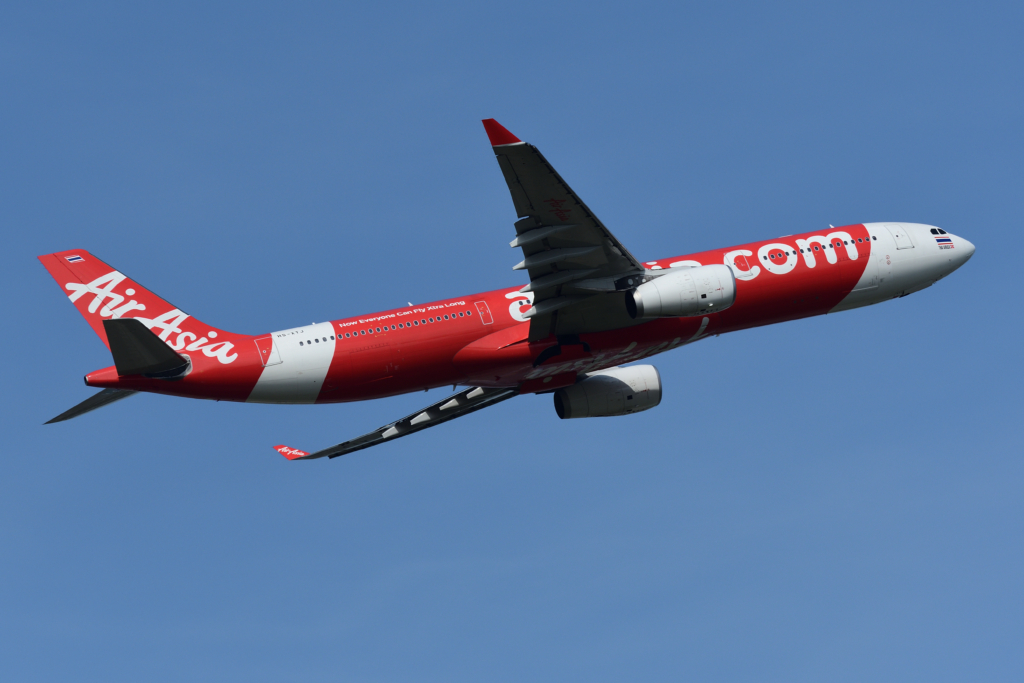
With the demand for newer leased aircraft rising as a result, availability in the leasing markets is often limited to older, less modern planes. However, Thailand’s carriers have been restricted from taking such planes under the existing regulations.
The removal of aircraft age restrictions is partly intended to allow Thai airlines to acquire or lease more mid-life aircraft, given the challenges and delays in acquiring or leasing newer and younger aircraft.
What could this mean for lessors and Thai operators?
It is hoped that the bringing in of more relaxed age restrictions will result in Thai operators being more willing to acquire or lease mid-life aircraft. Additionally, lessors that focus on mid-life aircraft may have greater opportunities to lease aircraft to Thai operators after having been frozen out of the market by the current restrictions.
However, CAAT is warning Thai carriers that, despite the challenges they currently face sourcing younger aircraft on the lease market, they should not see the acquisition of mid-life aircraft as a key solution to the delays in delivery of newer aircraft, pointing out the greater need for MRO facilities given the additional maintenance requirements and the greater need for heavy maintenance checks.

According to WFW, given the current focus of Thailand’s key airlines on newer and more fuel-efficient aircraft, the impact of these changes may be limited in any event. Additionally, leasing of mid-life aircraft may not be attractive because of the increased maintenance and MRO burden and higher operating costs.
In October, the Board of Thai Airways deferred a decision on a proposal to lease Airbus A330-200 and Boeing 787-8 aircraft. WFW says it appears that this may have been prompted in part by the age of these aircraft and the increased maintenance burden, notwithstanding the challenges facing the airline in leasing newer aircraft.
This may suggest that, despite the challenges and delays in leasing newer aircraft, Thai operators may not see mid-life aircraft as a key solution to the delays in delivery of newer aircraft. Regardless, Thailand’s Civil Aviation Board has already approved the changes in principle, and should the plan receive the approval of Thailand’s Transport Minister, it could come into force as early as the first quarter of 2026.
Featured image: Markus Mainka / stock.adobe.com


