India’s HAL to build Sukhoi Superjet 100 regional aircraft under deal with Russia’s UAC

October 28, 2025
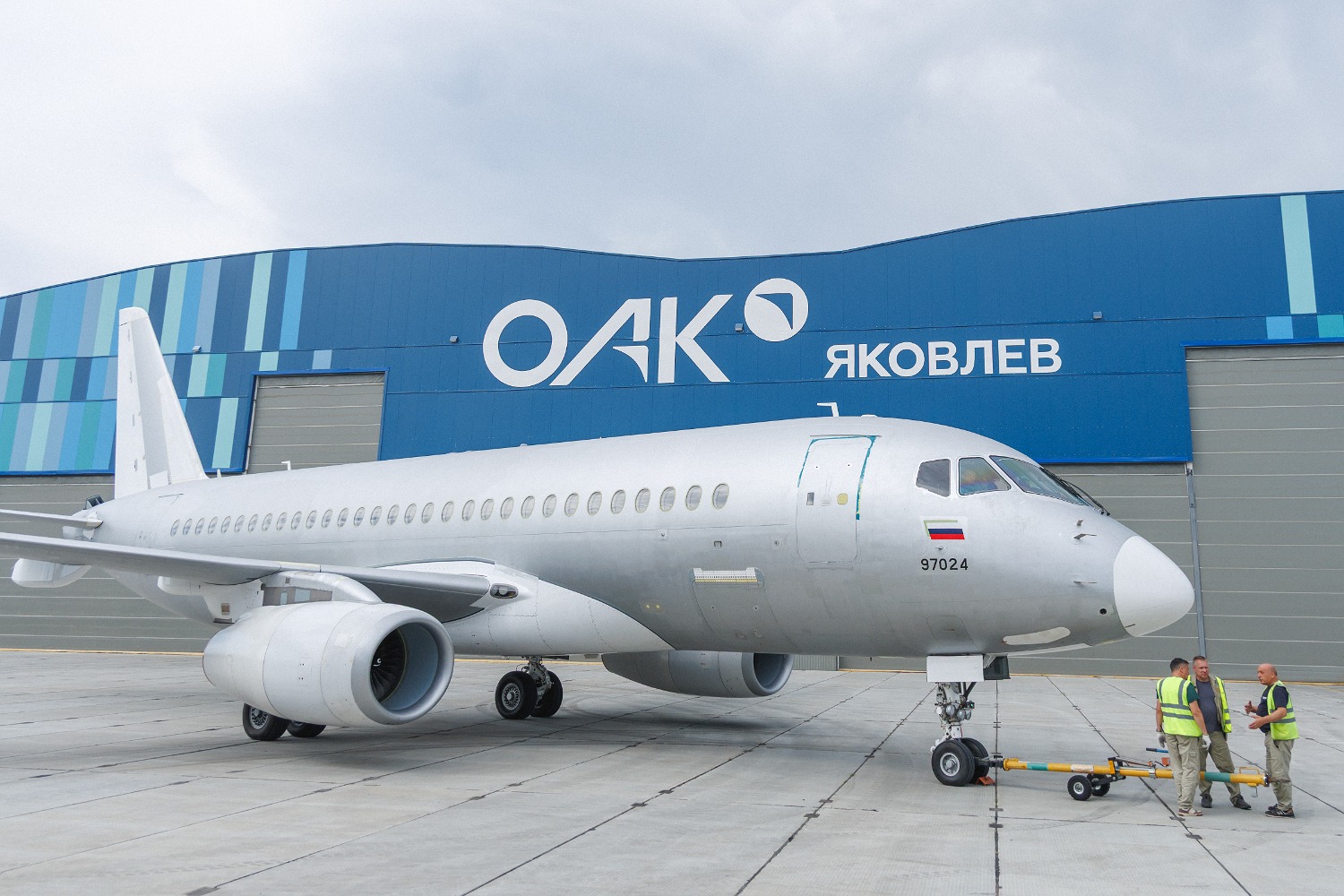
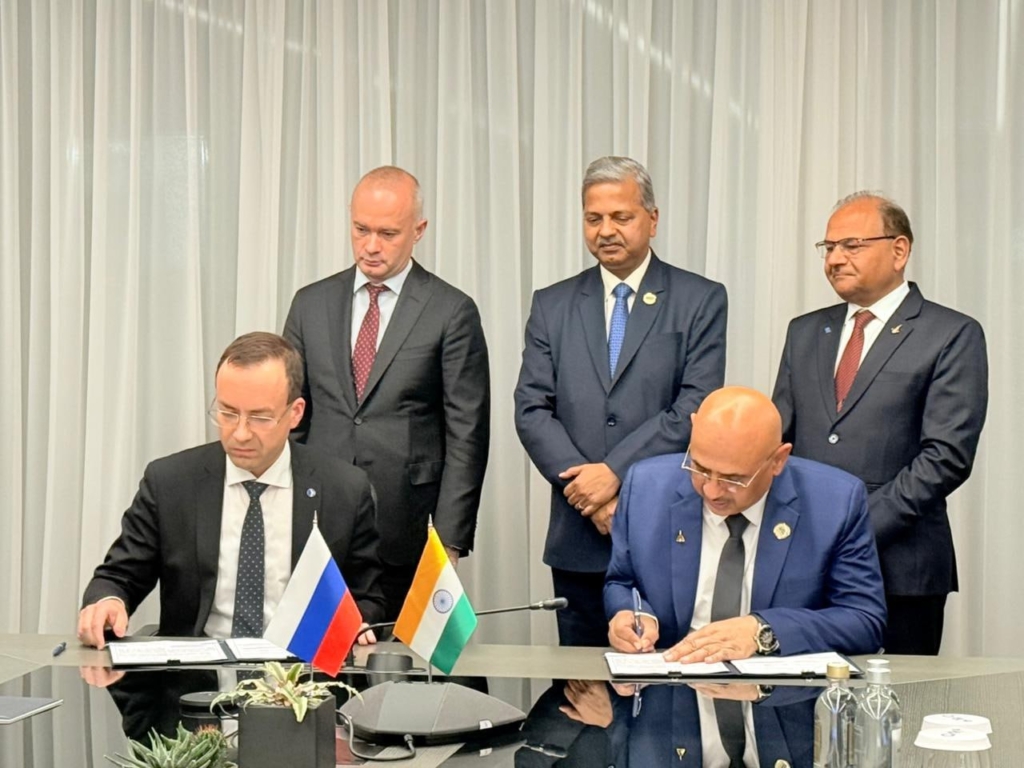
India’s Hindustan Aeronautics Ltd. (HAL) has signed a memorandum of understanding with Russia’s United Aircraft Corporation (UAC) to manufacture the Sukhoi Superjet 100 twin-engine passenger jet in India.
The agreement, signed in Moscow on 27 October, marks the first time in more than three decades that a complete civil airliner will be produced in India.
Under the deal, HAL will build the aircraft domestically for Indian customers, with production expected to support the country’s UDAN regional connectivity programme by linking smaller cities with affordable short-haul air travel.
HAL described the SJ-100 as a “game-changer” for India’s civil aviation sector, noting that more than 200 aircraft of this type are already in service with 16 commercial operators worldwide.
“This collaboration marks a historic step towards ‘Atmanirbhar Bharat’ (Self-reliant India) in civil aviation,” an HAL official said, calling it a strategic milestone that will strengthen India’s aerospace ecosystem, create skilled jobs, and spur growth across the private supply chain.
Read more: Inside HAL: how India’s aerospace giant is driving self-reliance from fighters to space
India revives civil aircraft manufacturing, dormant since the Avro era
This will be the first complete passenger aircraft built in India since the Avro HS-748, which HAL produced under licence between 1961 and 1988.
The return to civil airliner manufacturing underscores India’s ambition to expand beyond defence aviation into commercial transport, a market long dominated by Western manufacturers such as Airbus and Boeing.
Industry analysts say the SJ-100 programme could position India as a regional hub for small and medium-range jet production, meeting both domestic demand and export opportunities across South and Southeast Asia.
Over the next decade, India’s civil aviation market is expected to require more than 200 aircraft in this category for regional routes, with a further 350 potentially needed for short-haul flights to nearby international tourist destinations across the Indian Ocean region.
Sukhoi Superjet 100: Russia’s short-haul regional airliner
Originally developed by Yakovlev, part of UAC, the Sukhoi Superjet 100 is a new-generation short-haul regional aircraft designed to carry up to 103 passengers over a range of 3,500 kilometres.
With its advanced aerodynamics, digital fly-by-wire controls, and modern side-stick cockpit, the aircraft offers performance and comfort comparable to larger mainline jets.
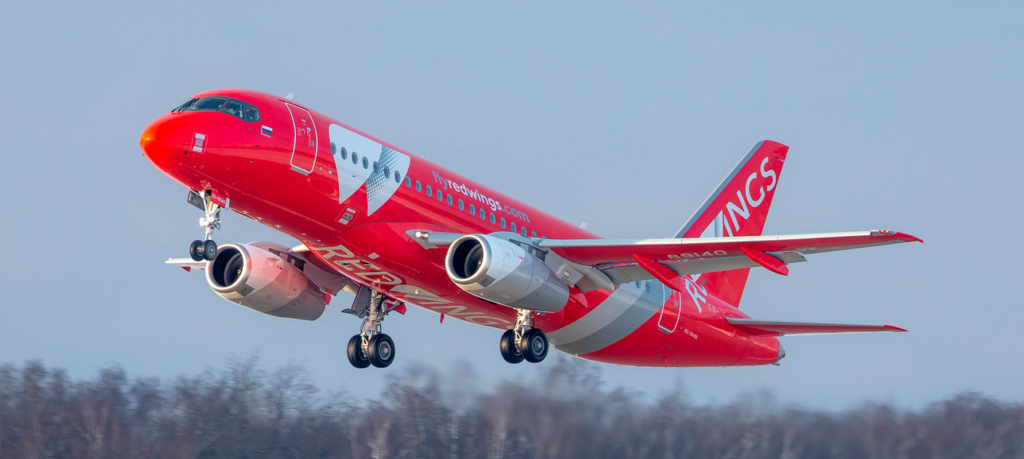
The SJ-100 is powered by Aviadvigatel PD-8 engines, replacing the earlier Franco-Russian SaM146 powerplants used on the original Superjet. It is equipped with CAT IIIA autoland capability, advanced navigation systems (P-RNAV, LNAV, VNAV), and a weather radar capable of detecting turbulence.
The aircraft can operate in extreme climates, from –55°C to +45°C, making it well-suited to India’s varied geography and environmental conditions. It also features low operating costs and an easily reconfigurable cabin, appealing to budget and regional carriers alike.
Russia’s UAC and HAL partnership marks civil aviation comeback
For Russia, the partnership with HAL comes at a crucial moment. The SJ-100 is central to Moscow’s effort to revive its civil aviation industry following Western sanctions that cut off access to imported aircraft and parts after 2022.
Formerly known as the SSJ-New, the aircraft has undergone a full transformation to replace all Western components with Russian equivalents—a process officials describe as “total import substitution”. It now incorporates more than 40 domestically produced subsystems, including avionics, landing gear, auxiliary power units, and environmental control systems.
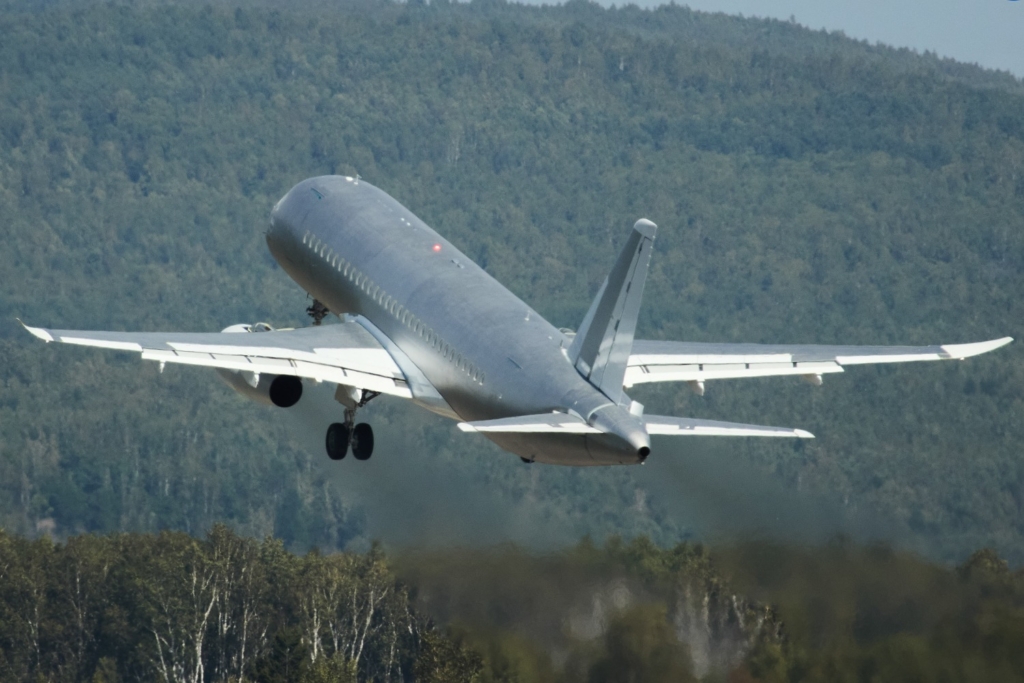
Flight testing of the all-Russian version began earlier this year, with certification expected by December 2025 and deliveries to start in early 2026.
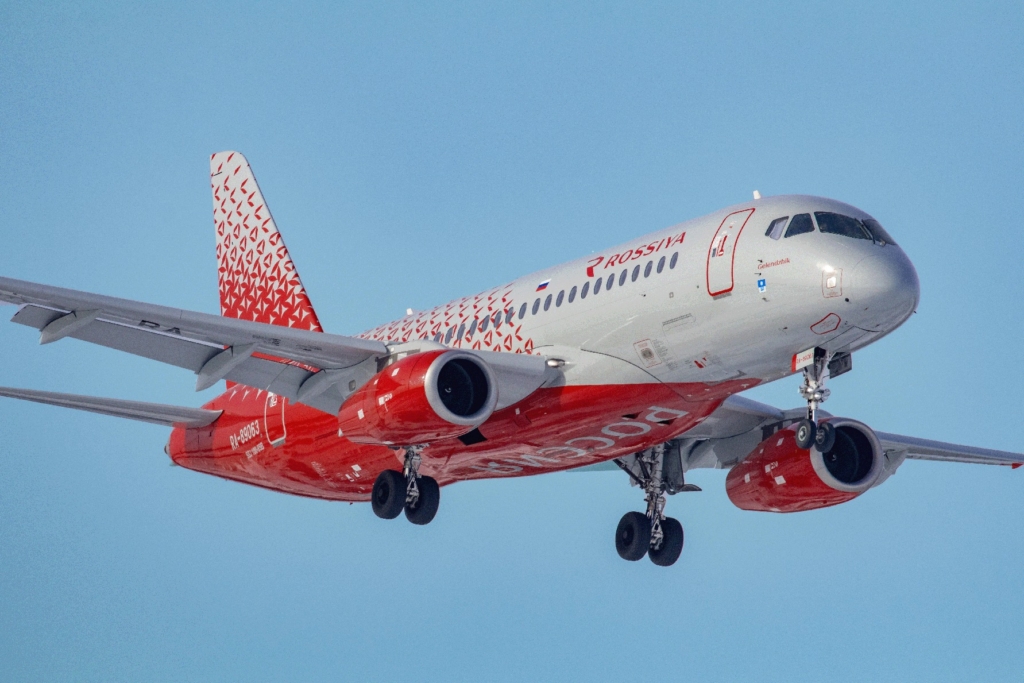
Russia’s Aeroflot Group has already ordered 34 aircraft and will be the first operator. In total, UAC has collected around 250 preliminary orders from Russian airlines and leasing companies, with plans to deliver 142 aircraft by 2030.
What’s in it for India?
By joining the SJ-100 programme, HAL gains access to proven aircraft technology at a time when India is seeking to reduce dependence on Western suppliers.
The partnership allows Russia to tap into India’s manufacturing capacity and engineering expertise, helping it meet delivery schedules and expand the aircraft’s market beyond sanctioned regions.
For India, producing the SJ-100 locally aligns closely with its Make in India and Aatmanirbhar Bharat initiatives. It also creates a long-term bridge between defence and civil aerospace, leveraging HAL’s experience in military jet assembly—including the Tejas LCA and Su-30MKI—and its civil Dornier 228 operations.
Industry observers note that, if successful, the SJ-100 could serve as a launch platform for a broader indigenous civil aviation ecosystem, fostering private suppliers, avionics firms, and maintenance hubs—areas where India holds significant growth potential.
HAL taking on Boeing, Airbus and Embraer
While the SJ-100 sits in a different capacity class to Boeing and Airbus narrowbodies, it competes directly with regional jets such as the Embraer E175 and Airbus A220. Its appeal lies in cost efficiency, operational flexibility, and suitability for smaller airports.
Analysts suggest that if HAL can localise production and secure orders from Indian carriers, the SJ-100 could provide airlines with an affordable alternative to Western jets, whose acquisition and maintenance costs have risen sharply.
The aircraft’s modest 1,900-metre runway requirement also makes it well suited to India’s expanding network of regional airports.
If all goes according to plan, the first India-built SJ-100 could take to the skies before the end of the decade.