US pushes faster aircraft certification as China ramps up challenge to Boeing and Airbus

6 min read
The United States is looking to accelerate the development and certification of new commercial aircraft after years-long approval delays affecting programmes such as Boeing’s 777X and 737 MAX 7.
US officials argue the current system can slow innovation and investment at a time when China is expanding its commercial aircraft industry.
US Transportation Secretary Sean Duffy has called for a faster and more efficient aircraft certification system, arguing that the current process can take too long and discourage companies and investors from putting money into new aviation technologies. The aim is to allow manufacturers to bring new aircraft and innovations to market more quickly while maintaining aviation safety.
The issue has attracted increased attention as China seeks to strengthen its domestic aerospace industry and establish a larger presence in the global commercial aircraft market, challenging the long-standing dominance of US and European manufacturers.
Why aircraft certification takes so long
Before a new commercial aircraft can enter passenger service, manufacturers must demonstrate that it meets extensive safety and technical requirements.
The certification process involves testing, engineering analysis, documentation, and regulatory reviews overseen by the Federal Aviation Administration (FAA).
According to Reuters, approving a new aircraft can take five years or more. For manufacturers developing increasingly complex aircraft, the process can extend considerably beyond that.

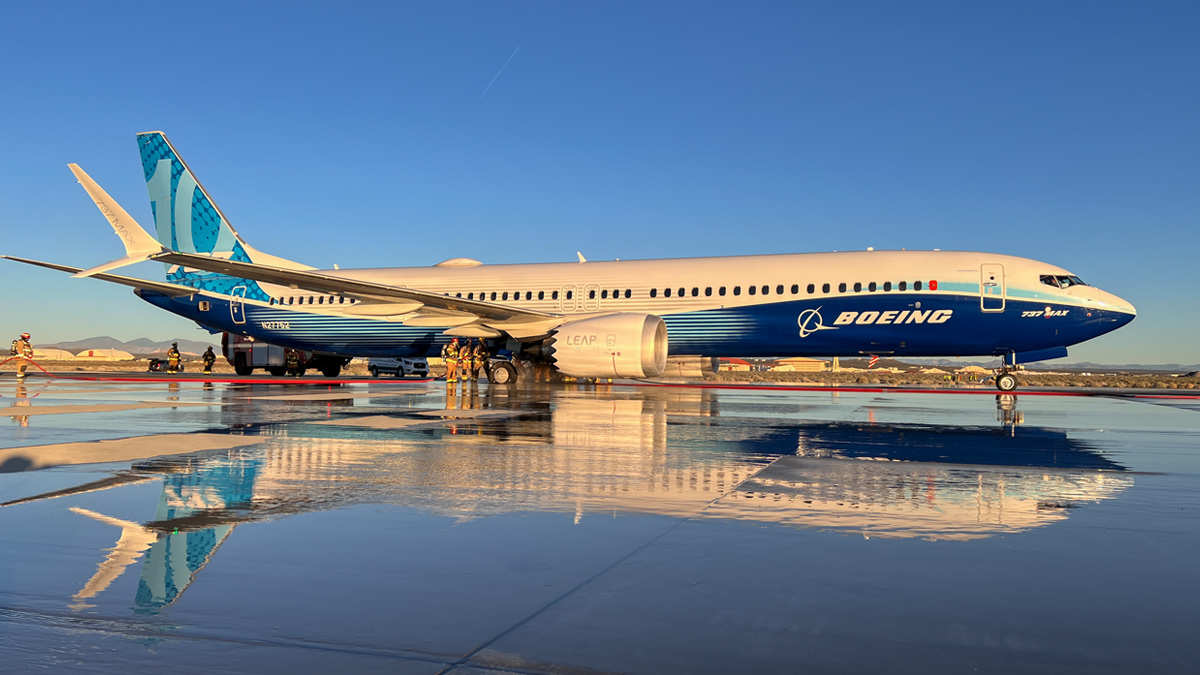
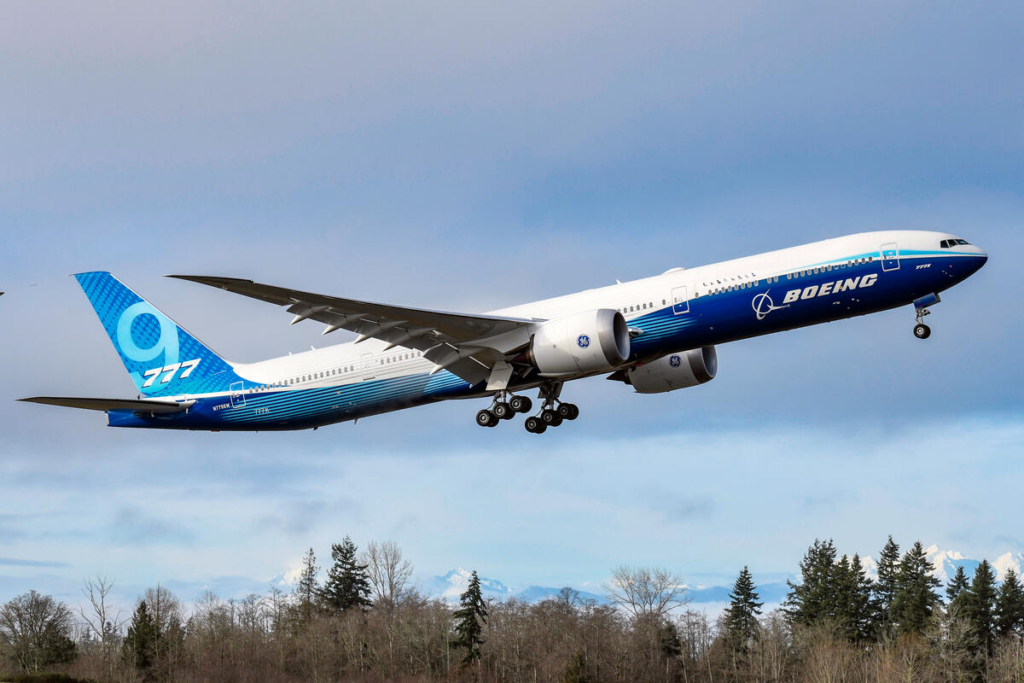
Boeing provides a recent example. Its smaller 737 MAX 7 took more than eight years to receive certification, finally gaining approval in August 2026. Meanwhile, certification of the company’s 777X has fallen more than five years behind its original schedule.
Long development and certification timelines can have consequences beyond individual aircraft programmes. Manufacturers must commit large amounts of capital years before a new aircraft can generate revenue, while investors face uncertainty over when new technology will reach the market.
Duffy has argued that this environment can discourage private investment in aviation innovation. His concern is that companies may be less willing to finance ambitious aircraft programmes if regulatory approval could take a decade.
China is increasing the competitive pressure
A major reason behind the US government’s renewed focus is the emergence of China as a more significant aerospace competitor.
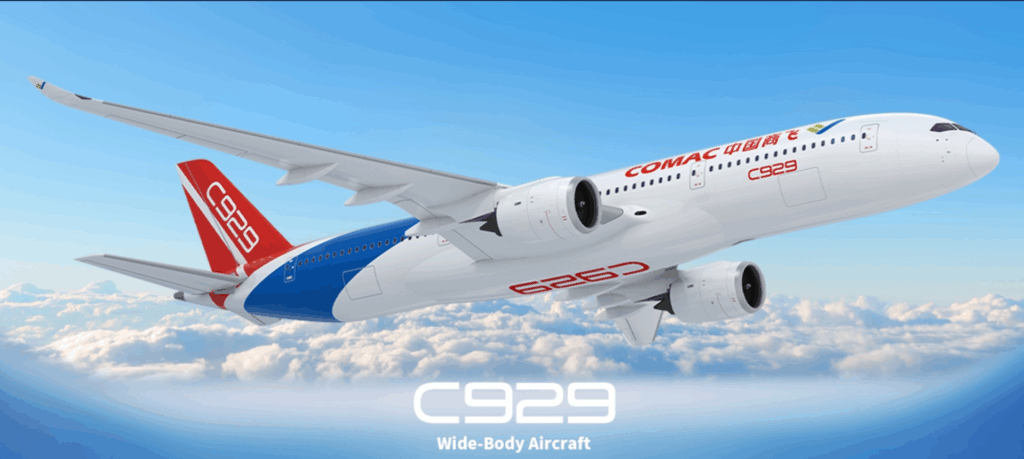
China’s state-owned Commercial Aircraft Corporation of China, or COMAC, is seeking to expand production of its commercial aircraft and establish a stronger position in the global passenger jet market.
This creates a new competitive challenge for US manufacturers such as Boeing. Duffy has warned that the United States could lose ground to China if American companies cannot develop and certify new aircraft quickly enough.
The concern is not simply about the number of aircraft produced. It is also about technological innovation, investment and the ability of manufacturers to respond to changes in the aviation market.
Faster certification could allow American aerospace companies to introduce new designs, technologies and more efficient aircraft sooner, shortening the time between an engineering breakthrough and its commercial use.
How the US wants to speed up certification
The FAA is already working on changes intended to modernise the aircraft certification system.
In June, the agency proposed reforms designed to reduce some of the procedural bottlenecks that can slow certification of new commercial aircraft.
One area under consideration is reducing the number of exemptions, special conditions and “equivalent level of safety” findings that may be required during the approval process.
These mechanisms are used when existing regulations do not perfectly address a new aircraft design or technology.
As aircraft become more sophisticated, manufacturers can increasingly encounter situations where existing rules need to be adapted or supplemented.
The goal is therefore not simply to remove safety requirements. Instead, the FAA is looking at whether parts of the process can be made more straightforward and efficient while retaining the underlying safety standards.
FAA Administrator Bryan Bedford has supported certification reforms and said the agency has projects underway with industry to identify ways of streamlining the process.
The FAA has also considered using improved technology to make certification more efficient. Better digital tools and modernised processes could reduce the time regulators and manufacturers spend handling documentation, analysing data and completing repetitive procedures.
Speed without compromising safety
The push for faster certification comes with an important qualification – US officials say safety must remain central to the process.
Duffy has stressed the need for safe aviation while questioning whether the regulatory system can operate at a faster pace. The challenge for the FAA will therefore be finding ways to eliminate unnecessary delays without reducing the scrutiny applied to new aircraft.
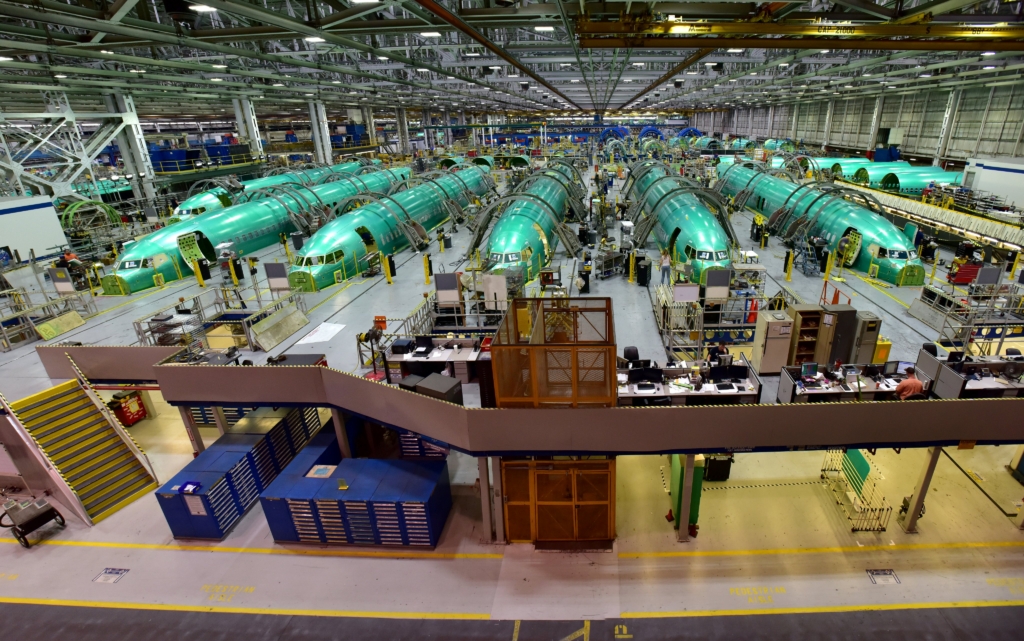
That balance is particularly important given the history of the 737 MAX programme. The aircraft’s certification and subsequent safety crises demonstrated the consequences that can arise when aircraft development, regulatory oversight and safety concerns become closely intertwined.
The FAA’s approach is consequently focused on changing how certification is conducted rather than simply lowering the bar for approval.
A faster system could also help manufacturers manage increasingly complex technologies being introduced into modern aircraft, provided regulators have the tools and expertise needed to assess them effectively.
A broader push for US aerospace competitiveness
The certification initiative forms part of a wider US effort to maintain competitiveness across aerospace. Duffy has also called for greater participation in the commercial space sector, arguing that the industry needs more competition and more companies developing new technologies.
The same underlying principle applies to commercial aviation: encouraging competition and investment could increase the number of companies willing to develop new aircraft and aviation technologies.
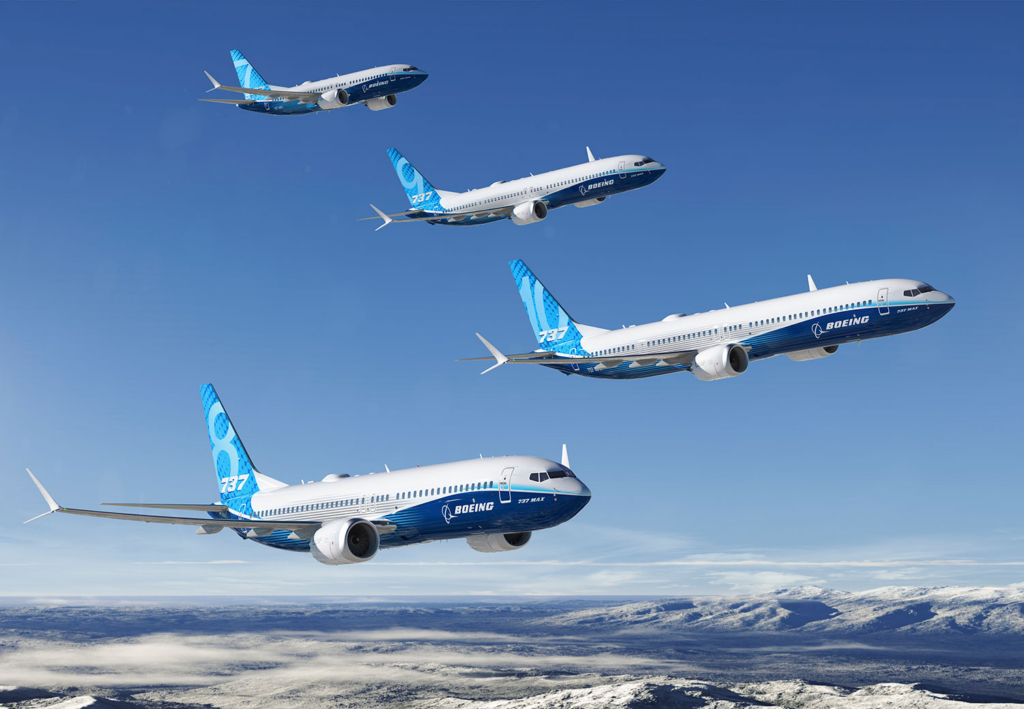
For manufacturers including Boeing, Airbus, Embraer and Bombardier, a more efficient certification system could reduce some of the uncertainty surrounding new aircraft programmes.
It could also make it easier for companies to respond to changing airline demand and technological developments.
However, certification is only one part of the production challenge. Aircraft manufacturers also depend on extensive global supply chains, highly skilled workers, engine suppliers and other specialist aerospace companies. Delays in any of these areas can limit how quickly aircraft can ultimately be built and delivered.
The bigger picture for certification
The US push to accelerate aircraft certification reflects a growing recognition that aerospace competition is increasingly tied to the speed at which countries can turn research and investment into commercial products.
For decades, American companies have played a central role in the global aircraft industry. Washington now wants to ensure that lengthy regulatory procedures do not undermine that position as China develops its own commercial aviation capabilities.
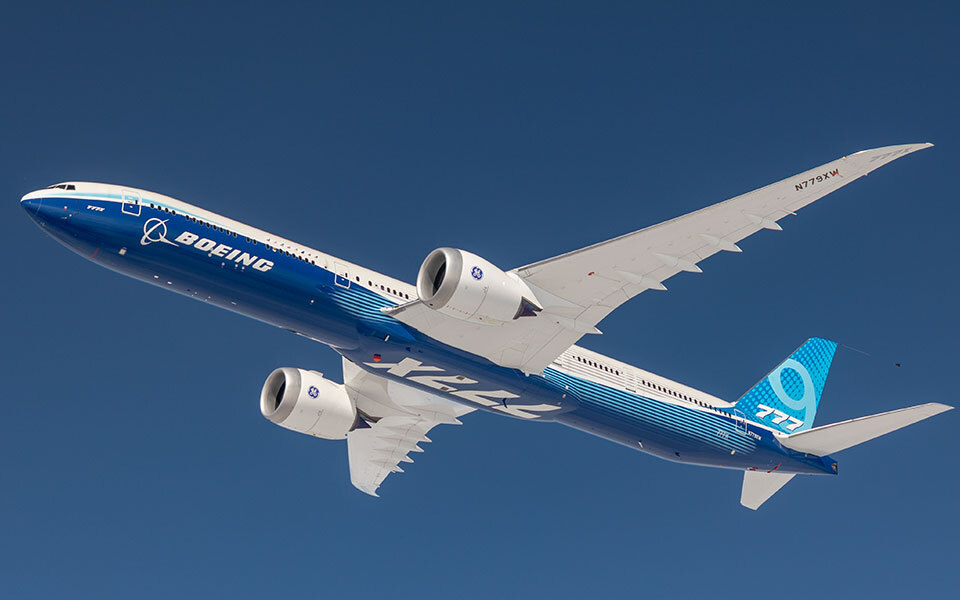
The proposed reforms will therefore be closely watched by aircraft manufacturers, airlines and investors. If the FAA can modernise certification while maintaining rigorous safety oversight, the changes could help reduce development timelines and encourage greater investment in new aircraft.
The central challenge will be achieving a faster pace without compromising the safety standards on which the US aviation system depends. As competition in global aerospace increases, the ability to innovate quickly may become increasingly important.
But so too will the ability to ensure that every new aircraft meets the required safety standards before entering service.