


US Army drone trials expose battlefield challenges for AI-enabled systems

3 min read
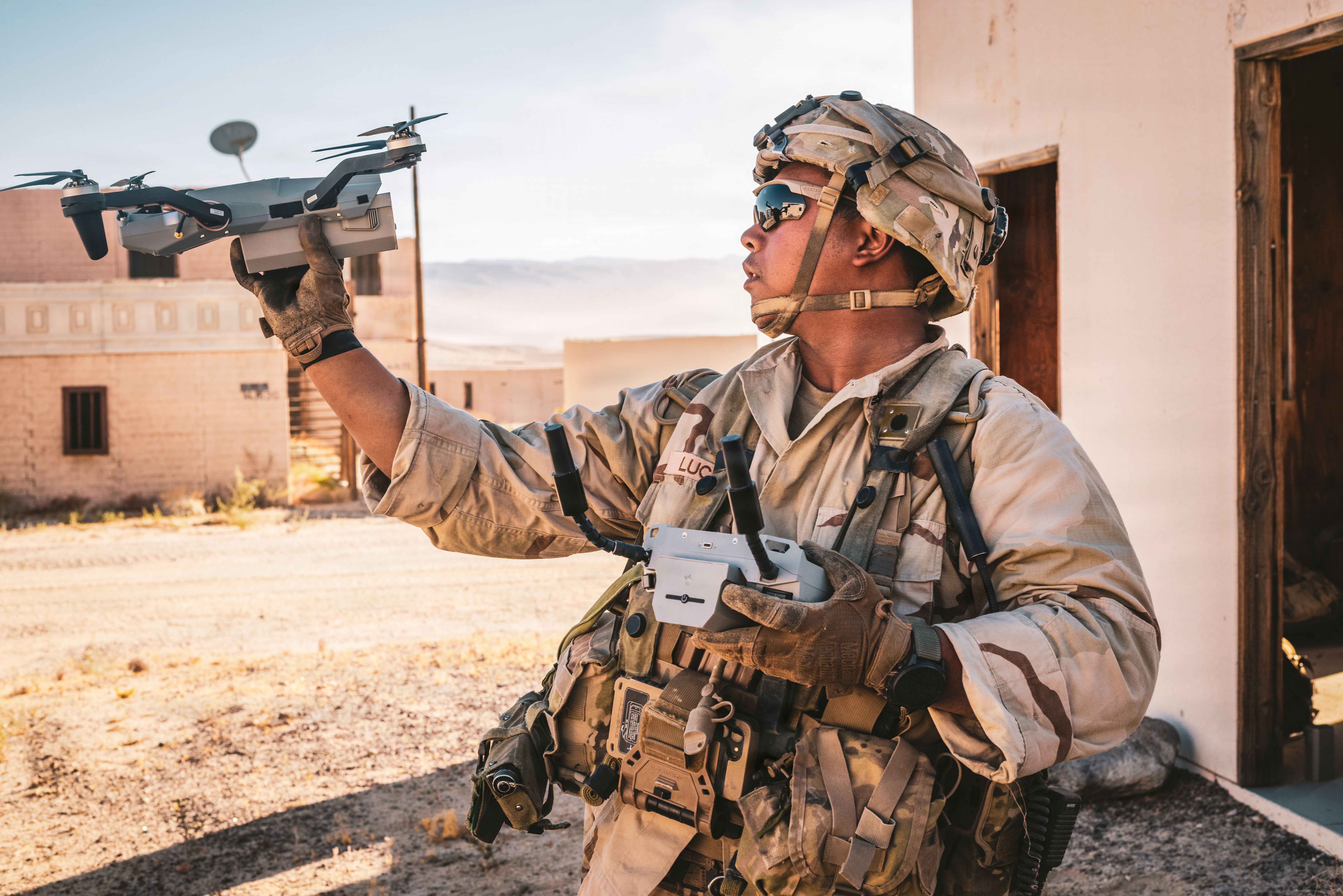
The US Army’s push towards AI-enabled warfare faced a reality check during Project Convergence-Capstone 6, a major exercise held in California’s Mojave Desert.
The Project Convergence-Capstone 6 exercise was designed to stress-test emerging technologies and battlefield networks under realistic conditions.
It tested the Army’s Next Generation Command and Control (NGC2) architecture alongside drones, autonomous systems, EW equipment, and other emerging technologies.
Media reports suggest the exercise exposed important limitations in the Army’s use of these systems in challenging conditions.
US efforts to transform Army with AI & drones
The Wall Street Journal published an article highlighting some of the difficulties the US Army faces in transforming into a “modern, AI-powered fighting force.”
Defence Secretary Pete Hegseth outlined plans for the US Army to become an AI-powered force equipped with drones and 3D printers. He directed the Department of Defence to buy good enough products off the shelf.
But this is easier said than done. Transforming a large and bureaucratic organisation during peacetime is difficult.
During the Iran war, some new low-cost systems, like the reverse-engineered one-way-attack Shahed drone, LUCAS, proved successful. Still, the bulk of the Iran War was fought with high-end, expensive systems. AI tools have accelerated intelligence analysis and target selection.
Recently ousted Army Sec. Dan Driscoll has called the Army’s efforts to reform a “calcified bureaucracy.” The Army has been accused of wasting billions on technology and equipment that led nowhere.
Limitations in hot desert conditions
The ten-day Project Convergence exercise in the July Mojave Desert at Fort Irwin exposed significant limitations.
The exercise included 9,700 infantry soldiers, including the opposing team called Blackhorse, standing in for China’s People’s Liberation Army.
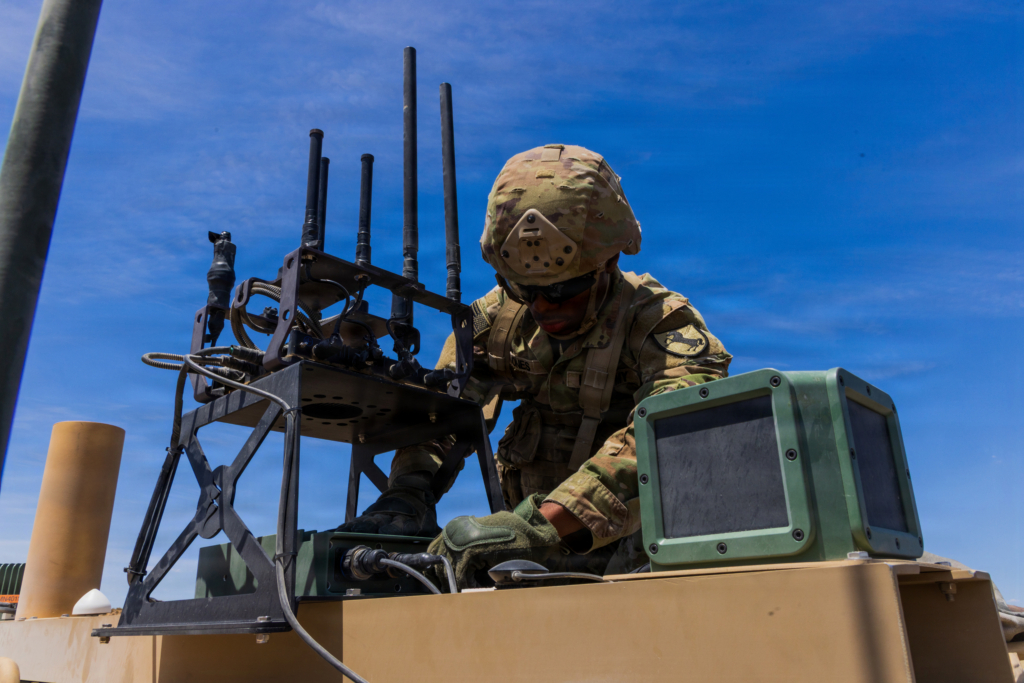
Servers overheated, batteries died and couldn’t be recharged, and soldiers draped ice-water-soaked T-shirts over antennas.
Some soldiers flew their drones during limited windows and for half the maximum flight time to conserve batteries and retrieve the drones. They also flew them without full autonomy or any AI to assist.
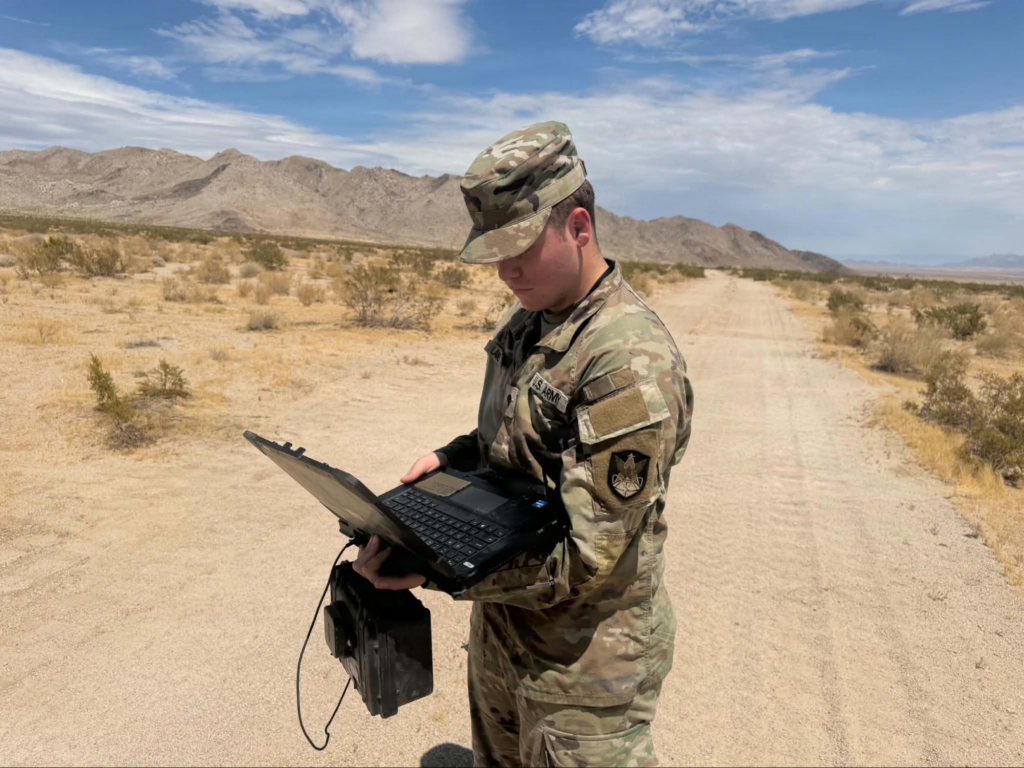
Soldiers said that some startups’ tech proves too brittle for practical use in real-world applications, and much of it has never been used in combat.
But some soldiers said it wasn’t just the 43 C (110 F) temperatures. Sgt. Ramontez Bennett said, “All it takes is one gust of wind, and it’s on the side of a mountain.”
The WSJ also observed a slow deployment of some drones. They reported one Theiss UAV Solutions drone’s battery was flat and needed to be charged, after which it took ten minutes to get airborne.
Army’s Project Convergence
Project Convergence was billed as a glimpse “inside the US Army’s AI-enabled battlefield” to the media. But some media wasn’t impressed and said it resembled more the familiar scene of legacy warfare.
Alex Miller, chief technology officer to the Army’s chief of staff, said Project Convergence was an effort to “fact-check all the vendors that are coming to us” about their products’ advertised performance. He said it wasn’t just to flood the airspace with autonomous weapons.
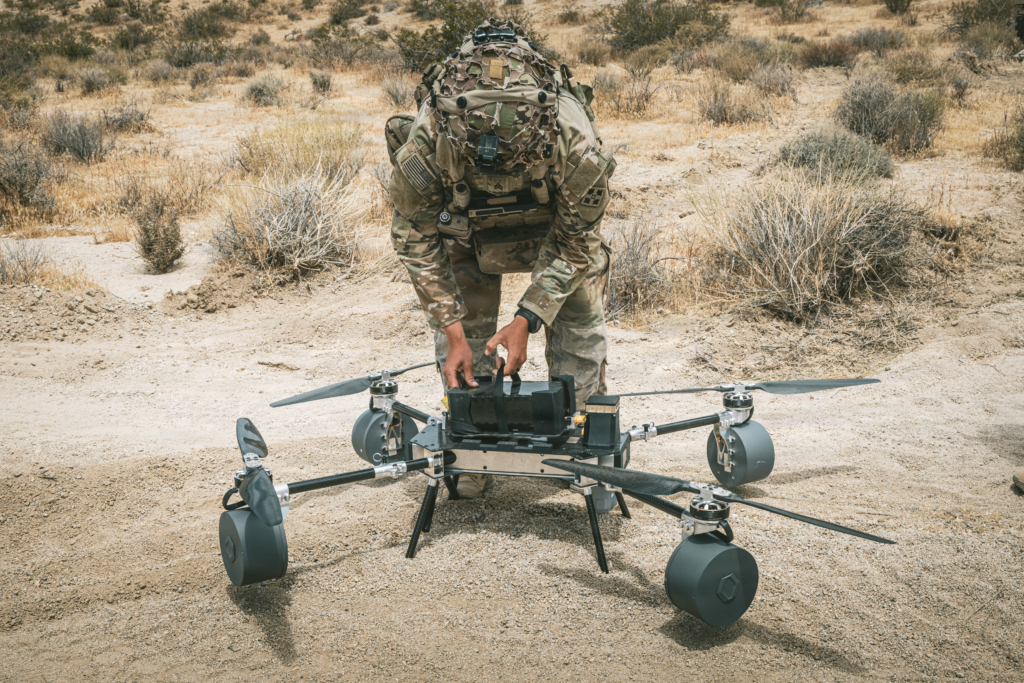
Whether Project Convergence exposed weaknesses or simply highlighted the realities of testing new technology, the exercise underscored a central challenge for the Army: turning promising drone and AI capabilities into systems that can withstand the harsh conditions of a real battlefield.
Sign up for our newsletter and get our latest content in your inbox.



More from


October 11, 20263 min read


