


United’s Airbus A321XLR era begins with an assault on Europe’s overlooked cities

6 min read
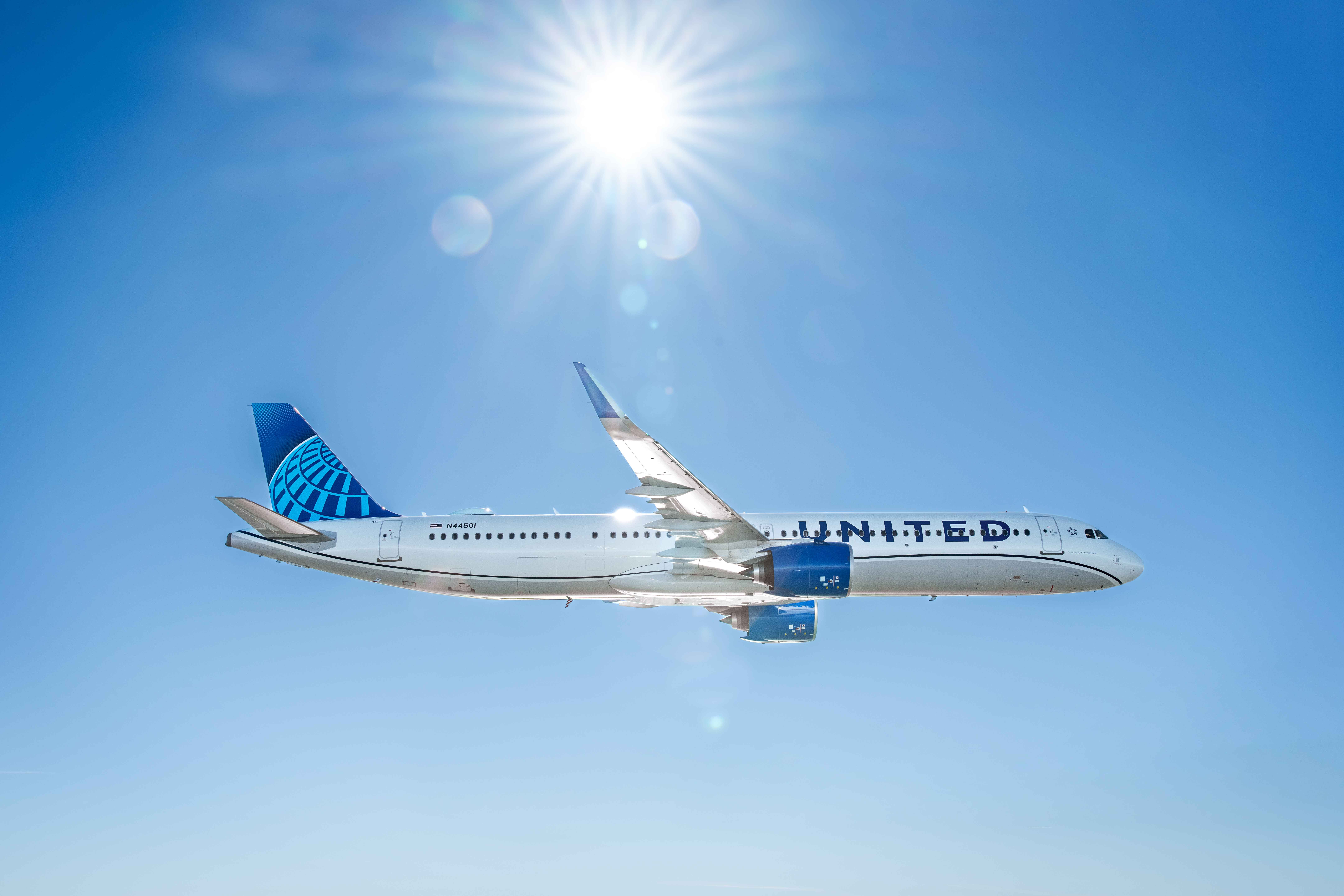
United Airlines‘ first Airbus A321XLR has yet to carry a paying passenger, but the aircraft is already reshaping the airline’s international network.
The long-range narrowbody will spearhead United’s largest international expansion to date, opening routes to European cities including Luxembourg, Toulouse and Marseille that would be difficult to sustain with a conventional widebody.
In total, United will add 10 destinations across Europe and Asia for summer 2027, eight of which have no competing nonstop service from another US airline. The expansion reveals how the carrier intends to use the XLR: not merely as a Boeing 757 replacement, but as a tool for reaching overlooked markets before its rivals do.
United’s new international routes at a glance
| Route | Start date | Frequency | Aircraft |
|---|---|---|---|
| San Francisco (SFO)–Okinawa (OKA)* | March 27 | Three times weekly | Boeing 777-200ER |
| Newark (EWR)–Luxembourg (LUX)* | April 2 | Daily | Airbus A321XLR |
| Washington Dulles (IAD)–Toulouse (TLS)* | April 26 | Daily | Airbus A321XLR |
| Newark (EWR)–Ljubljana (LJU)* | May 12 | Four times weekly | Boeing 767-400ER |
| Newark (EWR)–Olbia (OLB) | May 27 | Three times weekly | Boeing 767-300ER |
| Newark (EWR)–Catania (CTA) | May 28 | Four times weekly | Boeing 767-300ER |
| Newark (EWR)–Ibiza (IBZ)* | May 31 | Four times weekly | Airbus A321XLR |
| Newark (EWR)–Valencia (VLC)* | June 2 | Three times weekly | Airbus A321XLR |
| Newark (EWR)–Marseille (MRS)* | June 4 | Daily | Airbus A321XLR |
| Newark (EWR)–Terceira (TER)* | June 9 | Three times weekly | Boeing 737 MAX 8 |
*United will be the only US airline flying nonstop from the US to this destination.
United’s Airbus A321XLR opens a different kind of Europe
Luxembourg, Marseille, Ibiza, Valencia and Toulouse are not the obvious prizes of the transatlantic market. They lack the sheer passenger volumes of London, Paris or Amsterdam, but that is precisely what makes them valuable tests of the Airbus A321XLR.
The aircraft gives United enough range to connect these cities directly with the US, but without the commercial pressure of filling hundreds of seats on a widebody. That lowers the risk involved in opening smaller or more seasonal markets while allowing the airline to charge a premium for a nonstop journey that passengers might otherwise make via a European hub.
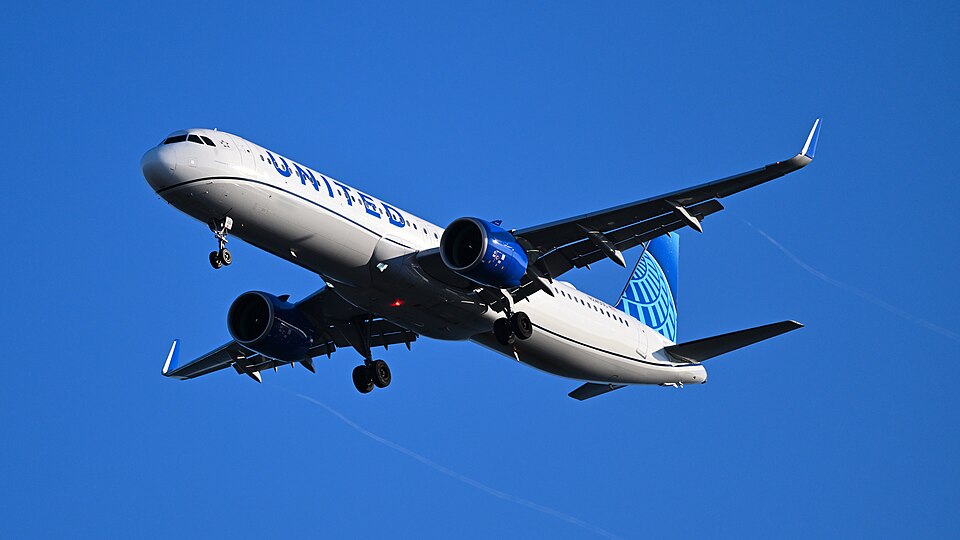
United is also supporting the routes with the scale of its operations at Newark and Washington Dulles. Passengers will not have to originate solely in New York or Washington; they can be fed onto the services from across the airline’s domestic network, expanding the potential market for each destination.
The strategy builds on United’s reputation for launching new and unusual routes, but the XLR gives it a purpose-built aircraft with which to pursue them. Instead of competing only for a greater share of established transatlantic markets, United can use the narrowbody to create nonstop markets where little or no direct competition currently exists.
Premium seats underpin United’s XLR strategy
The expansion coincides with United’s introduction of its first Airbus A321XLR, which the airline has named ‘Born to Explore’.
The single-aisle aircraft will initially enter domestic service in September before beginning international operations on December 1, with flights from Washington Dulles to Amsterdam and Dublin.
It will subsequently be deployed on the newly announced services to Luxembourg, Toulouse, Marseille, Ibiza and Valencia.
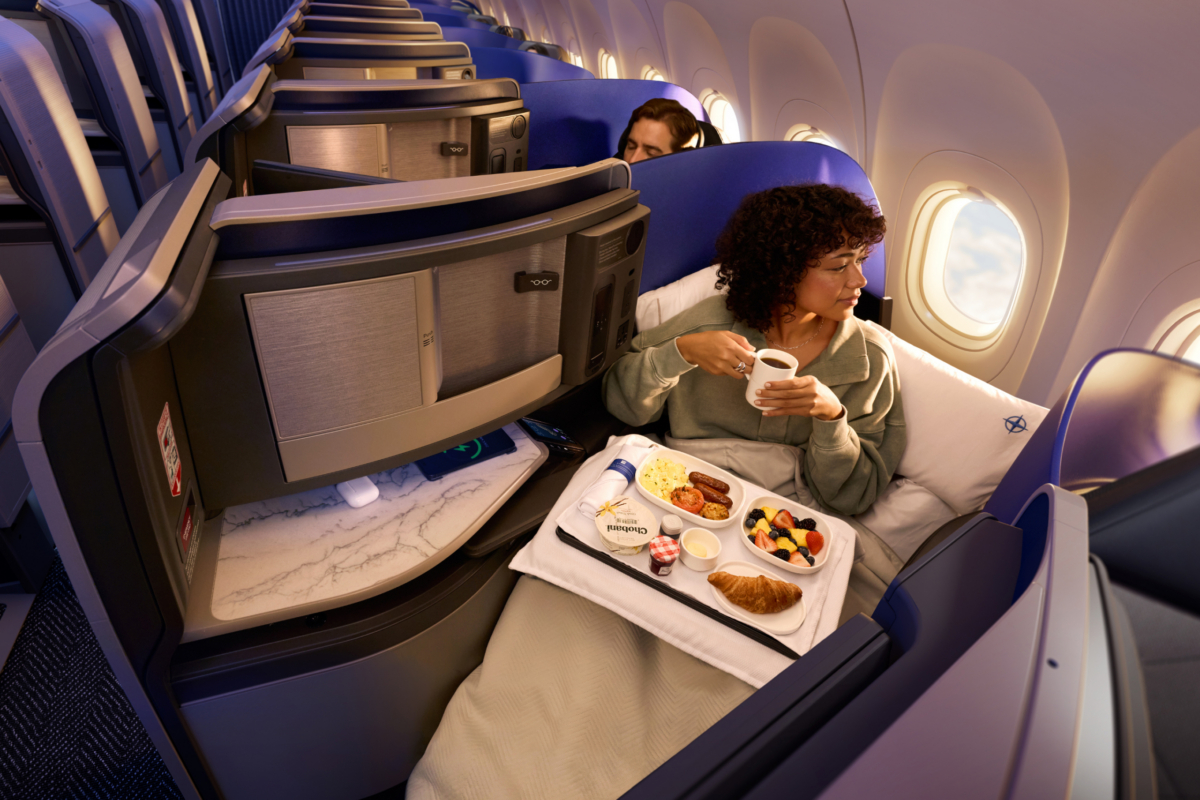
United is not configuring the XLR as a high-density people mover. The aircraft will feature 20 United Polaris suites with privacy doors and 12 Premium Plus seats, giving it 32 premium seats in total.
That represents 16 more premium seats than the Boeing 757-200, an aircraft the A321XLR broadly replaces. The cabin suggests United is targeting the higher-yield passengers required to make thinner transatlantic routes work while avoiding the capacity risk of deploying a larger twin-aisle aircraft into an unproven market.
Economy Plus will also receive a new seating arrangement designed to provide additional personal space, with an open middle seat and shared table. The aircraft will feature Starlink Wi-Fi for MileagePlus members, 4K OLED seatback screens and Bluetooth connectivity.
Eight destinations United’s US rivals do not serve
United says eight of the 10 destinations will have no existing nonstop service from another US airline, giving it an opportunity to establish the routes before competitors decide whether the markets are worth pursuing.
The majority of the new services will operate from Newark, putting the New York hub at the heart of United’s European network.
Not every new route depends on the XLR. Ljubljana will receive Boeing 767-400ER service, while Olbia and Catania will be operated by Boeing 767-300ERs. Newark-Terceira will be flown using a Boeing 737 MAX 8.
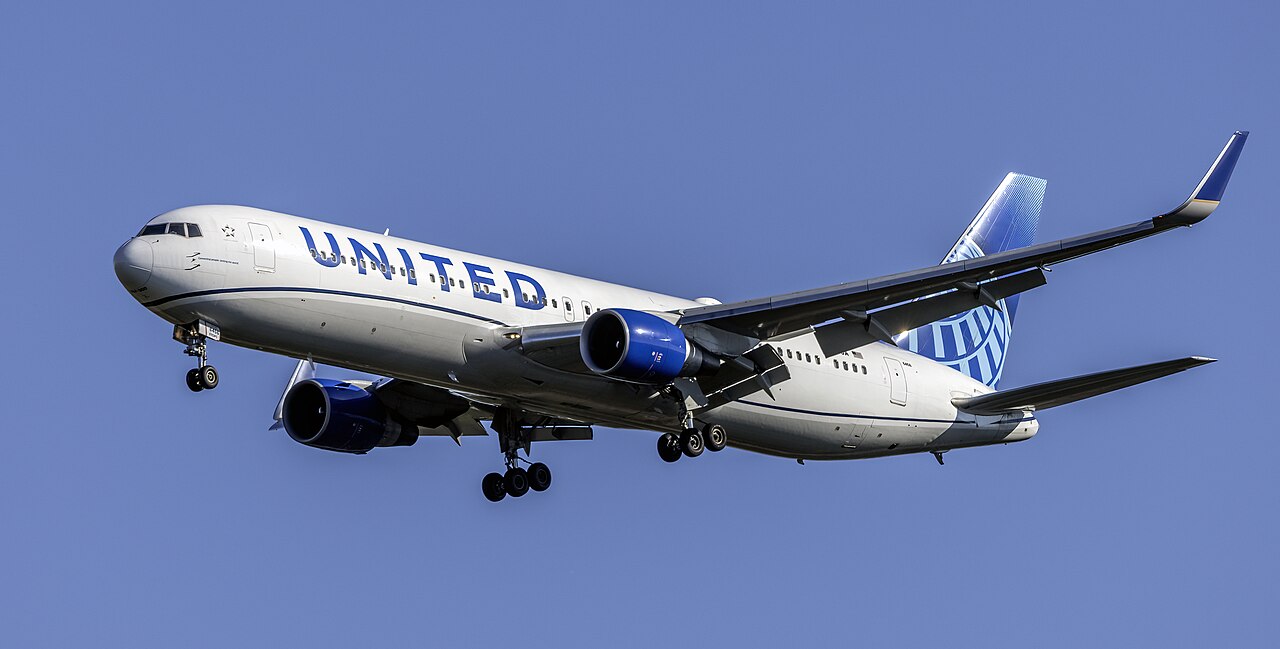
On the west coast, San Francisco will gain a three-times-weekly service to Okinawa, operated by Boeing 777-200ERs.
The mixture of aircraft shows that the A321XLR is one part of a much wider network push, but it is the aircraft enabling United to reach some of the smallest and most unconventional markets in the expansion.
United extends its international reach
The Chicago-based carrier said the expansion, which begins in March 2027 and will cover next year’s northern summer season, will take its international network to more than 160 destinations.
United has added 58 international cities since 2017 as it has continued to build its long-haul network following the pandemic.
Los Angeles will gain daily flights to Osaka from March 27, giving United two continental US gateways to the Japanese city alongside its existing San Francisco operation.
Washington Dulles will receive three weekly flights to Milan from May 28, while Denver will gain a daily service to Paris from May 27.
United will also resume flights between San Francisco and Tel Aviv on March 28, initially operating three flights per week.
The airline already serves more destinations in Japan, Spain, Portugal, Italy and France than any other US carrier.
Unusual routes become a repeatable strategy for United
United will also bring back several international routes launched for summer 2026, including services from Newark to Split, Bari, Glasgow and Santiago de Compostela, following what it described as a successful inaugural season.
Their return provides early evidence that United’s focus on less conventional destinations is producing routes capable of supporting repeat service rather than one-season experiments.
“The creative and strategic way we’ve expanded our international network since the pandemic has made all the difference, not only for our customers and employees, but also as a way to differentiate United and build a brand focused on customers,” said Scott Kirby, CEO of United.
“We offer the most flights across the Atlantic and Pacific and Newark is the best Atlantic gateway in the country – so far this year, it’s the most on-time airport in the New York City area.
“We’re going to keep building on that momentum as we welcome the new A321XLR to our fleet and continue to elevate the travel experience for every customer who chooses United.”
Could the XLR redraw the transatlantic map?
United’s expansion plans remain subject to government approval, with tickets for the first international A321XLR services due to go on sale on August 27.
“We aim to have a destination on our route map for every traveller, at every stage of their lives,” said Patrick Quayle, senior vice president of global network planning and alliances at United.
“We’ve added flights to nearly 60 new international cities in the last decade, building a global network with the breadth and reach to set travel trends and inspire even the most discerning travelers to discover somewhere new.”
United’s rivals will be watching closely. If the A321XLR can make destinations such as Luxembourg, Toulouse and Ibiza work from the US, the aircraft will do more than replace the Boeing 757.
It could greatly expand the number of European cities considered viable for nonstop transatlantic service – and give United a valuable head start in reaching them


