UK government to ban extra airline charges for families and clamp down on disruptive passengers

4 min read
The UK government has announced a package of changes designed to reduce some of the extra costs and frustrations passengers can face when flying.
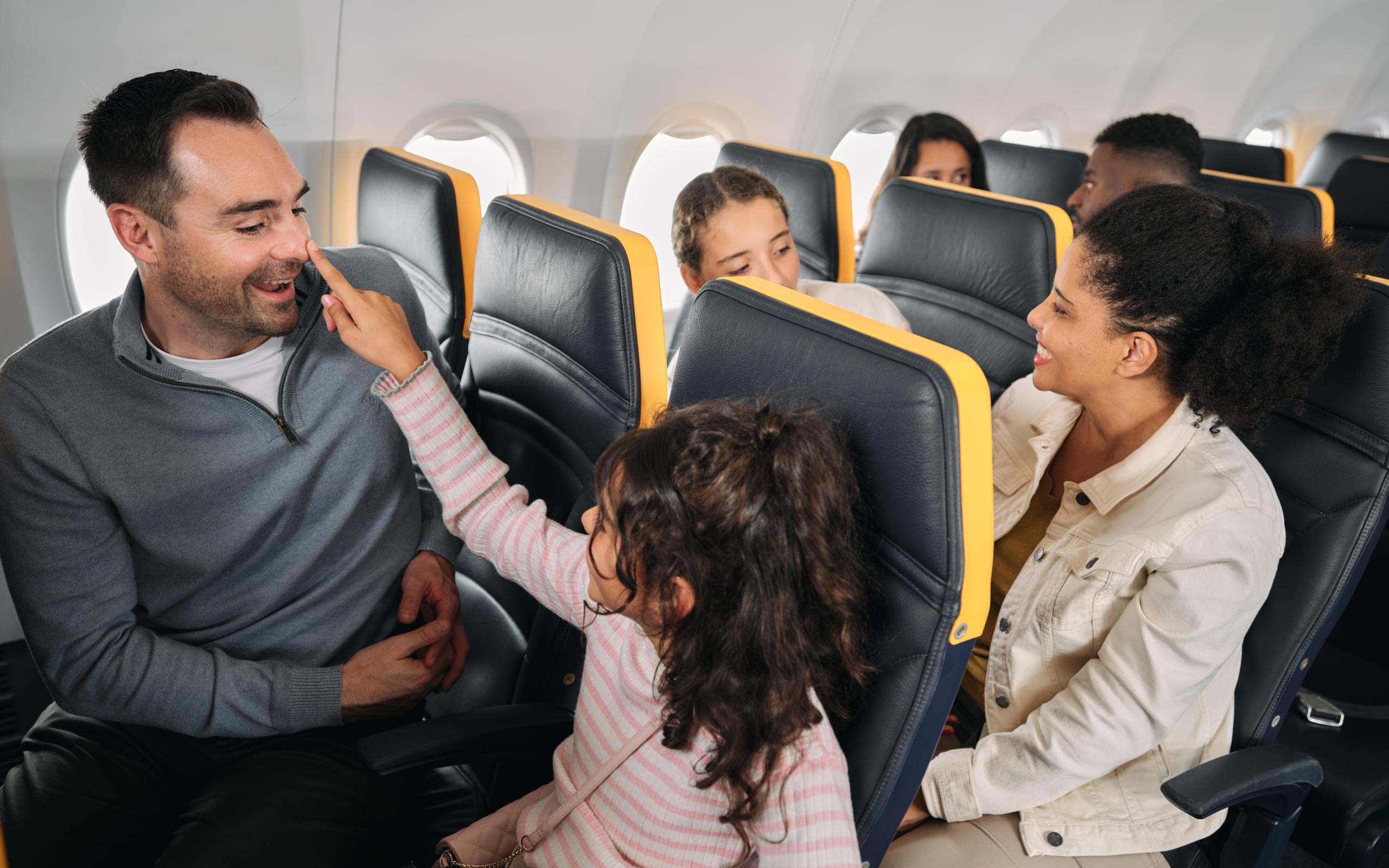
Under new plans announced today (2 October) airlines will be required to seat children under 14 with a parent or accompanying adult without charging an additional seat-selection fee.
The government says the measure is intended to help households manage the cost of living and provide greater consistency for passengers across airlines.
The scrapping of charges for families to sit together
At present, families can face additional charges when they want to guarantee that a child sits beside a parent. According to the Department for Transport, the cost for a parent and child to sit together can reach £104 on a return journey.
The new requirement is intended to remove that cost and ensure parents do not have to decide between paying extra and risking separation from their children during a flight.
The government has described the change as part of its wider programme of “everyday fixes”, aimed at addressing smaller household expenses that can accumulate over time.
UK Prime Minister Andy Burnham said families should not be charged simply to sit together, while Transport Secretary Heidi Alexander said the measure would help put money back into household budgets.
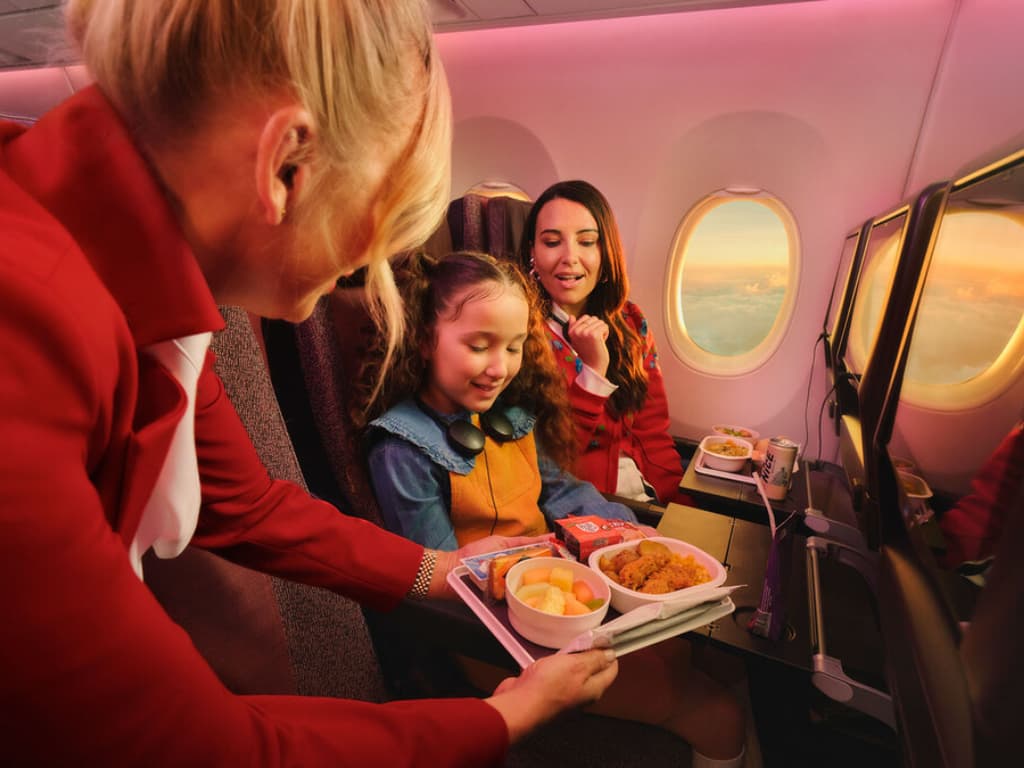
The policy applies to children under 14 and requires them to be seated with a parent or accompanying adult free of charge. It therefore focuses specifically on family seating rather than making all seat-selection fees free for every passenger.
Airlines can continue to charge for other optional seating arrangements where the new family-seating requirement does not apply.
Free corrections for simple booking mistakes
The UK government package also addresses charges for correcting straightforward errors in flight bookings. Passengers will be given greater flexibility to amend simple name mistakes without paying a fee.
The government says some airlines can currently charge as much as £40 for minor corrections or administrative changes. Such charges can arise from relatively small errors, such as a misspelling made during the booking process.
Under the planned reforms, passengers will have greater protection from fees where the change is simply a correction rather than a transfer of the ticket to another person.
The measure is intended to make the booking process more forgiving and reduce the risk that a minor mistake results in an unexpected expense.
It also reflects a broader government focus on making mandatory or unavoidable costs clearer and limiting charges that passengers may regard as disproportionate to the administrative change involved.
The reforms are being developed alongside wider changes to aviation regulation. The Civil Aviation Bill is progressing through Parliament and is intended to strengthen passenger protections while giving the Civil Aviation Authority greater enforcement powers.
The government has said the new measures will provide more consistent protections across airlines operating in the UK.
Action on disruptive passengers
Alongside the changes to passenger booking charges, the government has announced plans to work with airlines and trade unions on a new system for sharing information about persistently disruptive passengers.
The aim is to help airlines identify repeat offenders and make informed decisions about whether bans should be extended.
The Department for Transport says airlines recorded more than 1,000 serious disruptive passenger incidents during 2025. These incidents can affect passengers, cabin crew, pilots and ground staff, while serious cases can cause delays, diversions and additional costs.
The proposed information-sharing system is intended to help airlines identify people who have repeatedly caused serious problems.
By improving the flow of relevant information, airlines will be better placed to consider whether a passenger should face restrictions or a longer ban. The government says the approach is designed to improve safety for both staff and passengers from the beginning of a journey.
The new information-sharing approach is therefore intended to complement existing powers and airline policies rather than replace them.
Most passengers complete their journeys without serious disruption, but the government argues that better coordination between airlines can help address cases involving persistent or severe misconduct.
A broader change for air travellers
Taken together, the proposed measures combine consumer protection with aviation safety.
The changes also form part of a wider programme to strengthen passenger rights and modernise aviation regulation.
Earlier this year, the government announced the Civil Aviation Bill, which includes stronger enforcement powers for the Civil Aviation Authority and measures covering areas such as cancellations, disruption and assistance for disabled passengers.
The overall aim of both this latest raft of changes as well as the Civil Aviation Bill is to make flying more predictable for passengers: fewer avoidable charges at the point of booking, clearer protection when travelling with children, and stronger cooperation between airlines when serious misconduct occurs.
According to a Department for Transport statement, the reforms represent a “significant change” in how airlines are expected to handle several common passenger concerns, while forming part of the government’s broader effort to improve consumer protection across UK aviation.