EU considers ban on fees for hand luggage: is that good or bad for passengers?

4 min read
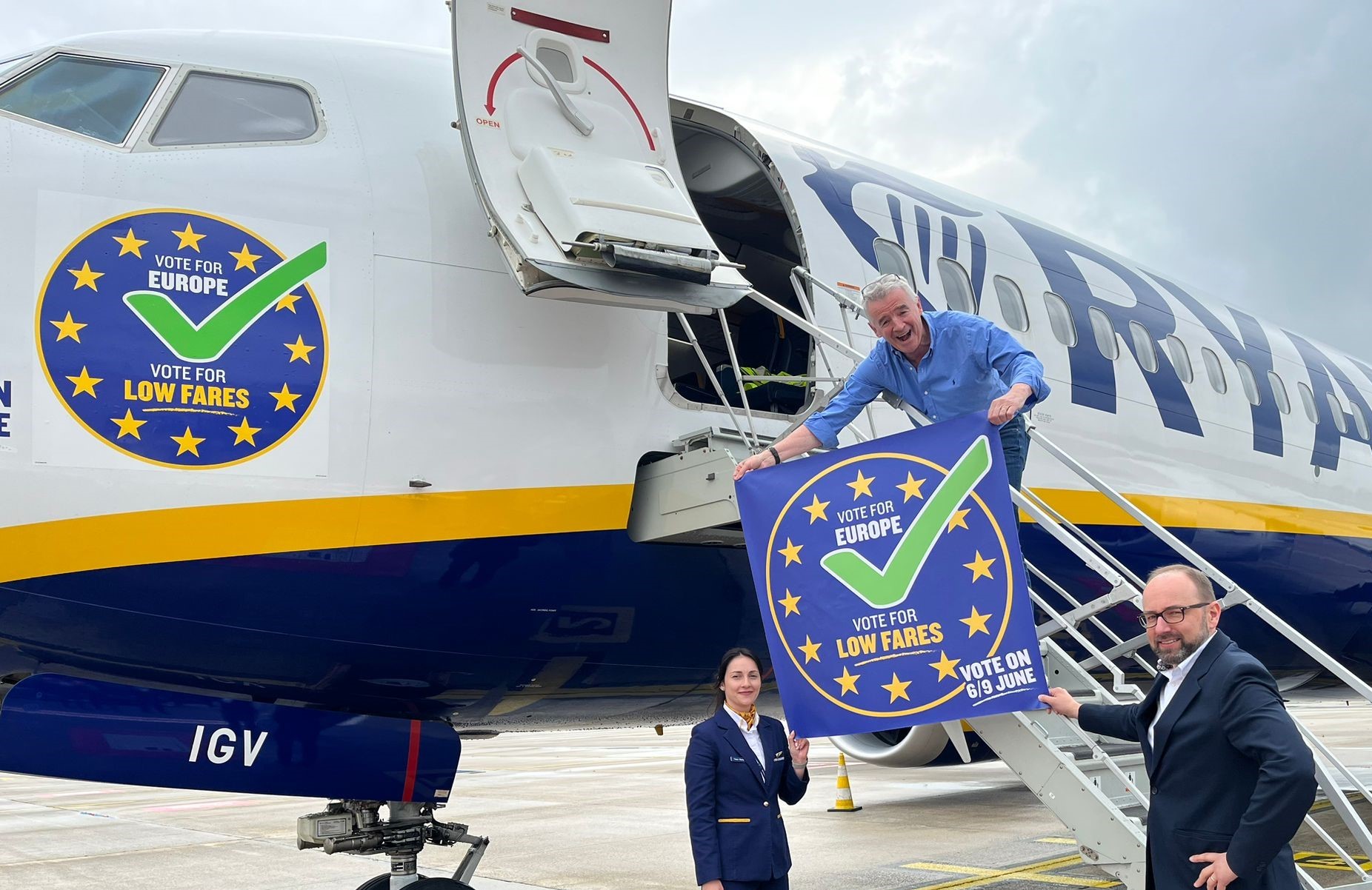
As the European Union considers a ban on airline ancillary fees for hand luggage, airlines argue that such a ban would be detrimental to air travellers, forcing all to pay higher ticket prices.
European Parliament backs bag fee ban
The European Parliament put forward a proposal to ban bag fees in its revision of EU air passenger rights on 21 January 2026, suggesting that “passengers should be allowed one personal item plus one small piece of hand luggage for free.”

Parliament stated it wanted “passengers to have the right to carry with them onto the airplane, at no additional cost, one personal item (such as a handbag, backpack or laptop) and one small piece of hand luggage with maximum dimensions of 100 cm (combined length, width and height) and seven kilograms.”
Airline leaders argue that the bag fee ban could raise ticket prices and introduce needless complications.
New EU agreement requires airlines’ baggage fees to be included in published fares
The recent EU Council and Parliament agreement on new passenger rights protections under EU261, announced this week, does not include an outright ban on bag fees.
Instead, it requires airlines to “ensure price transparency” by advertising airfares that include “the allowance for one carry-on bag” to be “displayed by default before starting any booking process.” The EU claims the provision would “facilitate comparison of fares between airlines.”
But some airline leaders say that’s “rubbish.”
Why airlines say a bag fee ban could be bad
Low-cost carriers argue that passengers travelling with only a backpack currently enjoy very cheap fares. If every ticket includes a trolley bag, the price would rise for all passengers.
Airlines have also pointed out that aircraft do not have enough overhead space for every passenger to bring a wheeled bag. As reported by the Guardian, easyJet CEO Kenton Jarvis has described Parliament’s proposal as a “lunatic idea”, warning that it might force airlines to return to the days of gate-checking bags, slowing boarding and causing delays.
Though the recent agreement does not eliminate bag fees, Ryanair CEO Michael O’Leary described the fare transparency requirement as “rubbish regulations,” saying it would “force airlines to advertise higher air fares (which include 2nd cabin bag fees) instead of advertising our lowest air fares (which exclude 2nd cabin bag fees), which is what more than 50% of Ryanair passengers choose on a daily basis.”
O’Leary urged the EU to “instead do something competitive for European consumers by abolishing Europe’s discriminatory ETS tax (which only applies to intra-EU flights) and finally deliver effective ATC reform by requiring that ATC’s are fully staffed for first wave of morning flights, and protecting EU over flights during national ATC strikes.”
Airlines rely on ancillary fees to remain profitable
While airlines have opposed the bag fee ban, citing operational and consumer disadvantages, the reality is that they do rely on ancillary fees to compensate for low fares that result in thin profit margins.
While some passengers will travel light and fly on the lowest possible fare, many will opt to pay for extra baggage allowance or checked bags.
According to a recent report by IdeaWorksCompany, a US-based consultancy specialising in airline ancillary revenue:
- Airlines can earn £15 ($20) per passenger in baggage revenue when they charge for overhead carry-on bags.
- Baggage, seats, and branded fares account for 95%+ of ancillary revenue for airlines without a major co-branded card program.
“Ancillary revenue continues to be essential to airline profitability,” said Sorensen, President of IdeaWorksCompany. “When airlines focus on well-designed baggage policies, effective seat merchandising, and clear customer communication, they can achieve both strong revenue results and greater passenger choice.”
Bag fee or no bag fee: Which is better for passengers?
The reality is more nuanced than the arguments from the EU Parliament or airlines would suggest.
Good for some passengers, bad for others
| Passenger type | Likely impact |
|---|---|
| Weekend travellers with only a backpack | Potentially higher fares |
| Travellers who usually pay for cabin bags | Could benefit from more transparent pricing |
| Families | Easier price comparisons and fewer surprises |
| Frequent flyers carrying roller bags | May save money if bag fees disappear |
Baggage allowances were included in airfares before the industry underwent deregulation, a time when flying was prohibitively expensive for many. Unbundling tickets into a base fare that includes the right to board the aircraft, with other services such as baggage and seat selection paid separately, introduced by low-cost carriers, has made flying more affordable and more accessible. It allows passengers to pay only for the services they require.
The new fare transparency advertising requirement under EU261 may introduce some confusion, as passengers who would not opt to book a cabin bag would no longer see the base fare available. If Ryanair’s claim that more than half of its customers choose to fly without a second cabin bag is accurate, then the advertised fare would be inaccurately inflated for many.
While the EU aims to ensure its citizens enjoy strong consumer protections when flying, striking the right balance between protecting passenger rights and allowing airlines to operate profitably is delicate. It’s no surprise the EU passenger rights debate has taken 13 years so far, and it’s not quite right yet.
Featured Image: Ryanair