Stratolaunch adds Boeing 777 to growing hypersonic testing capacity

3 min read
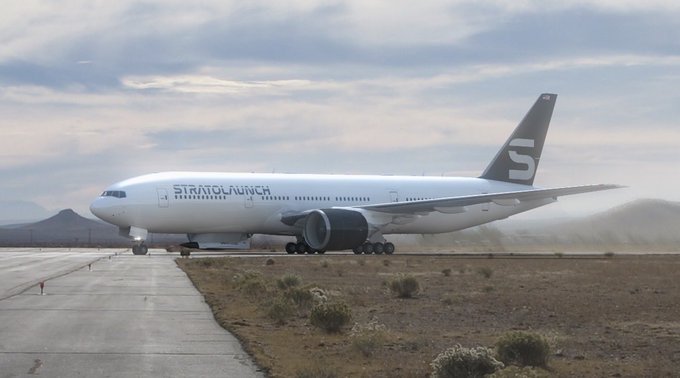
Stratolaunch is expanding its hypersonic flight-test infrastructure with the acquisition of a Boeing 777-200ER, adding a third carrier aircraft to its growing fleet.
Announced on 30 September, the acquisition is intended to increase Stratolaunch’s capacity to conduct hypersonic flight tests for government and commercial customers.
The company says the additional aircraft will increase overall flight capacity by 35% while giving it greater flexibility to deploy missions around the world.
A new airborne carrier platform for Talon-A
The Boeing 777-200ER will be modified to carry and air-launch Stratolaunch’s Talon-A hypersonic test vehicles from its fuselage.
The modifications are expected to be completed in 2027. The company has yet to identify the exact airframe it has acquired, its age, or its previous history.
Stratolaunch’s carrier aircraft serve as the first stage of its hypersonic testing system. Rather than launching Talon-A from the ground, a carrier aircraft takes the vehicle to altitude before releasing it in flight.
Talon-A then conducts its autonomous hypersonic mission before returning for recovery and reuse.
According to Stratolaunch, this air-launch approach can provide greater range, flexible deployment locations, and lower mission costs compared with traditional ground-launch systems.
It also allows customers to conduct flight tests that more closely represent real-world operating conditions.
The Boeing 777 will join two existing carrier aircraft – a Scaled Composites Model 351 (known as “Roc”) and the former Virgin Atlantic Boeing 747-400 registered as N949SL and known as ‘Spirit of Mojave’.
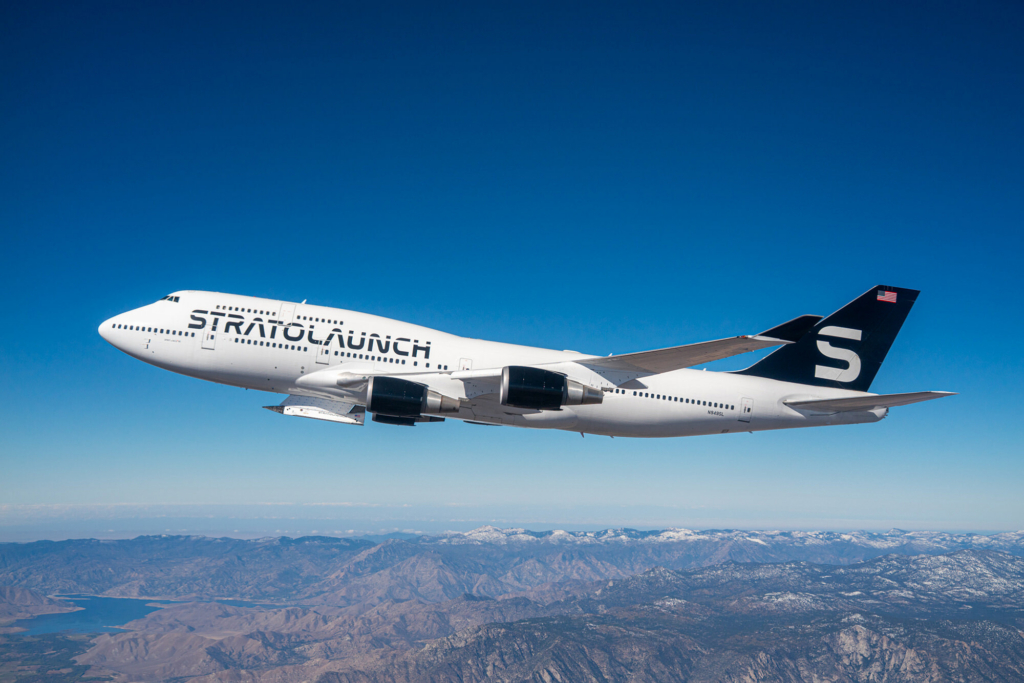
With three aircraft available for launch operations, Stratolaunch says it will be better positioned to maintain continuous launch readiness, reduce scheduling constraints and conduct parallel missions.
From space launch to hypersonics
Stratolaunch has a relatively unusual history. The company was founded in 2011 by Microsoft co-founder and philanthropist Paul Allen, originally with the goal of developing an air-launch system for placing payloads into space.
That vision produced Roc, a giant twin-fuselage aircraft with a wingspan of 385 feet, designed to carry launch vehicles and payloads aloft.
Following the acquisition of Stratolaunch by Cerberus Capital Management in 2019, the company shifted its focus from commercial space launch towards hypersonic flight testing.
It has since developed an ecosystem centred on reusable test vehicles, carrier aircraft and other technologies designed to support the development of high-speed aerospace and defence systems.
Today, Stratolaunch describes itself as a pure-play hypersonics company. Its activities include autonomous reusable test vehicles, expendable hypersonic targets and weapons subsystems, with services aimed at government and commercial customers.
Talon-A at the centre
The company’s principal flight-test platform is Talon-A, an autonomous, reusable, air-launched hypersonic vehicle designed to operate at speeds above Mach 5.
Its reusable design is intended to allow customers to conduct more frequent tests while reducing the time and cost associated with developing a new vehicle for every flight.
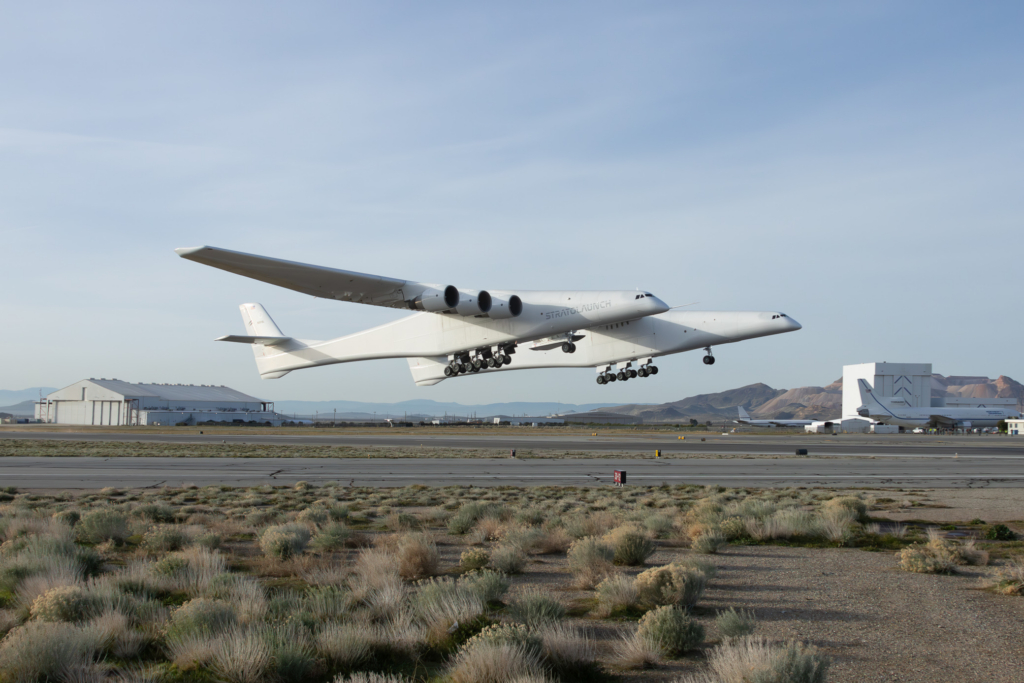
Stratolaunch announced in July 2026 that Talon-A had completed more than 10 successful hypersonic flights. At that point, the company was already operating two carrier aircraft, with the Roc and Spirit of Mojave supporting its flight-test programme.
The Boeing 777 acquisition therefore represents an expansion of an existing operational capability rather than a completely new direction for the company.
Why the Boeing 777 matters
The addition of a third carrier aircraft is primarily about capacity and flexibility. Hypersonic flight testing requires specialised infrastructure, aircraft and test vehicles, and Stratolaunch says demand for these services is growing.
A larger carrier fleet can provide additional opportunities to schedule missions, support different geographic requirements and reduce the impact of maintenance or scheduling conflicts.
Stratolaunch also says the expanded fleet will allow it to scale flight operations and potentially conduct missions in parallel.
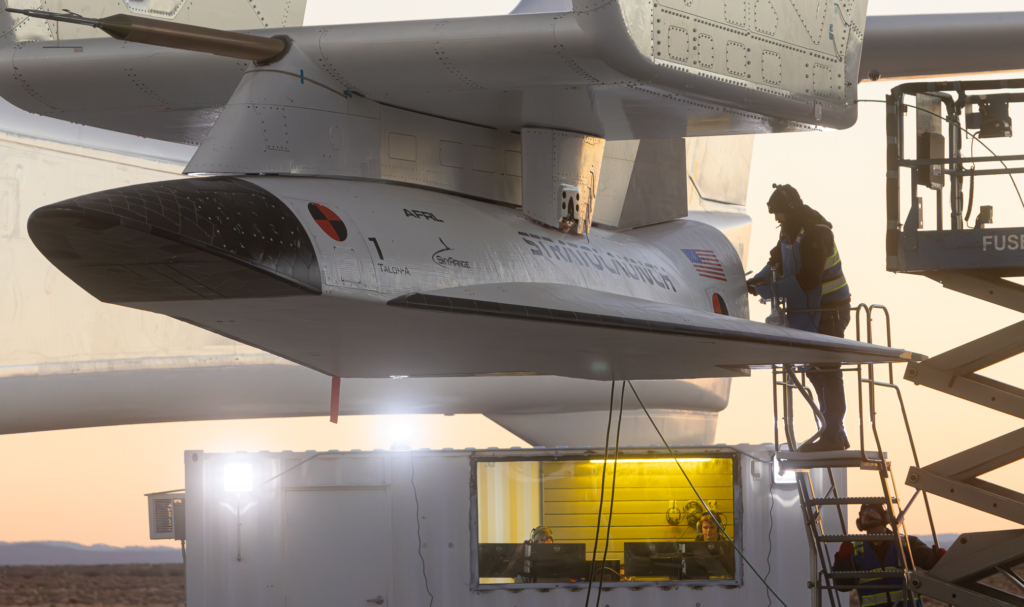
For Stratolaunch, the Boeing 777 is consequently more than an additional aircraft. It is another component in the company’s effort to turn hypersonic flight testing into a more routine, repeatable service.
The aircraft is expected to enter operational service after its modifications are completed in 2027.
If that timetable is achieved, Stratolaunch will have three carrier aircraft supporting its expanding portfolio of hypersonic test missions, marking another significant step in the company’s evolution from an ambitious air-launch space venture into a specialised hypersonic flight-test provider.