


Riyadh airport attacks damage six aircraft as airlines move $4bn fleet to safety

4 min read
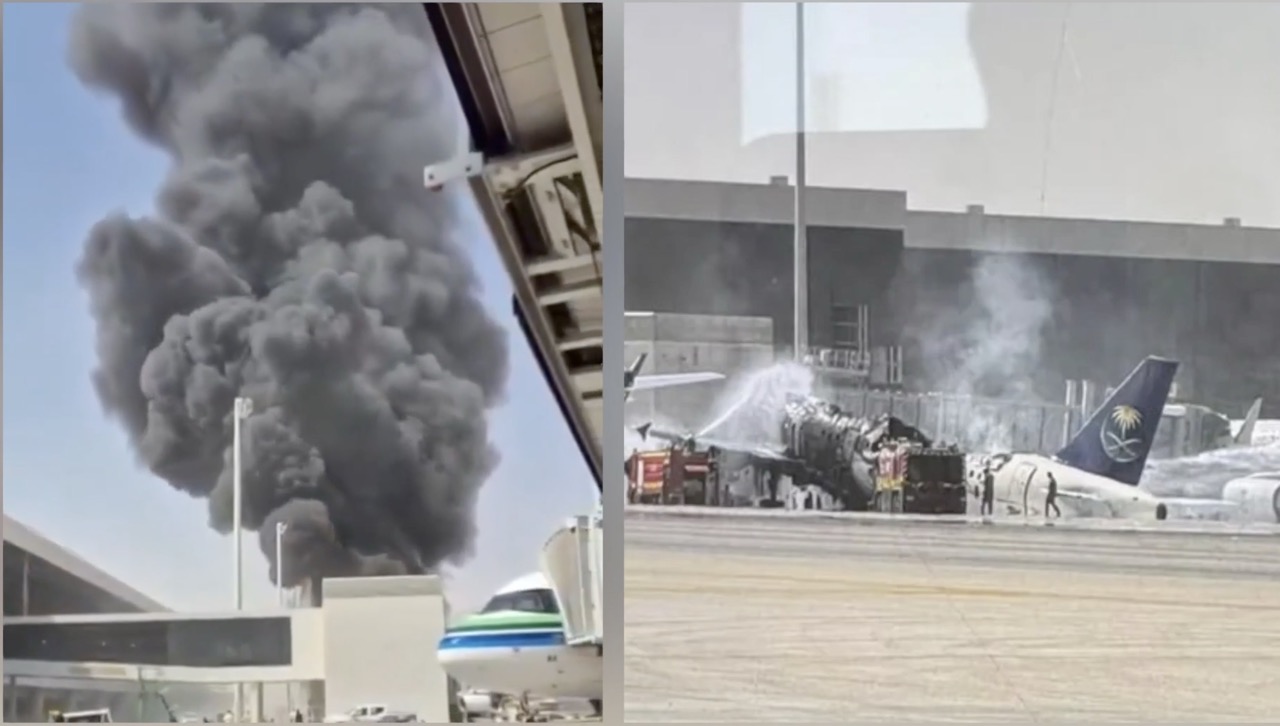
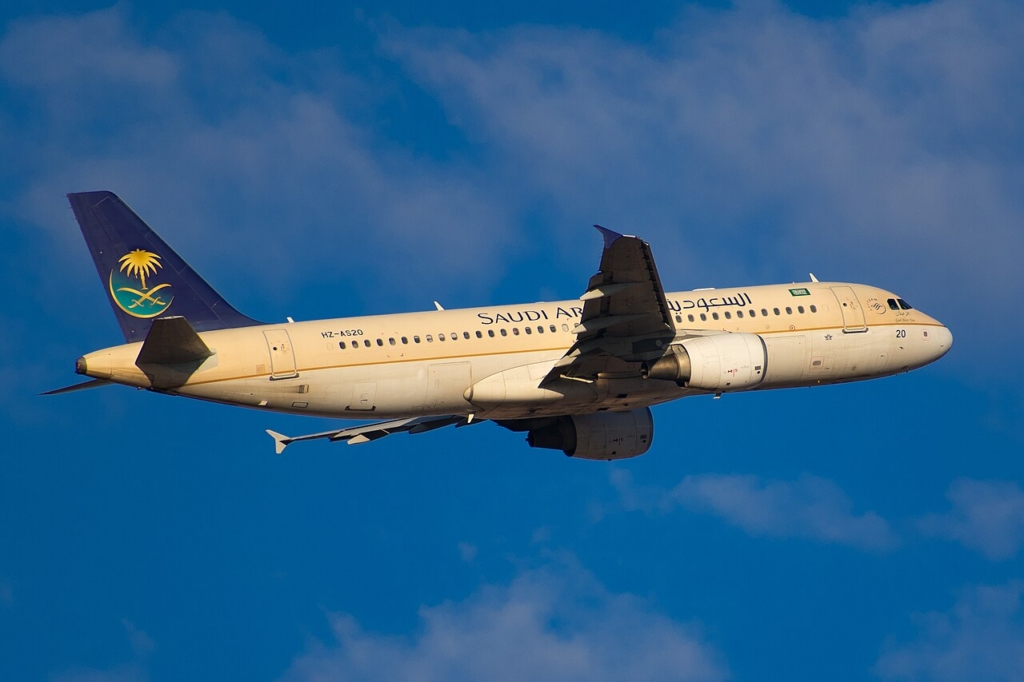
Six aircraft have been damaged by Houthi attacks in Riyadh, including a destroyed Saudia Airbus A320 and a Riyadh Air Boeing 787. Airlines have relocated jets worth billions of dollars since the attacks began last week.
The six commercial aircraft damaged in attacks on Riyadh’s King Khalid International Airport have a combined insured value of about $375 million, according to an internal insurance report reviewed by The Wall Street Journal.
Airlines are now evacuating aircraft worth as much as $4 billion from the Saudi capital following repeated missile and drone attacks by Yemen’s Iran-aligned Houthi forces.
The number of aircraft on the ground at Riyadh fell from 134 last Thursday to 38 by midday Wednesday, 14 October, according to Flightradar24 data. That represents a reduction of approximately 72% of aircraft at the airport in less than a week.
Which six aircraft were damaged at Riyadh airport?
The most severe aircraft loss occurred on 8 October, when a Saudia Airbus A320 parked at Terminal 4 caught fire following an attack on the airport. Reuters said shrapnel from an interception or another projectile had struck the parked aircraft.
The nearly 16-year-old Saudia Airbus A320 was destroyed. Two nearby aircraft were also damaged, including an Airbus A321neo delivered to Saudia in April.
Saudia confirmed that no passengers were aboard the destroyed aircraft. However, three people died in the attack, including an airline captain.
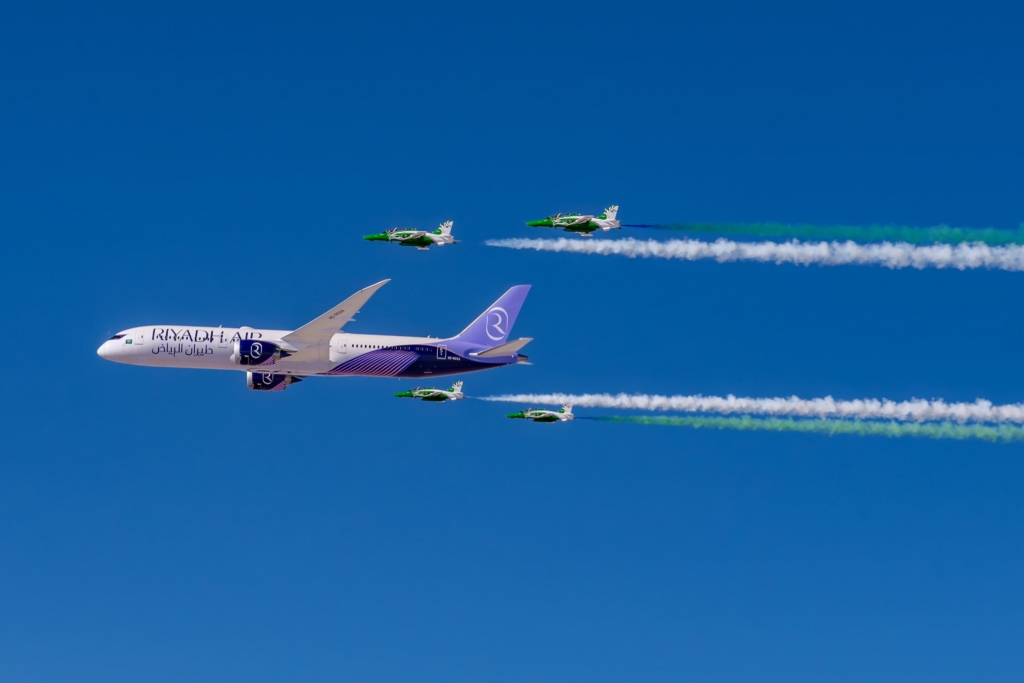
A separate strike on Saturday, 10 October, damaged the nose of a Riyadh Air Boeing 787 after debris struck the aircraft. The Dreamliner is reportedly insured for more than $130 million.
The insurance assessment identifies six damaged aircraft in total, including one written-off aircraft and five with varying degrees of damage. The identities and extent of damage to the remaining two aircraft have not been publicly established. The aircraft’s combined insured value is $375 million.
Riyadh Air moves Boeing 787s to safer airports
Riyadh Air, which launched commercial operations in June, has relocated four of the five aircraft it had parked at Riyadh when the attacks escalated.
Flight-tracking information shows three Boeing 787-9 Dreamliners departing Riyadh on Tuesday, 13 October, between 15:16 and 15:49 local time.
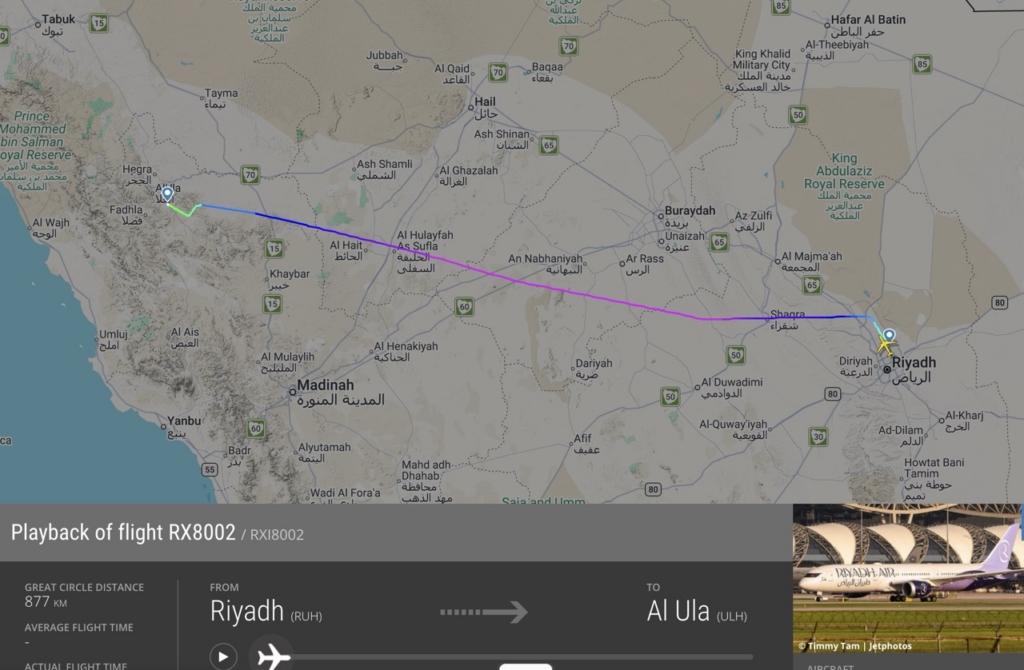
Two aircraft flew to AlUla.
A third aircraft transferred to Medina.
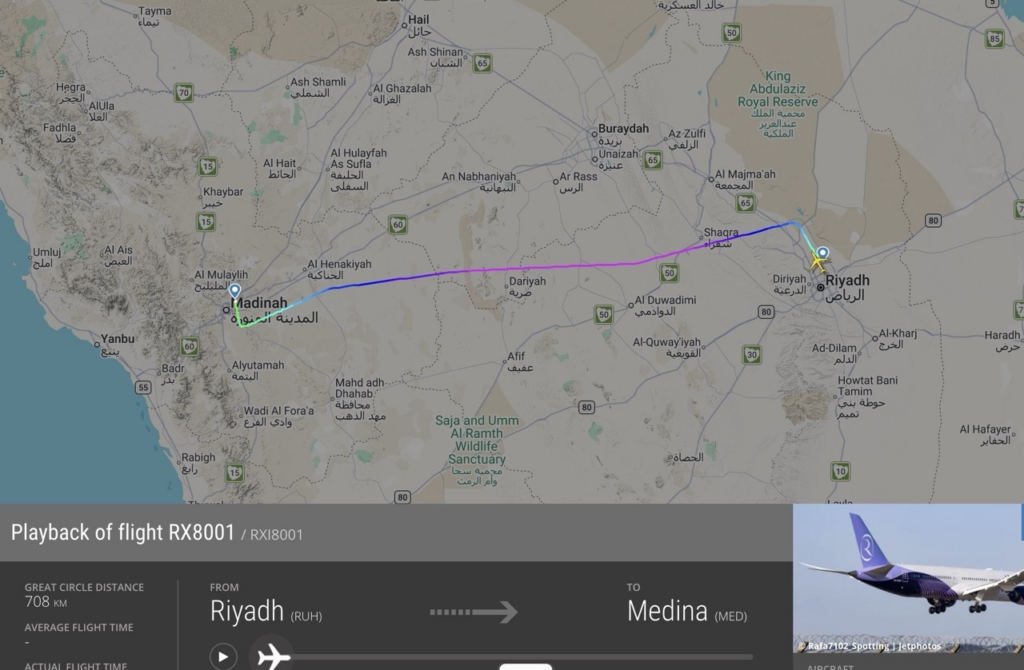
A fourth aircraft moved from Riyadh to Lahore later that day.
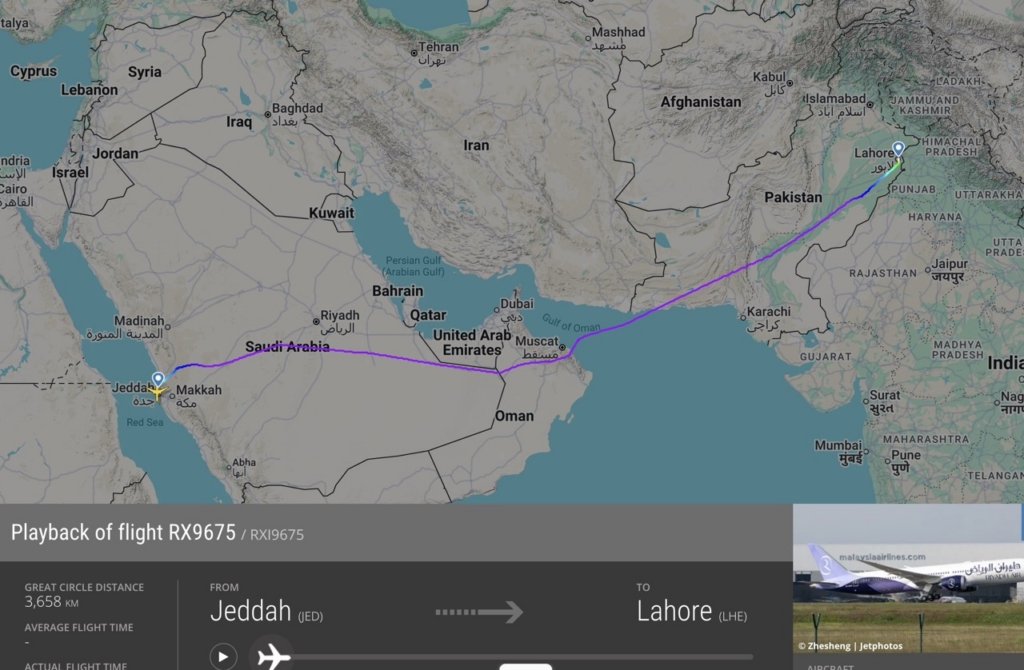
The movements allow the airline to protect valuable new aircraft while its home airport remains subject to security restrictions. But the relocations also present operational challenges. Airlines must secure parking space, flight crews, maintenance support and permission to operate at alternative airports.
Aircraft evacuation reduces exposure to further strikes
As of midday 14 October, there were 38 aircraft remaining at Riyadh airport, compared to 134 aircraft on 8 October, or 96 fewer aircraft on the ground, according to Flightradar24 figures reported by The Wall Street Journal.
The attacks have also disrupted international services. Lufthansa and Air India suspended flights following the 8 October strike. Etihad Airways and Qatar Airways cancelled multiple services following Saturday’s attack.
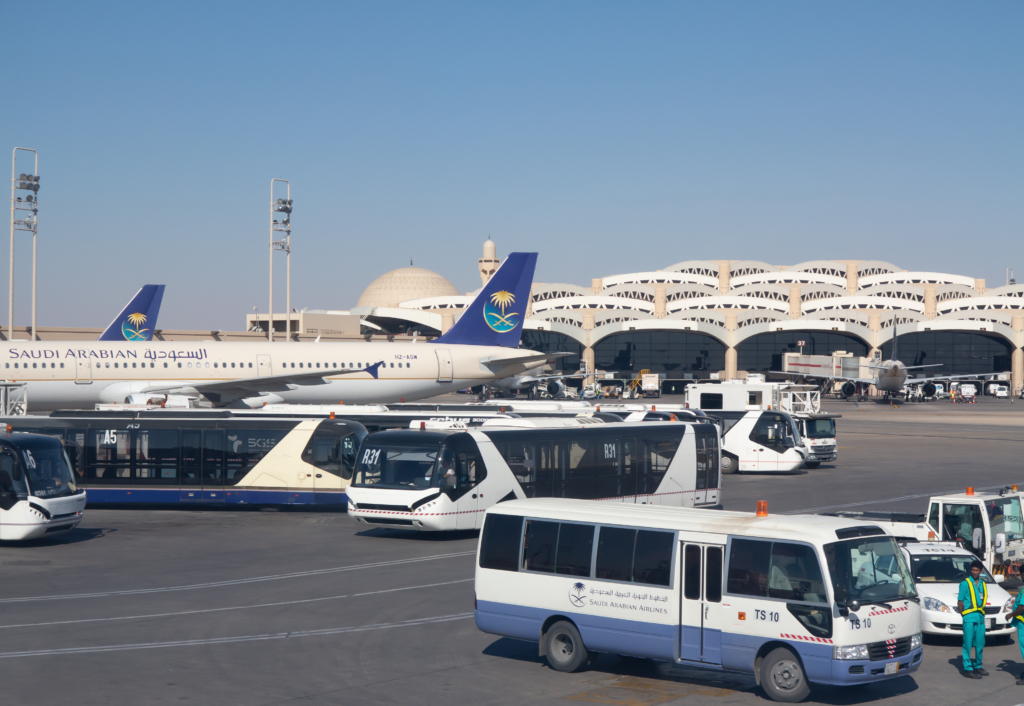
King Khalid International Airport is expected to remain closed until midnight on Sunday, 18 October, according to the latest closure information.
Saudi authorities are investigating how the attacks penetrated the country’s air defences.
Associated Press reporting indicates that the Houthi forces used drones as well as cruise and ballistic missiles.
Aircraft damage raises insurance concerns
The loss of one aircraft and damage to five others could increase insurance costs for Saudi airlines.
Saudia, Riyadh Air and flyadeal are due to renew their aviation war-risk insurance policies next month, according to The Wall Street Journal.
War-risk cover protects aircraft owners against specified losses resulting from armed conflict, including missile strikes, subject to the terms of individual policies.
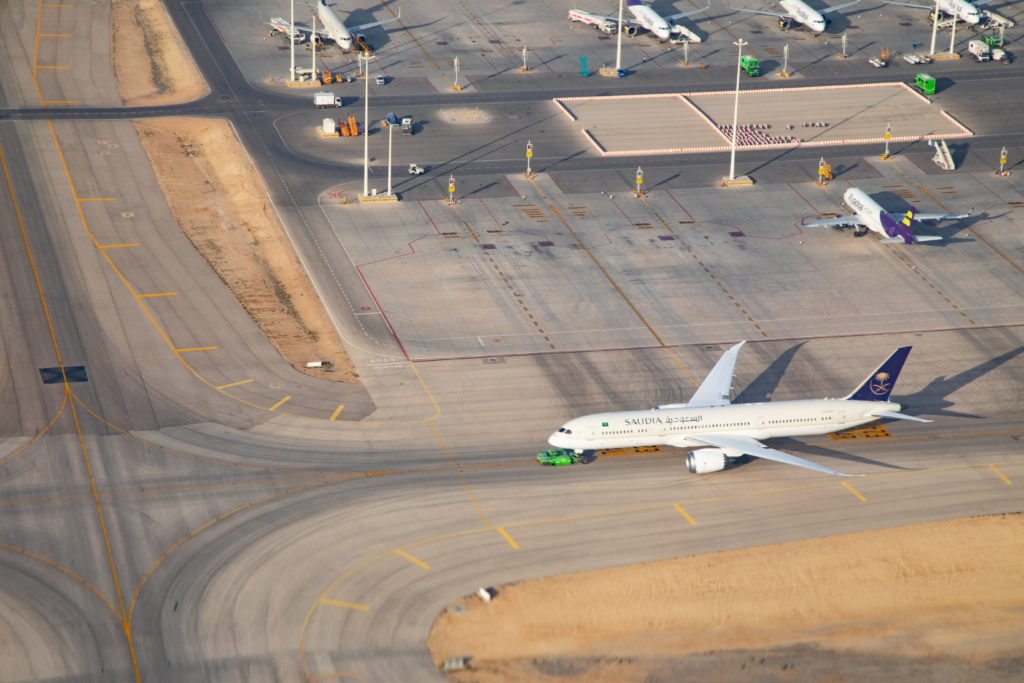
Aircraft parked close together at major airports are of concern for insurers because a single attack can damage several valuable assets simultaneously.
Marcos Alvarez, managing director at Morningstar DBRS, told The Wall Street Journal that the concentration of aircraft at busy airports creates the potential for substantial insured losses
“A single strike on a busy hub could cause exactly the kind of concentrated loss war insurers fear most,” the Wall Street Journal quotes Alvarez as saying. “The Saudia aircraft destroyed in Riyadh shows that the real exposure is on the ground.”
The recent attempted hijacking of a flydubai aircraft by its co-pilot has also increased the likelihood of higher insurance premiums for carriers, according to the Wall Street Journal.
The extent of damage to five of the aircraft will determine the eventual cost to insurers. Repairs to relatively new aircraft could involve substantial structural inspections and replacement components. The destroyed A320 is a total loss.
Sign up for our newsletter and get our latest content in your inbox.


More from


October 13, 202612 min read






