Retired KC-10 Extender tankers could get a new lease of life for a North African carrier

4 min read
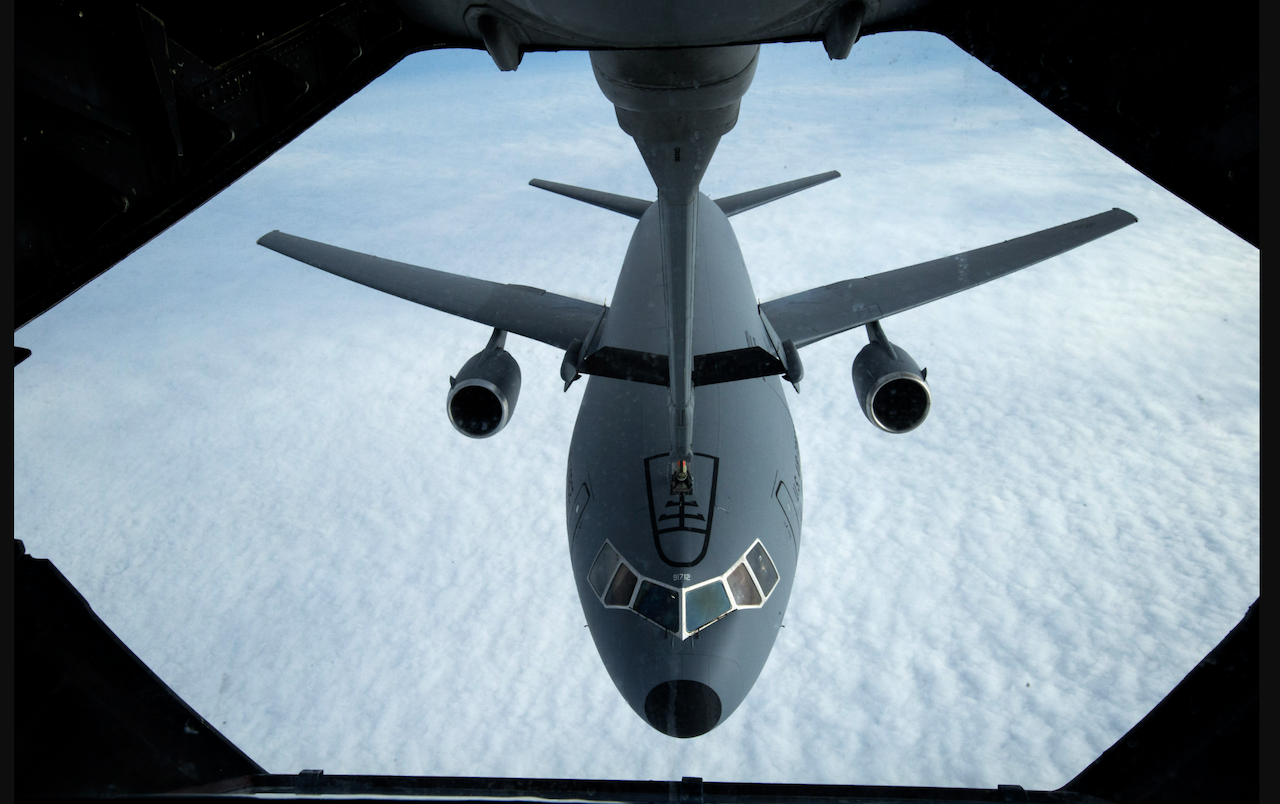
Four aircraft mothballed in the Arizona desert could be reactivated for an undisclosed partner nation, as a fifth takes to the skies under private ownership
The US Air Force (USAF) is exploring whether it can return four KC-10 Extender tankers to service for a ‘partner nation’ in North Africa.
What we know about the possible re-entry into service for four KC-10s
The USAF Life Cycle Management Center (AFLCMC) posted a SAM.gov notice on 27 October seeking information from companies capable of regenerating up to four Boeing KC-10A Extender aerial refuelling aircraft, currently in storage. The USAF has not specified which North African partner nation the recipient might be, but Egypt and Morocco are likely candidates.
The notice clarifies that the Request for Information (RFI) is issued solely for “information and planning purposes”. It is not a Request for Proposal (RFP) or a promise to issue an RFP in the future.
It says the aim is to “identify potential industry sources that possess the capability, expertise, and facilities to execute the regeneration, one-time flight clearance, depot-level return to service, worldwide ferry delivery, in-country Contractor Logistics Support (CLS), and operational/ maintenance training for up to four KC-10 Extender aircraft transferred via Excess Defense Articles (EDA) to a partner nation in North Africa.”
The programme is described as a Foreign Military Sales (FMS) effort for the “purchase of four air refuelling aircraft” with a three-to-five-year sustainment package, contractor logistics support and training.
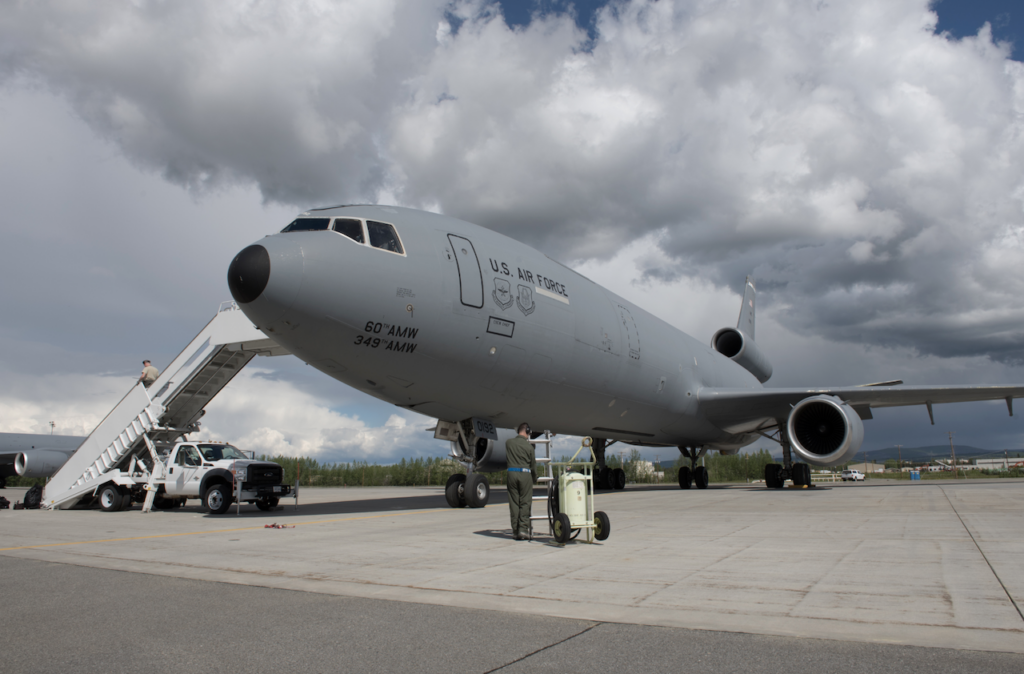
The four tankers were retired in 2024 and flown to the aircraft boneyard at Davis-Monthan Air Force Base in Arizona.
A second life already under way
The notice follows another KC-10A leaving the desert earlier this month. The tanker previously designated 86-0034, departed Davis-Monthan on 20 October to begin a new life under private ownership with US-based Omega Air Refuelling. It was the first confirmed flight of a retired USAF KC-10 under civilian ownership. The aircraft had been in storage since May 2023. In total, Omega Air has registered 10 former USAF tankers.
Why the re-emergence of the KC-10 matters
Tankers are in short supply. Aerial refuelling extends the range, endurance and flexibility of every other aircraft in an air force. Few countries operate large tankers, and new build aircraft are not only expensive but slow to deliver. A proven, low-cost airframe can give an air force a capability it might not otherwise have.
The USAF puts the KC-10s unit cost at US$88.4 million. Transfers through the EDA programme typically cost the recipient far less than buying new, though regeneration, support and training would add to the bill.
The USAF completed the retirment of its fleet of KC-10s in 2024 as the newer KC-46 Pegasus enters service. However, interest from a foreign operator and private owner signals a market for the type, whether for militaries or contractors.
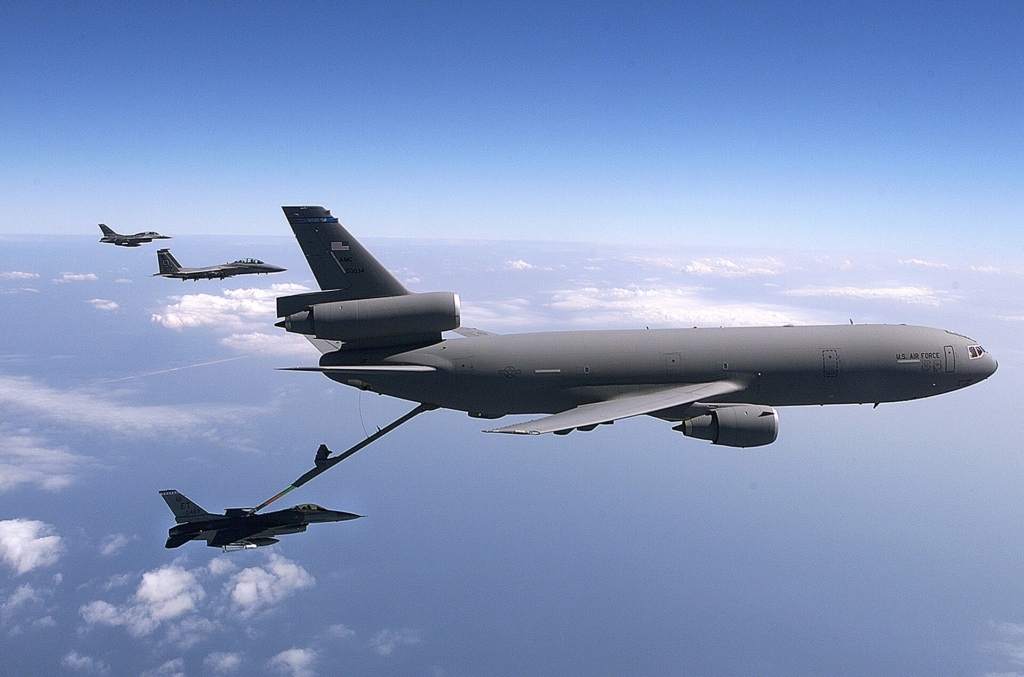
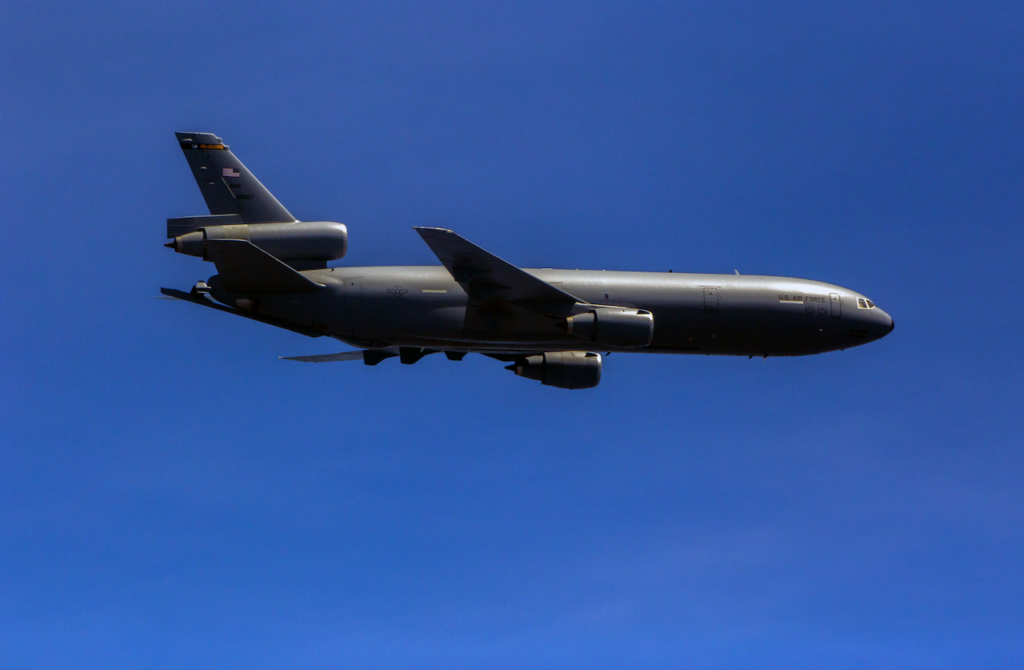
A militarised McDonnell Doulgas DC-10, the KC-10 was adapted for the Air Force. Sixty were built for the Air Force, entering service in 1981. It retains about 88% of systems commonality with the DC-10. It was designed as an advanced tanker and cargo aircraft, able to refuel fighters while carrying their support personnel and equipment on overseas deployments. It can also be configured for aeromedical evacuation, carrying litter and ambulatory patients on patient support pallets.
KC-10 at a glance
- Capacity to transport up to 75 people and more than 76,000 kg of cargo over around 7,000km unrefuelled.
- It features six tanks with a combined capacity of more than 160,200kg – Three in the wings and three under the cargo floor (one under the forward lower cargo compartment, one in the centre wing and one under the rear compartment.
- Typically the KC-10 is flown with four crew (pilot, co-pilot, flight engineer and boom operator). On aeromedical evacuation missions, an additional crew of five (two flight nurses and three medical technicians) is added.
- Aerial refuelling is done using an advanced refuelling boom, or a hose and drogue centerline refuelling system.
- The aircraft is equipped with lighting for night operations.
What happens now?
Nothing is certain yet. An RFI doesn’t commit the USAF to a contract, and the recipient has yet to be confirmed. But the possibility of the aircraft returning to service in North Africa underlines the continuing value of older tanker aircraft in a world where aerial refuelling remains essential to military aviation.