The most feared aircraft of WWII, and how each side learned to beat them

6 min read
The aircraft most feared during WWII evolved over time as technology and tactics changed.
For example, at the time of the US entry into the war, the Japanese Mitsubishi Zero was feared, but by the end of the war, it was completely outclassed by more advanced US designs, and the US had learned to exploit its weaknesses.
Feared German WWII aircraft
There is a case to be made that the most feared German aircraft emerged in the early and mid stages of the war.
The Junkers Ju 87 Stuka, with its Jericho trumpet sirens, was deliberately designed to induce panic and fear. In early campaigns such as the Battle of France, Allied troops reported that its attacks were psychologically paralysing.

The Messerschmitt Bf 109 was fast, had an excellent climb rate, and became famous during the Battle of Britain, although the RAF was able to match it with the Spitfire. It was the second most-produced fighter of the war.
In the mid-war period, the Focke-Wulf Fw 190 was shocking to RAF pilots who found it comprehensively superior to the Spitfire Mk V. Much of that fear was driven by the element of technological surprise, but the Allies managed to overcome its advantages.
By the end of the war, the world’s first mass-produced jet fighter, the Messerschmitt Me 262, entered service. At first, it was concerning for the Allies. However, air superiority depends on more than simply having the most advanced aircraft.
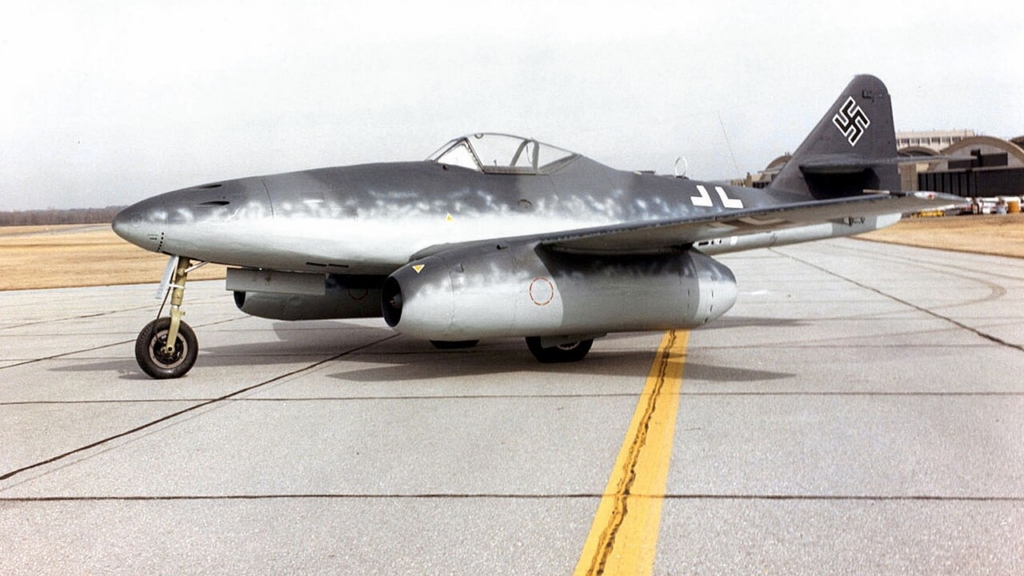
By this stage, Germany could no longer train pilots effectively or sustain aircraft production at scale, particularly due to shortages of high-quality fuel.. In practice, the Allies adapted by denying air battles and then destroying them on the ground.
Feared British WWII aircraft
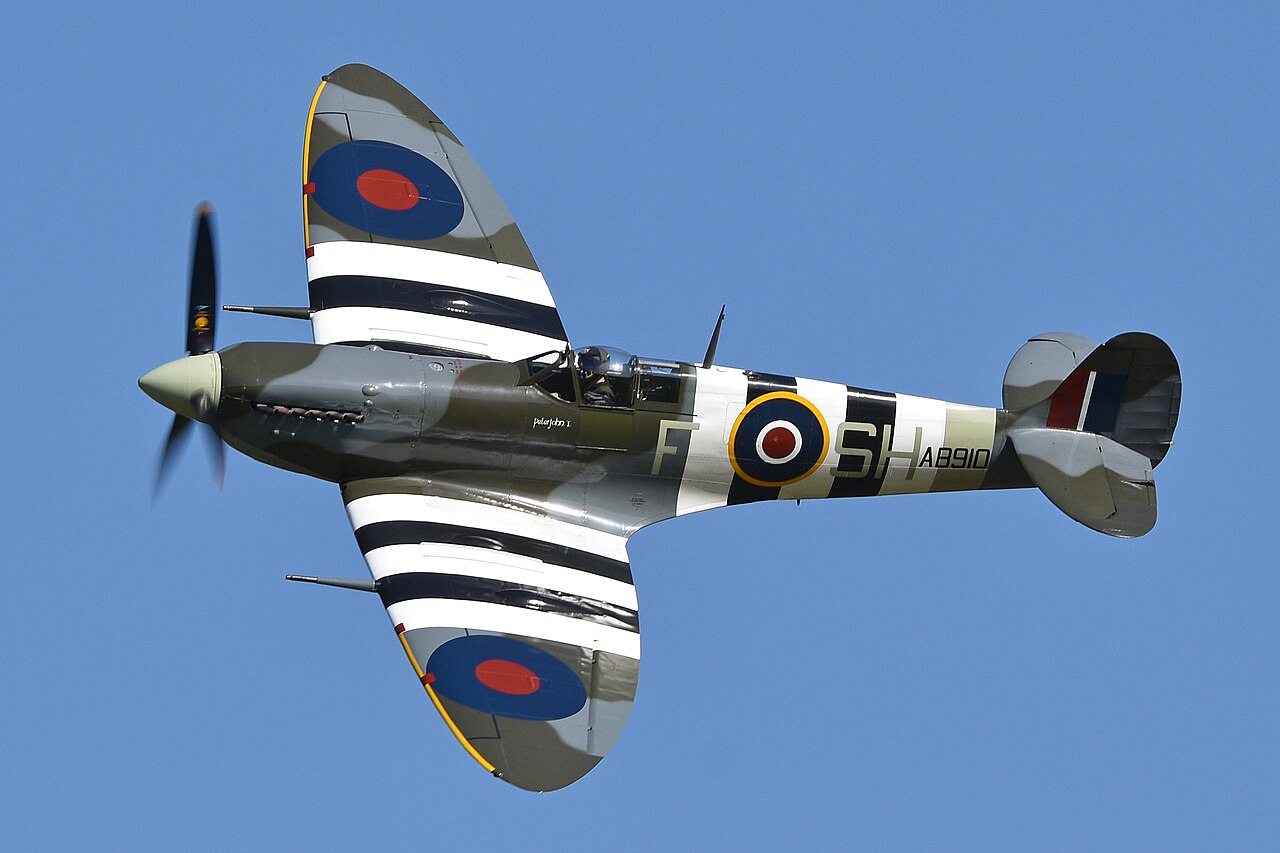
The most iconic British fighter of the war was the Supermarine Spitfire. While the Spitfire was one of the few aircraft to remain in production from the beginning to the end of the war, its heyday was the early and mid phases.
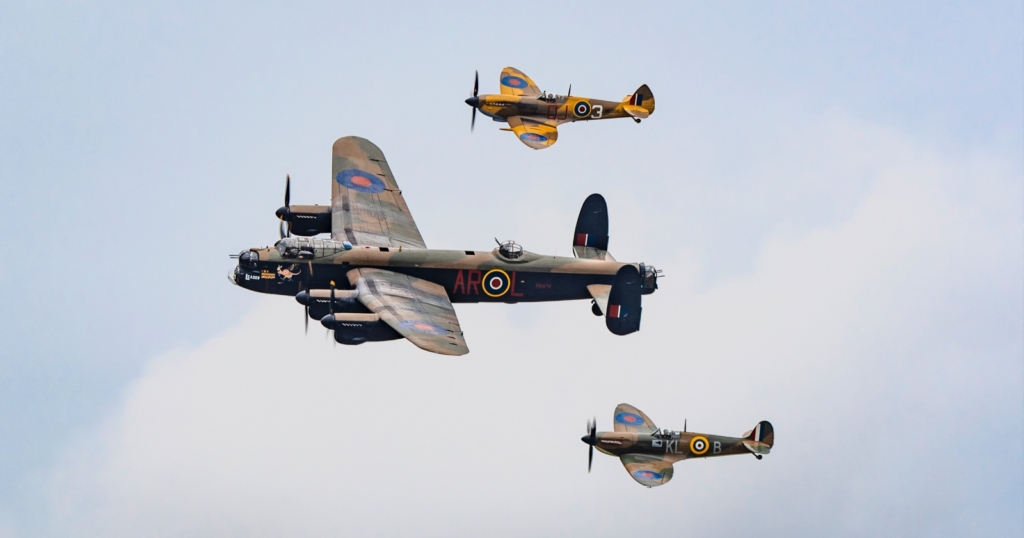
Luftwaffe pilots regarded the Spitfire as the most dangerous RAF fighter during the Battle of Britain.
During the Battle of Britain, the Hawker Hurricane was the most numerous aircraft under RAF Fighter Command. It is credited with destroying 656 German aircraft during the battle.
While American bombers would come to dominate later in the war, earlier, it was the British Avro Manchester, Handley Page Halifax, Short Stirling, and Avro Lancaster bombers that brought the fear of strategic bombing to Germany.
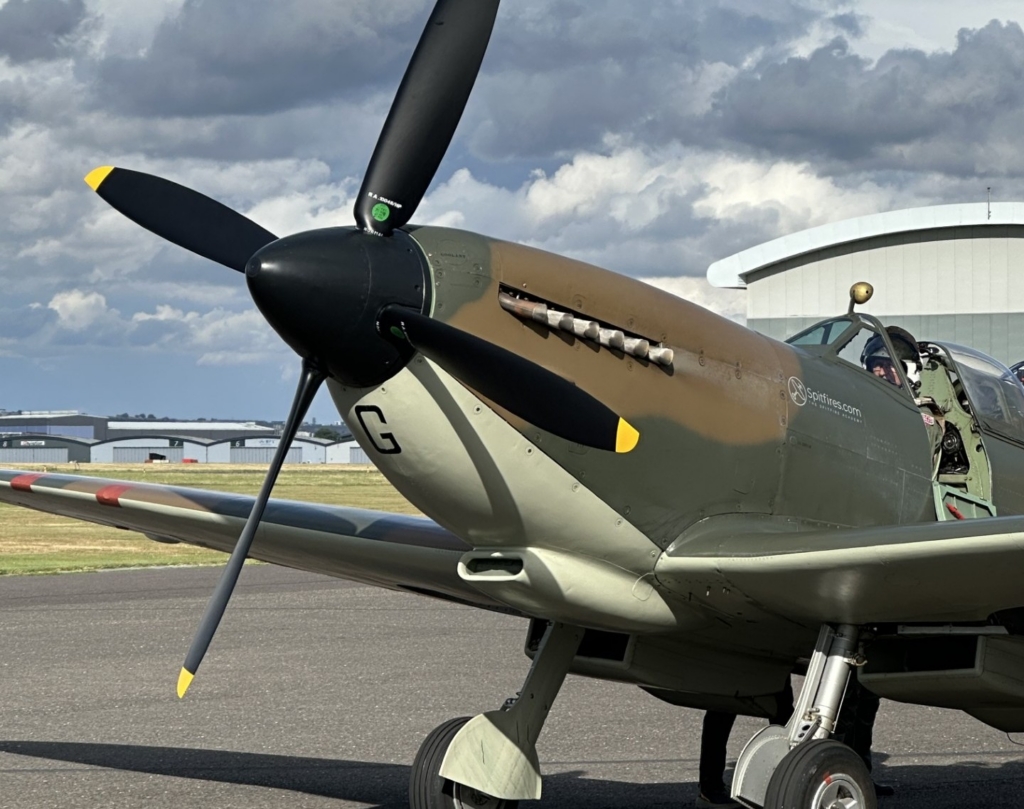
Other notable RAF aircraft included the Boulton Paul Defiant, De Havilland Mosquito, Hawker Typhoon, and the Bristol Beaufighter.
The RAF became the second country to introduce jet fighters with the Gloster Meteor, but it entered the war too late to make a major difference.
Feared American WWII aircraft
The United States developed many impactful combat aircraft during WWII, with some having a greater impact in the Pacific Theatre, while others were more present in Europe.
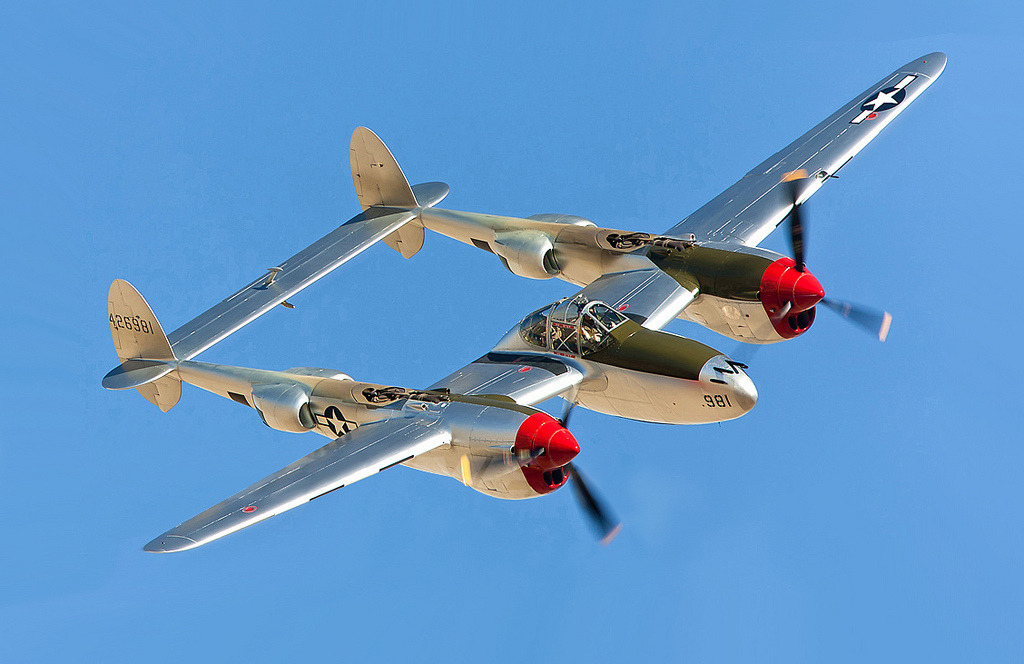
One of the top aircraft was the Lockheed P-38 Lightning, which the Luftwaffe called the “Der Gabelschwanz Teufel” or “Fork-Tailed Devil.” The aircraft boasted exceptional range and was the aircraft most of America’s top aces flew.
Most produced aircraft of WWII:
- Ilyushin Il-2 Sturmovik: 36,183 (Soviet Union)
- Messerschmitt Bf 109: 33,984 (Germany)
- Supermarine Spitfire: 20,351 (United Kingdom)
- Focke-Wulf Fw 190: ~20,000 (Germany)
- Consolidated B-24 Liberator: 18,493 (United States)
- Republic P-47 Thunderbolt: 15,660 (United States)
- North American P-51 Mustang: 15,586 (United States)
- Junkers Ju 88: ~15,000 (Germany)
Another feared American aircraft was the North American P-51 Mustang. According to the Military Aviation Museum, when Hermann Göring first saw P-51s escorting bombers over Berlin, he said: “When I saw Mustangs over Berlin, I knew the jig was up.” The quote came from post-war interrogations.
For Germany, the B-17 and B-24 bombers flattened their cities, while the B-29 Superfortress entered service too late to bomb Germany. Instead, it wreaked havoc on Japanese cities before dropping the nuclear bombs on Hiroshima and Nagasaki.
The US Navy Douglas SBD Dauntless managed to sink an impressive six Japanese aircraft carriers early in the Pacific War, but it was soon replaced by more advanced aircraft like the Vought F4U Corsair. The Corsair boasted an 11:1 kill ratio.
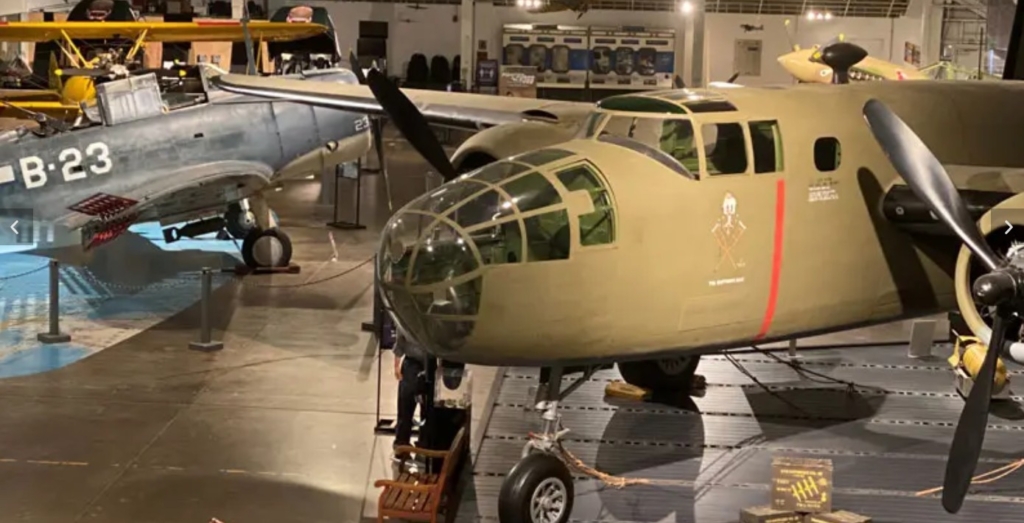
Other notable US fighters included the P-47 Thunderbolt, the F6F Hellcat, and the Curtiss P-40 Warhawk. While not feared in the same way as frontline fighters or bombers, one of the most consequential Allied aircraft was the Douglas C-47 Skytrain, based on the DC-3 passenger aircraft. After all, logistics wins wars more reliably than fighter planes.
Get the latest aerospace defence news here on AGN.
Feared Japanese WWII aircraft
Early in the war, the Mitsubishi A6M Zero was among the most feared aircraft of US Navy pilots. Early accounts in the Pacific describe it as being extraordinarily manoeuvrable, with American pilots sometimes thinking of it as being unbeatable in dogfights.
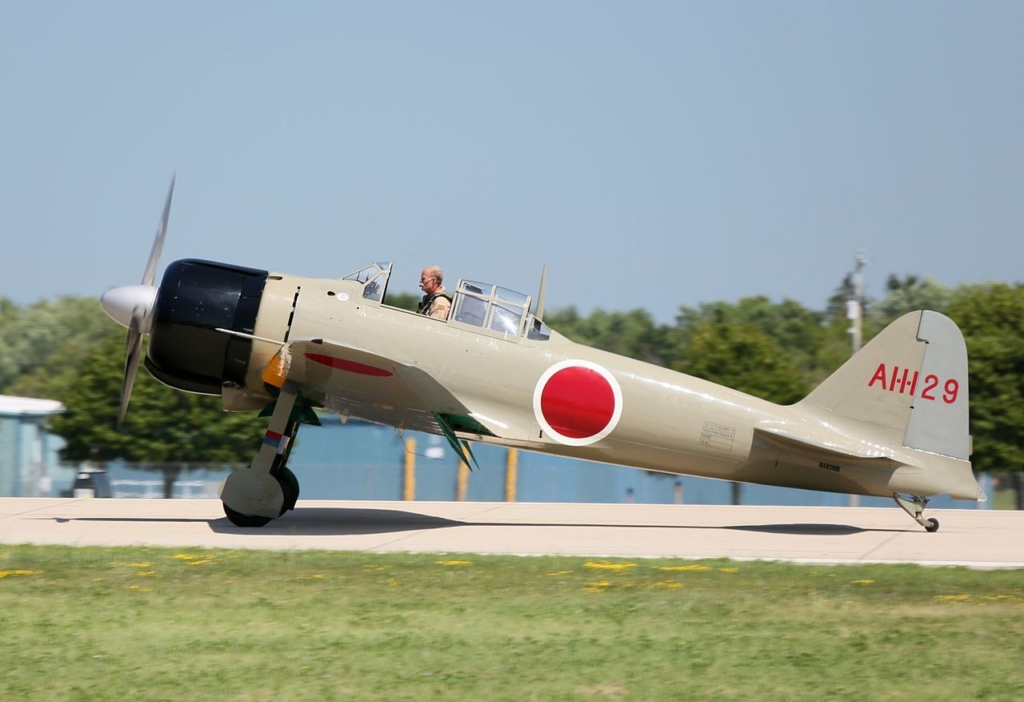
But the Zero was made with design weaknesses that the Allies countered with ‘boom-and-zoom’ tactics, and after 1942, the aircraft was outclassed.
Japanese military aircraft development quickly fell behind that of the United States, and it was unable to replace attrition amongst its highly trained pilots, unlike the United States.
This culminated in the ‘Great Marianas Turkey Shoot’ at the Battle of the Philippine Sea as US aviators and their aircraft completely outmatched those of the Japanese.
By the end of the war, US forces were most concerned about Japanese kamikaze attacks. These were often with very primitive aircraft designed for a one-way mission.
Other feared aircraft of WWII
There were other feared aircraft of WWII that are often overshadowed. One of the most famous and numerous was the Ilyushin Il-2 Sturmovik that appeared later in the war. It was feared by German ground forces and was designed to take on infantry and armour.
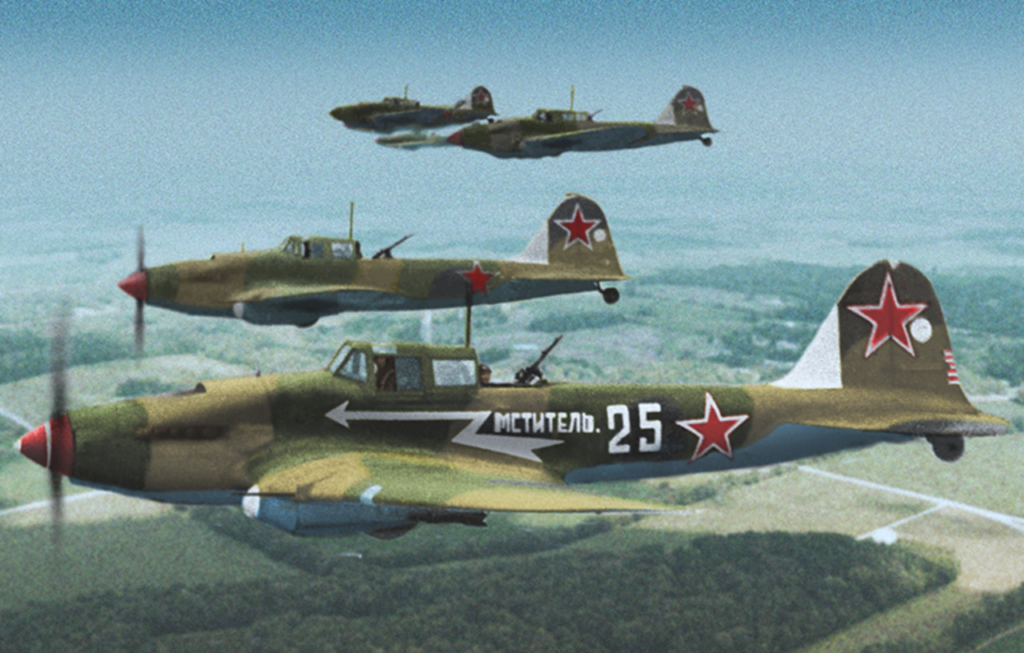
That said, the Red Air Force performed poorly during the early and mid stages of the war, with the German Luftwaffe still achieving local air superiority in the skies as late as summer 1943 during the Battle of Kursk.
The Red Air Force only became dominant in 1944 after it received extensive British and American aid (including high-octane kerosene), after the RAF and USAAF had attrited the Luftwaffe and diverted its attention. Other deciding factors were the delivery of thousands of aircraft to the USSR and the massive Soviet production of fighters.
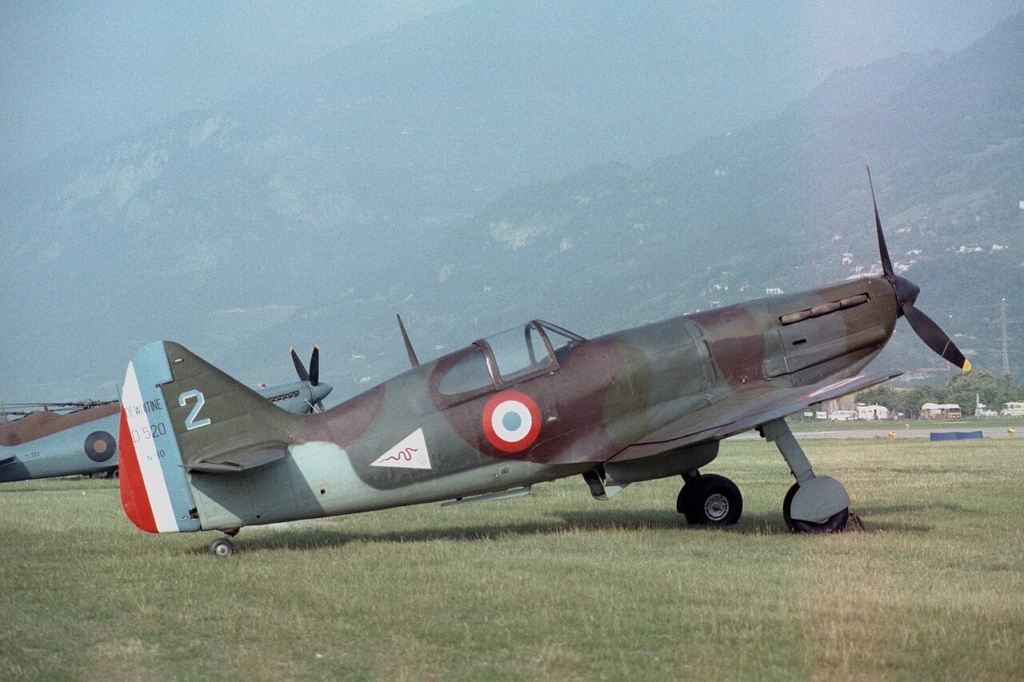
Forgotten now, but the French and Italian air forces also had excellent aircraft. One of the best French aircraft was the Dewoitine D.520, but it was largely removed from the fight after the Fall of France in 1940.
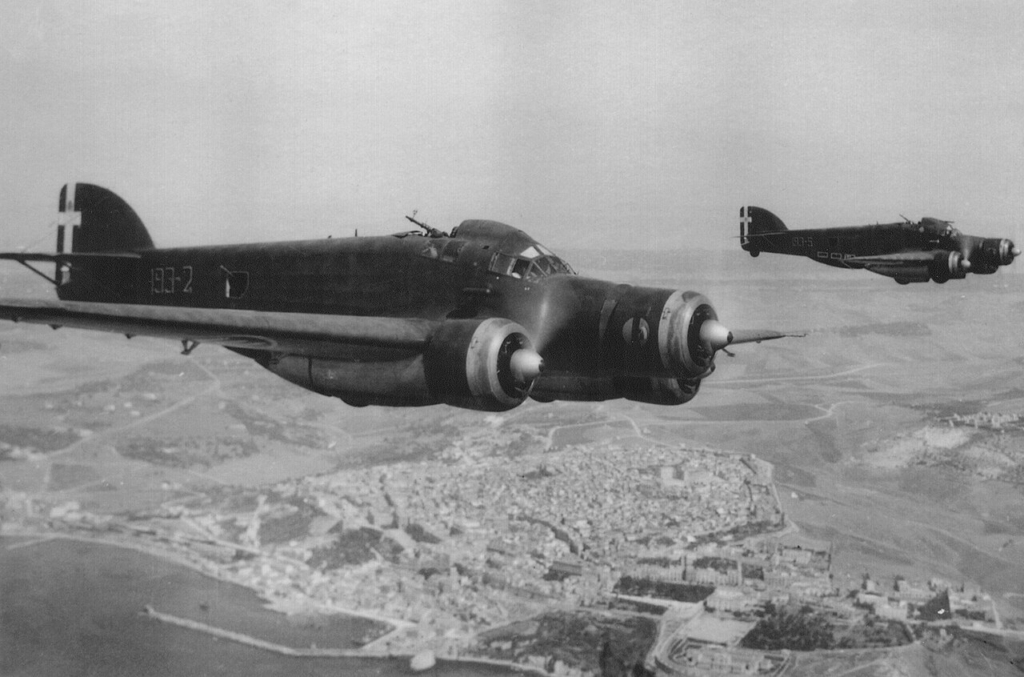
Italian aircraft are particularly underrated in modern narratives due to the poor performance of Italy overall and its early exit. Even so, the Savoia-Marchetti SM.79 Sparviero trimotor medium bomber was widely feared by Allied naval forces early in the conflict.
Other well-performing Italian aircraft included the Macchi C.202 Folgore and even the ageing Fiat CR.42 Falco biplane early in the war during Italy’s contribution to the Battle of Britain.
One other aircraft worth mentioning is the Brewster F2A Buffalo (Finnish B-239 variant) that claimed an extraordinary kill ratio over Soviet forces during the Continuation War.
Ultimately, what made an aircraft ‘feared’ was not just its performance, but how effectively it was used, and how quickly its opponents learned to counter it.
Featured Image: Alan Wilson / Wikimedia Commons
Sign up for our newsletter and get our latest content in your inbox.


More from


October 17, 20264 min read