South Korea prepares first KF-21 delivery as four export campaigns gather pace

4 min read
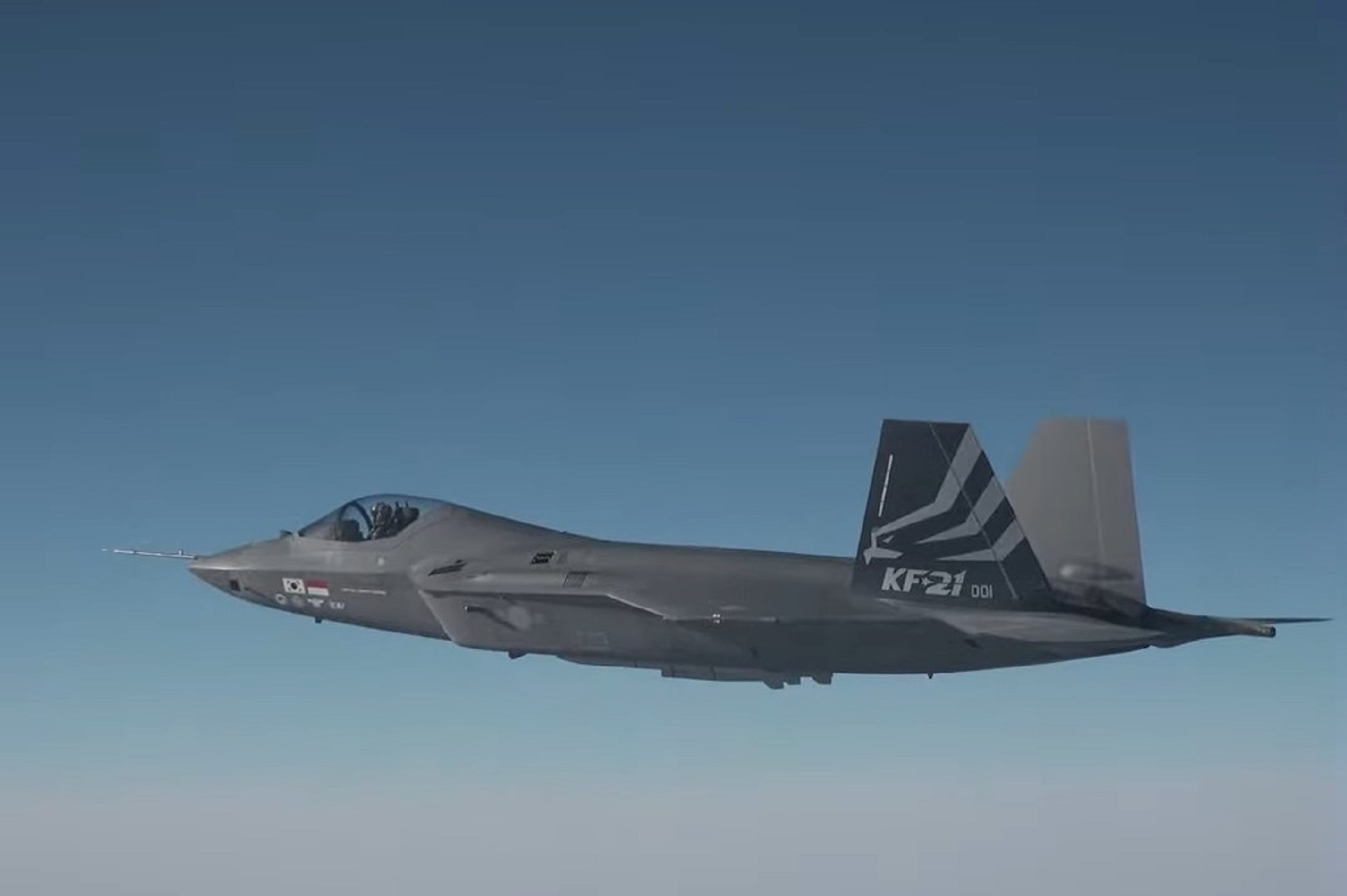
South Korea is gearing up to deliver its first serial-production KF-21 fighter jet to its air force and to hold a ceremony with Indonesia marking the completion of the programme.
South Korea to celebrate completing the KF-21 programme
South Korea’s Seoul Economic Daily has reported that four potential export customers are at various stages of discussions to purchase the new KF-21 “Boramae” fighter jet.
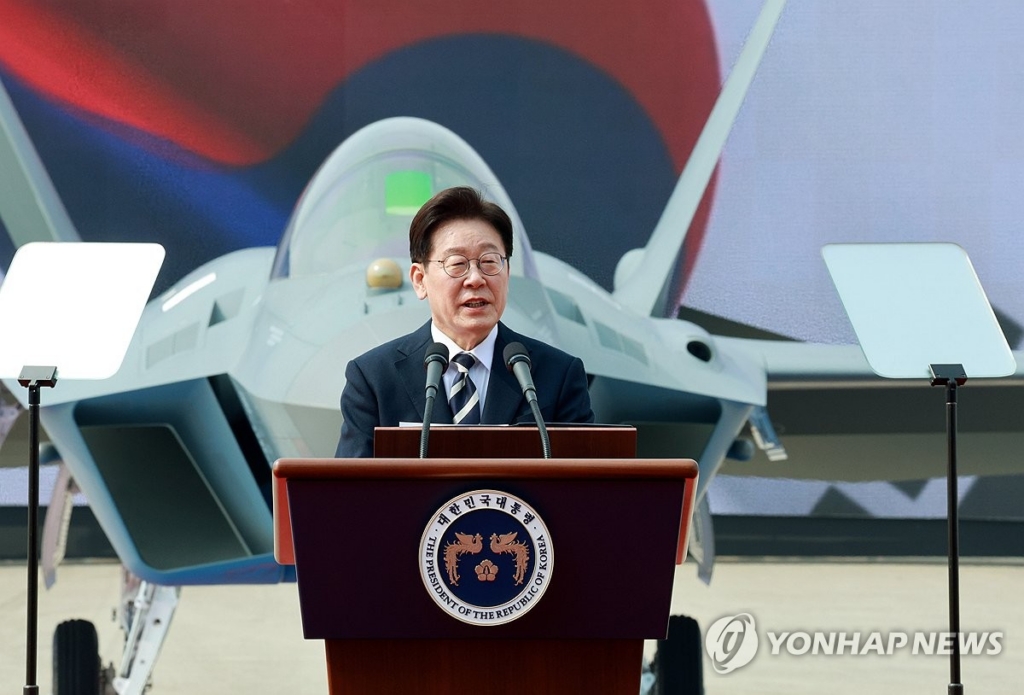
The aircraft is now set to enter service with the Republic of Korea Air Force after around 10 years of development. This is a very fast development timeline for a modern fighter.
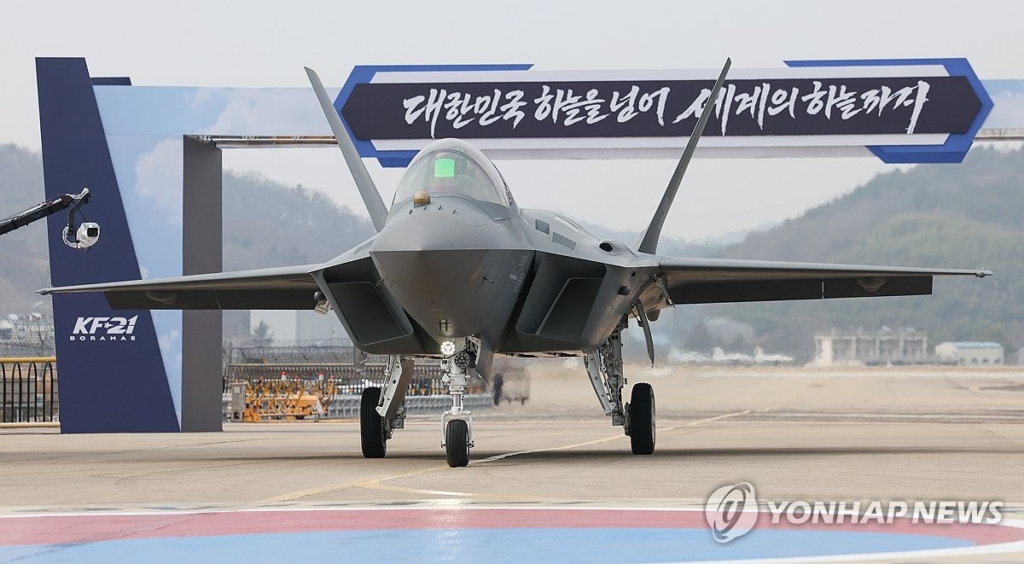
The first serial-production example was rolled out in March 2026, and the first serial-production unit is to be delivered to the ROK Air Force in September. Korea Aerospace Industries (KAI) plans to hold a “Ceremony Marking the Completion of KF-21/IF-X System Development.”
Eyes are now on the export potential of the KF-21, which, although immature, benefits from the KA-50 laying some groundwork, geopolitical issues making US, Russian, and Chinese fighter jets problematic for many countries, and large backlogs for potential rivals like the Rafale.
Get the latest aerospace defence news here on AGN.
The four potential KF-21 export customers
Indonesia is considered the most promising initial export customer. The country initially pledged to contribute 20% of the development cost to the Block 1 development, but financial struggles saw Indonesia struggle to meet the payments, and its contribution was reduced to 7.5%.
AGN reported that part of Indonesia’s compensation is to receive one of the prototype aircraft. It had been expected to order 48 KF-21s, but now the number is estimated at 16. Indonesia is creating a veritable menagerie of fighter jets and has taken delivery of its first Rafales in early 2026.
The UAE, the Philippines, and Malaysia are the other leading export potential candidates. The Philippines is working to establish a fighter jet capability of 12 to 20 multirole fighters. It already operates the Korean FA-50 light fighter, making the introduction of the KF-21 easier.
Malaysia has a fleet of F/A-18 legacy Hornets and Russian Su-30 Flankers. The US’s CAATSA makes it infeasible to acquire new Russian fighters, while plans to acquire ex-Kuwaiti Hornets appear to have fallen through.
The country is reported to be considering purchasing around 30 KF-21s as part of its next-generation multi-role combat aircraft (MRCA) programme.
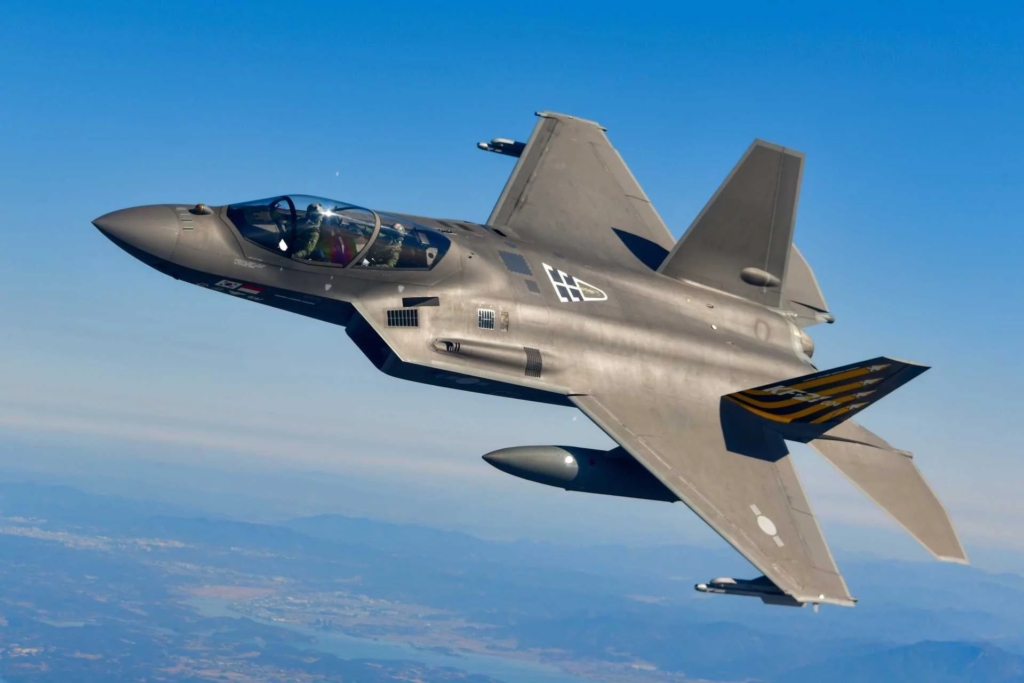
In May 2025, the UAE’s deputy defense minister and air force and air defense commander boarded a prototype KF-21 and flew, triggering speculation it would order the jet.
The UAE currently has a complicated relationship with France, and is purchasing upgraded Rafale F4s to replace its aging Mirage 2000s. An earlier 2020 deal to purchase 50 F-35As collapsed, while the Gulf State has also flirted with purchasing Chinese jets, possibly as a negotiating tactic.
An impressive start to the KF-21 programme
In May, KAI President Kim Jong-chul stated: “more than 200 units of the KF-21 are currently in export talks.” If even a fraction of these orders are realized, that would be a major success for the programme compared with some other fighter jets when they first debuted on the export market.
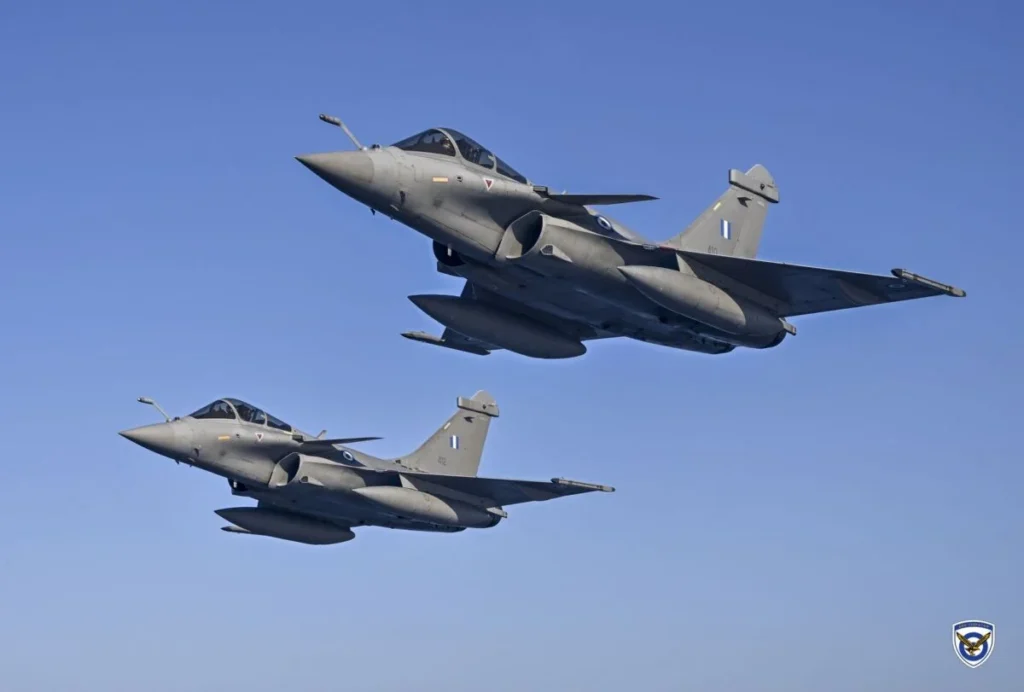
For reference, Saab failed to export any of its initial Gripen A/B fighter jets and then only sold 62 Gripen C/D aircraft in the first decade of the programme (1999 to 2008).
Of these, only 34 were newly built for export customers (South Africa and Thailand). Hungary and the Czech Republic instead leased aircraft drawn from the Swedish Air Force’s fleet.
The first decade was even worse for the now-popular Dassault Rafale, which had no export sales in the first decade (2001 to 2010). The more recent Russian MiG-35 (upgraded derivative of the MiG-29) has also failed to attract a single export order.
The 1990s and early 2000s were marked by the post-Cold War “peace dividend”, when many countries reduced defence spending and large numbers of surplus Cold War fighters became available on the second-hand market.
| Select 4.5th gen fighter jets | Approx. annual production |
| KF-21 (target) | 30+ |
| Rafale | ~25–30 |
| Gripen | <20 |
| Eurofighter | ~14–20 |
| F-15EX | ~18–24 |
| F-16 Block 70 | ~16–20+ |
| Su-35 | Perhaps 10-20+ |
Now is a period of heightened security concerns, with countries arming. Russia has been largely removed from the export fighter market due to Western sanctions, supply-chain disruptions, payment restrictions, and concerns arising from its war in Ukraine. Meanwhile, a gush of orders has pushed the Rafale’s backlog to almost ten years at current production rates.
Even if the KF-21 is (for now) an immature and risky lower-tier fighter, it offers fewer geopolitical problems. Critically, Korea is aiming for a production rate of 30+ units annually by the late 2020s. That is a higher production rate than current rates of the mature F-15EX, F-16 Block 70, Rafale, Gripen, Eurofighter, and Su-35S fighter jets.
Featured Image: KAI