On this day in history: 107 years since the first scheduled international commercial passenger flight

8 min read
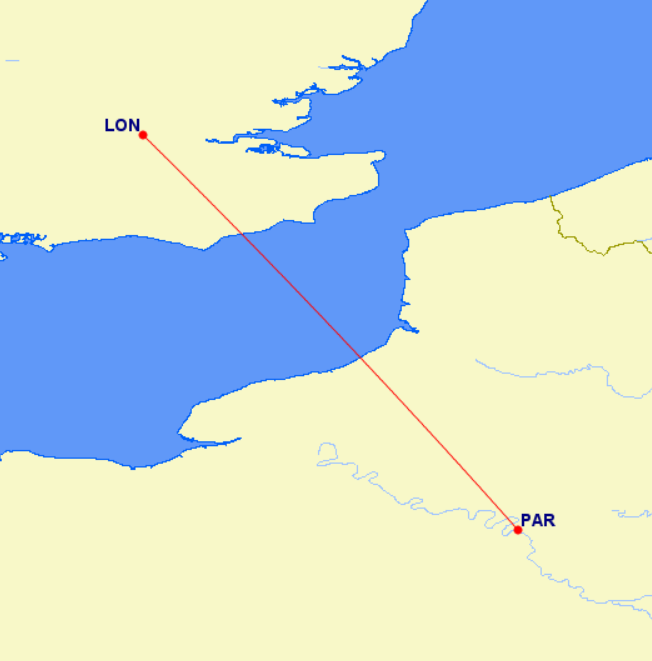
This day in history (25 August) marks exactly 107 years since the first scheduled daily commercial passenger flight, which operated between London and Paris.
Although air services between the two cities are nowadays supplemented by other services offered by express coach, rail and sea operators, flying by air between the two capitals remains the quickest route available to the public.
Despite being just 210 miles apart, numerous flights depart daily on the route, carrying millions of passengers annually, making it one of Europe’s most popular intra-European air routes.
1919: The first scheduled daily passenger flights begin
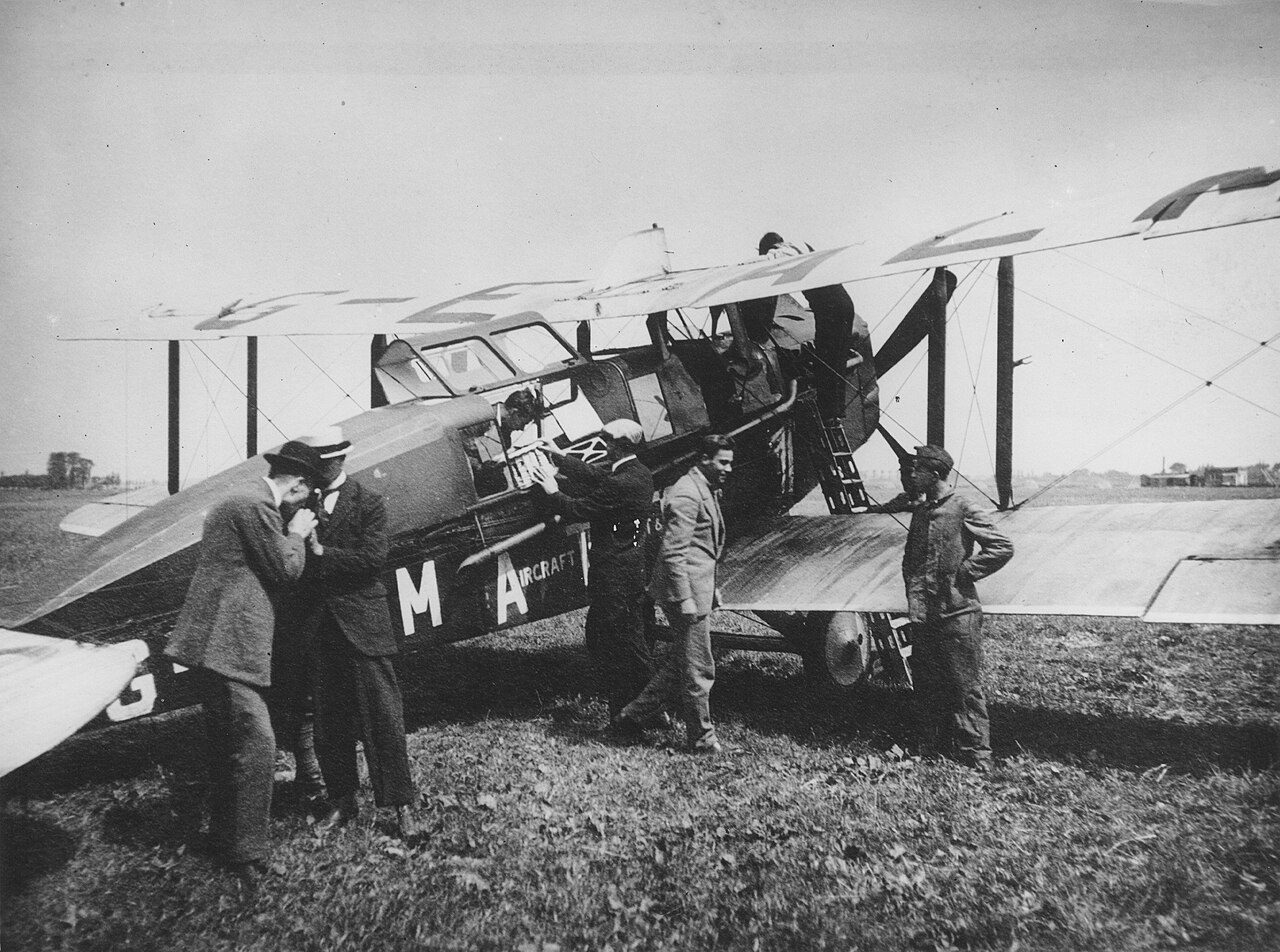
On 25 August 1919, commercial aviation entered a new era. An aircraft left Hounslow Heath, west of London and close to the modern-day Heathrow Airport (LHR), for Le Bourget near Paris, inaugurating what is generally regarded as the world’s first daily scheduled international passenger air service.
The operator was Aircraft Transport and Travel Ltd (AT&T), a small British company whose descendants would eventually form part of the history of British Airways.
The event was less glamorous than the modern idea of an inaugural airline flight might suggest. There were no airport terminals, security queues or purpose-built airliners.
Instead, passengers climbed aboard aircraft adapted directly from First World War bombers, while customs officials dealt with luggage and freight on a rough aerodrome.
Yet the significance of the journey was enormous. For the first time, passengers could buy a ticket for a regular air service connecting two national capitals.
About the aircraft that operated the first flights
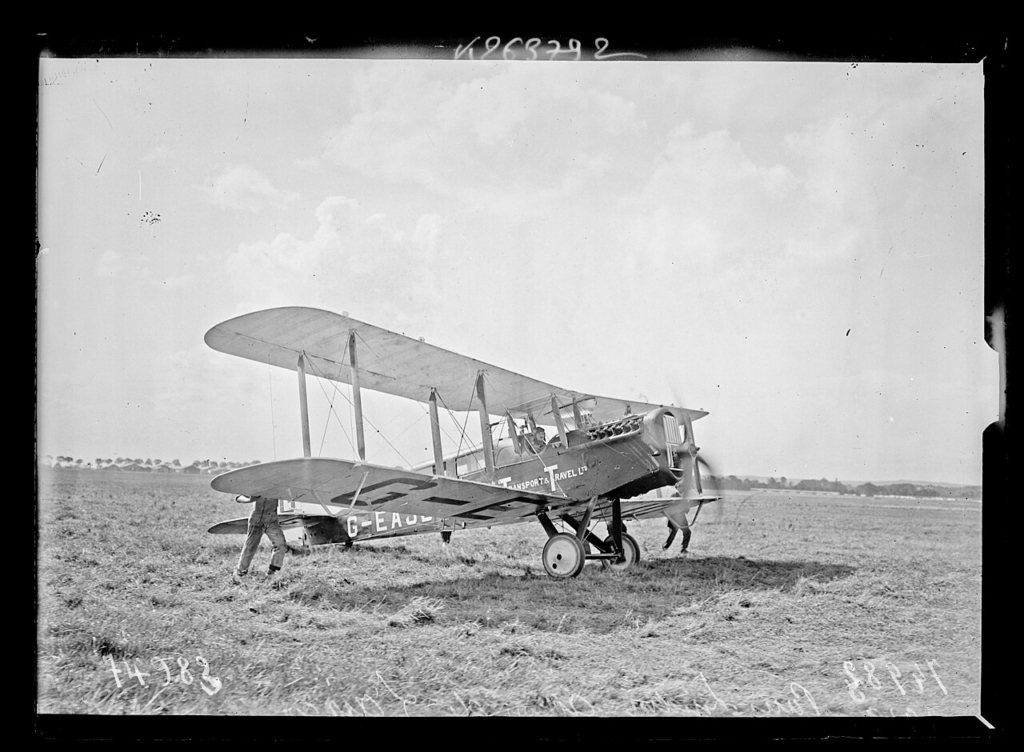
The aircraft most closely associated with the first passenger service was the Airco de Havilland DH.4A, a civilian conversion of the DH.4, a British two-seat bomber designed during the First World War.
AT&T had converted surplus military aircraft for peacetime use, replacing their wartime equipment with space for passengers and freight.
The DH.4A retained the basic appearance of its military predecessor as an open biplane with a powerful engine and a relatively narrow fuselage.
The particular aircraft that made the celebrated first journey was registered as G-EAJC, flown by Lieutenant EH ‘Bill’ Lawford. It left Hounslow Heath at about 09:10 and reached Le Bourget at 11:40 that same morning, making the crossing in roughly two and a half hours.
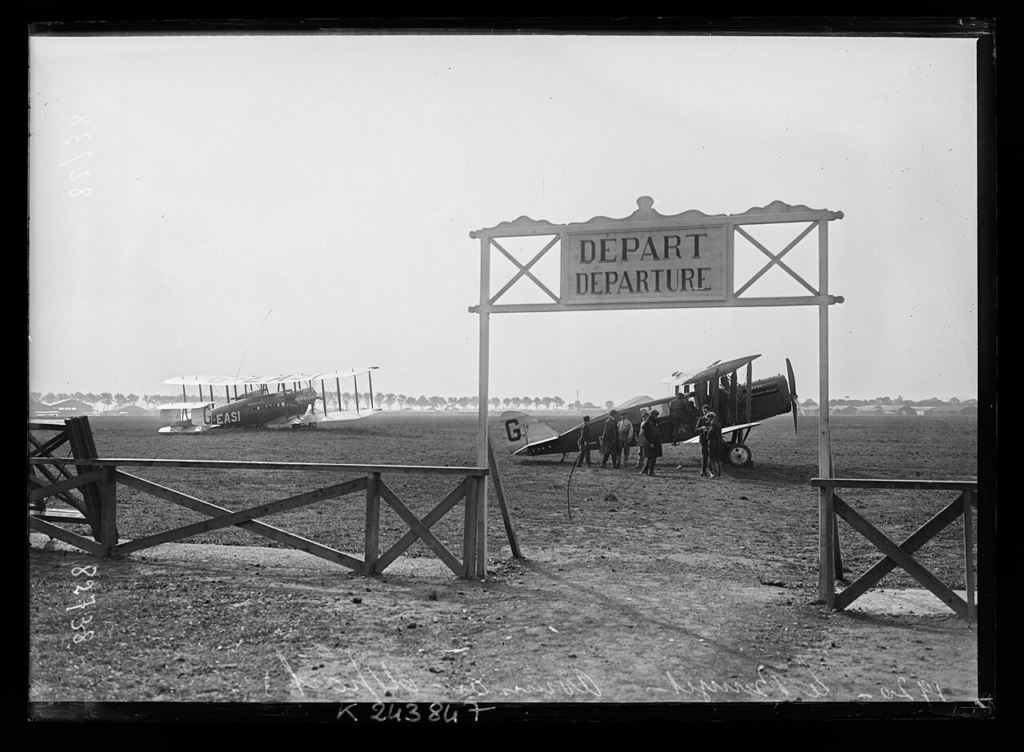
It was fitted with a Rolls-Royce engine and, despite being derived from a bomber, it had been adapted to carry a civilian passenger plus cargo.
However, there is an important wrinkle in the story. Another aircraft, a much larger Handley Page machine, left Hounslow earlier that morning, at about 08:40, carrying eleven passengers, almost entirely journalists, and arrived in Paris shortly after 13:00. However, these were not thought to be revenue-paying passengers.
A third aircraft, an Airco DH.16, left later in the day. Consequently, accounts sometimes differ over which aircraft should be called the “first” London–Paris flight.
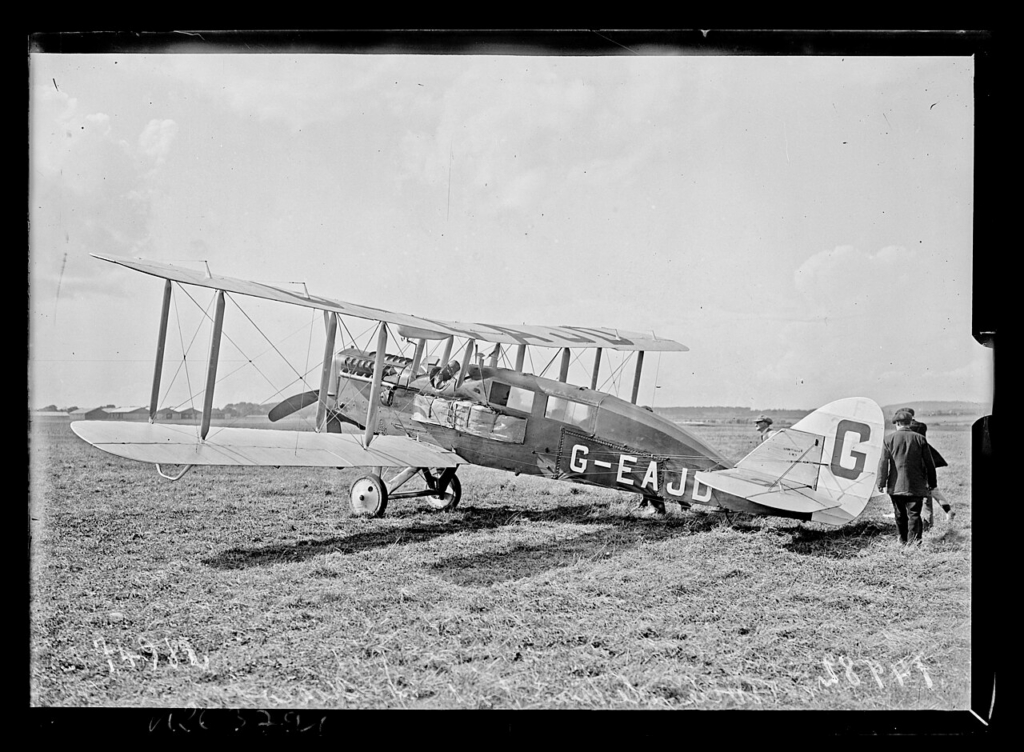
The Handley Page made the first departure of the day, but AT&T’s DH.4A is traditionally credited with carrying the first fare-paying passenger on the first scheduled international airline service, and British Airways traces its origins to that AT&T operation, rather than the Handley Page-operated flight.
Who were the first passengers?
The most famous passenger on the DH.4A aircraft was George M. Stevenson-Reece, a journalist from the Evening Standard. On the DH.4A, he was the sole passenger, although the aircraft was far from empty.
Its other load included newspapers, leather, several braces of grouse, and jars of Devonshire cream destined for Paris.
Stevenson-Reece’s presence was no coincidence. Newspapers understood immediately that aviation was becoming a story in its own right.
His journey gave the Evening Standard an extraordinary opportunity – instead of waiting for the slower ships and trains connecting Britain and France, its reporter could fly across the Channel and write about the experience almost as soon as he arrived.
The Handley Page flight earlier that morning carried a larger group of eleven journalists, including representatives of the press who were there to witness the new service.
Its passenger cabin was considerably more spacious than that of the converted DH.4A. Contemporary descriptions mention comfortable chairs, curtained windows and a silk-lined interior, giving the aircraft an unexpectedly luxurious appearance despite its basic military origins.
Later that day, the AT&T Airco DH.16, piloted by Major Cyril Patteson, flew from Hounslow to Le Bourget carrying four passengers. One of them was Captain Bruce Ingram, editor of the Illustrated London News.
This illustrates how much of the inaugural day’s traffic was made up of journalists, aviation enthusiasts and people connected with the new industry rather than ordinary travellers.
What that first journey was like
For a modern traveller, the experience would have been almost unrecognisable. The journey began at Hounslow Heath, which was an aerodrome rather than an airport in the modern sense. There was very little of the infrastructure we associate with international travel today.
Hounslow was important partly because it possessed the customs facilities required for international flights. Passengers and cargo, therefore, had to be processed before the aircraft could leave Britain.
Once airborne, passengers were exposed to the sights and sensations of early aviation. The aircraft was noisy, relatively small, and subject to the weather.
There was nothing resembling the pressurised, climate-controlled cabin of a modern airliner. The journey could be physically demanding, particularly in poor weather.
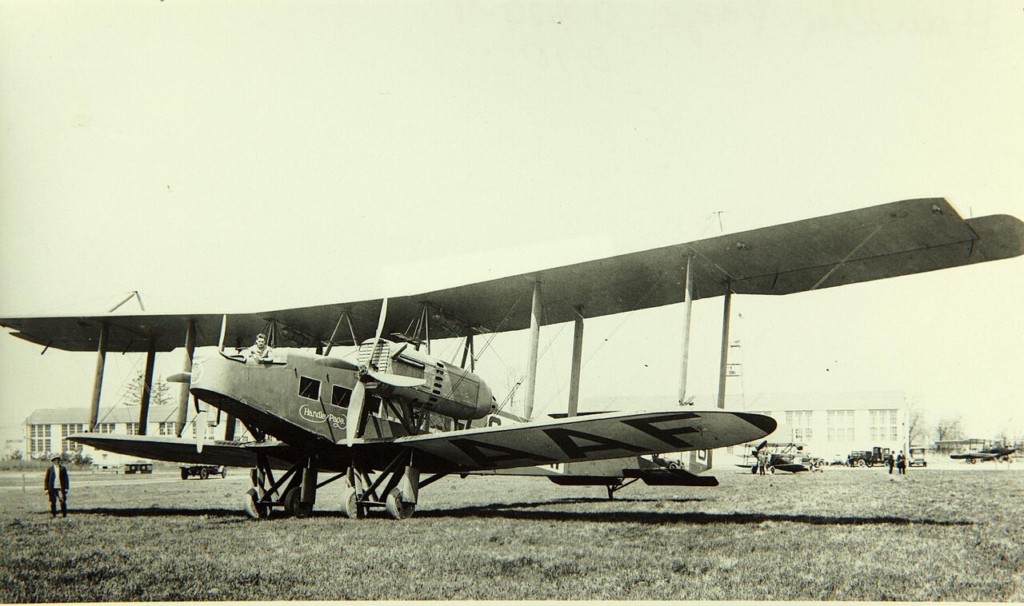
The Handley Page passengers experienced dull and showery weather, according to The Times. The flight was nevertheless described as comfortable overall, although there were some bumps over French territory.
Its cabin, with upholstered or wicker-style seating, curtains and silk lining, was designed to make the experience considerably more civilised than that of a wartime bomber.
The DH.4A offered a much less spacious experience. Its great advantage was not luxury but speed. Before scheduled aviation, travelling from London to Paris meant combining surface transport with a sea crossing.
The aircraft eliminated the Channel crossing and demonstrated that international travel could be accomplished in a matter of hours.
There was also a practical side to the service. The aircraft did not merely carry people. Newspapers, commercial goods, food and other freight travelled alongside the passengers.
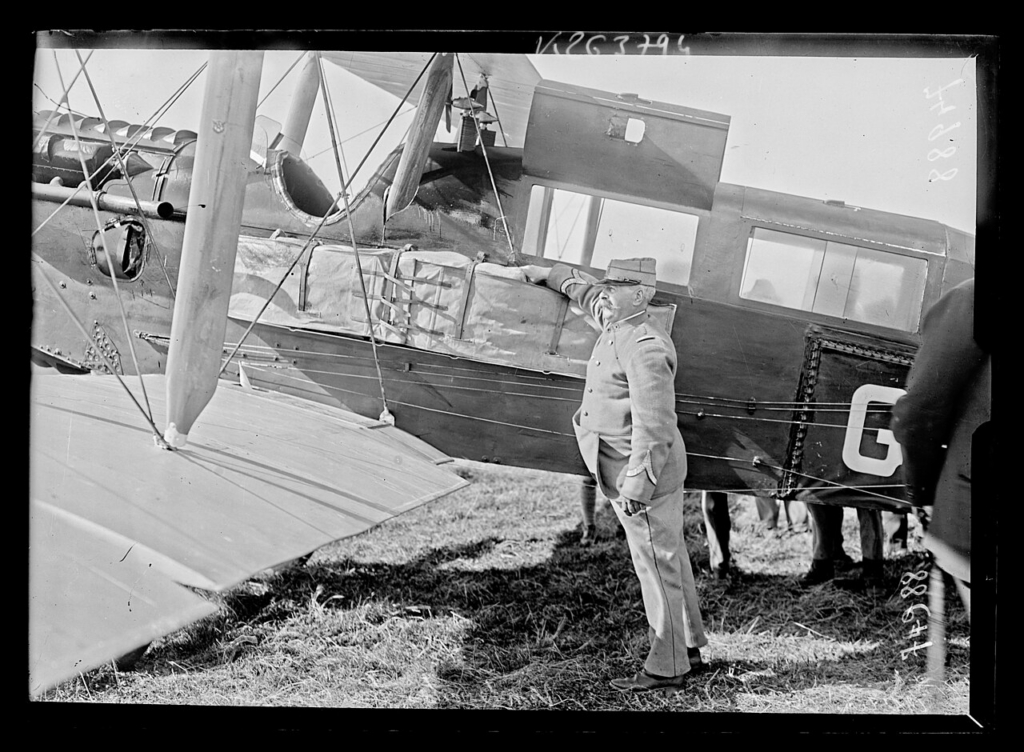
The inclusion of leather, grouse, and Devonshire cream gives a wonderfully revealing picture of the new air service – it was simultaneously an experiment in passenger transport, express delivery and commercial logistics.
Despite daily scheduled flights being planned, AT&T advised passengers that “the journey cannot be guaranteed every day, owing to the bad climate, and at present engine failure cannot be entirely eliminated, and forced landings and delays may occur.”
How much did the journey cost?
As reported by the website London Walks, the average initial fare for a seat on the route was 15 guineas one way. A guinea equated to 21 shillings, or £1.05 in today’s money, thus making a single trip £15.75.
However, the fare remained out of the realm of most individuals. An ordinary labourer’s wage at that time was 14 to 22 shillings a week. Therefore, it could take six months for the average worker in 1919 to save up a one-way fare.
But if you were at the top end of the average weekly wage scale in 1919, then it might take around three to four months to save up for a one-way flight to France.
Given the cost, while many of the early passengers would be those undertaking a ‘once-in-a-lifetime’ trip, for the well-heeled, such a trip was seen less as an extravagance and more as a way to display your wealth and impress their friends.
Marking the historic beginning of scheduled air travel
The London to Paris service of 25 August 1919 was therefore not a polished airline launch in the modern sense. It was an improvised bridge between wartime aviation and peacetime transport.
Its aircraft had been born as military machines, its passengers were largely journalists, and its ‘airport’ was a grass aerodrome.
Nevertheless, the achievement was profound. AT&T had demonstrated that scheduled international air travel was commercially possible.
Within weeks, competing airlines were developing their own London to Paris services, and the network of European air routes began to expand exponentially.
For the passengers on that August morning, the journey must have felt like a glimpse of the future. Beneath them was the English Channel; ahead lay Paris.
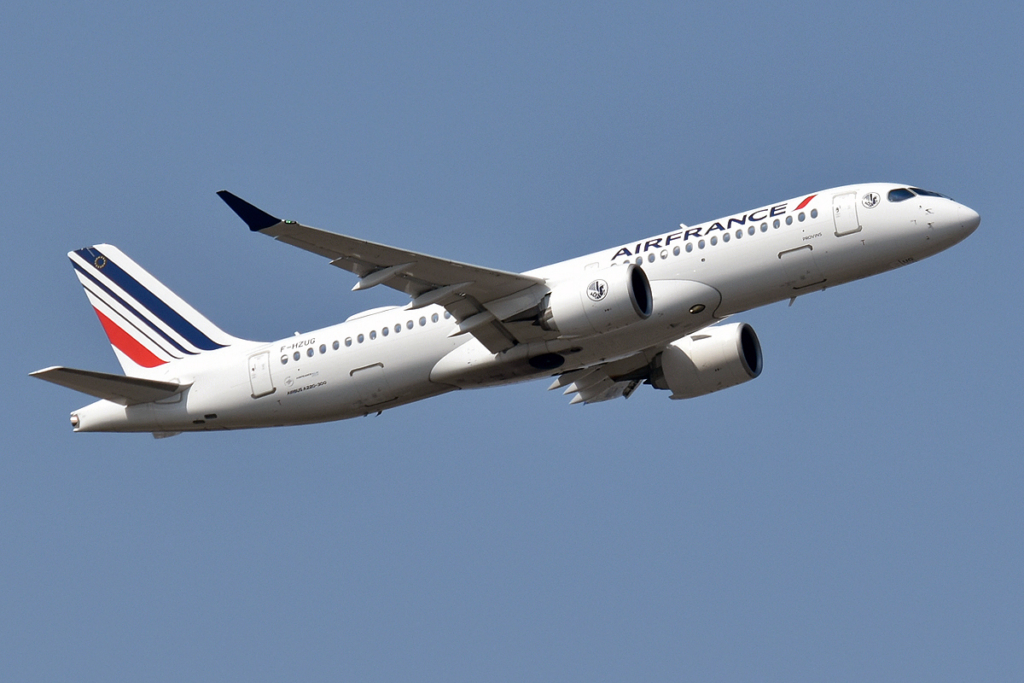
The aircraft was noisy, cramped, and vulnerable to the weather, but it had achieved something extraordinary: it had turned an international air journey from an aviation experiment into a scheduled service that an ordinary customer could, in principle, purchase.
That is why 25 August 1919 remains one of the landmark dates in the history of commercial aviation. The flight was not simply a journey from London to Paris.
It was the moment when the aeroplane began to become a means of everyday international transport, opening a new chapter in cross-border air travel.