


FAA withdraws single-pilot exemption for Cessna Citations

3 min read
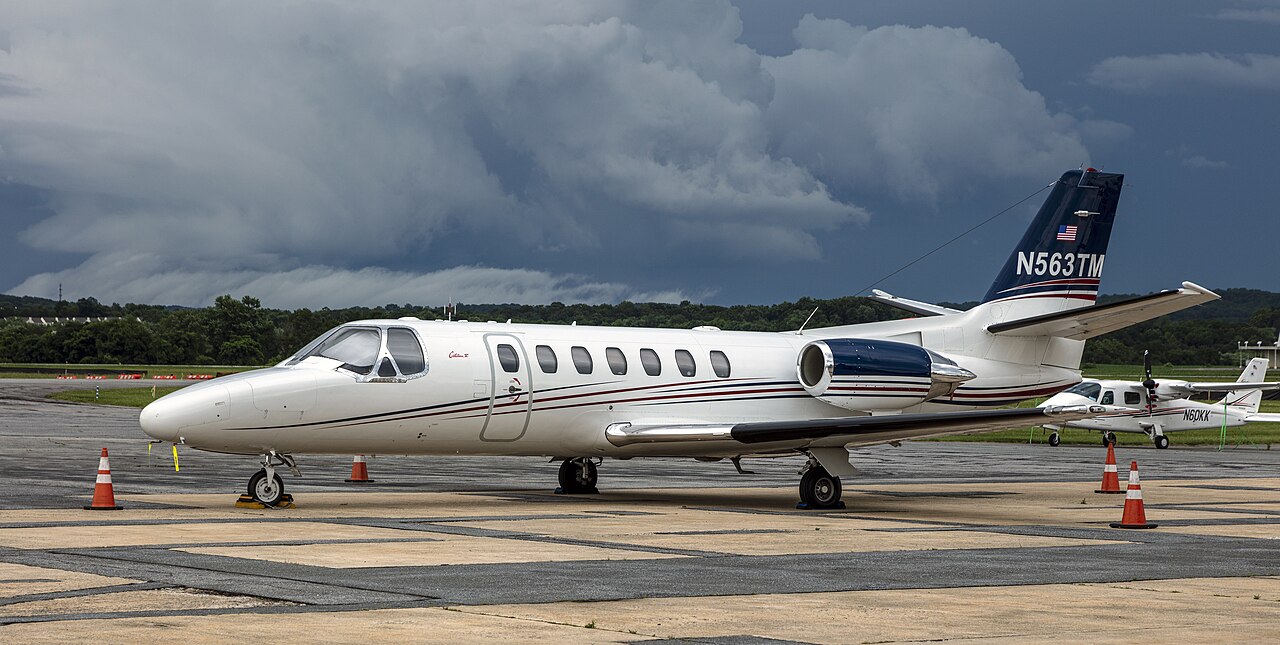
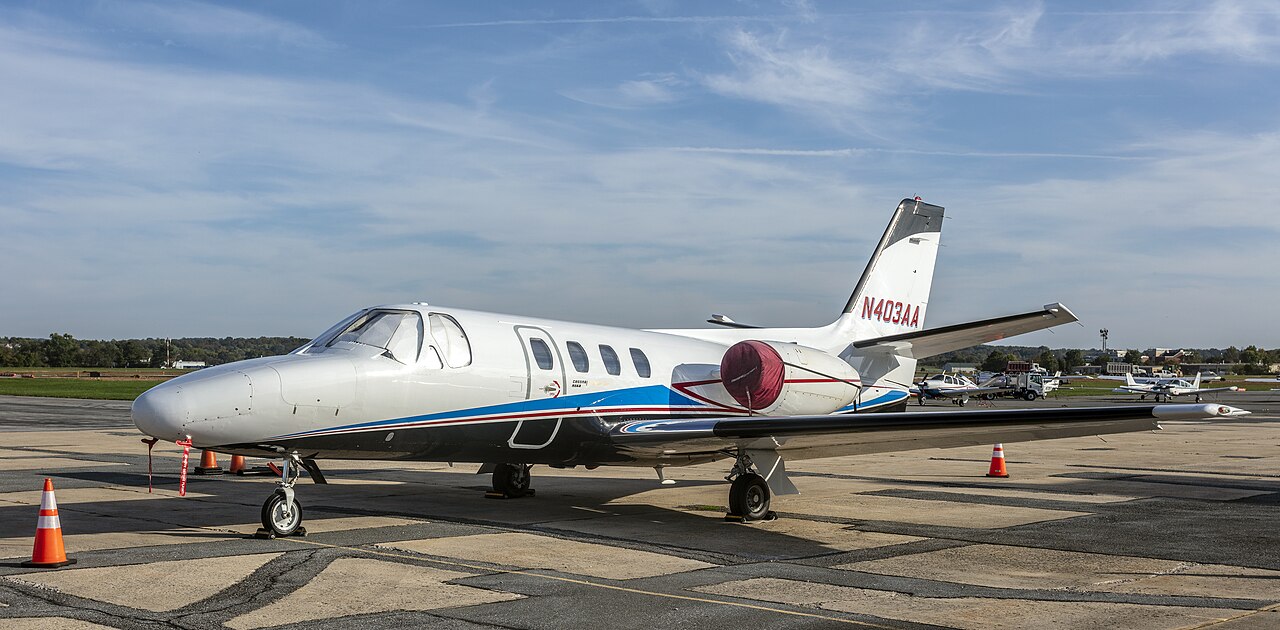
The Federal Aviation Administration (FAA) has ended a more than 40-year exemption rule that allowed certain Cessna Citation 500-series aircraft to be operated by a single pilot, citing safety concerns.
The policy, which took effect on Tuesday, 29 September, means that all existing two-pilot-crew exemptions will be rescinded.
Pilots who have obtained single-pilot permissions under the exemptions will no longer be permitted to operate aircraft that require two pilots without a second crew member.
FAA ends 40-year Cessna Citation single-pilot exemption programme
The affected aircraft are variants of the Cessna Citation CE-500 series that require two pilots. The FAA began allowing certain CE-500 aircraft to be operated single-pilot under exemptions in 1984.
Over time, the agency also granted exemptions to flight training organisations, allowing them to provide training and check flights.
The system came under scrutiny in 2024 after the FAA discovered that training was being offered by organisations using another organisation’s exemption.
The FAA review found what the agency described as “numerous instances of non-compliance”.
These included incomplete records, required flight training being conducted in an advanced aviation training device in circumstances that were not permitted, and improper checks by pilot examiners. The FAA also identified cases involving falsified records.
As a result, 13 of the 14 Part 61 (training) exemption holders were either denied extensions or had their exemptions rescinded because they failed to respond to FAA information requests or had not complied with the conditions of their exemptions.
Safety concerns and training violations drive FAA crackdown
The agency’s decision also follows a review of CE-500 accident data covering the past 18 years.
According to the FAA, CE-500 Part 25 commercial transport category aircraft operated with a single pilot were involved in approximately twice the accident rate of the same aircraft types operated as Part 23 CE-500 series small general aviation aircraft with a single-pilot.
The agency said the finding undermined the basis for granting the exemption for single pilots operations, which requires the exemption to provide an equivalent level of safety or have no adverse safety impact.
“The FAA finds that these exemptions do not provide an equivalent level of safety to the regulations and are no longer in the public interest,” noted Hugh Thomas, executive director for the flight standards service at the FAA.
“For those training providers who currently hold a valid exemption, the FAA is issuing rescissions following publication of this notice, effectively ending their current exemptions.
“The FAA is also advising all pilots who hold logbook endorsements authorizing them to operate a CE-500 aircraft as a single pilot that with the termination of the exemption relief, their logbook endorsement is no longer valid.”
Recent CE-500 accidents pushed FAA to act
The FAA also highlighted two recent accidents involving CE-500 aircraft.
On 22 May 2025, a CE-500 operating with a single-pilot crew crashed, killing six people on board and injuring eight people on the ground.
The FAA said the pilot had received an improper check six months earlier from an examiner employed by an exemption holder.
The accident remains under investigation and no probable cause has been established.
A second accident occurred in Statesville, North Carolina, on 18 December 2025. The aircraft was a CE-500 variant that required two pilots under FAA regulations but was being operated without a qualified second-in-command. That investigation also remains open.
Single-pilot endorsements no longer valid
The FAA said the structure of the exemption system created an additional problem because training providers had no ongoing ties with the pilots they had trained or checked and who were using their endorsements.
That meant a pilot could potentially continue operating single-pilot without knowing that the training provider’s exemption had expired or been terminated.
Under the new policy, the FAA will stop granting exemptions to training providers seeking to provide exemptions from the two-pilot requirements.
Current exemption holders will have their exemptions rescinded separately, while pilots holding endorsements issued under them will have to comply with the aircraft’s existing operating limitations.
“Accordingly, these pilots must operate the aircraft in a two-pilot configuration consistent with the operating limitations in the TCDS [Type Certificate Data Sheets],” the FAA said.
Sign up for our newsletter and get our latest content in your inbox.


More from


September 25, 20264 min read

September 24, 20262 min read


